On one of the days here at the Alburgue I’m driving with a few others hours away into the mountains to a remote village to help build a new heat/cook stove out of ceramic brick in one of the homes there. The villages where these kids come from are mostly farms, usually have no electricity and use these hand made heat/cook stoves . When the stoves start to fall apart they can make the people who live there sick as the stove leaks exhaust into the room. But they don’t have the money or materials to fix it so it’s a big deal for them to get a new stove for free.
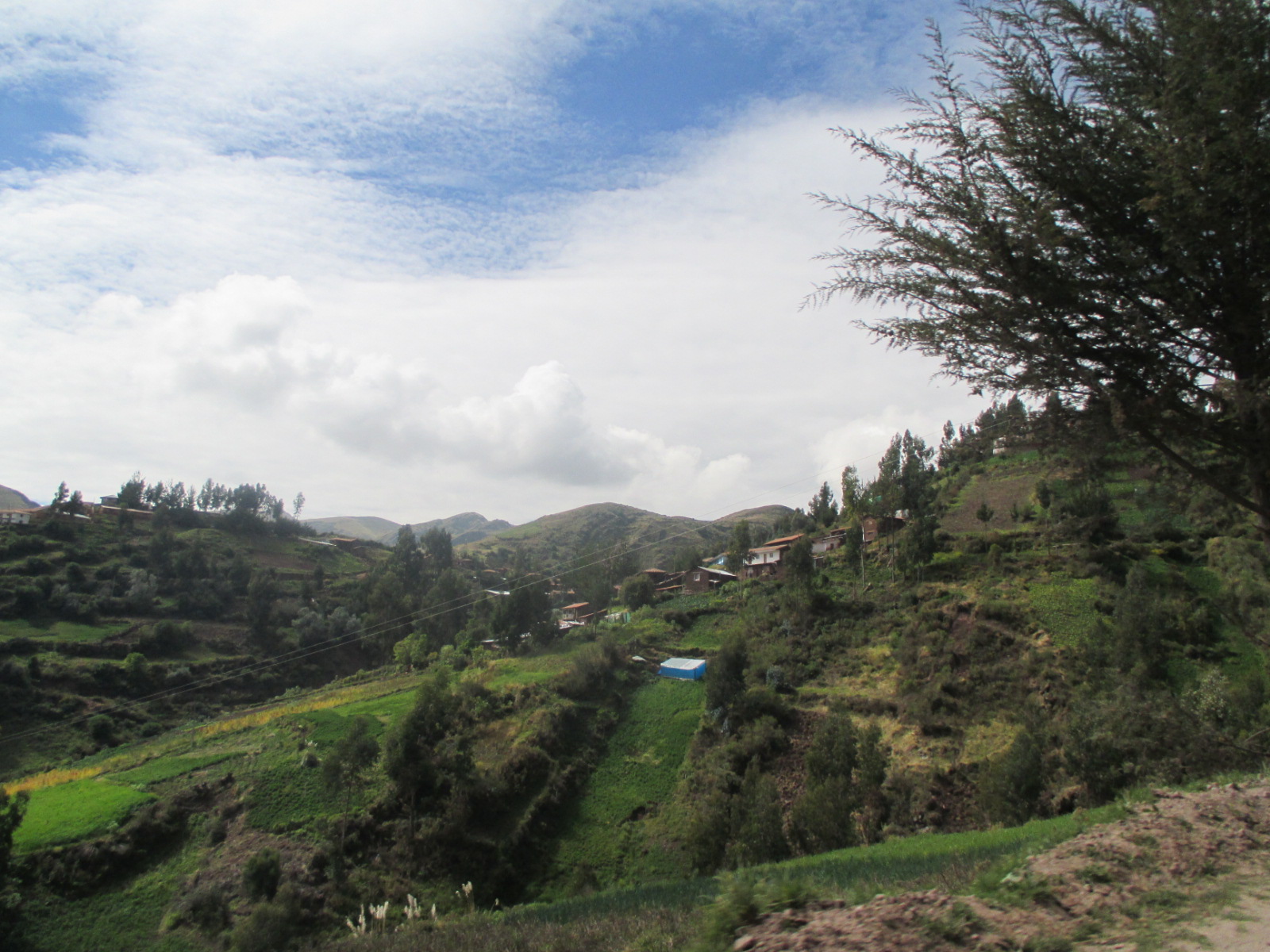
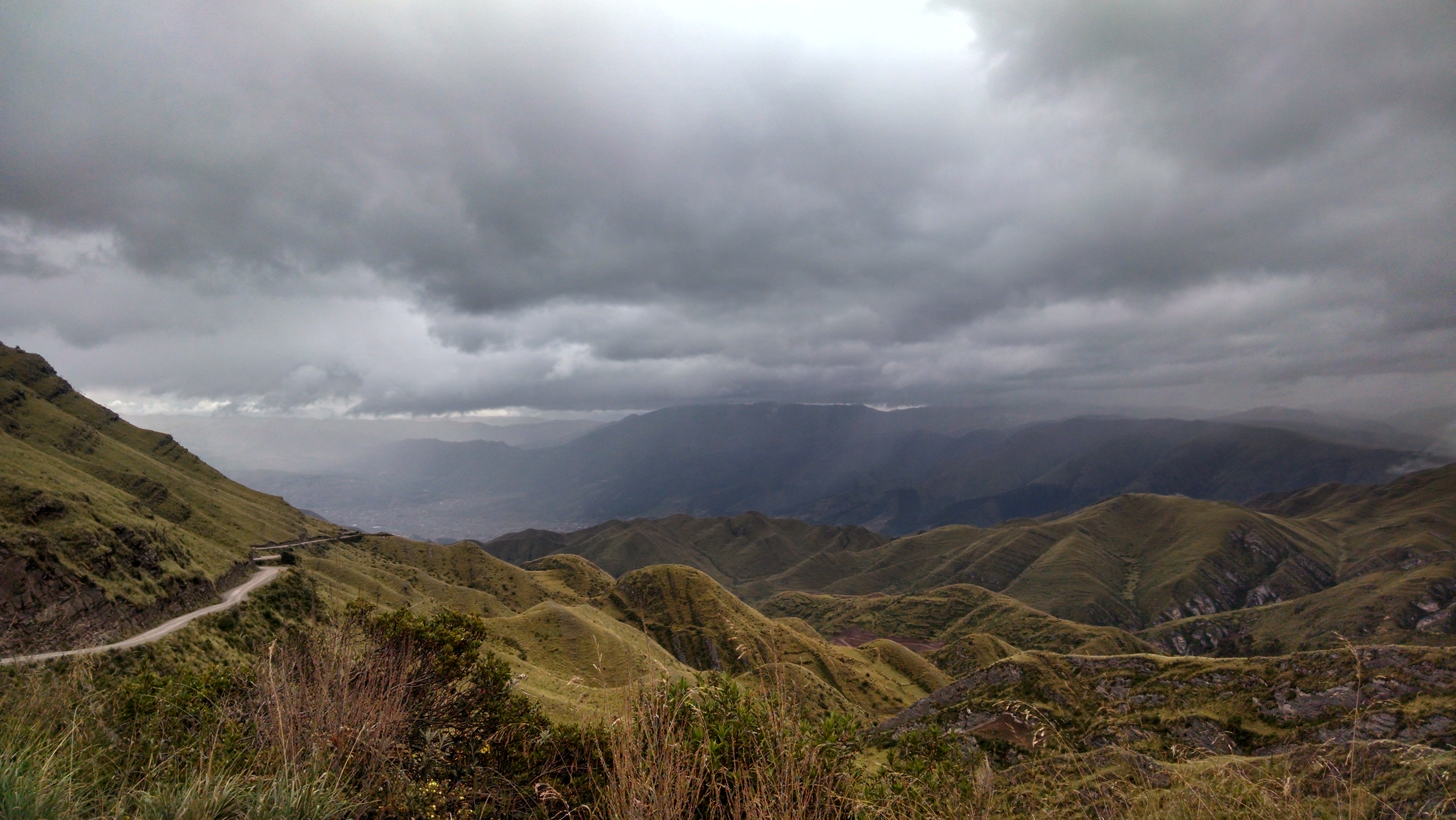
The drive to Mayumbamba is beautiful. Two and a half hours away and 1300 feet higher than Cusco up a windy mountain road into the Andes.
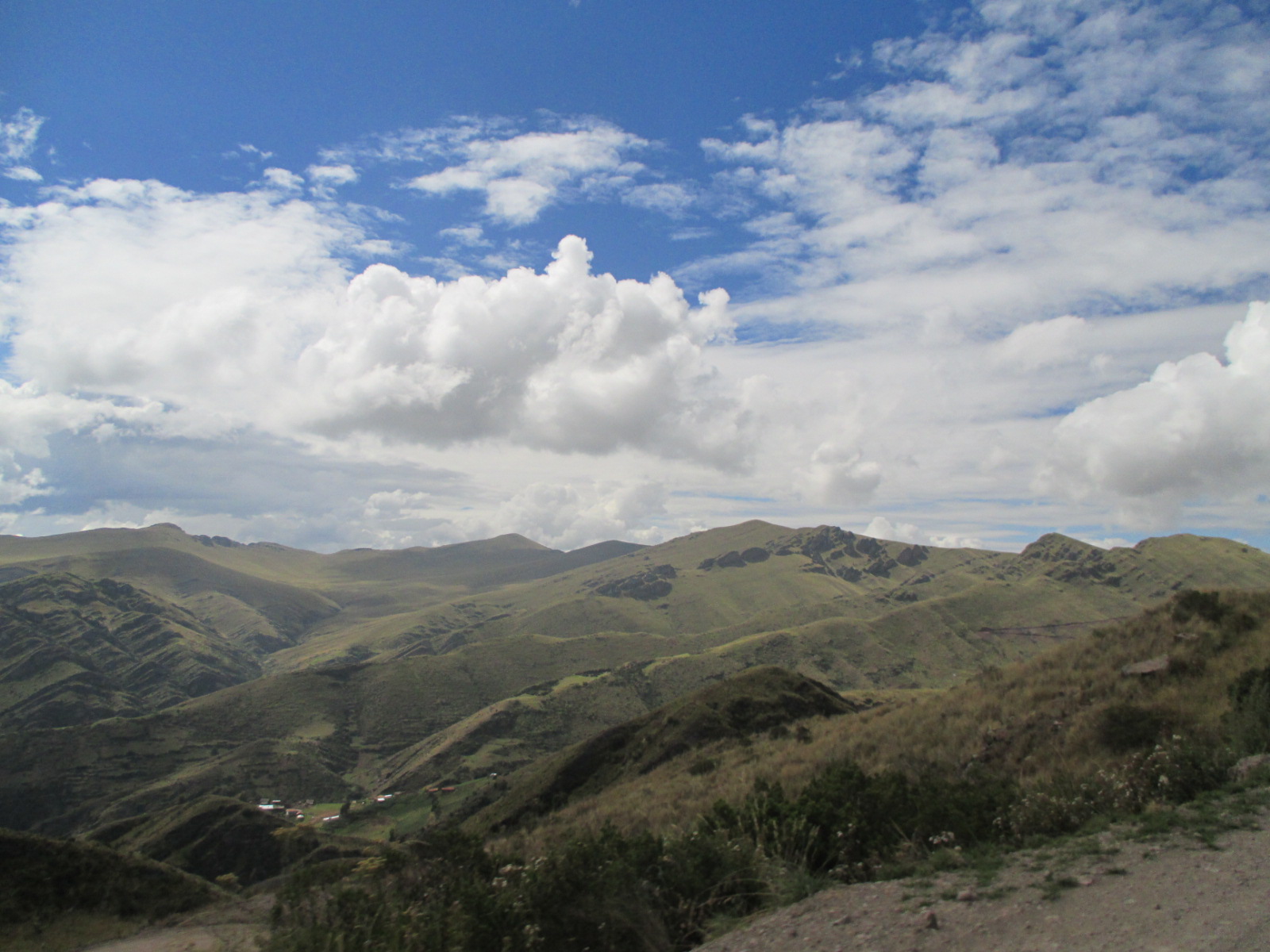
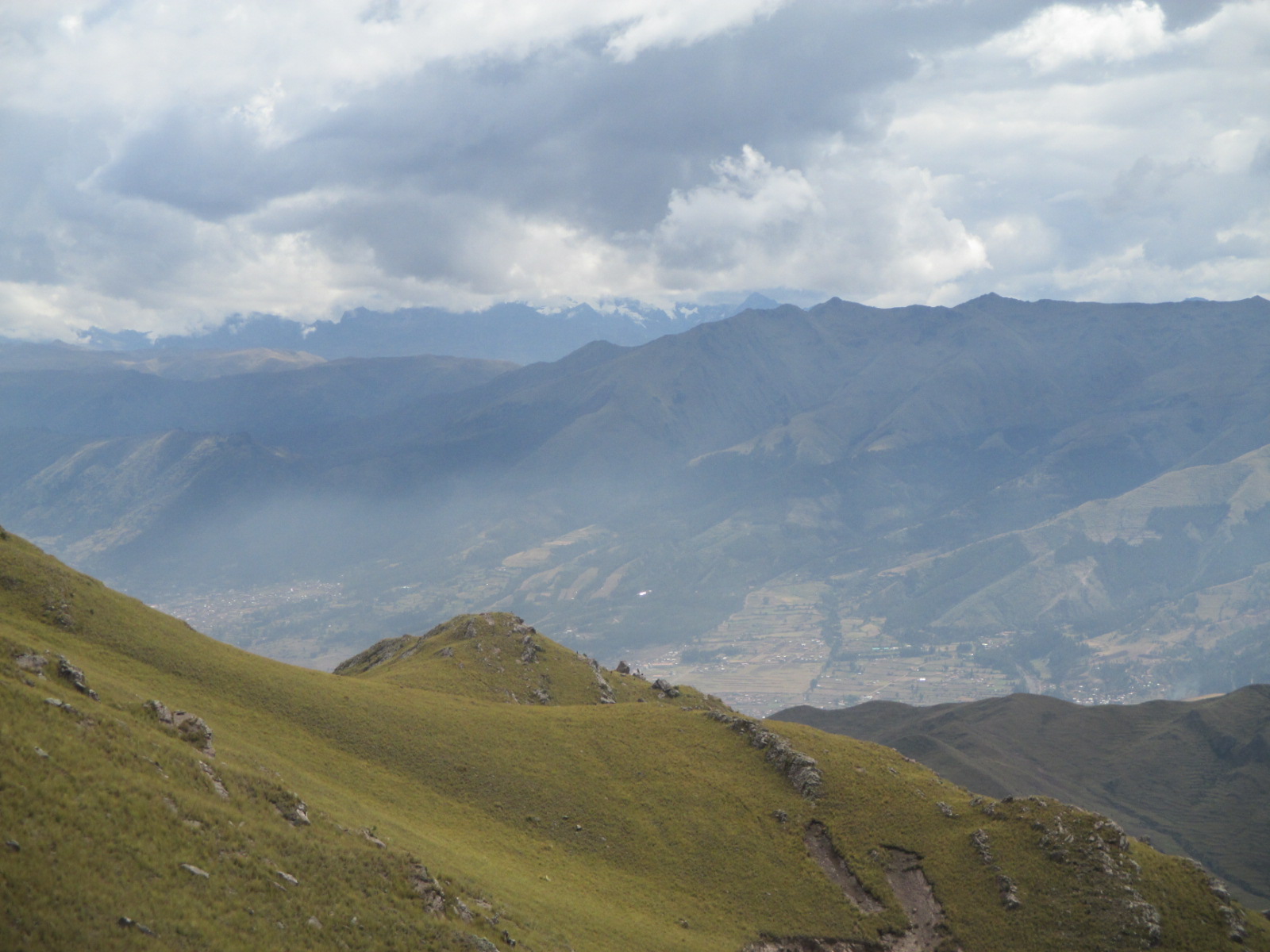
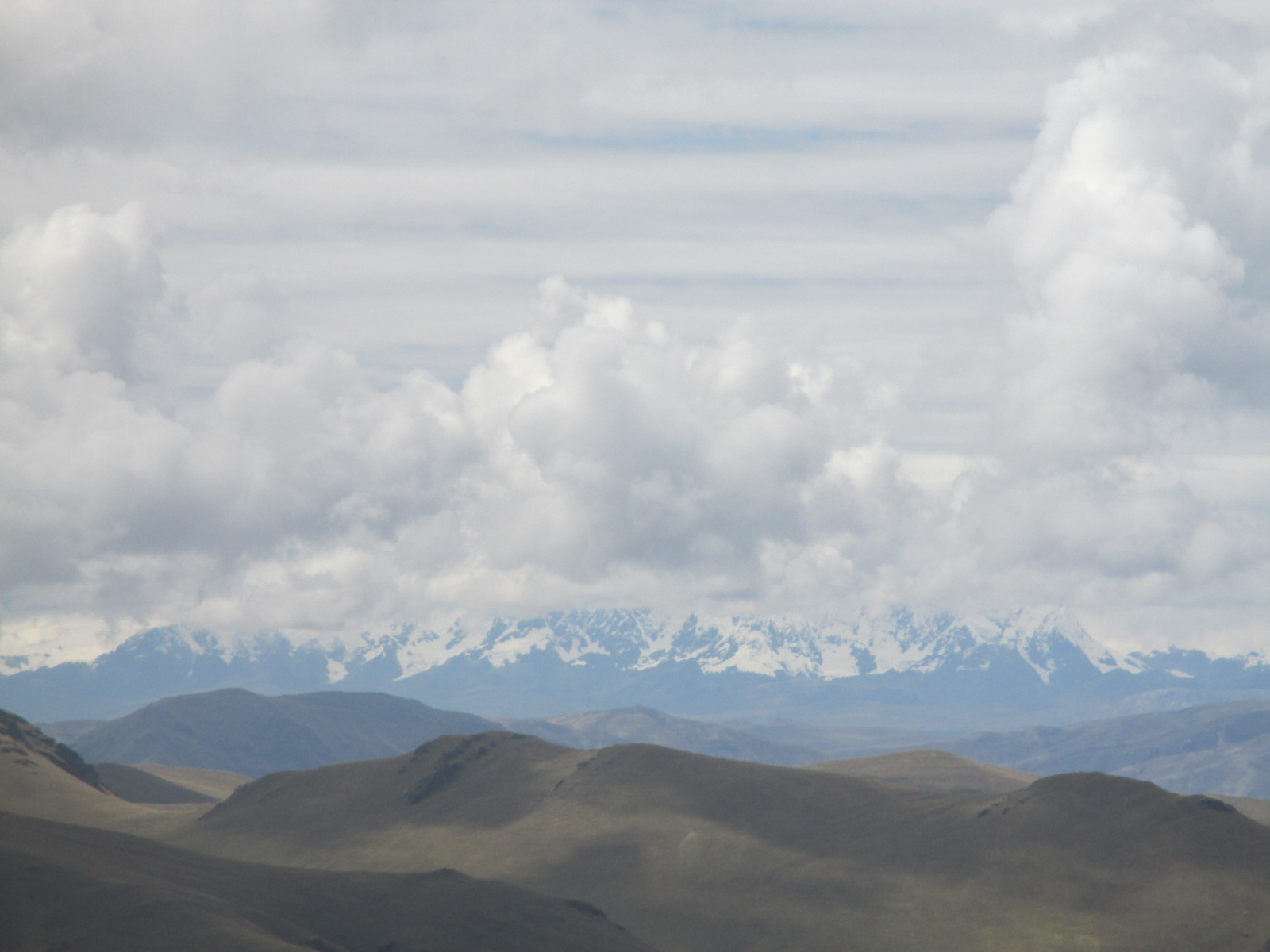
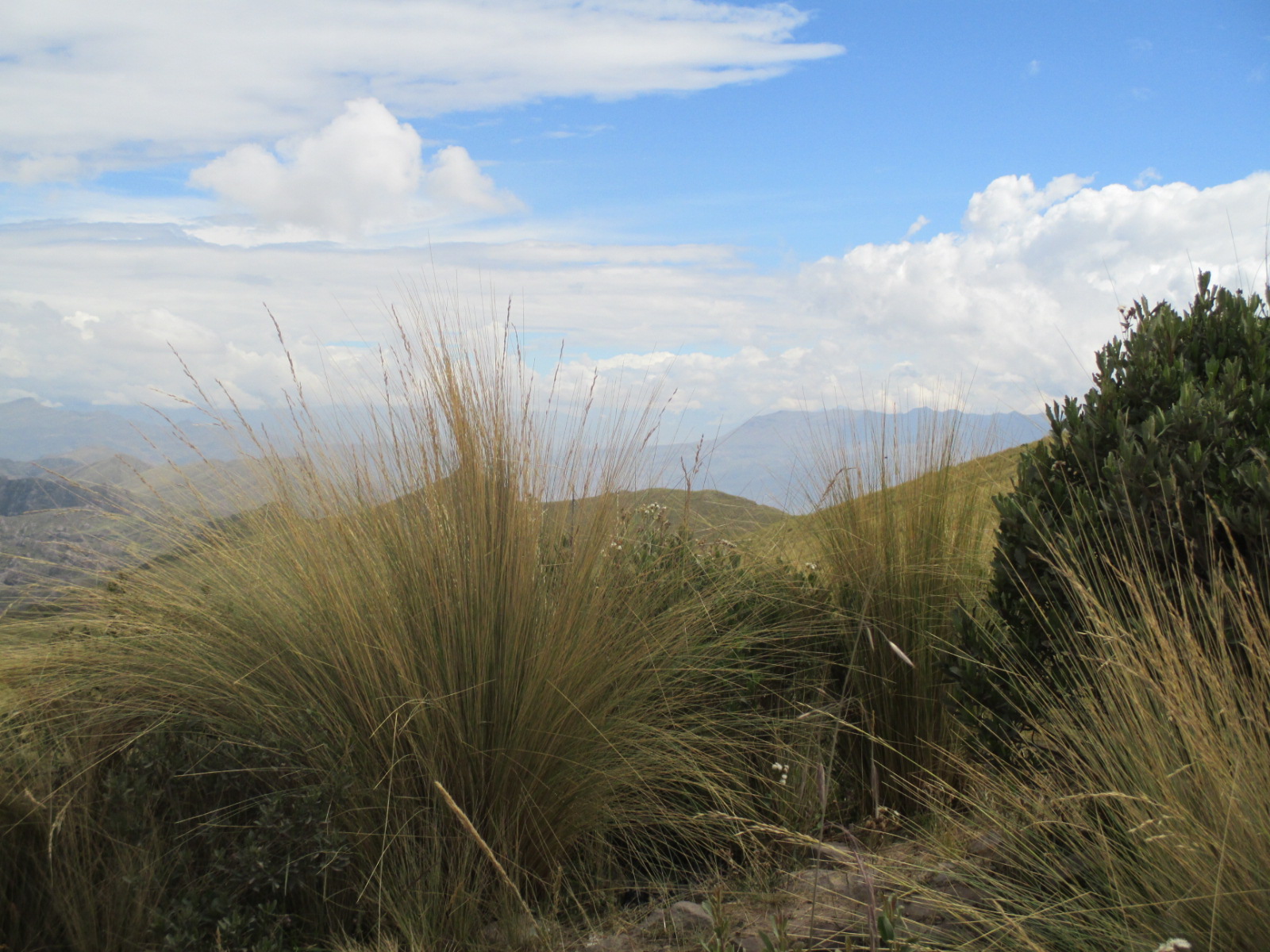
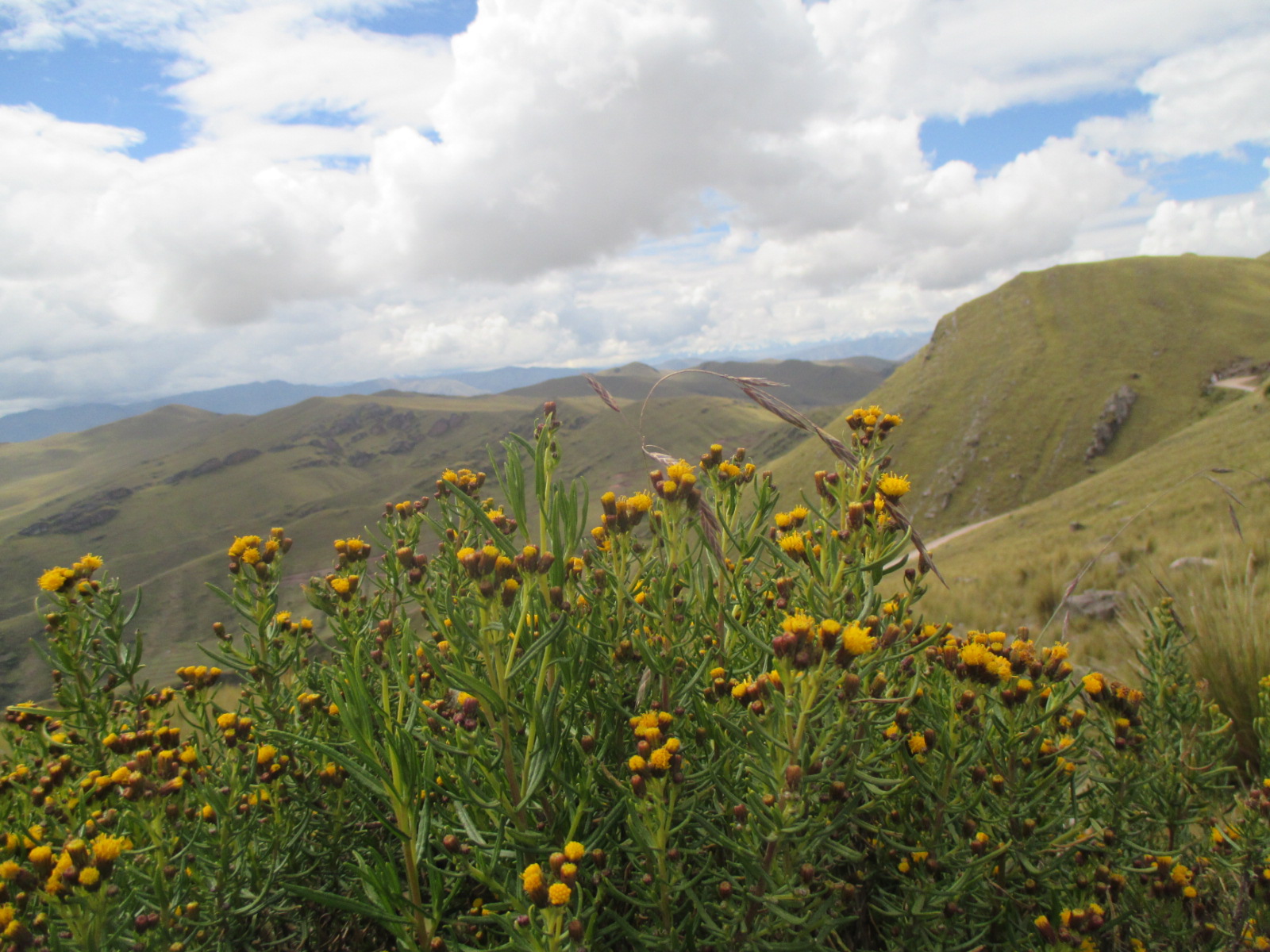
Before getting to the village we stopped at a high point (about 13300 feet) to get out of the car and look around. Not only is it visually incredible but the quietude there is also something rarely experienced.
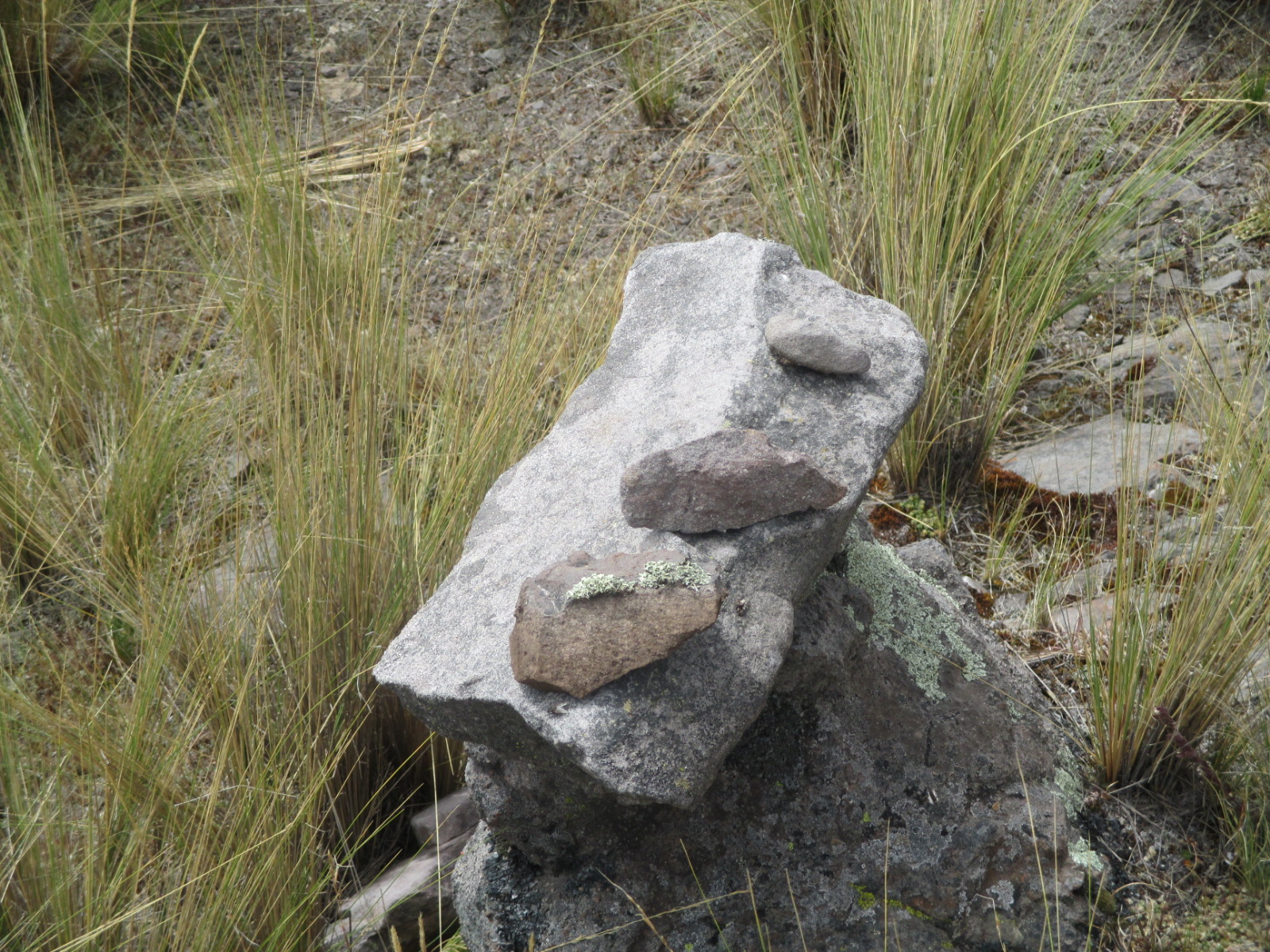
Apucheta: an offering to God. Fernando, Joel and I add our stones. Fernando explained that the piling of stones on mountain tops has long been a tradition for the people of the mountains to show respect to their God and the land.
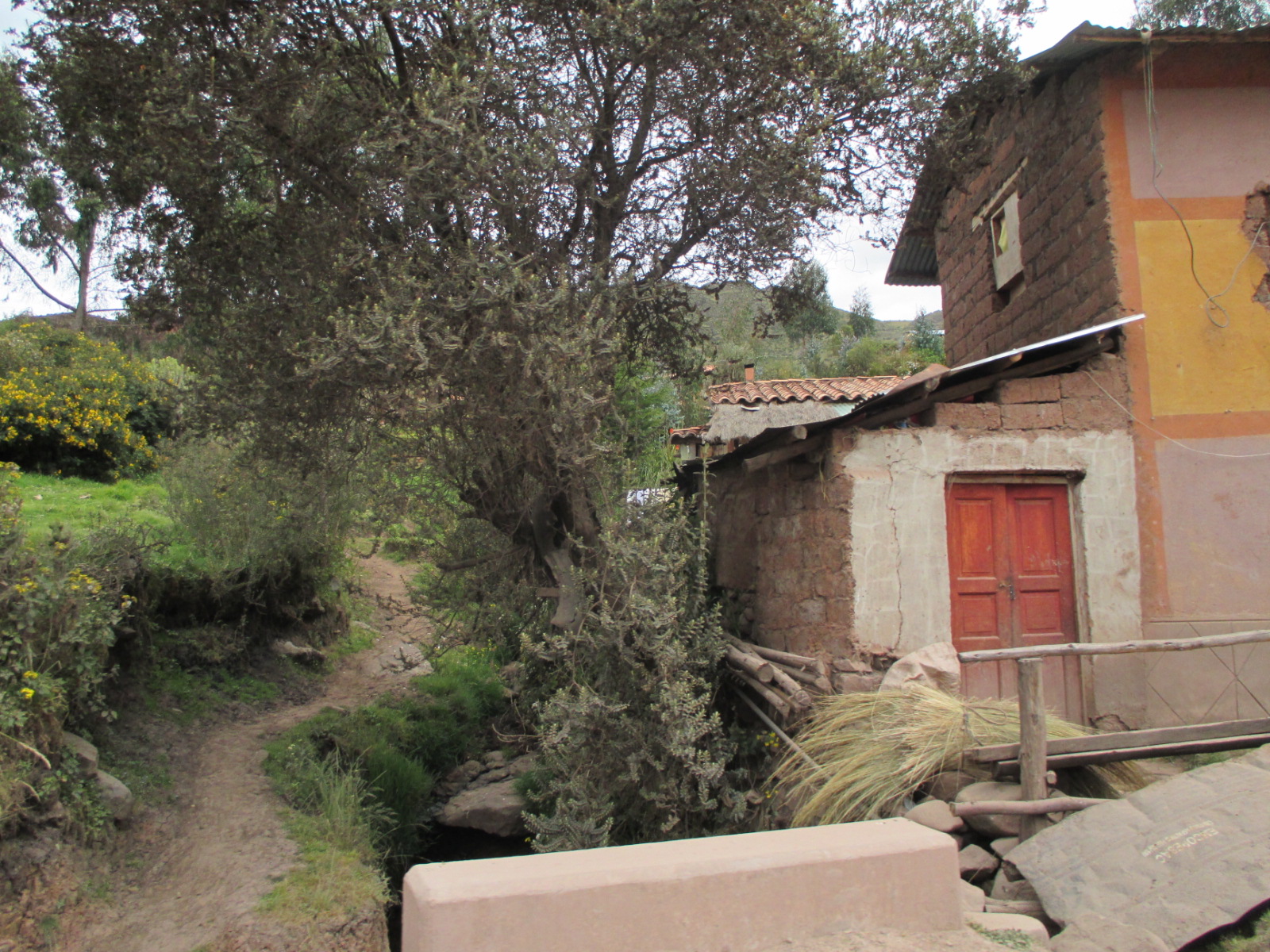
After a short descent, we enter Mayumbamba.
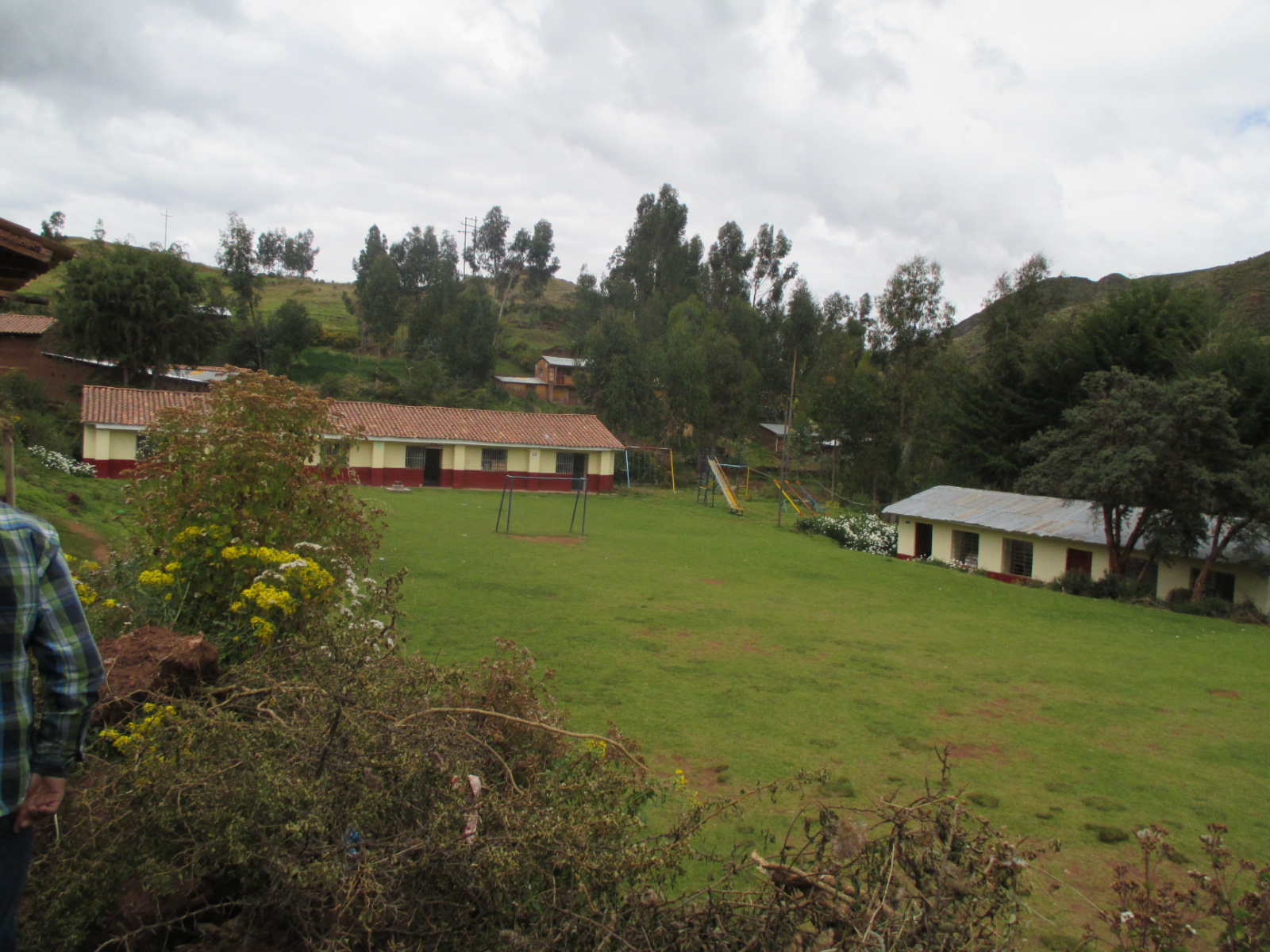
The school here is the most well-kept part of the village. It gets a little government money but mostly relies on organizations like Globe Aware. In the past, volunteers have installed a playground and bathrooms with running water.
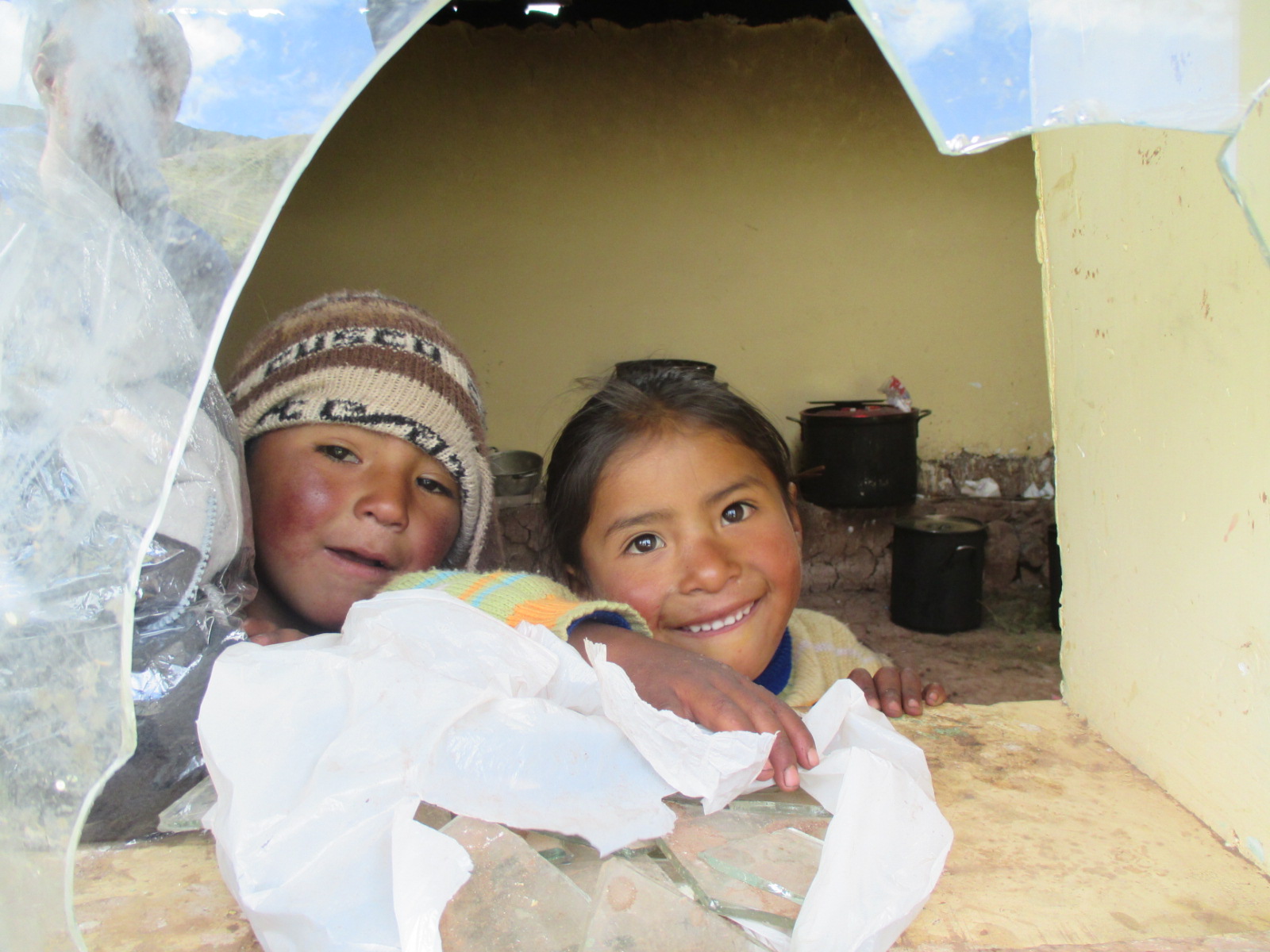
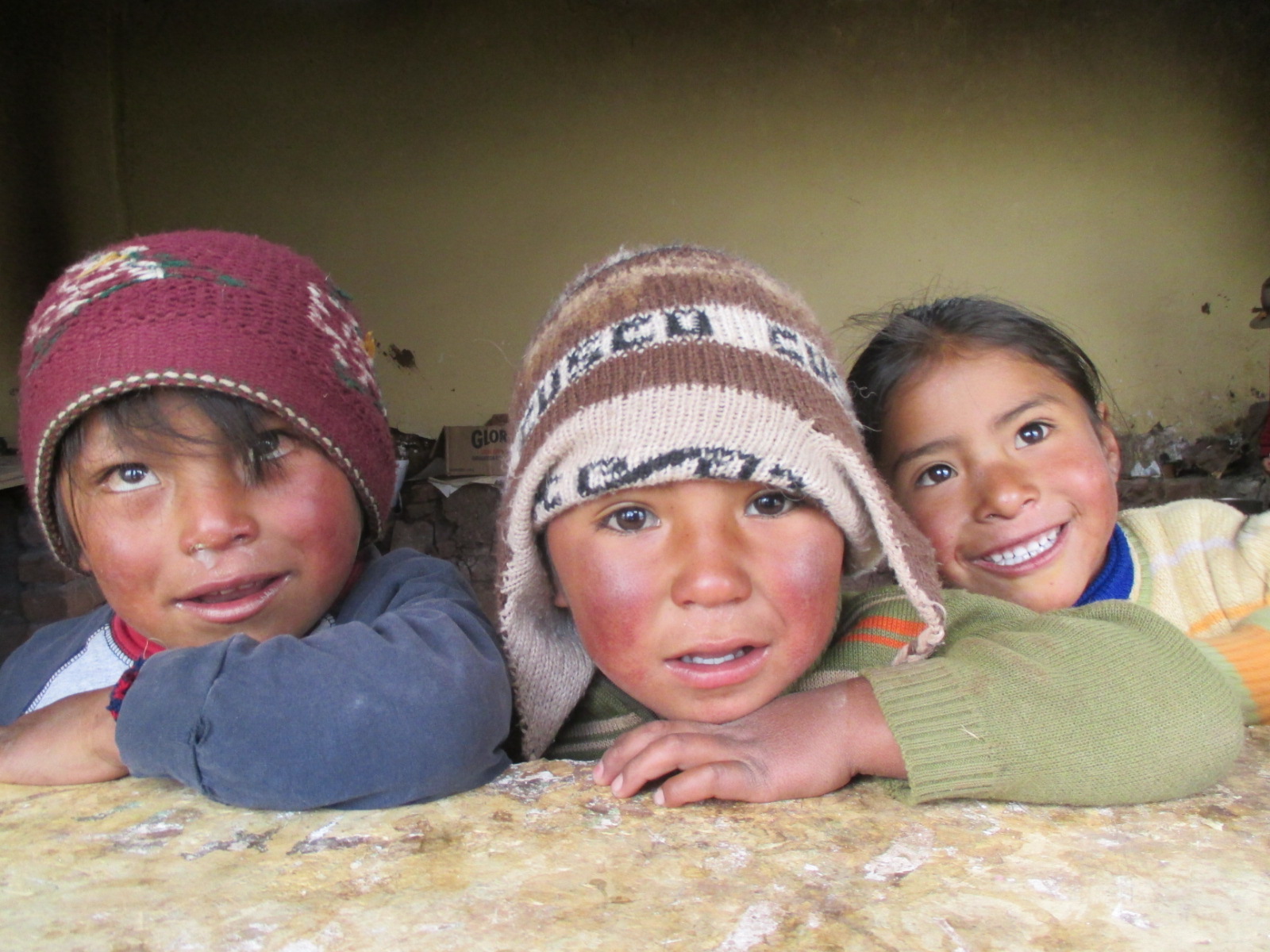

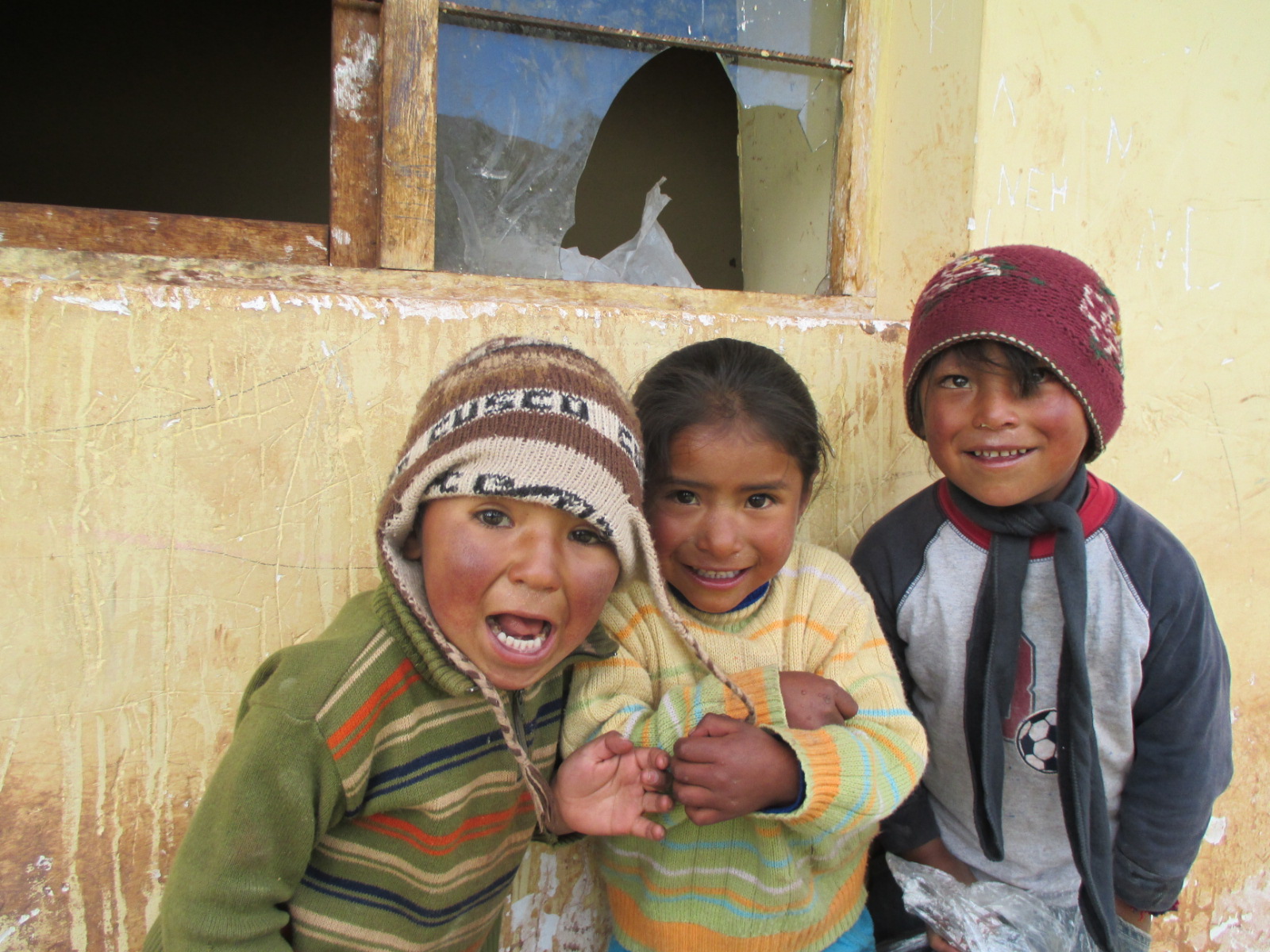
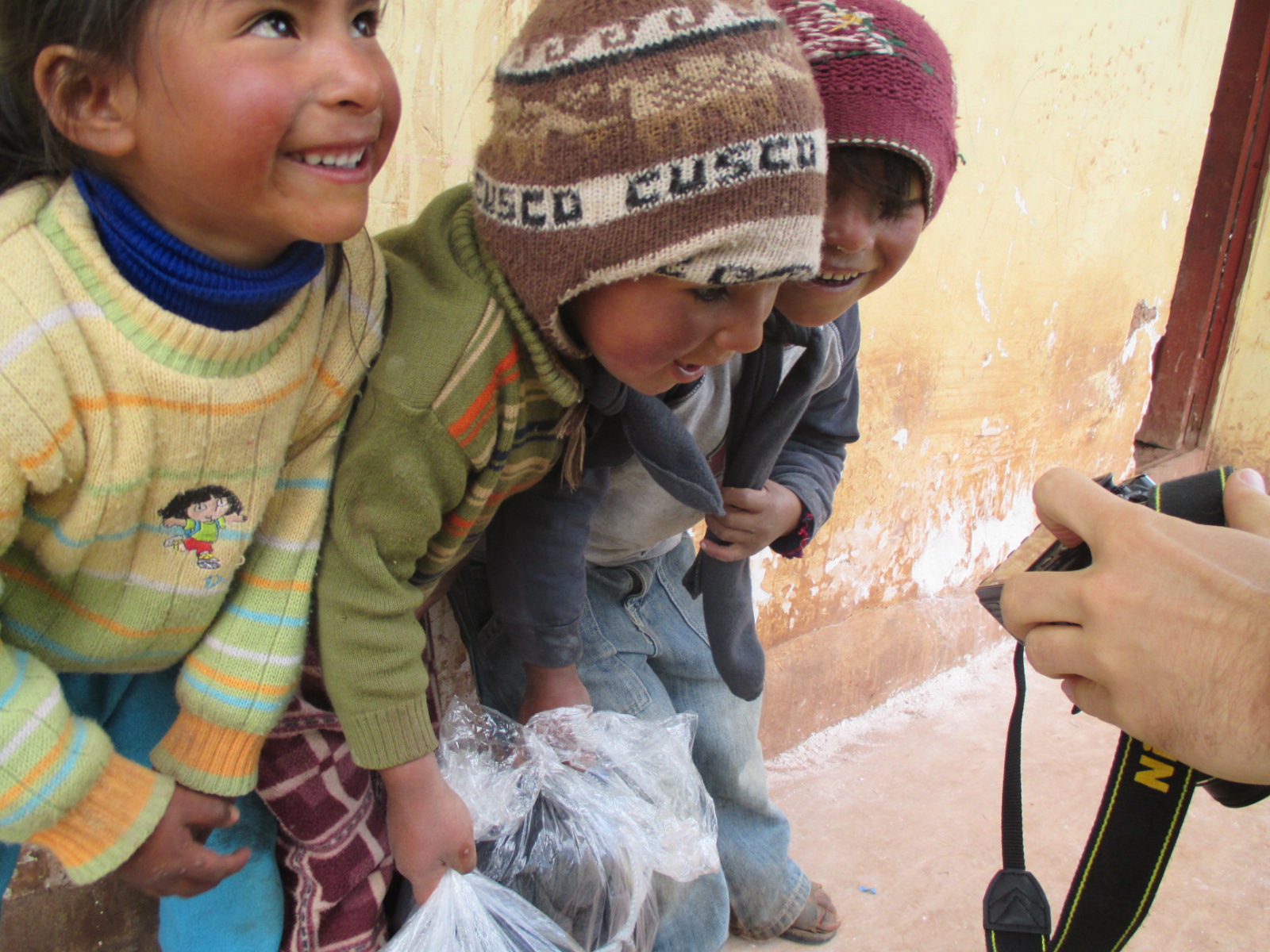
These kids, as do most people in this village only speak Quechua, the language of the Inca.
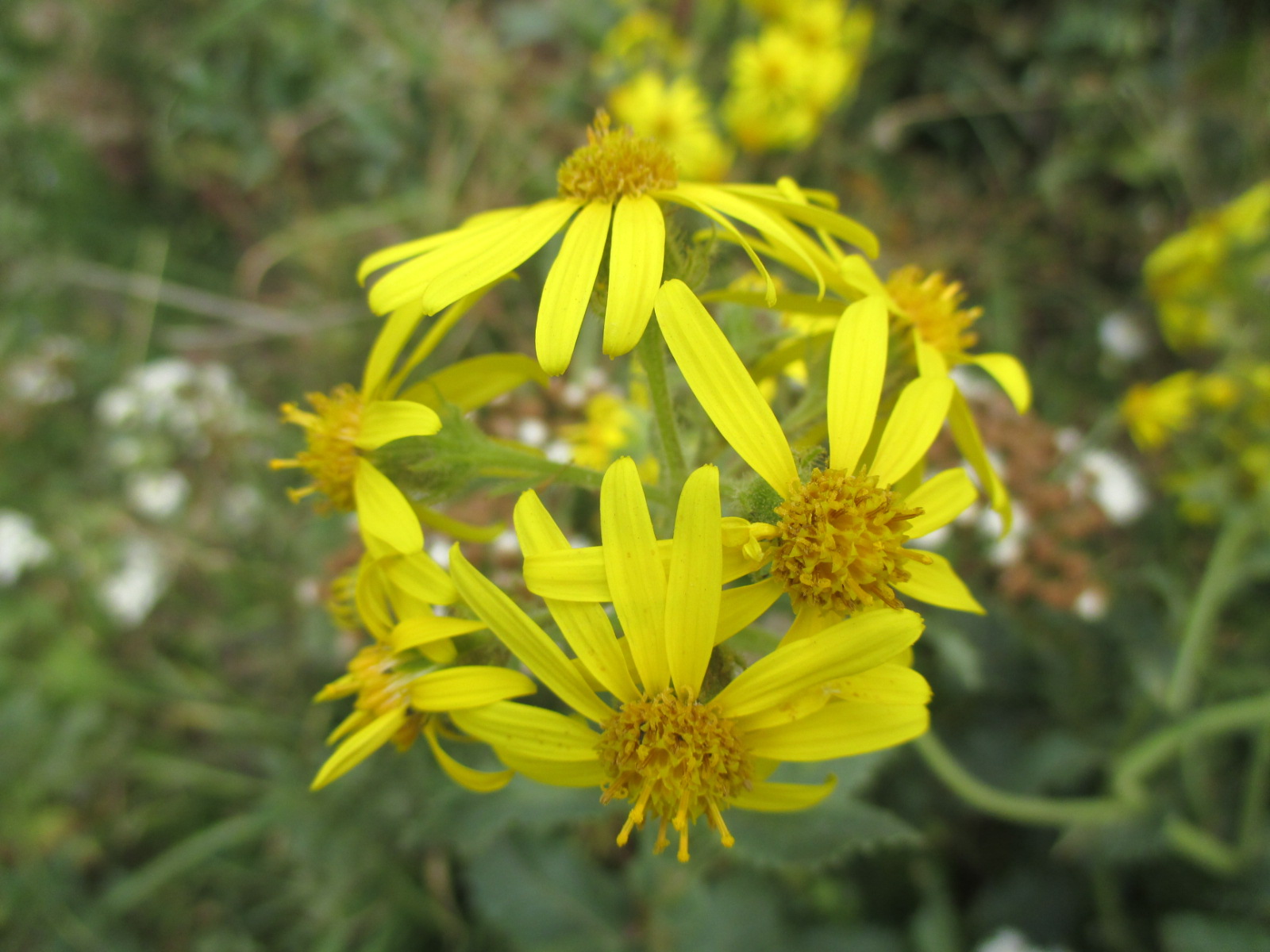
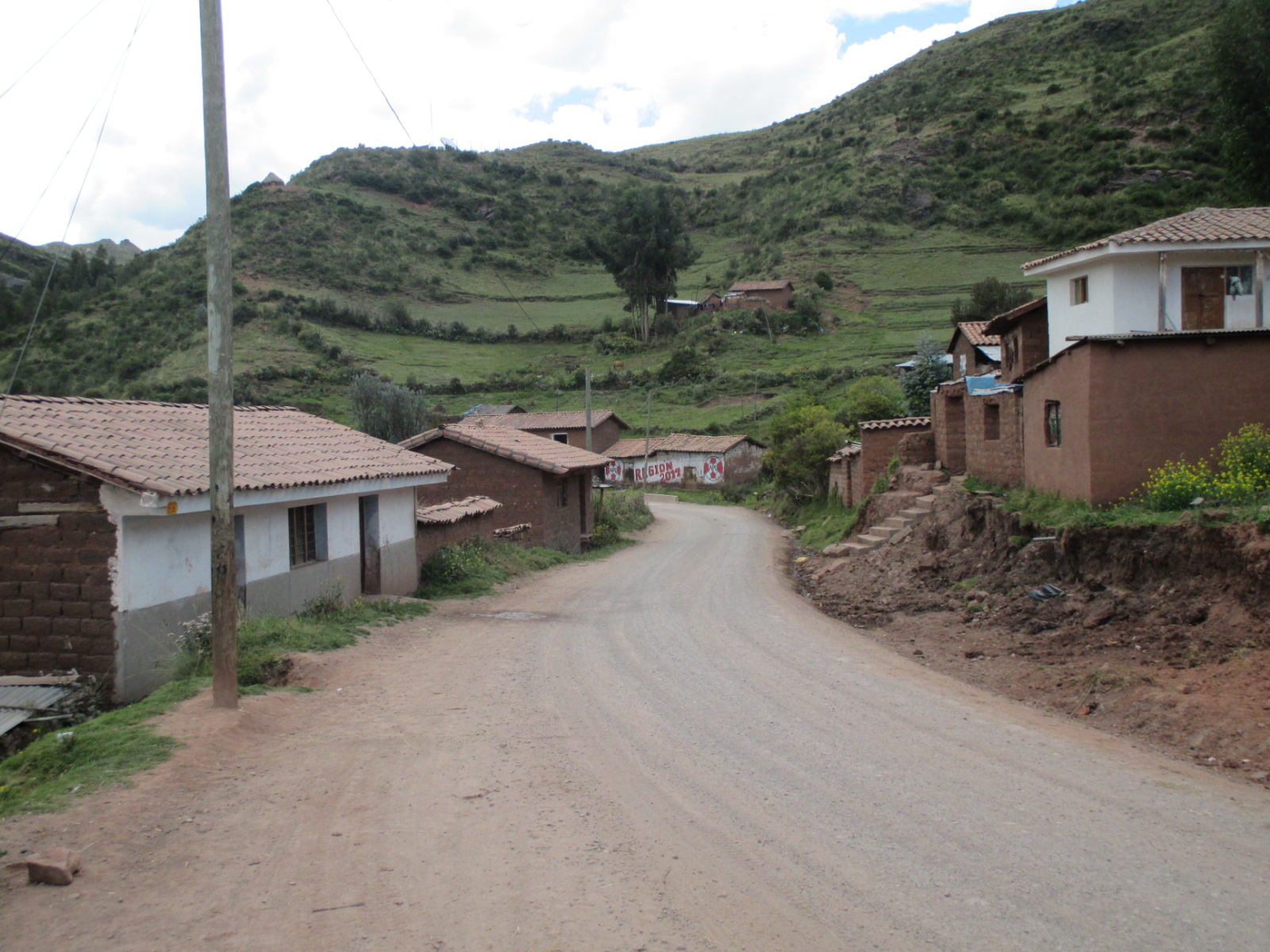
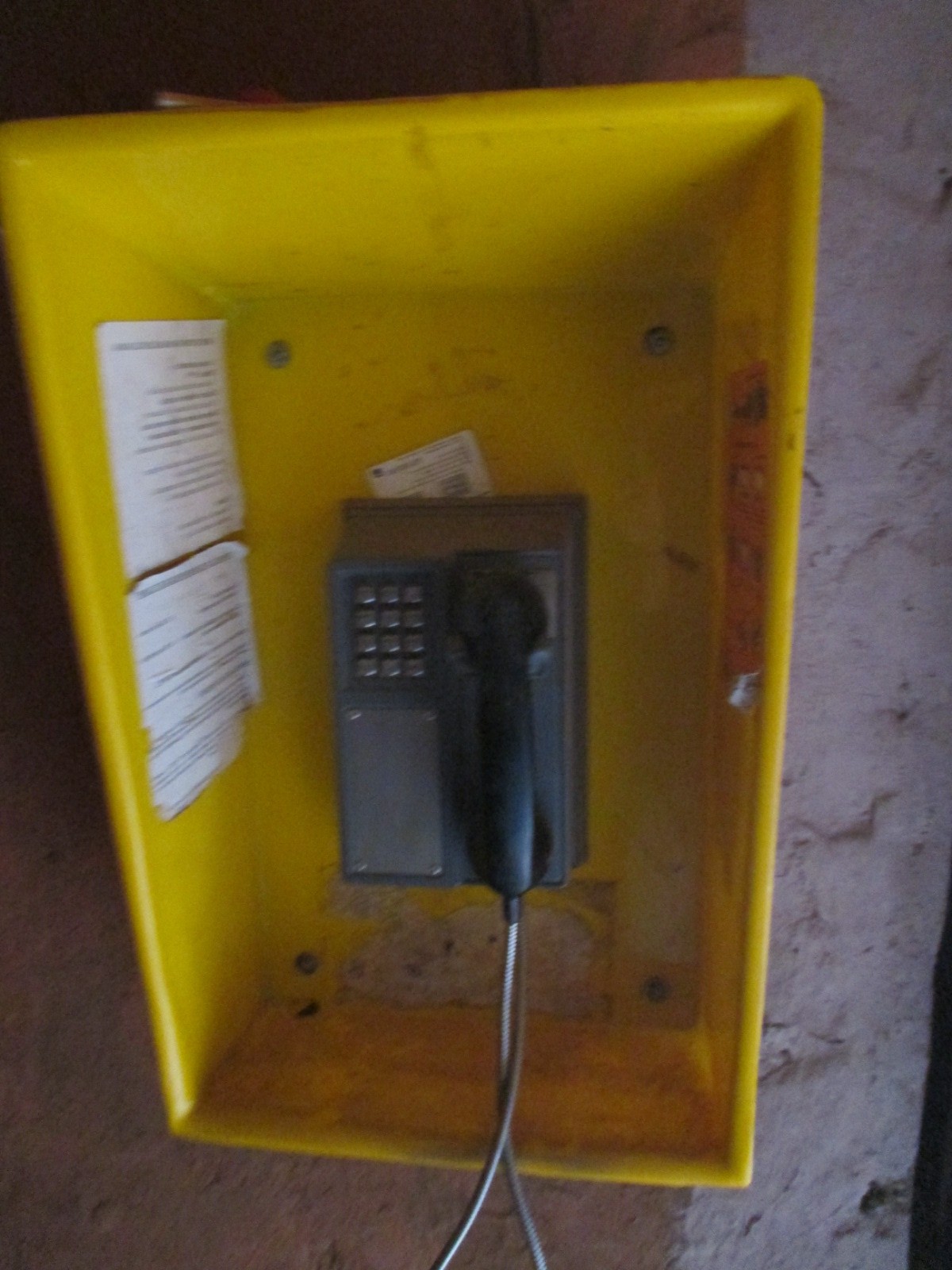
No electricity here. There’s a pole with a guy wire one it but no power lines
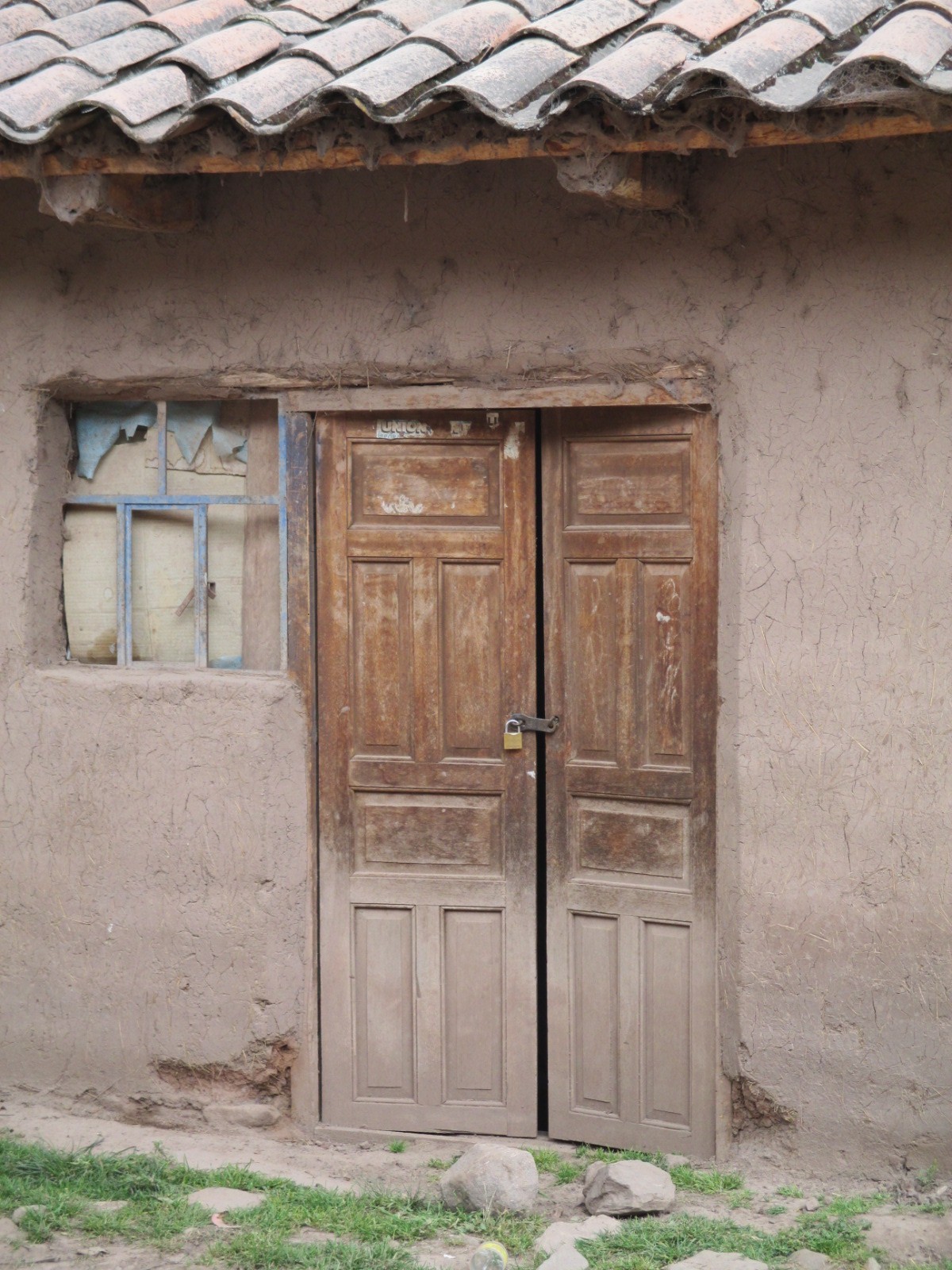
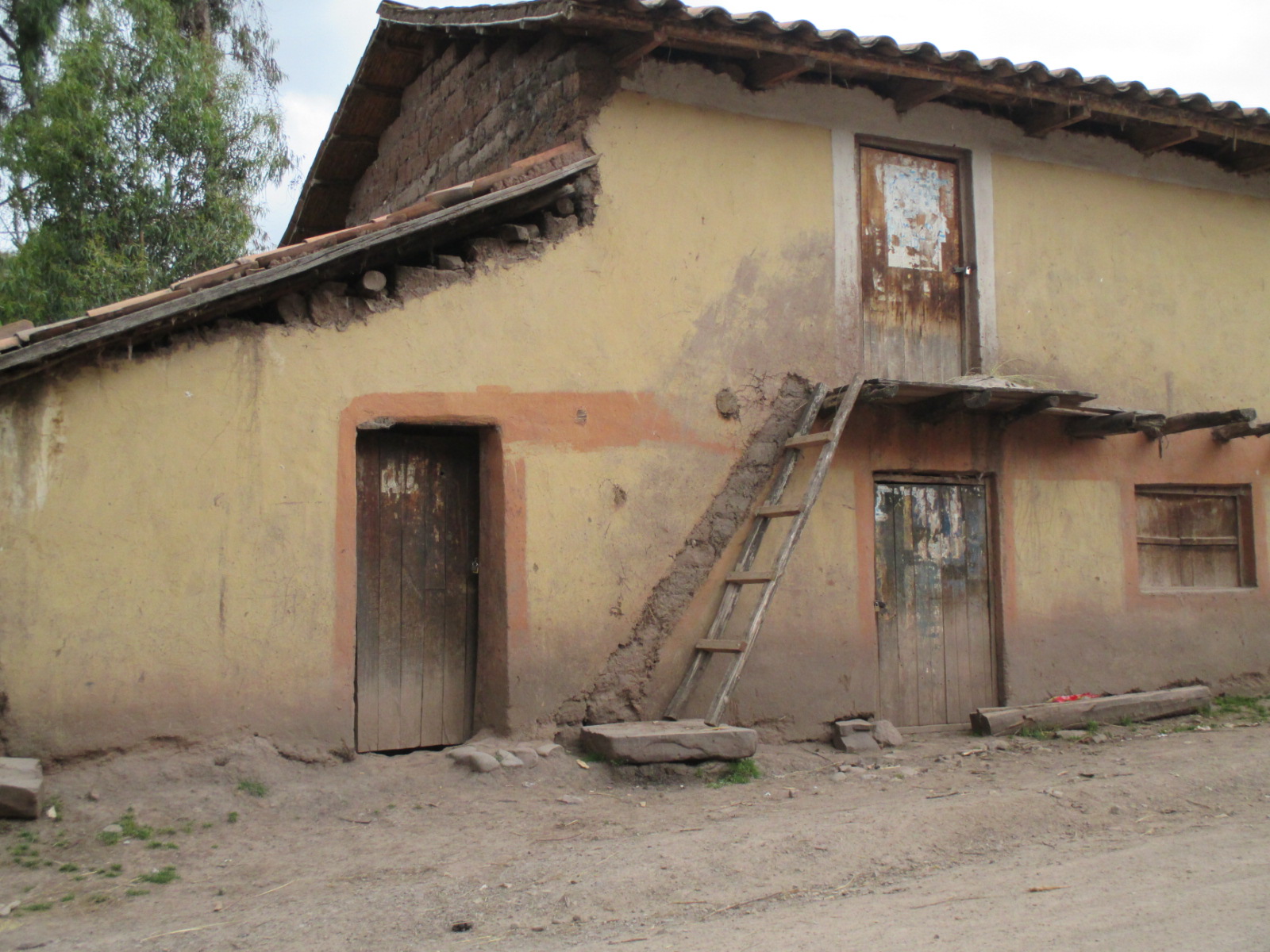
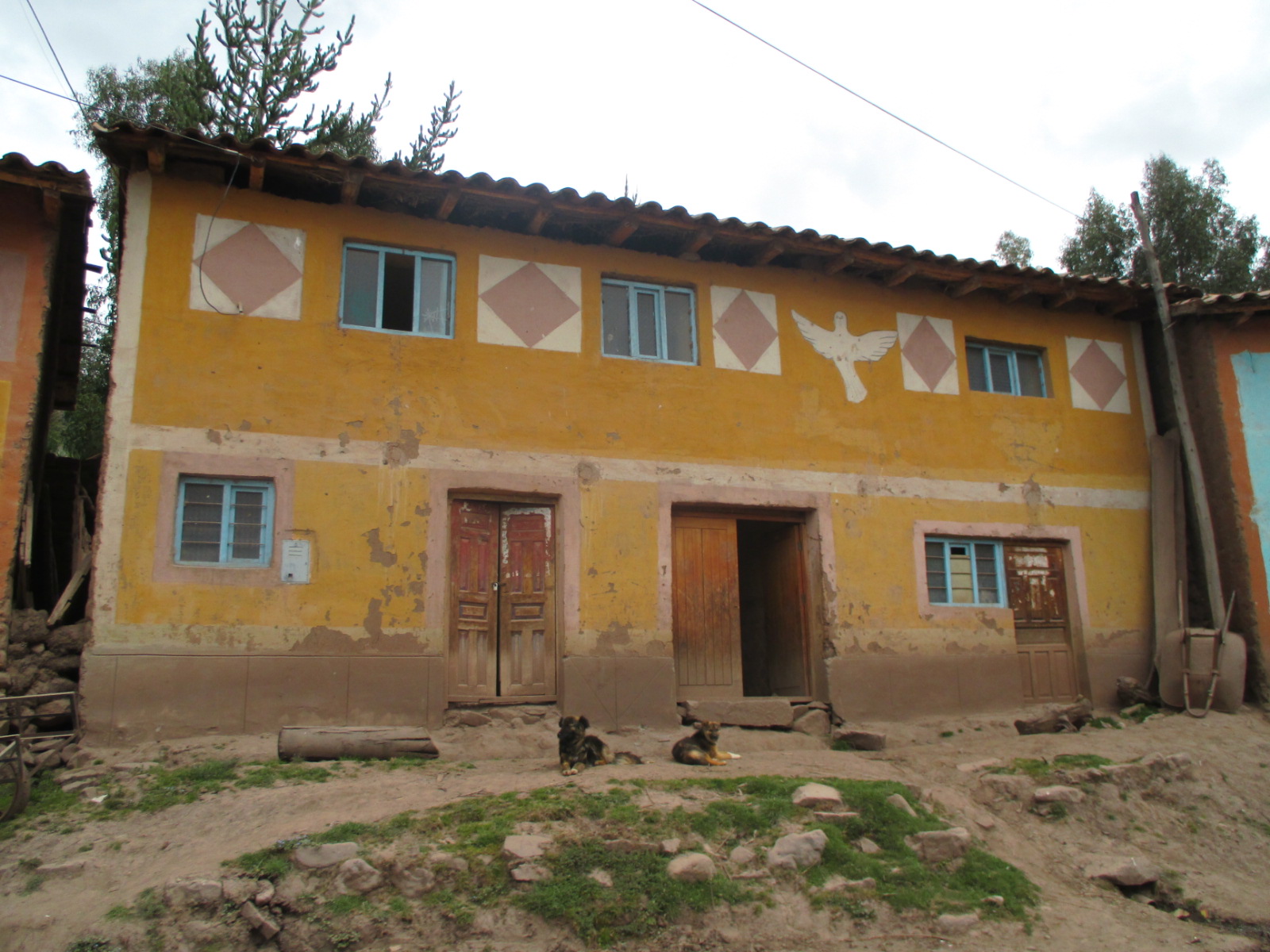
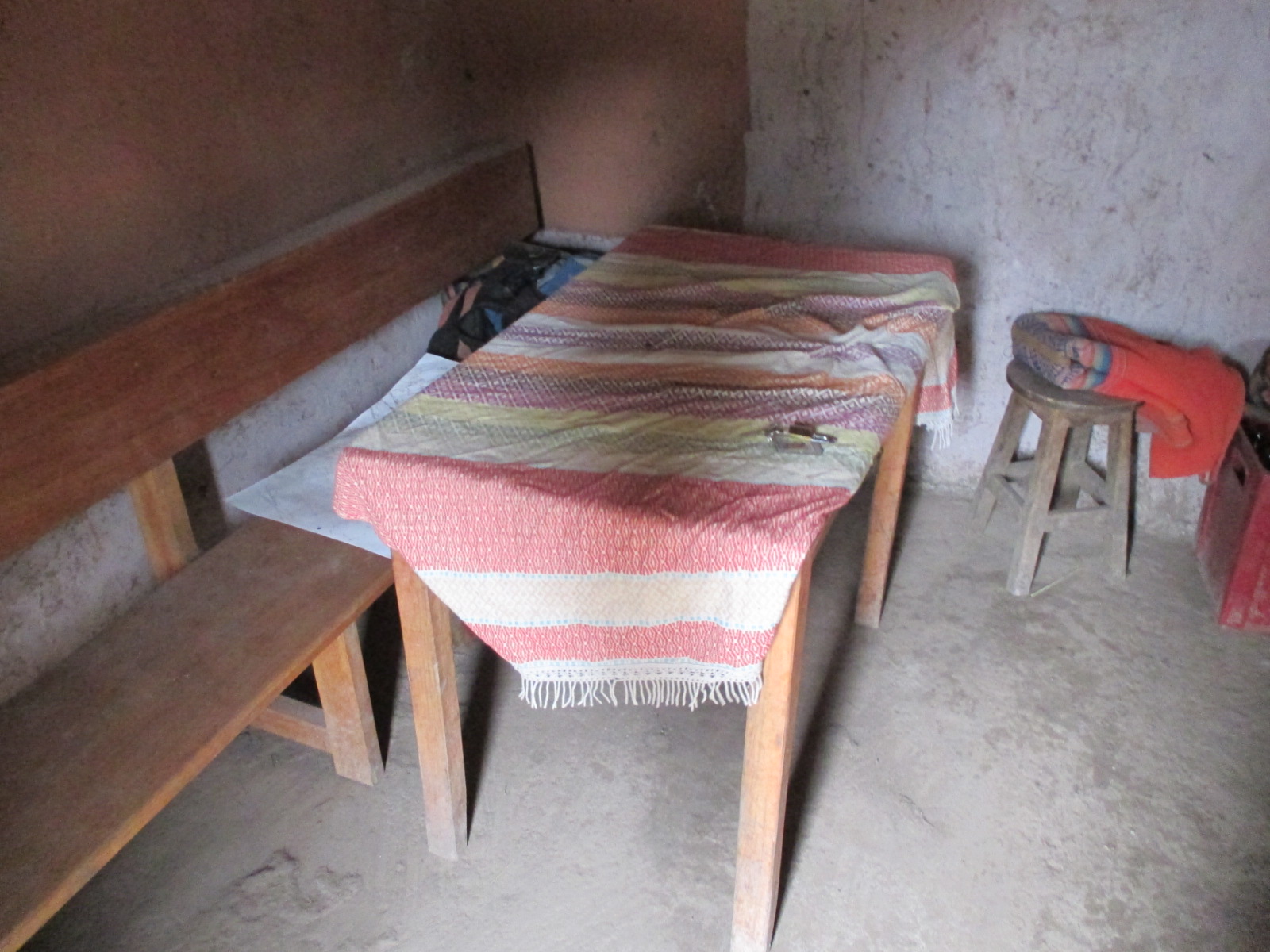
This is the house where we’ll be putting in the new stove
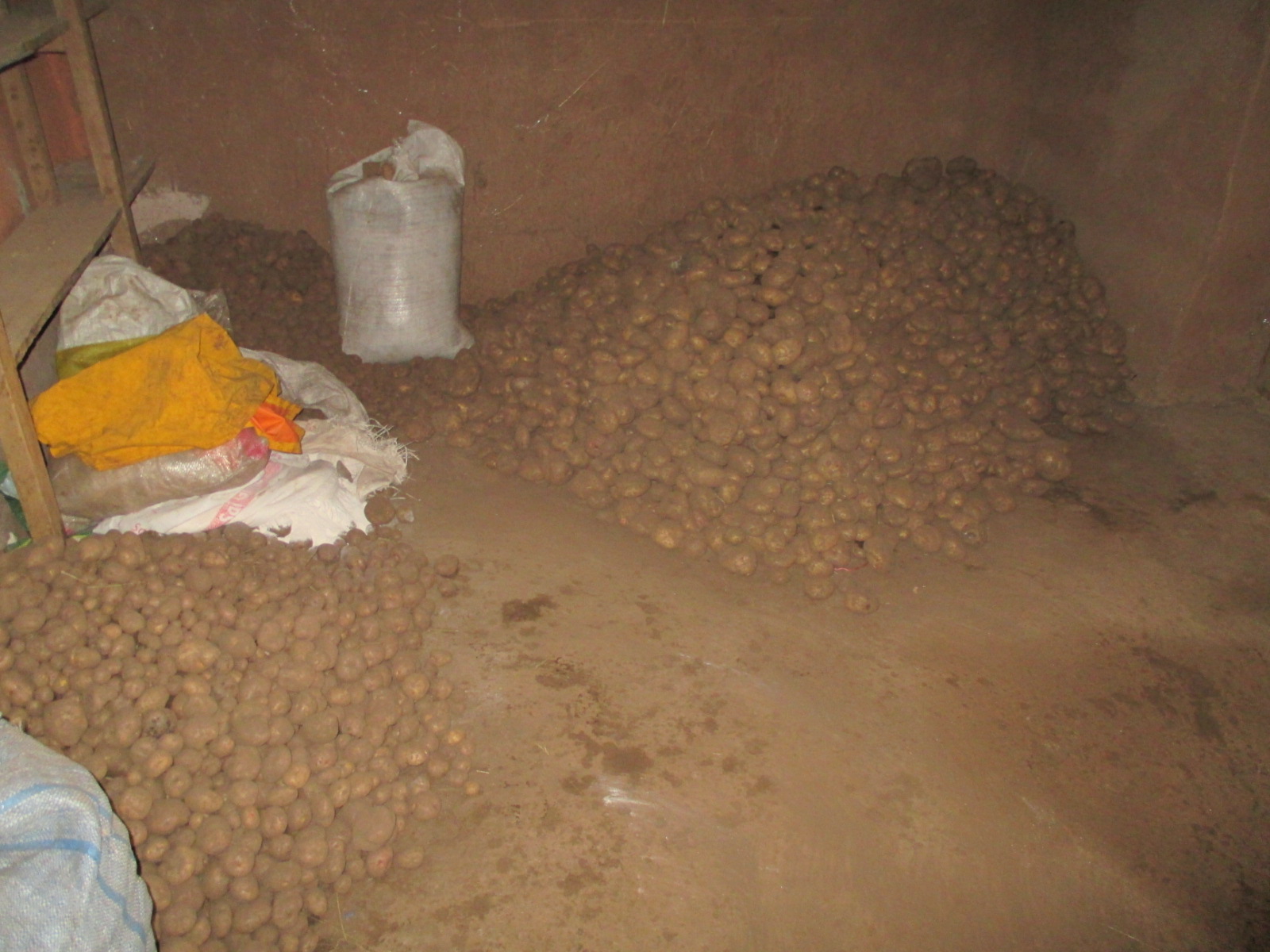
Potatoes
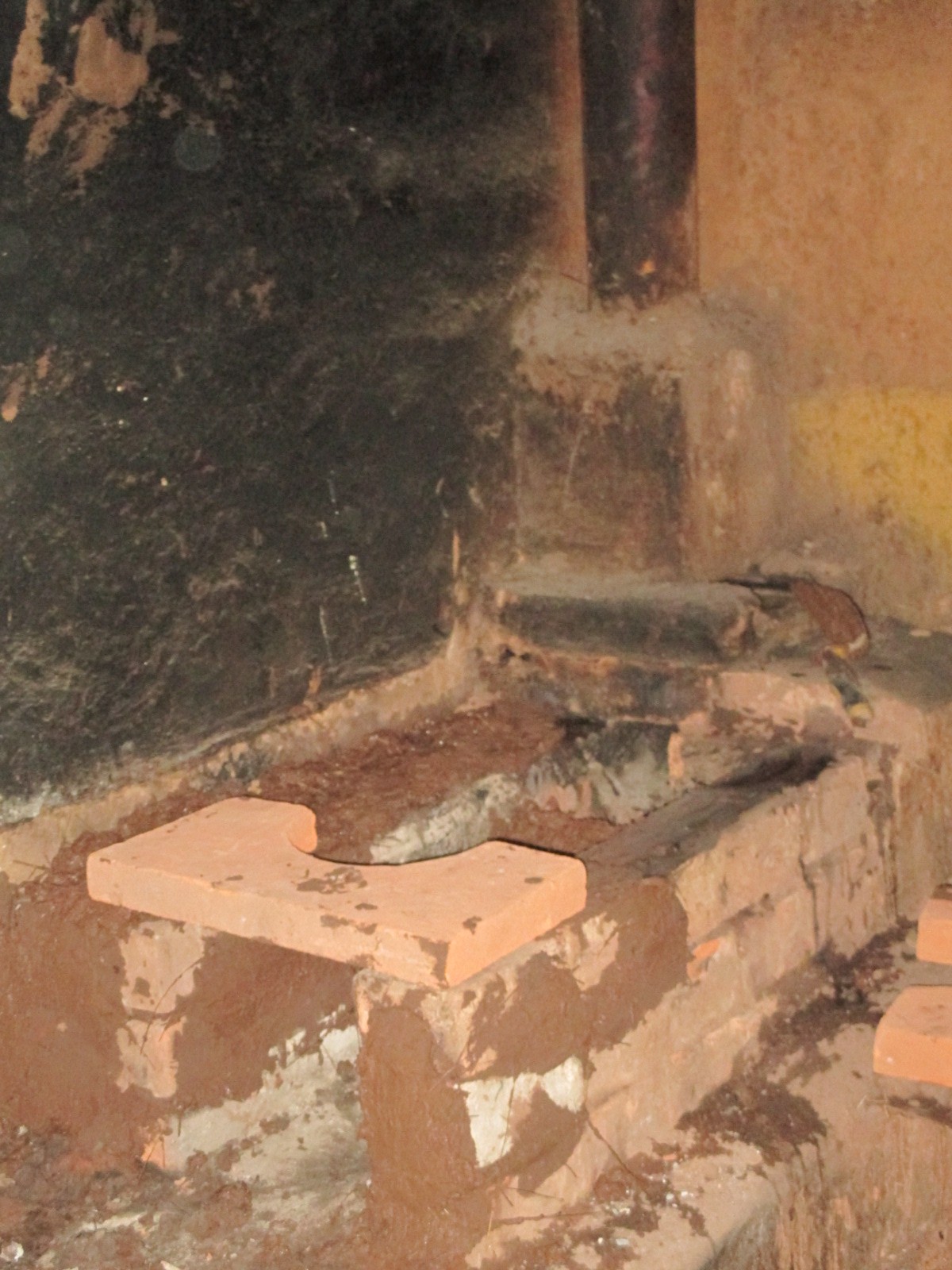
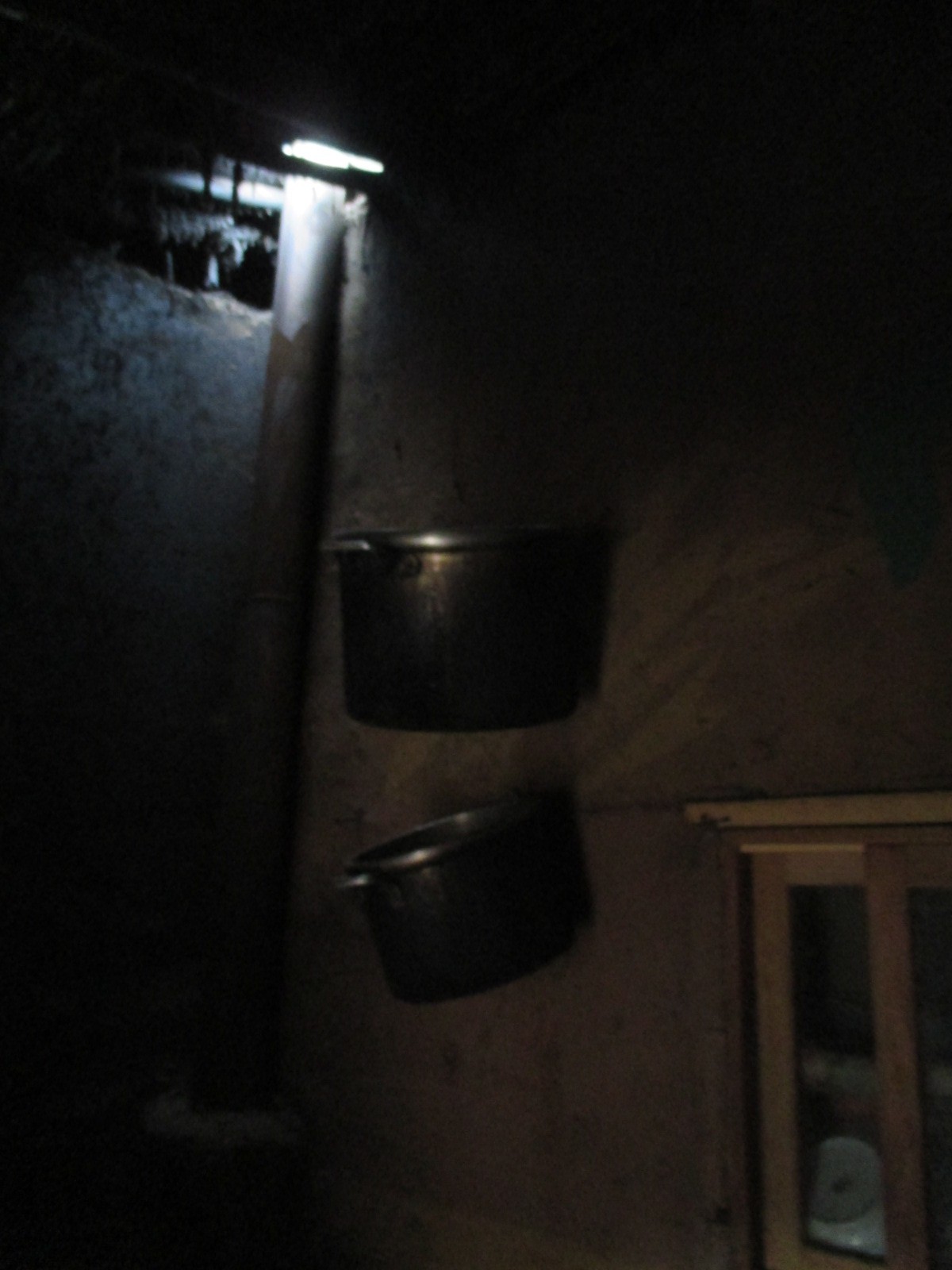
These are wood burning stoves made of ceramic brick and mud and have to be rebuilt about every three years. They have the mud and we bring the brick and some rebar from Cusco.

We cut the rebar with a hacksaw. The rebar gives the top part of the stove more support because those really big pots will be going on it
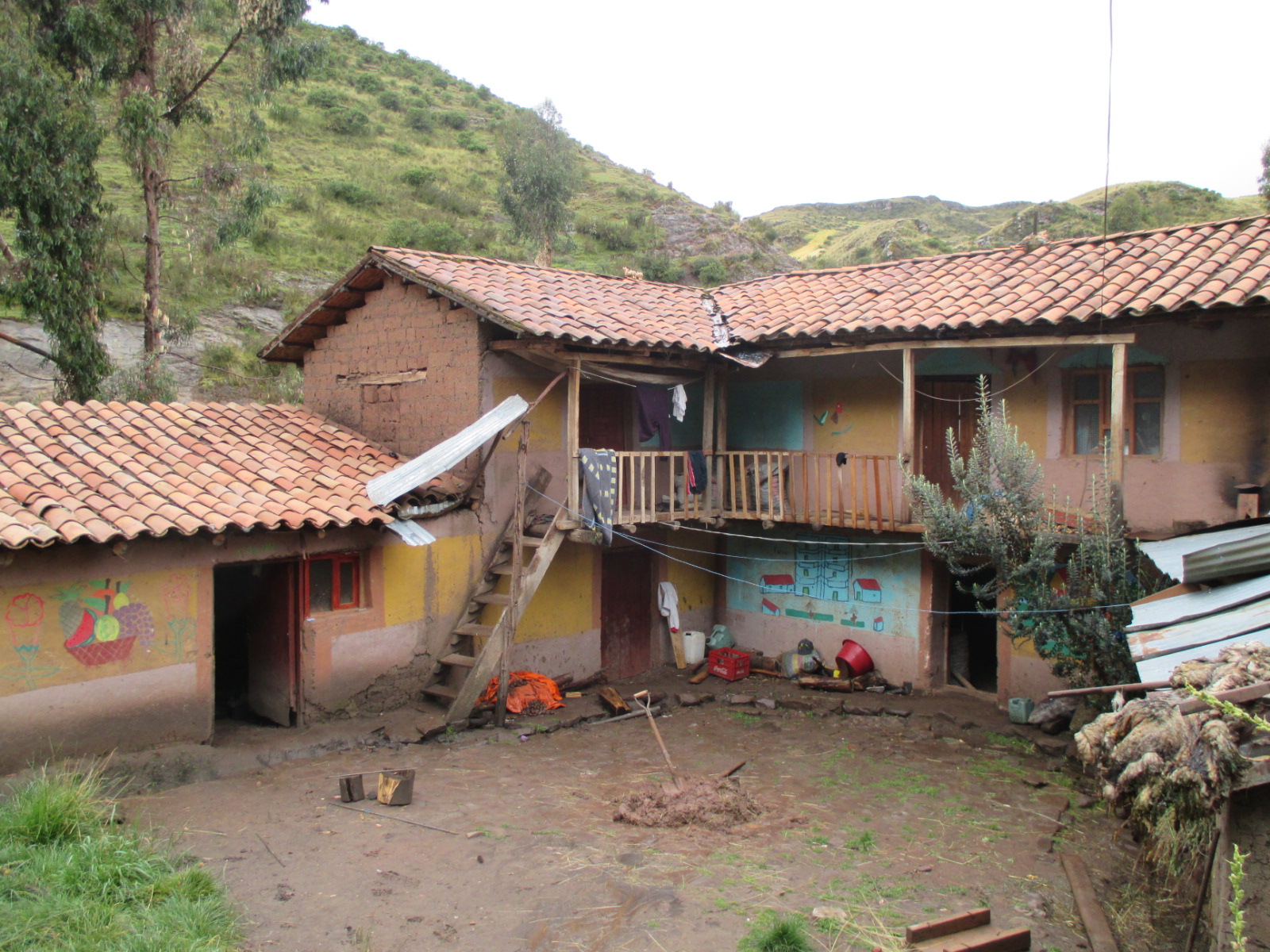
This is the back of the house and you can see the mud that Joel and I mixed for the stove on the ground with the shovel sticking out of it.
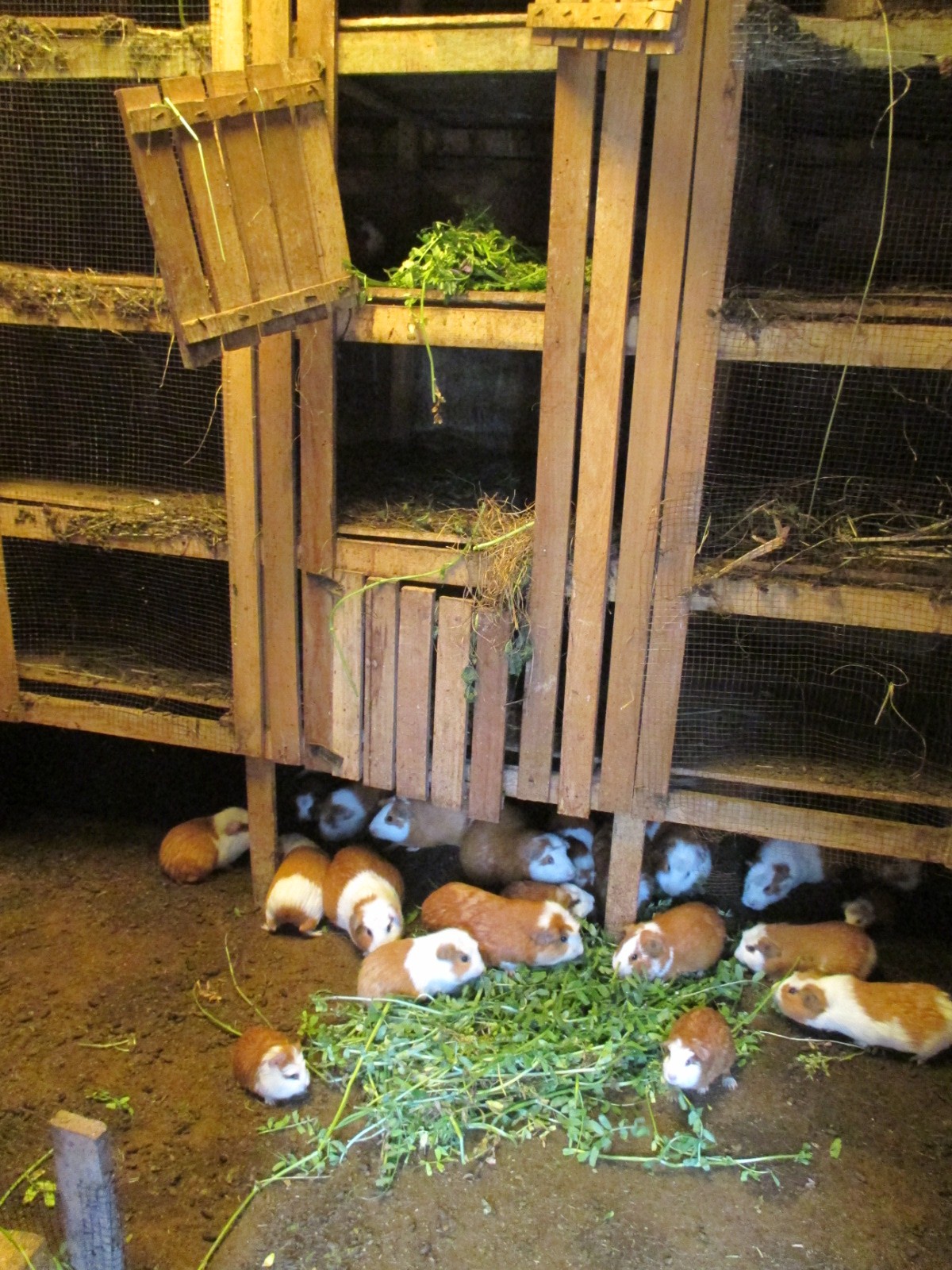
We heard this peeping sound and they showed us the room where they breed the guinea pigs. Called quwi in quechua, guinea pigs are a main part of the diet here.
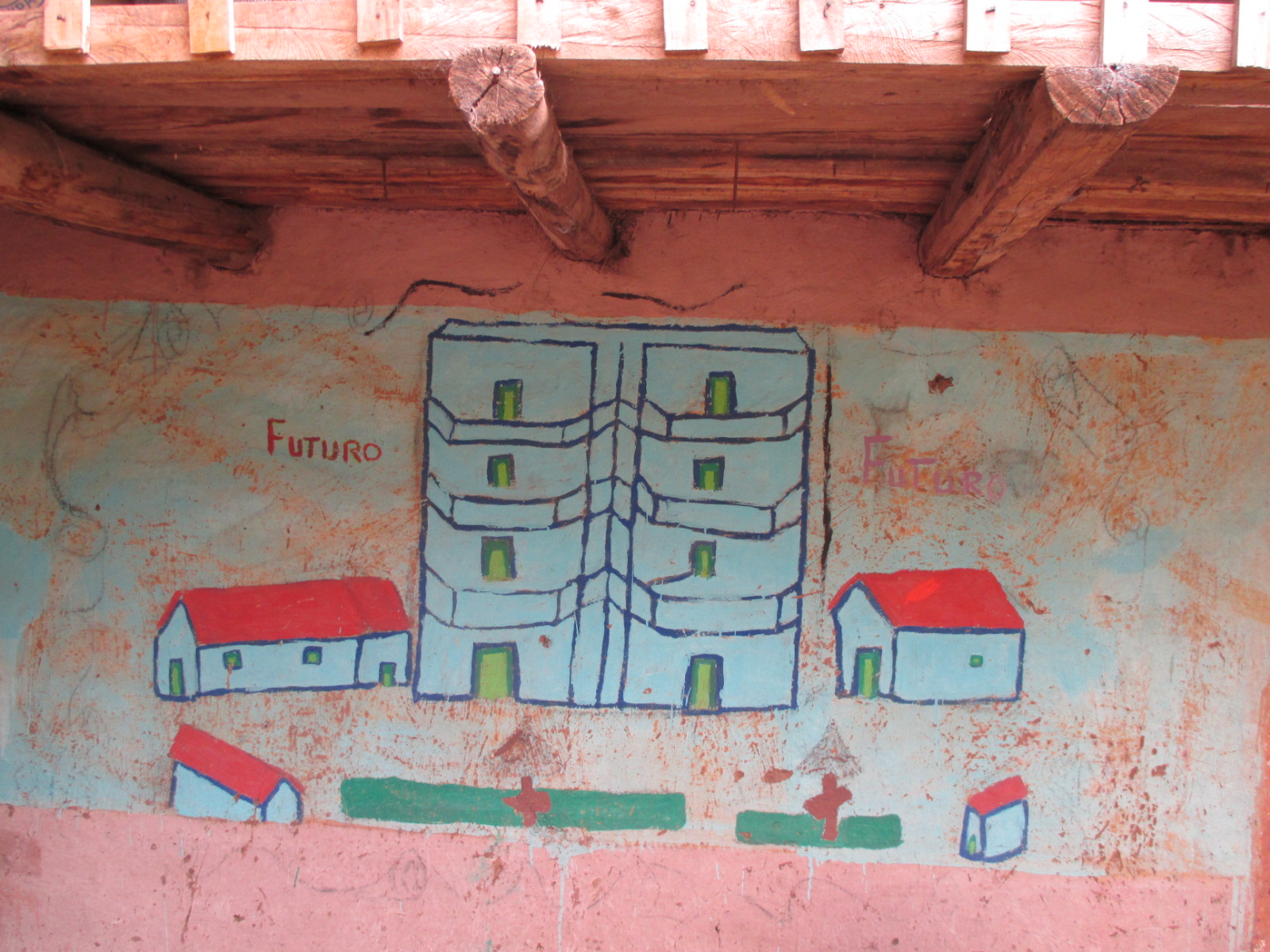
You see murals painted on a lot of houses here. Notice the word “futuro” on the left. It’s like a dream of what their village could be someday
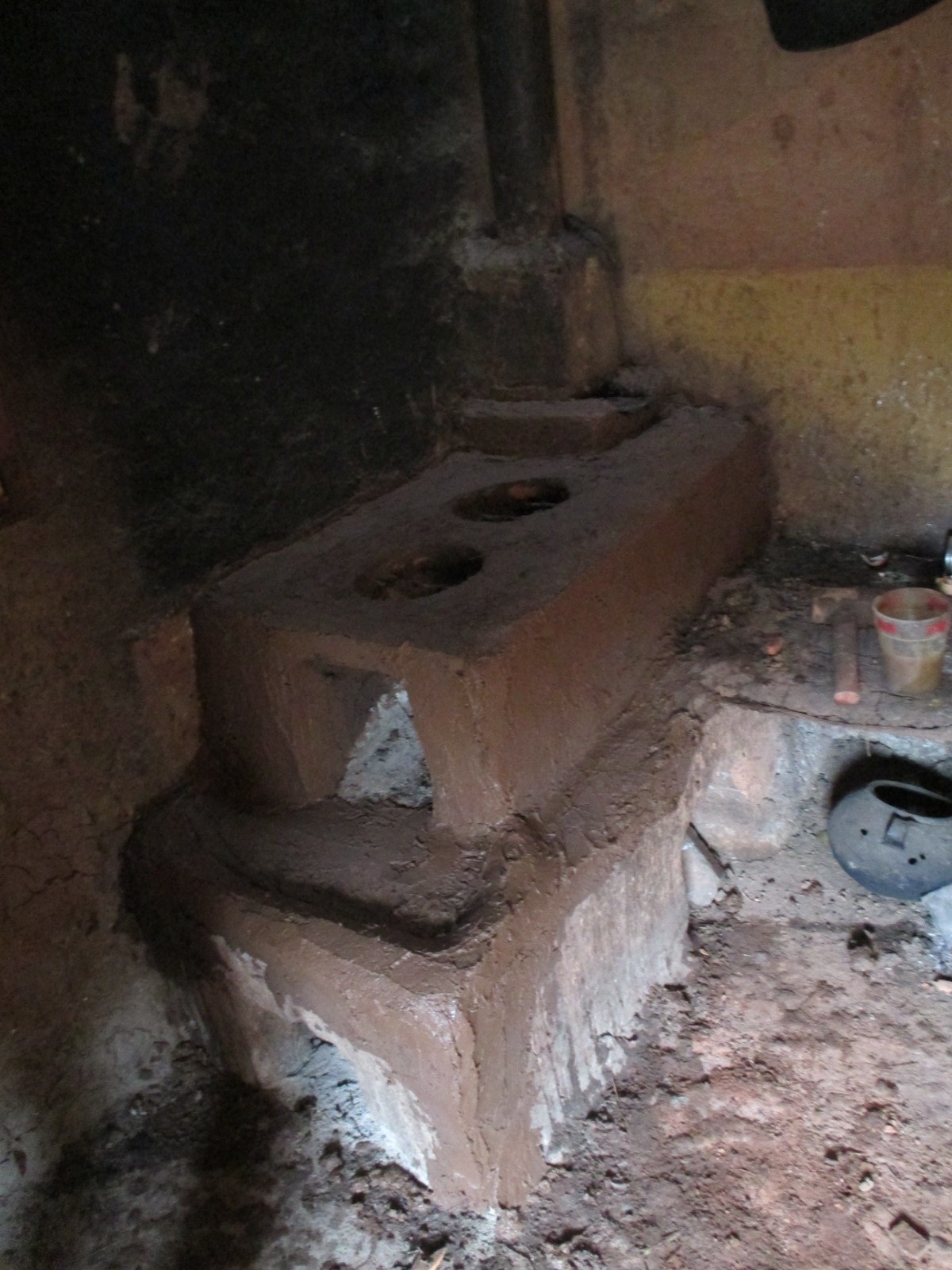
The finished stove!
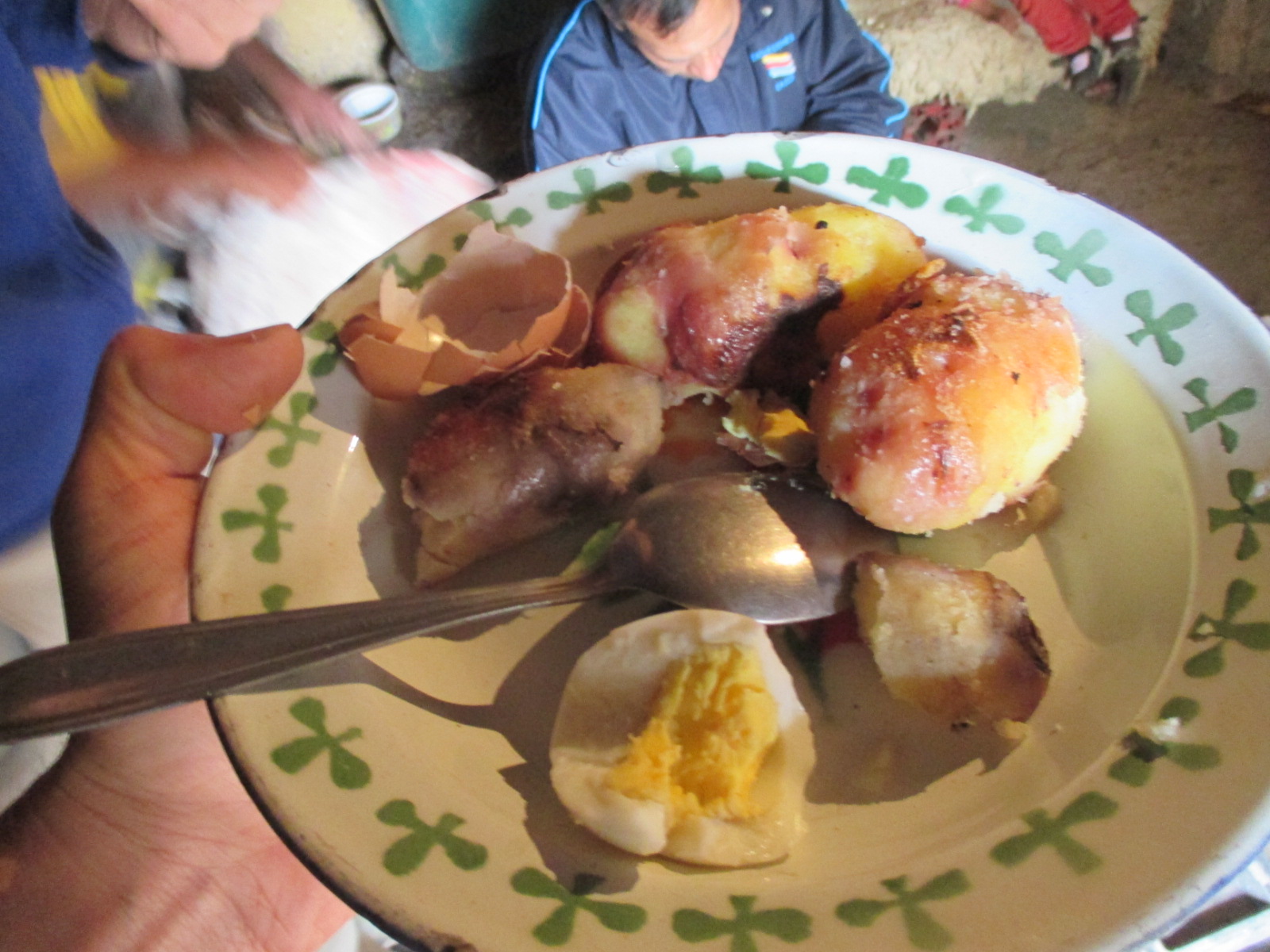
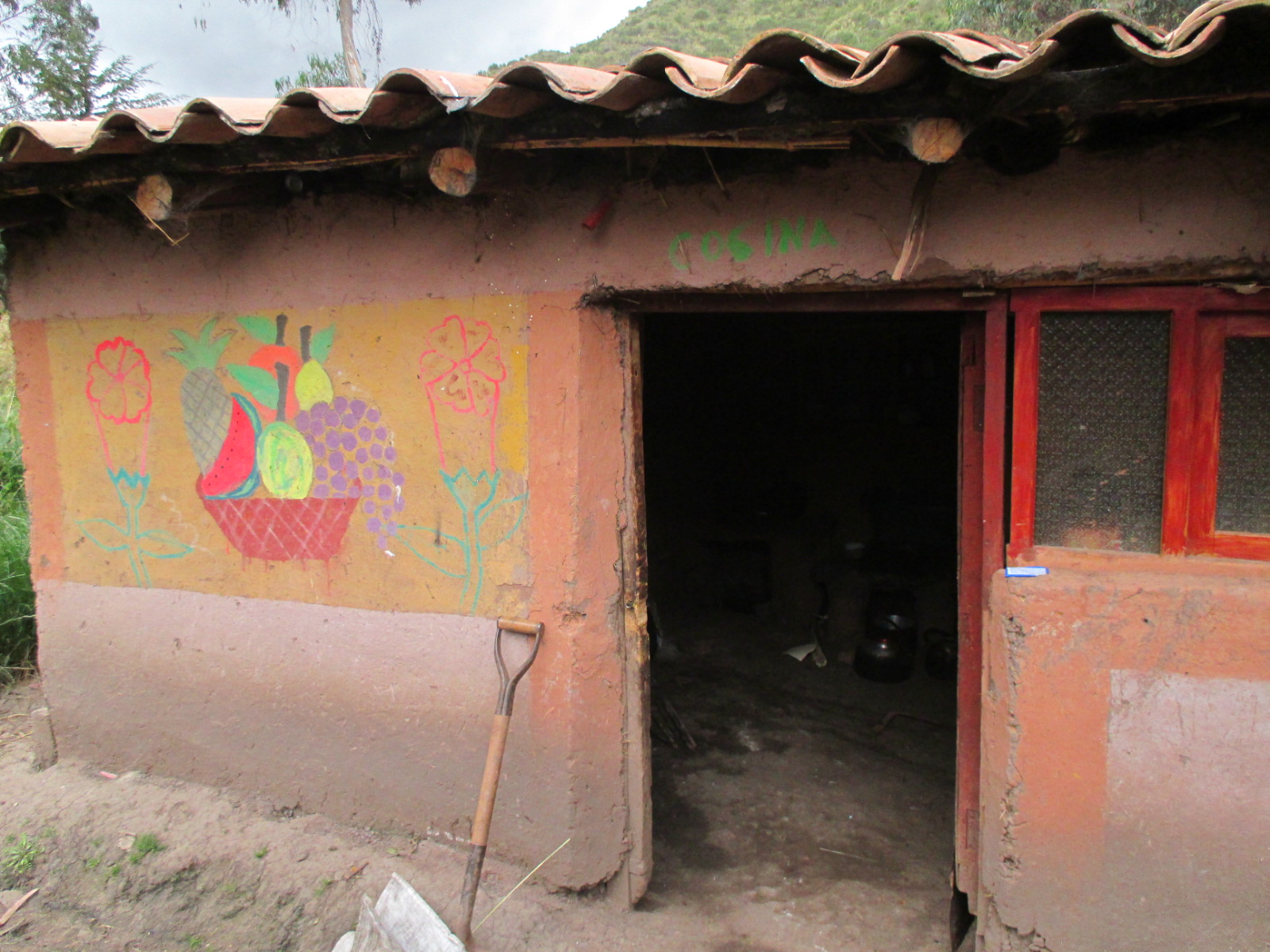
The daughter of the house was very thankful for her new stove and she made us some potatoes and one boiled egg each. She peeled the potatoes with her hands (no knife or peeler), boiled them, then lightly grilled them in a pan with a little salt so they had this crispy outside. She made us tea as well with some wild harvested herbs. A thunderstorm crashed through while we ate beneath the ceramic tiled roof. I honestly felt like I was dreaming
 Cantar Perú