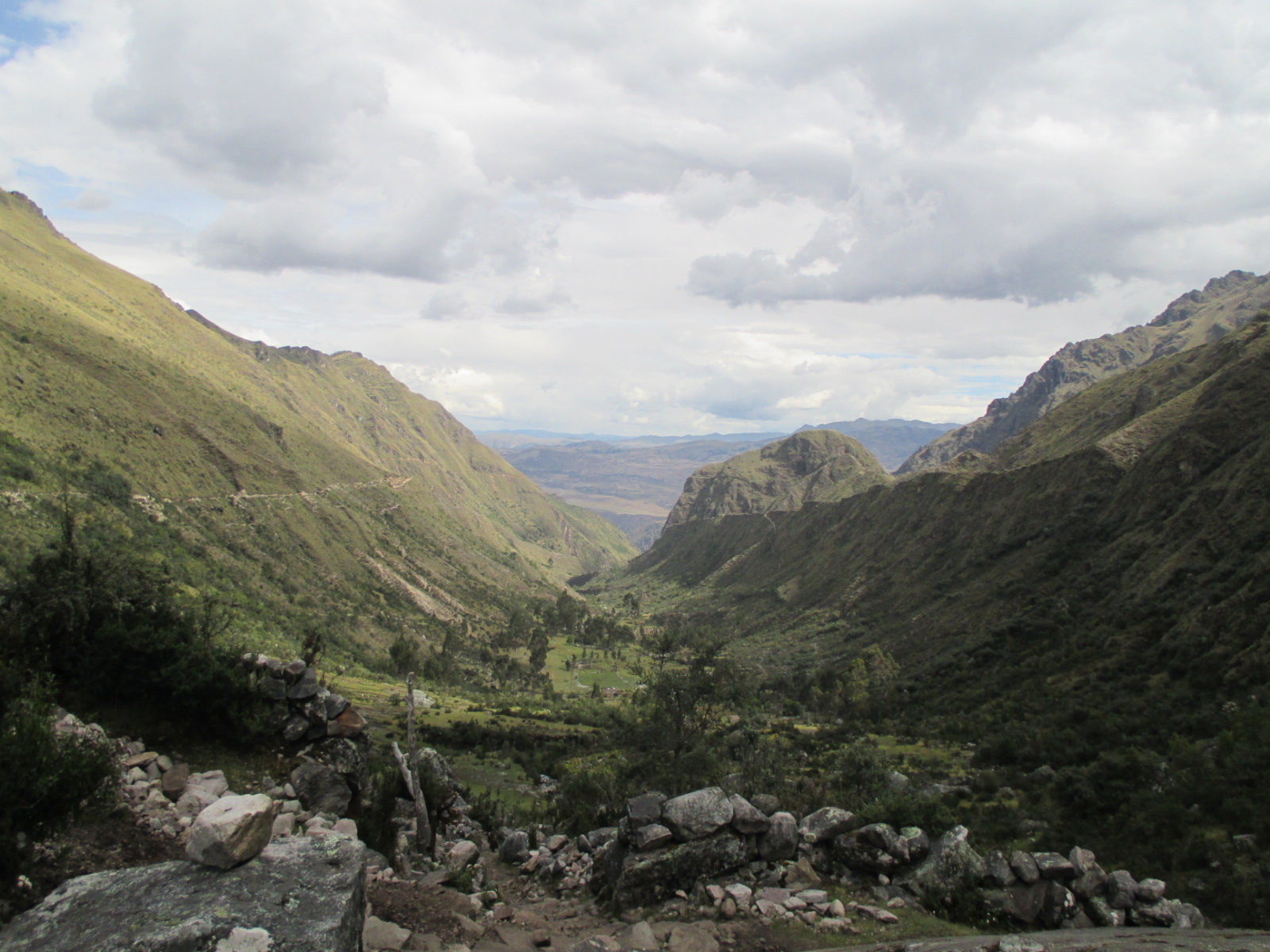
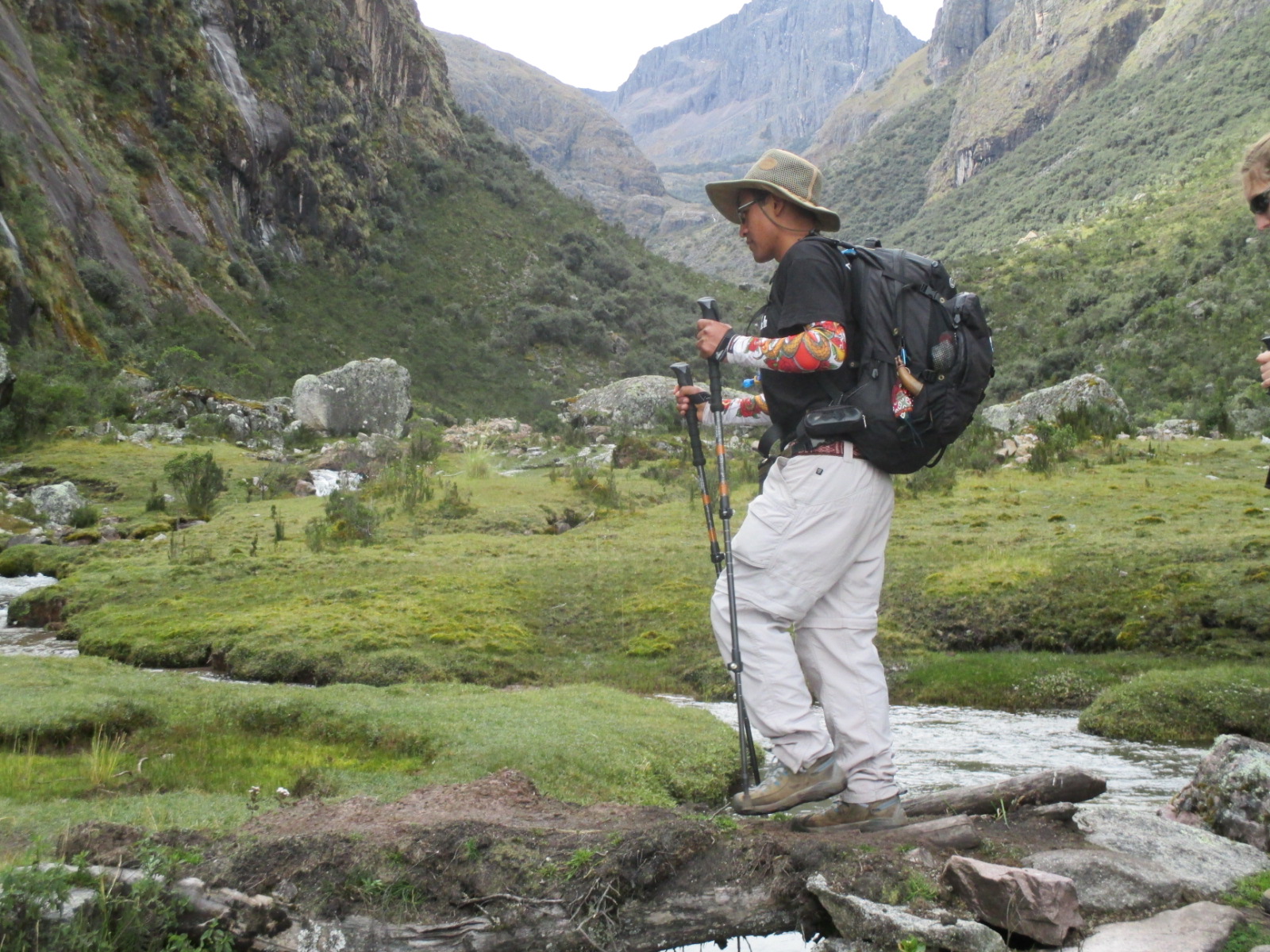
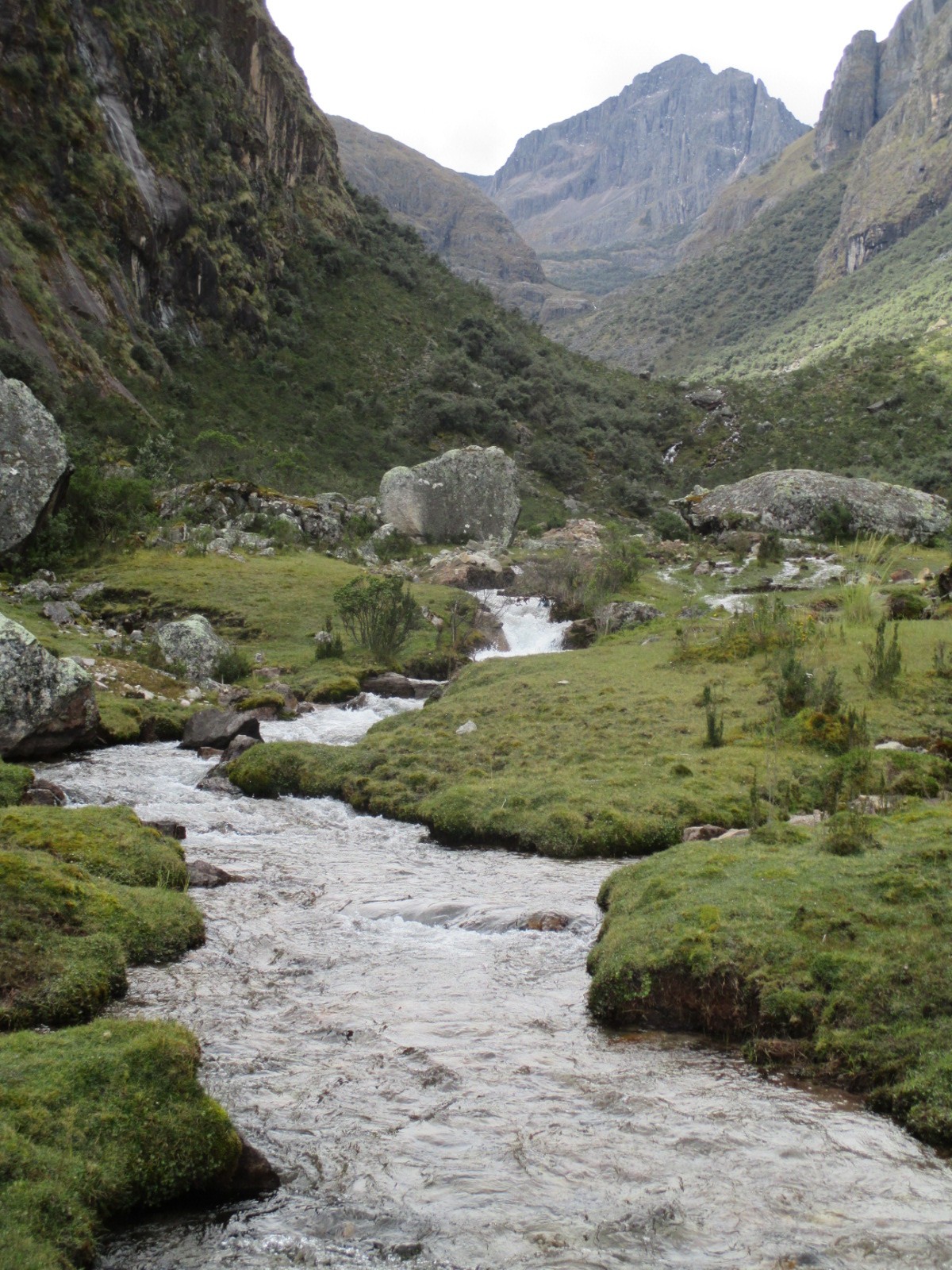
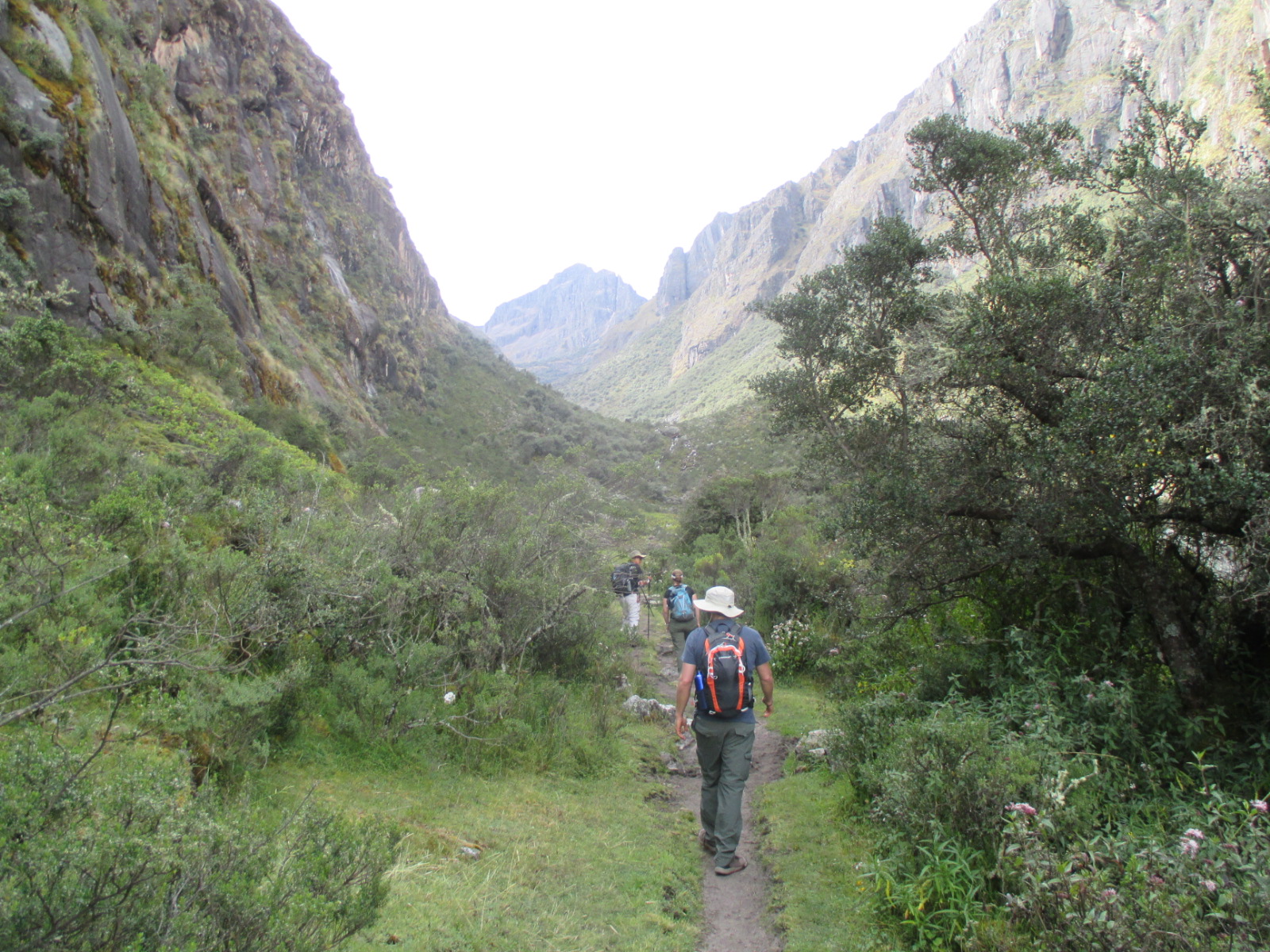
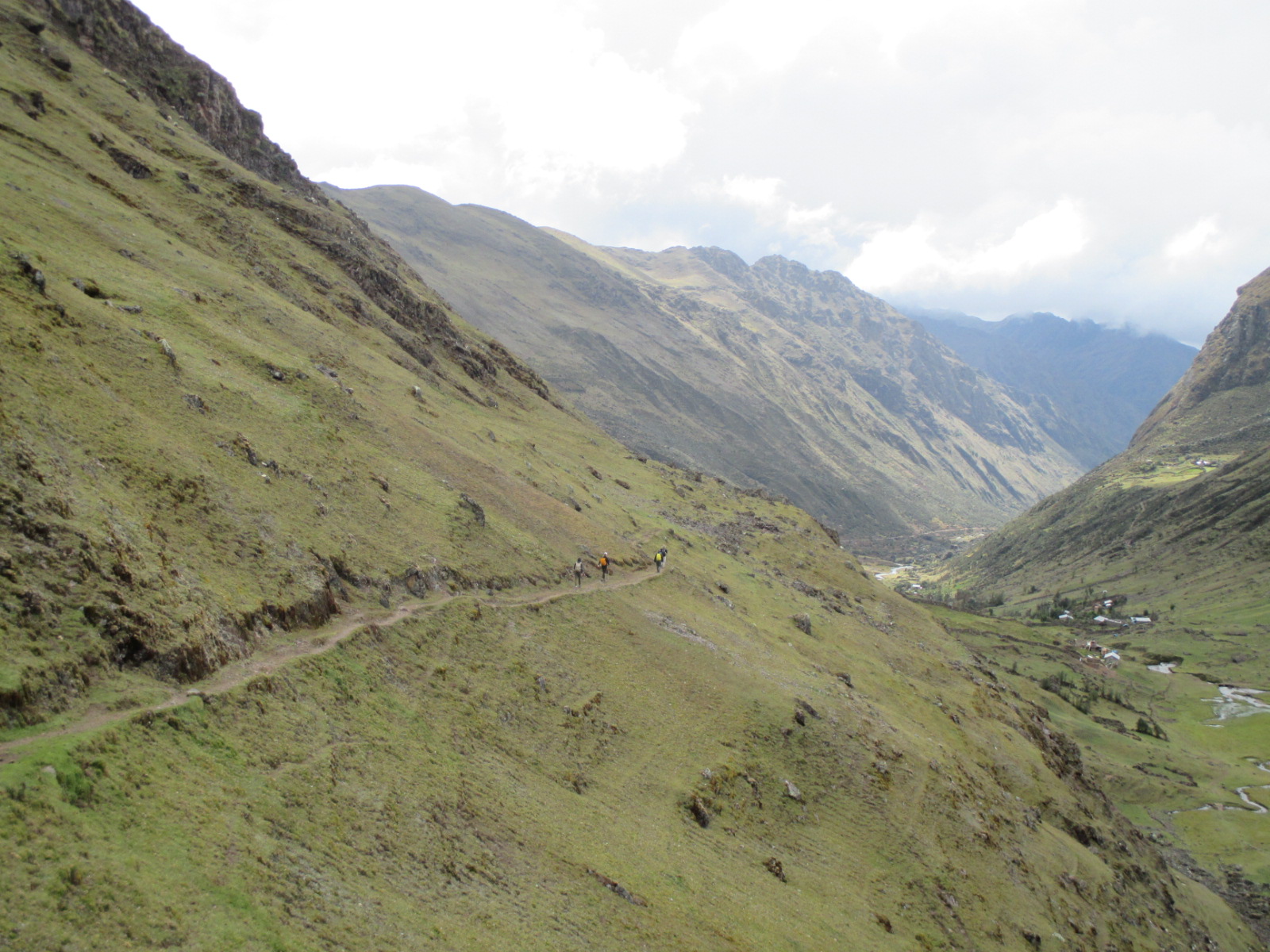
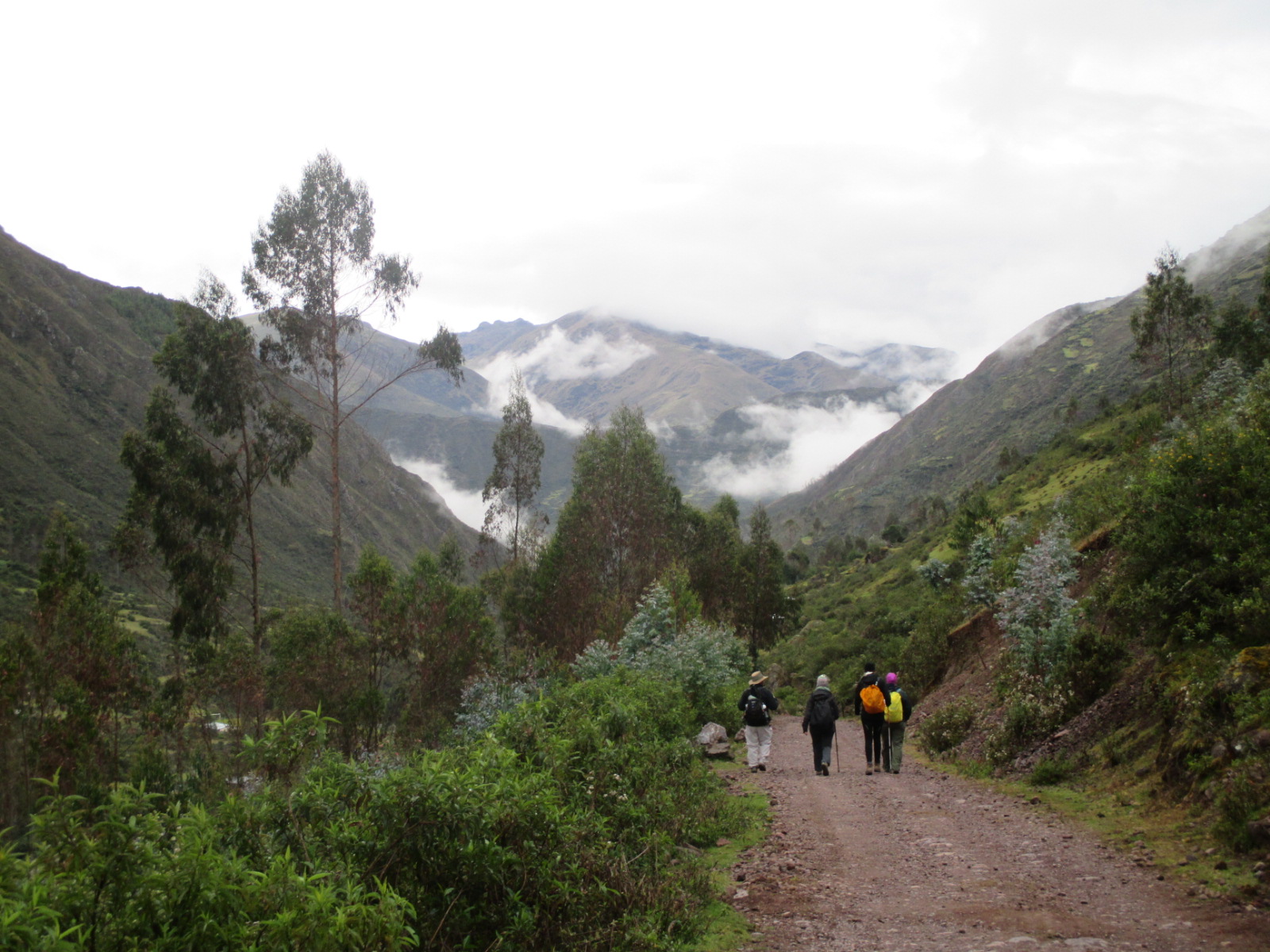
The hills are alive with the sound of Llamas! For a day and a half, we hiked almost 20 miles from 10,330 feet to 15,850 feet. Then another day hiking back down. We got there together. We helped each other. We witnessed incredible beauty.
When I first saw pictures of the Andes mountains and Machu Picchu in a textbook as a kid, I knew I had to go there someday. Thirty-something years later that someday has come. It’s hard to describe with pictures and words. Like those textbook photos, the stunning magnificence of it can only be hinted at.
Our guide, Santiago, was amazing. Throughout the trek, he told us about the Inca, the Andean people, and the Spanish Invasion. He made the connections with Pachamama (mother earth) and the “New God” (Jesus). He taught us the importance of the coca leaf in the history of his people. He revealed the philosophy of the Inca cross.
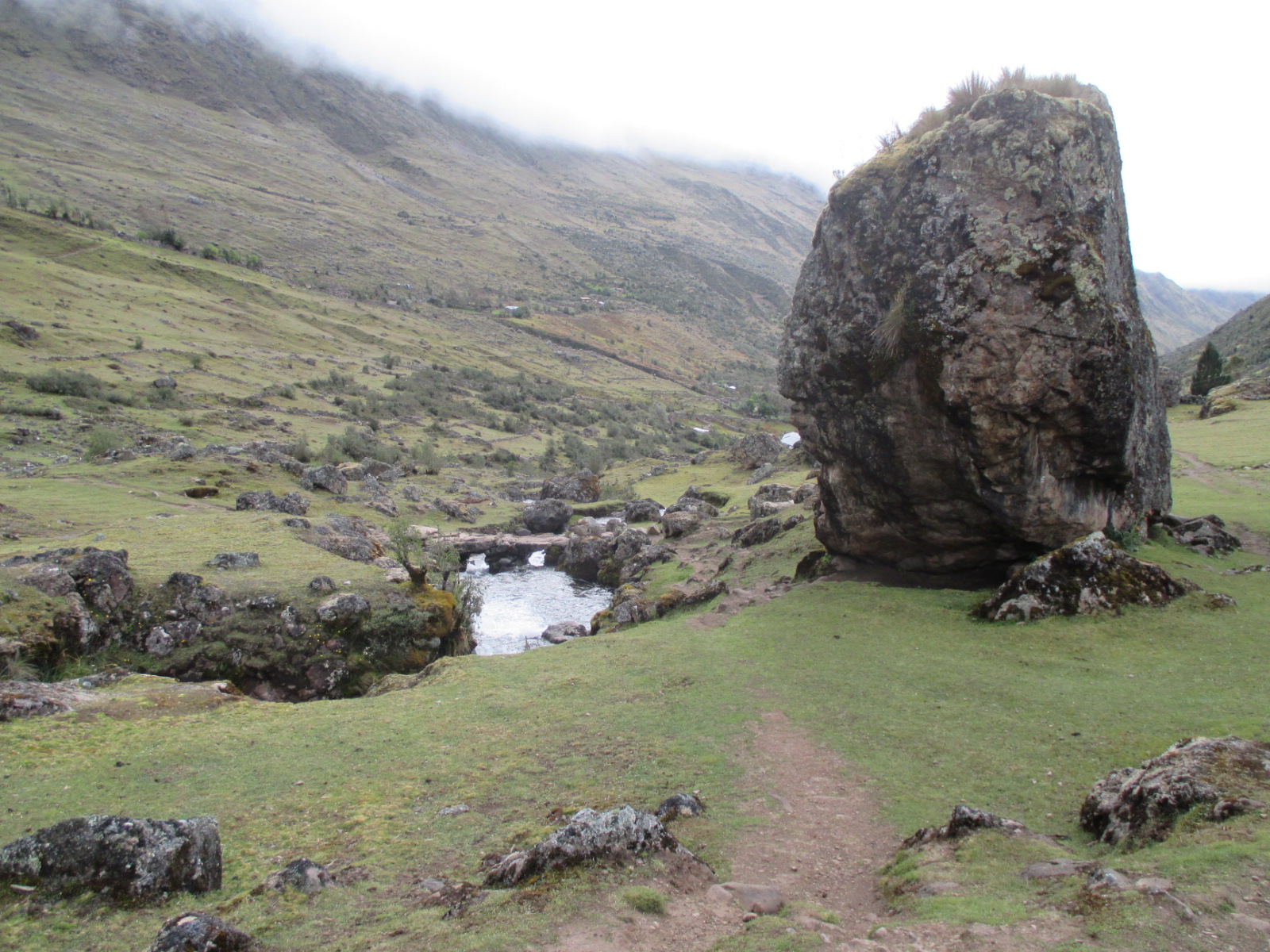
Hiking in the Andes is not like hiking in the white mountains or most other places in the states and not something you should do on your own. There’s no painted trail markers or signs or free maps at the trailhead. No huts, no rangers and nobody who’s going to come to get you if something goes wrong. Trails regularly fork in different directions and one can easily get lost without a guide. People live in these mountains too and not all of them are friendly, we are told, to foreigners wandering into their space. We had to get permission from a farmer who only speaks Quechua to cross his land on the first part of the trek. Then we didn’t see another soul for a day and a half. The organization I did the trek with is called llama path. There’s the link if you want to check them out. They were amazing.
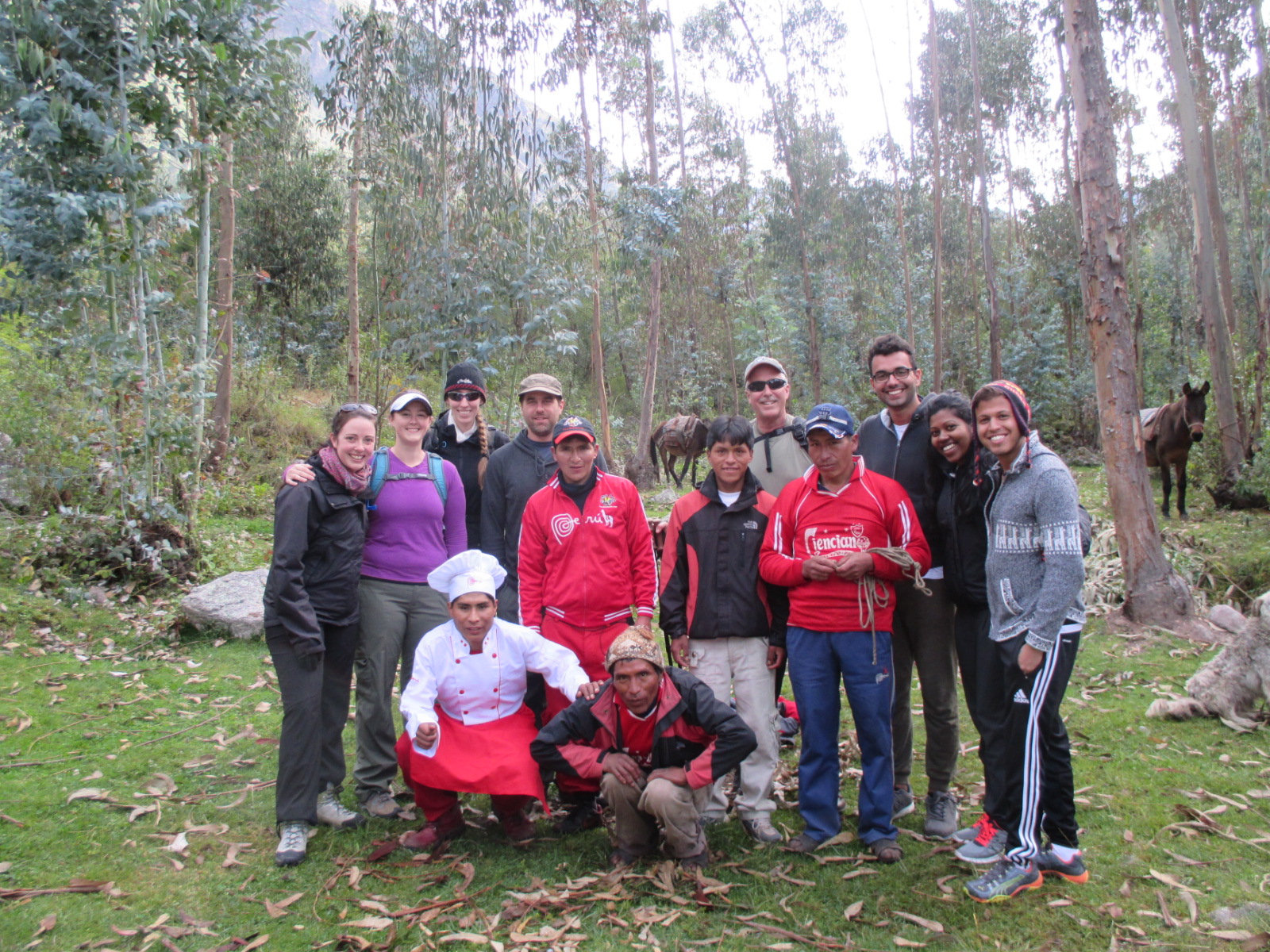
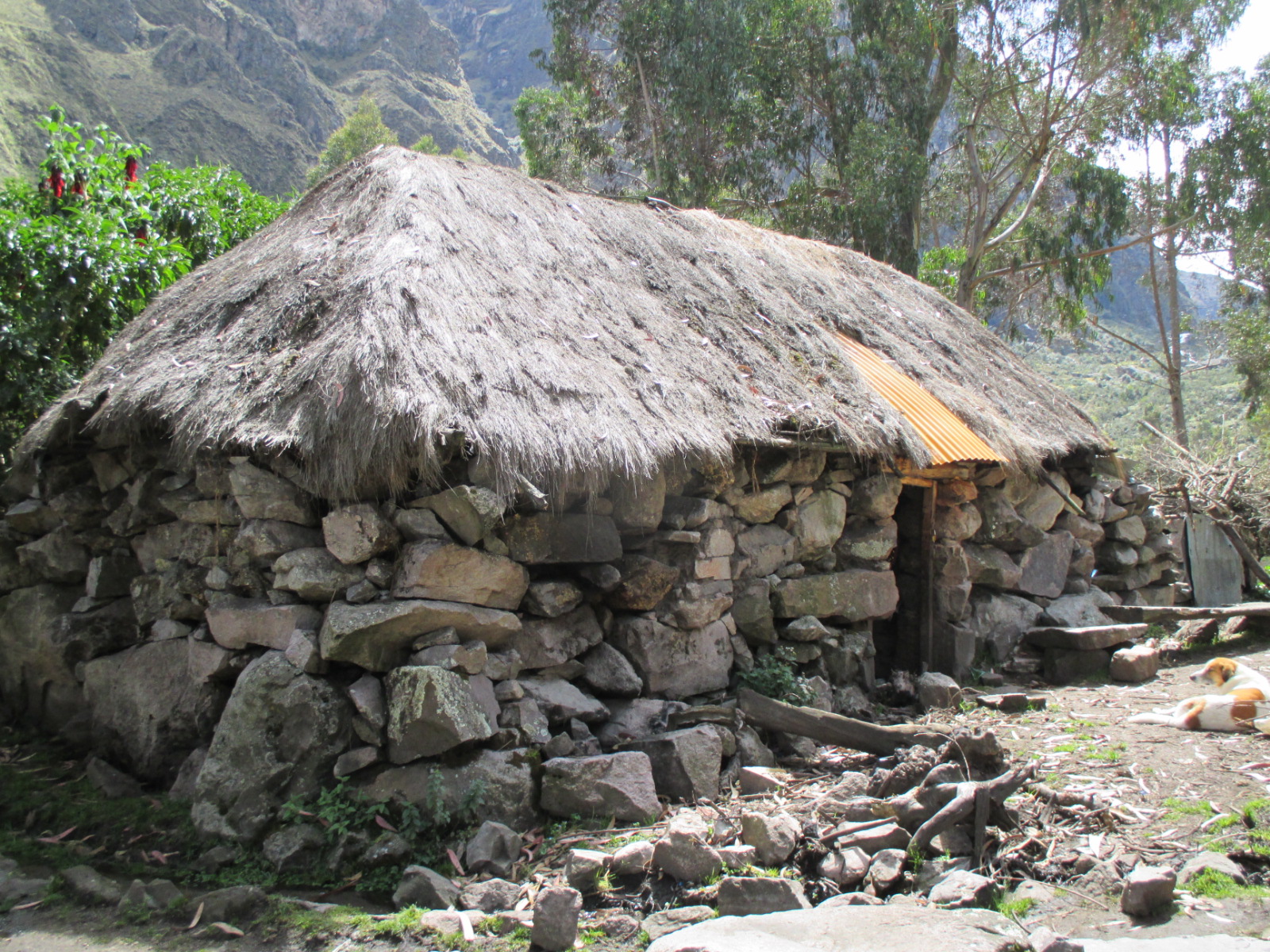
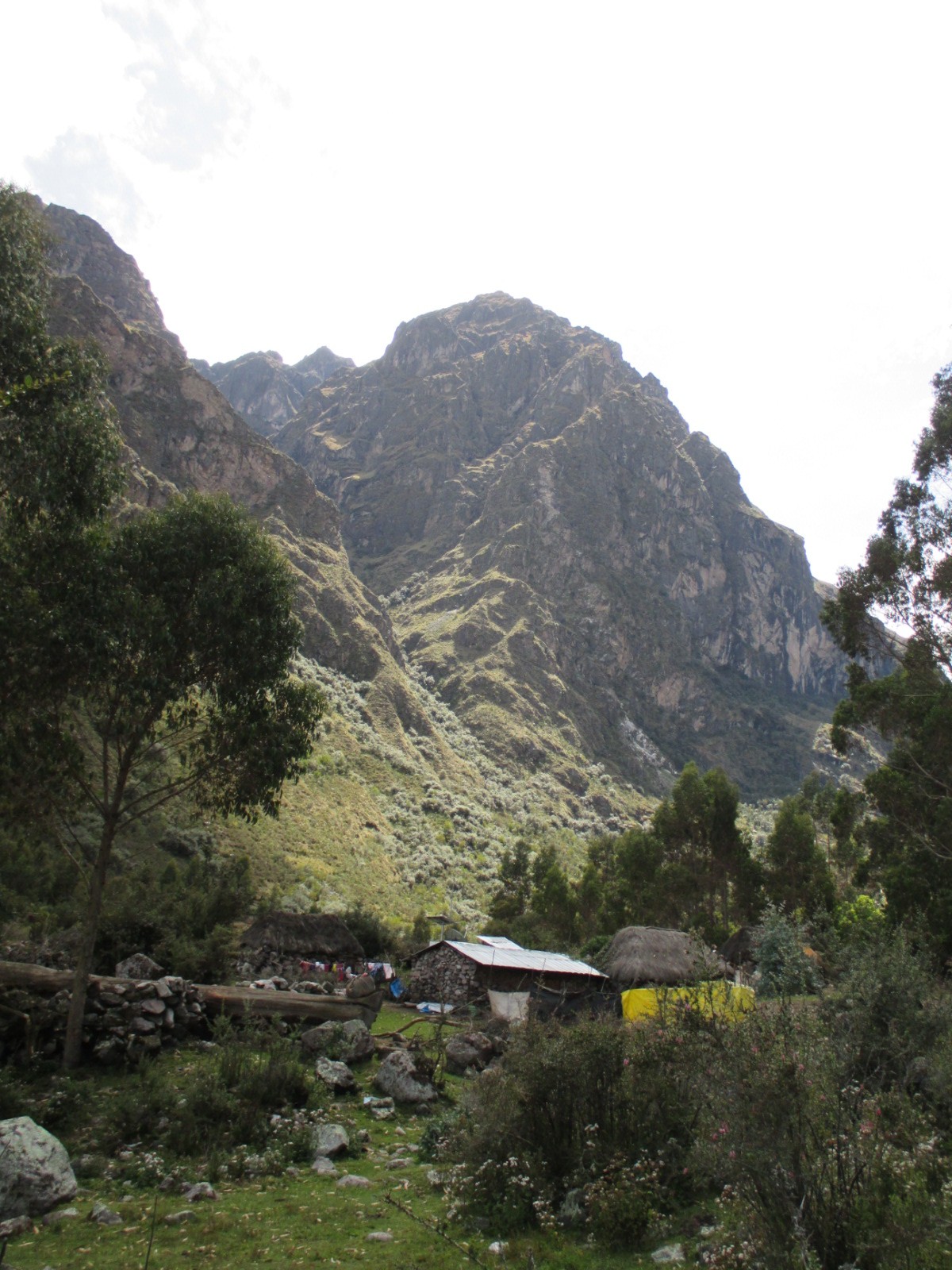
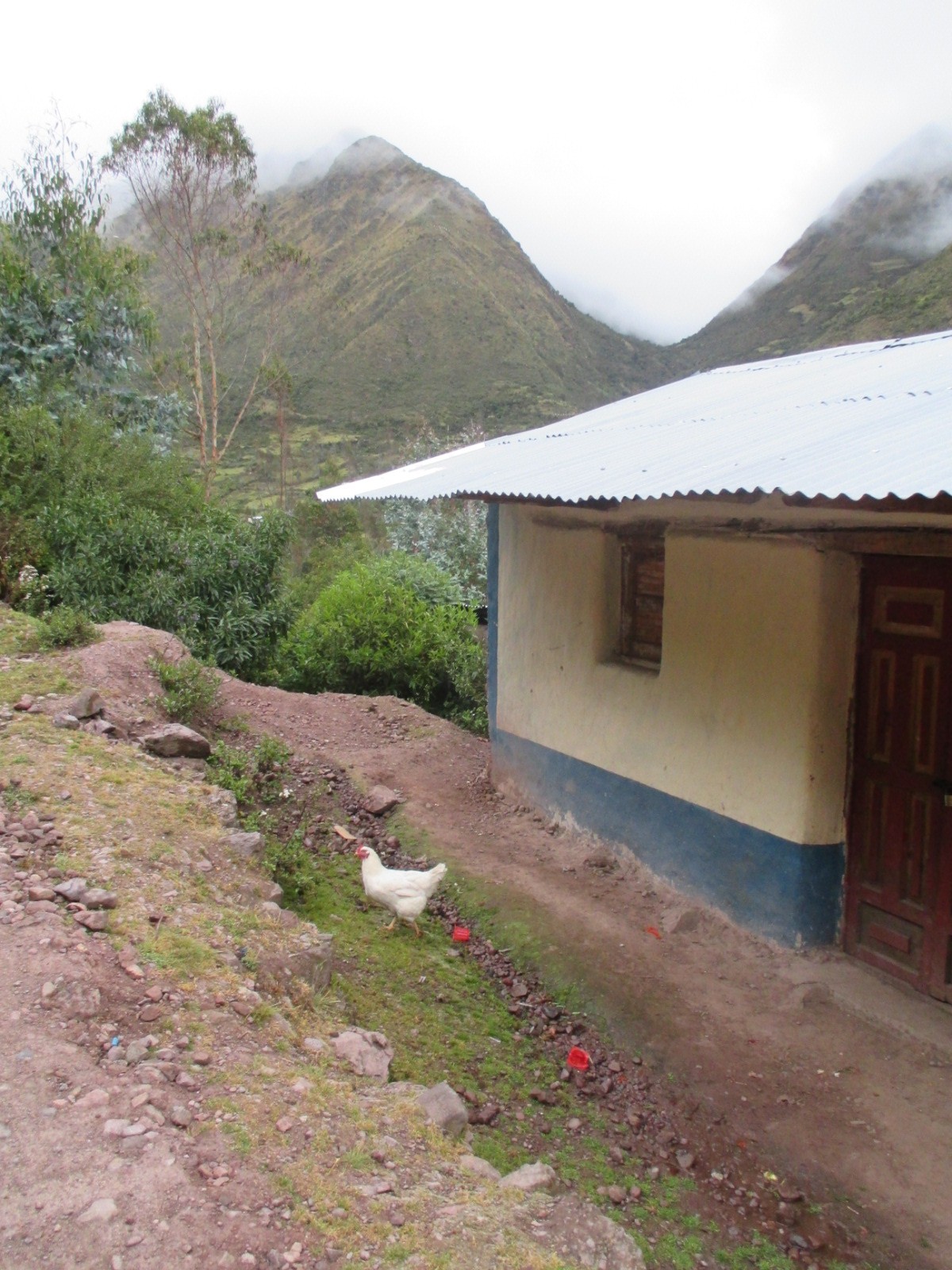
The beginning at 10330 feet in Pumahuanca
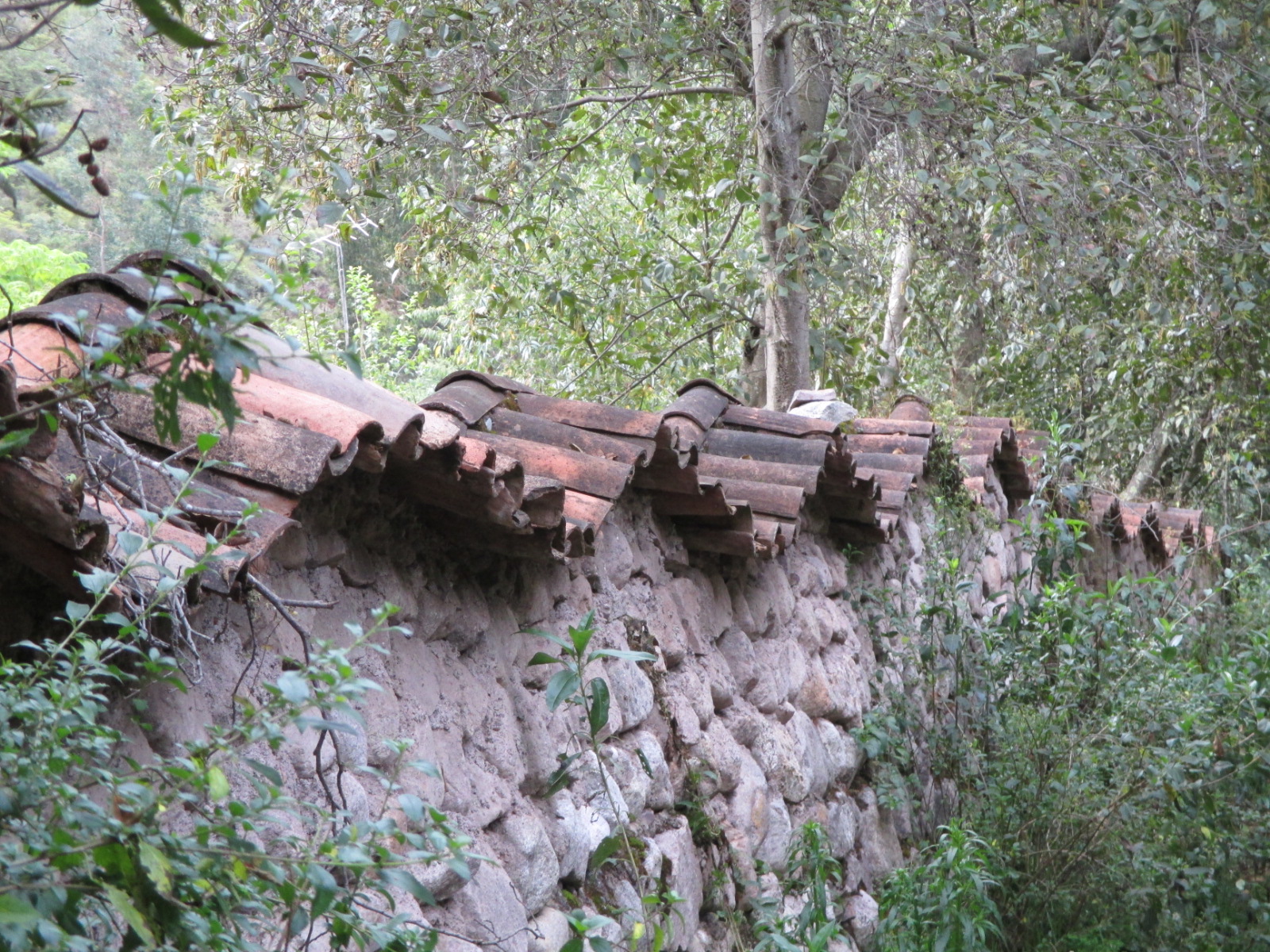
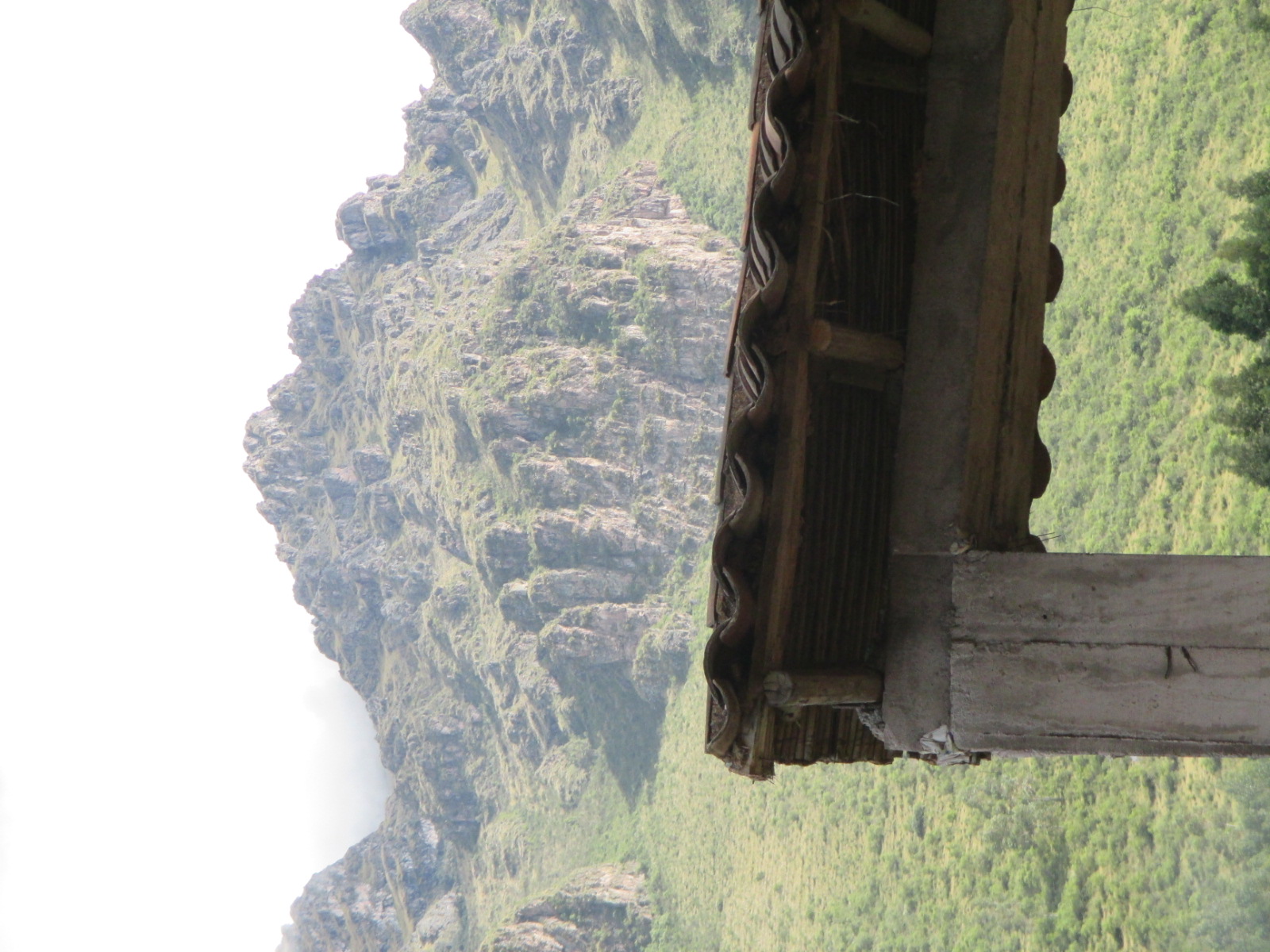
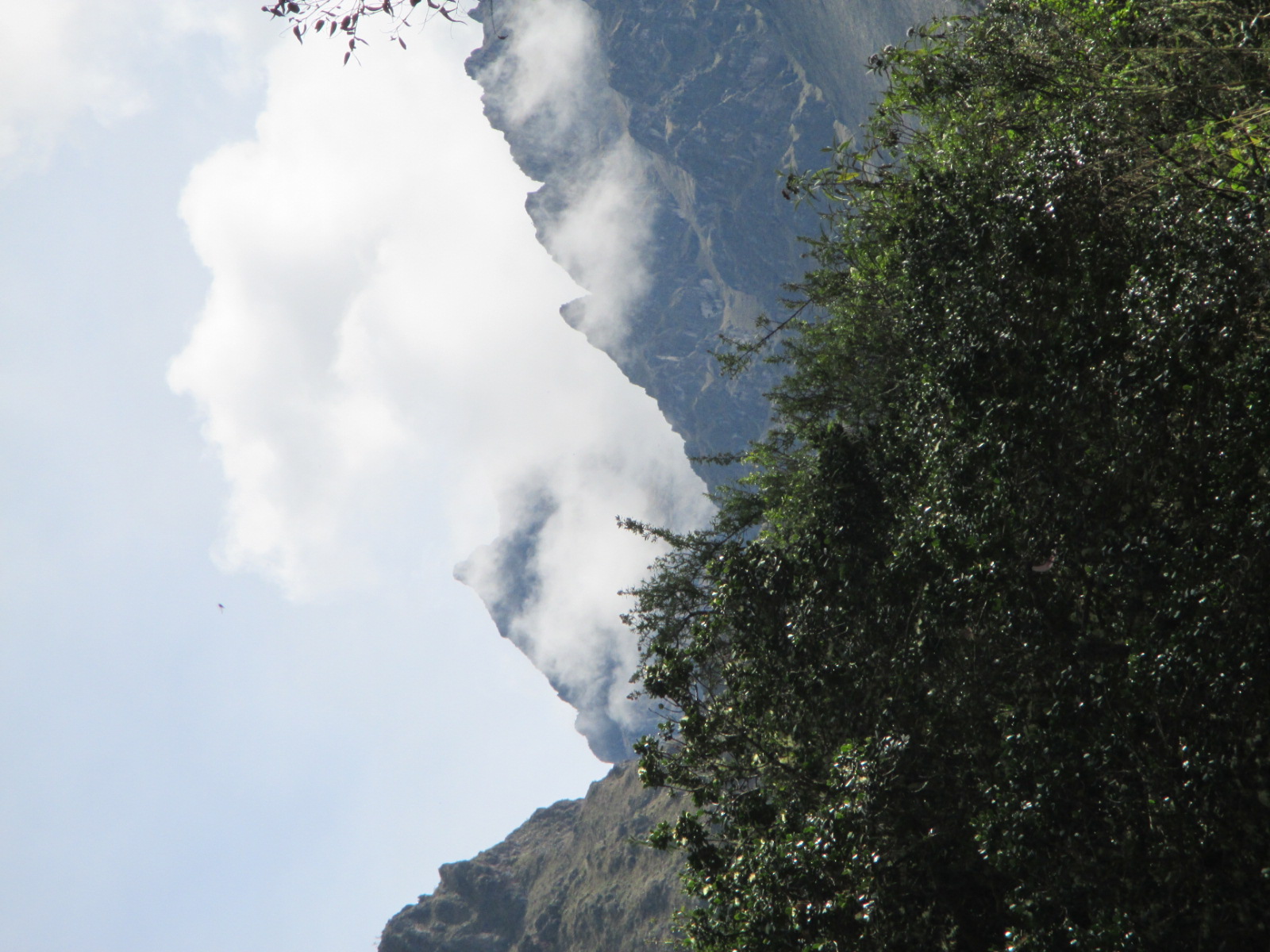
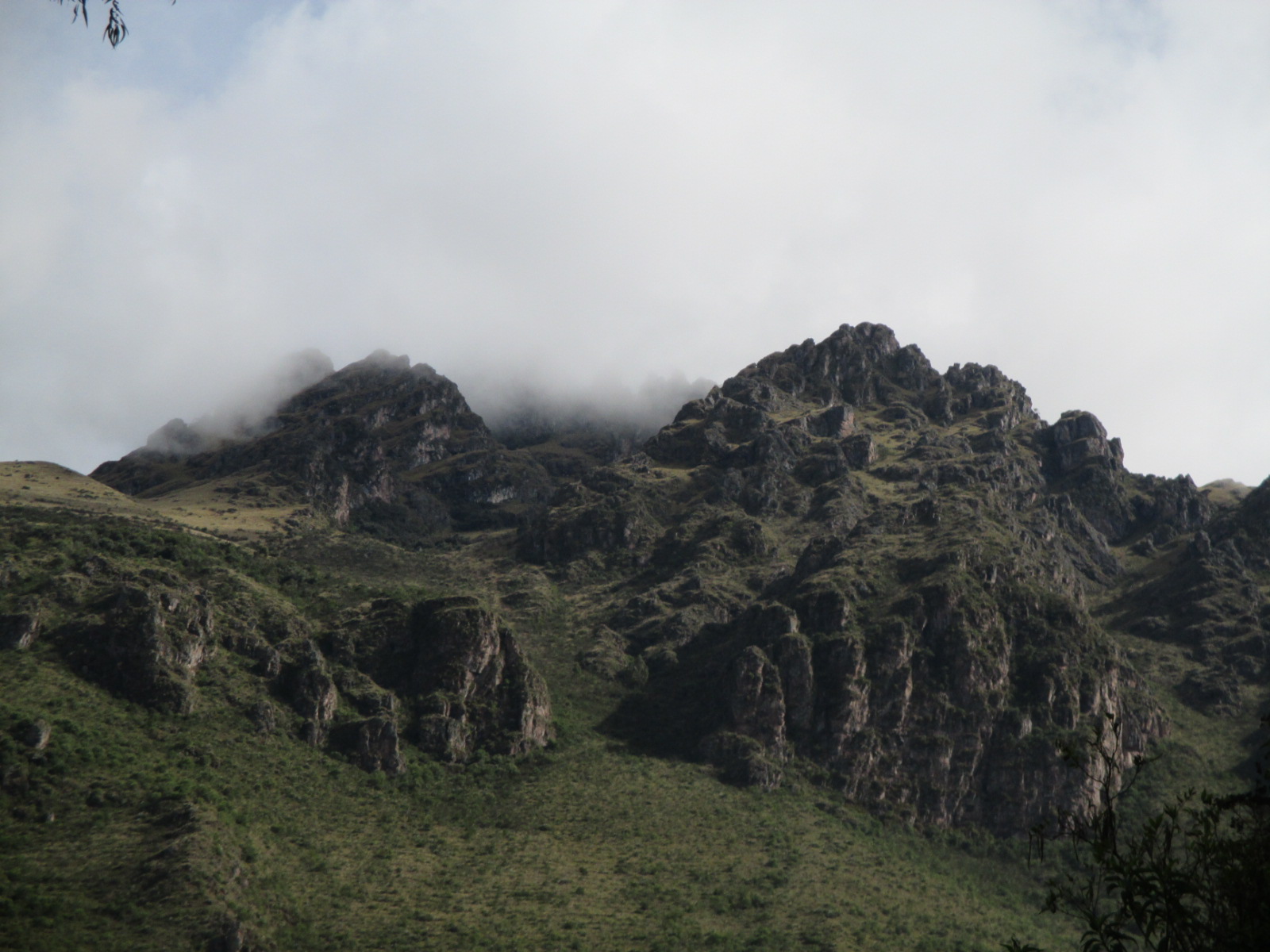

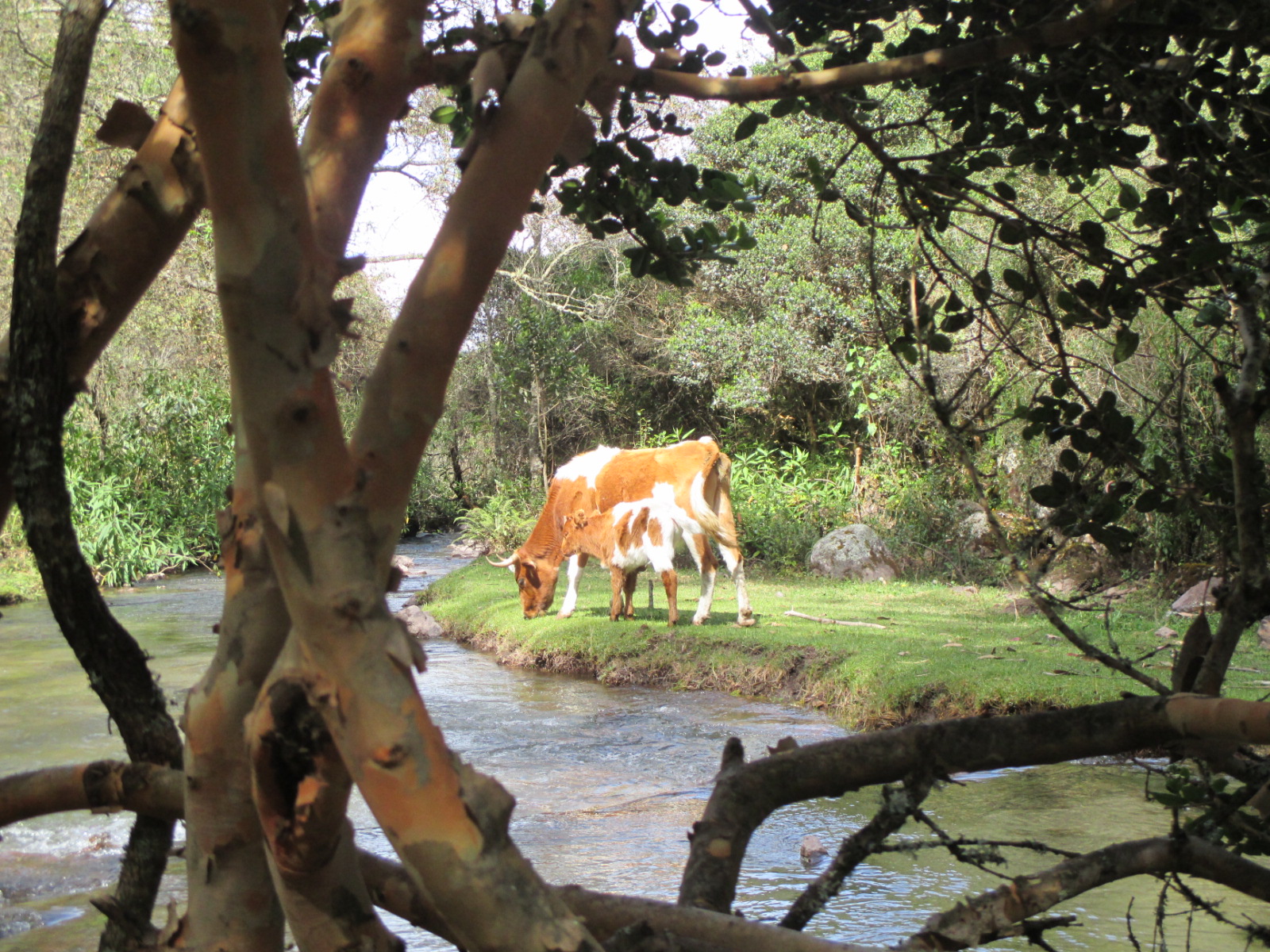
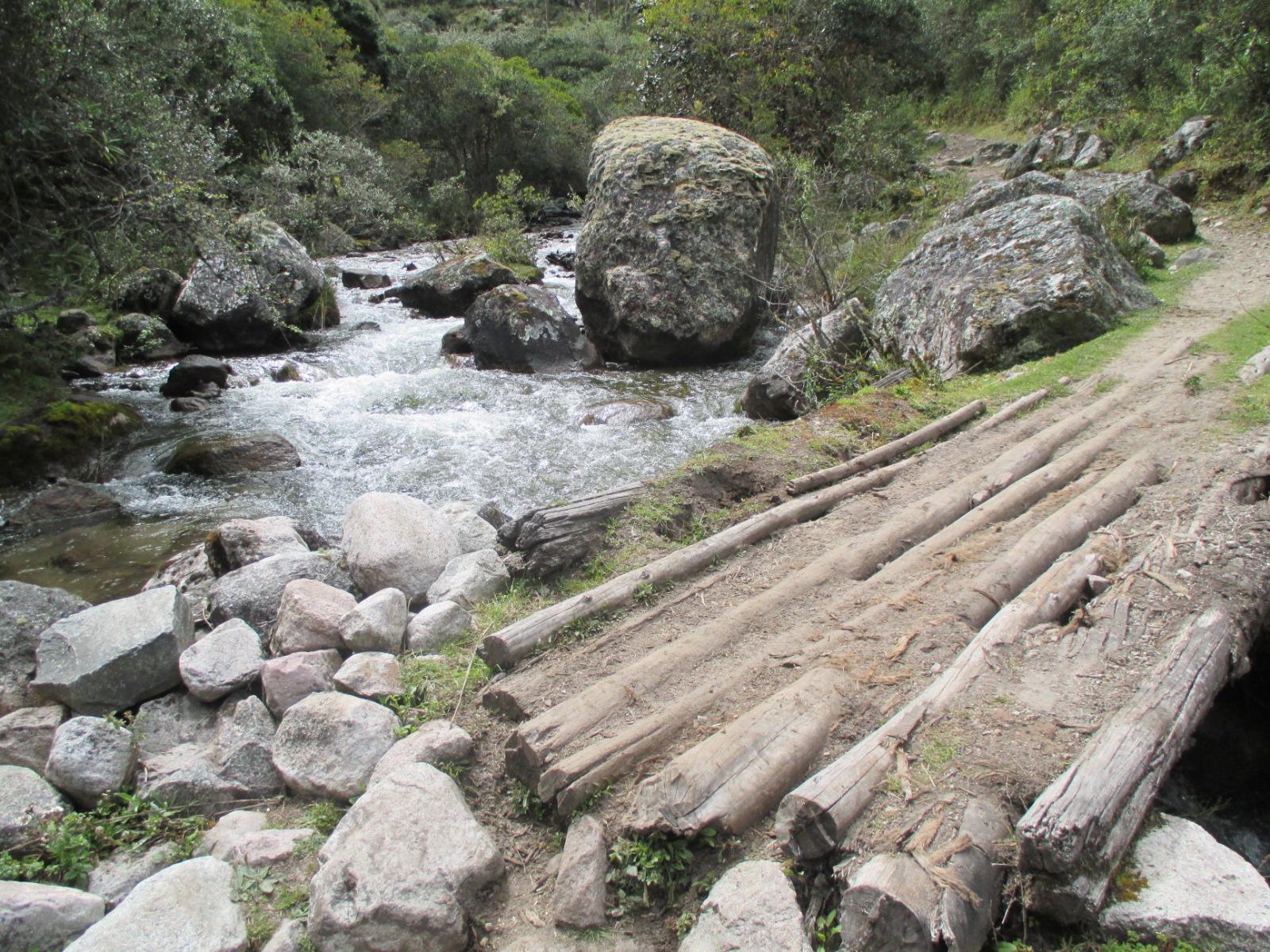
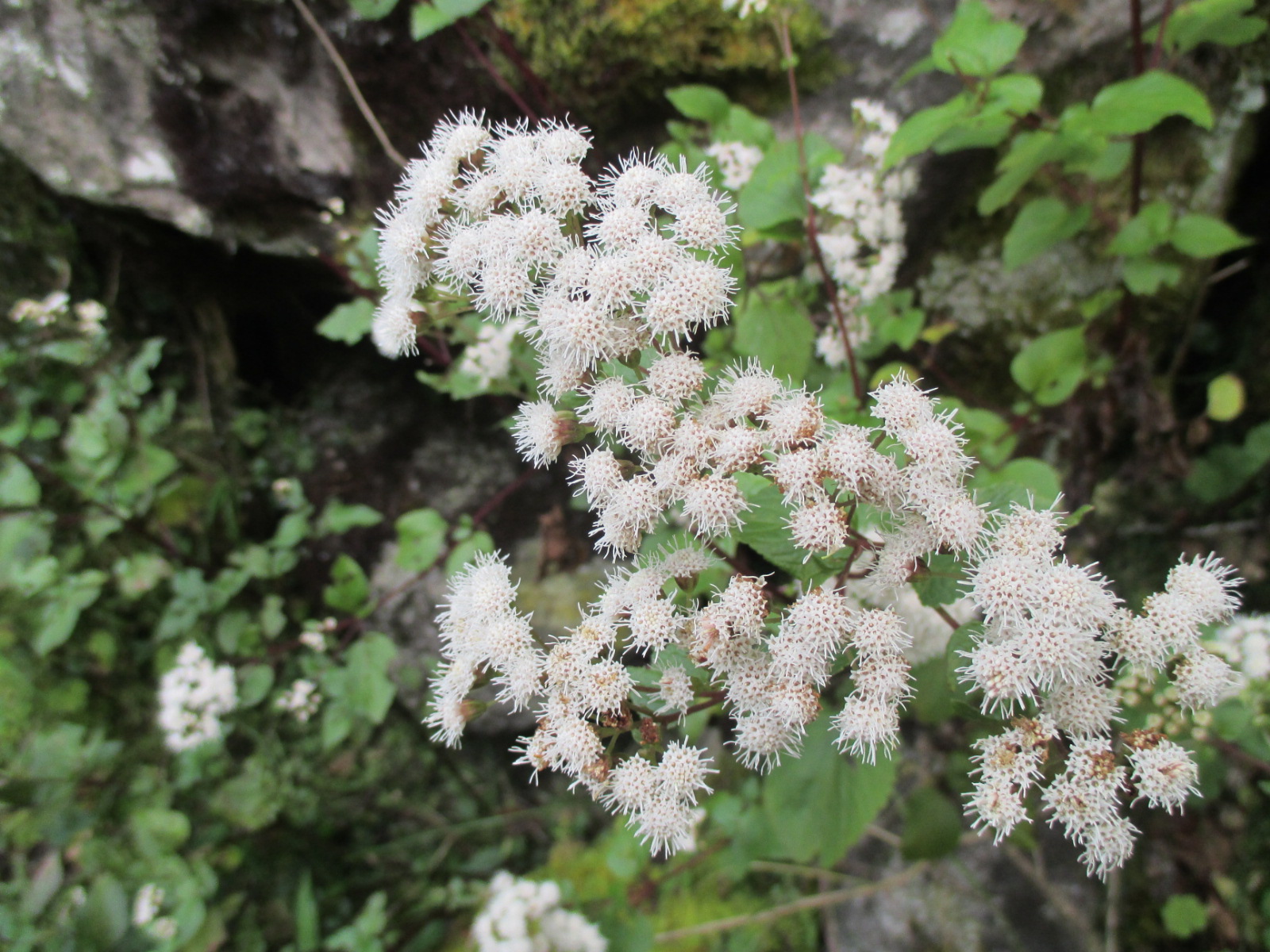
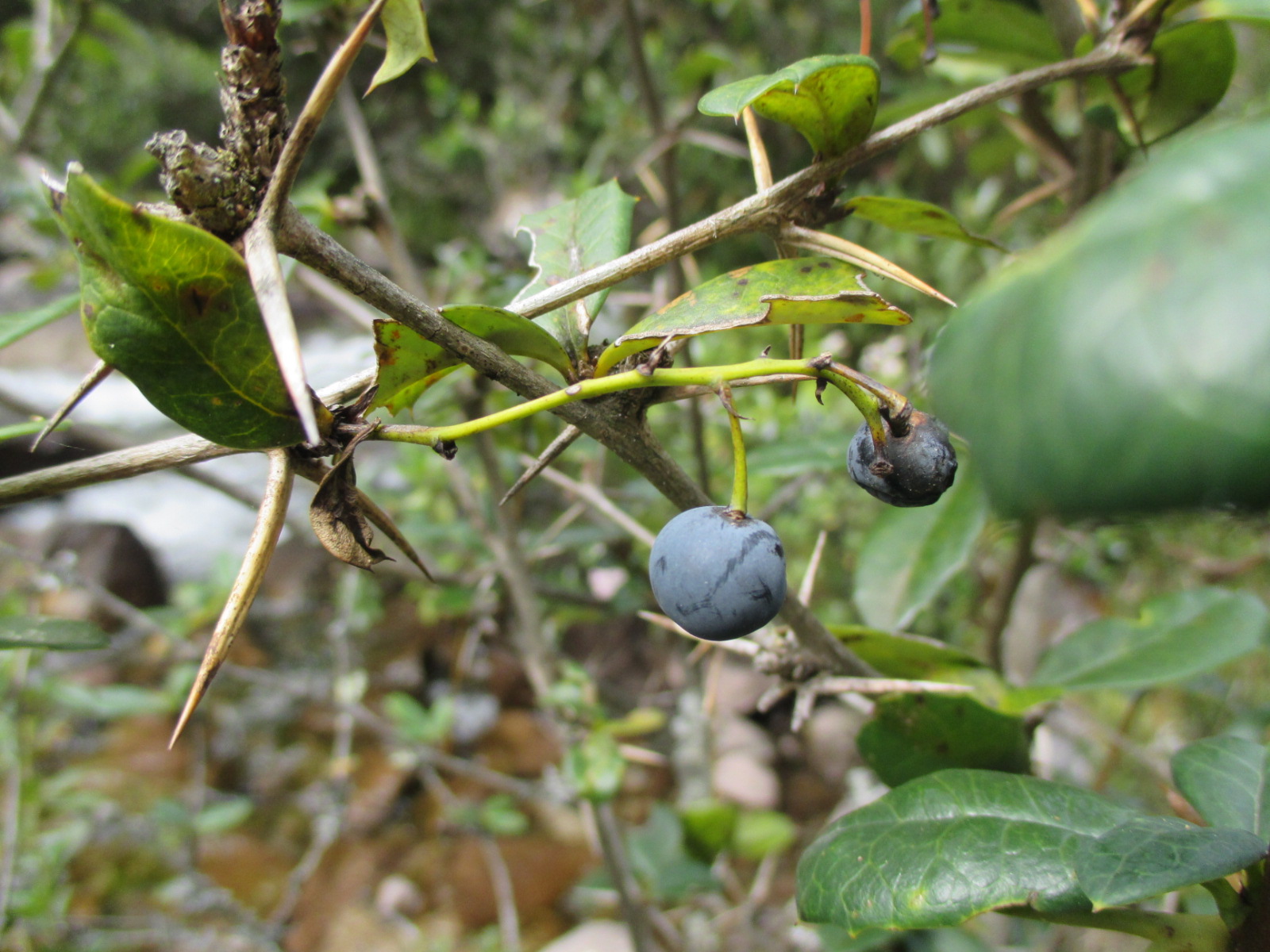
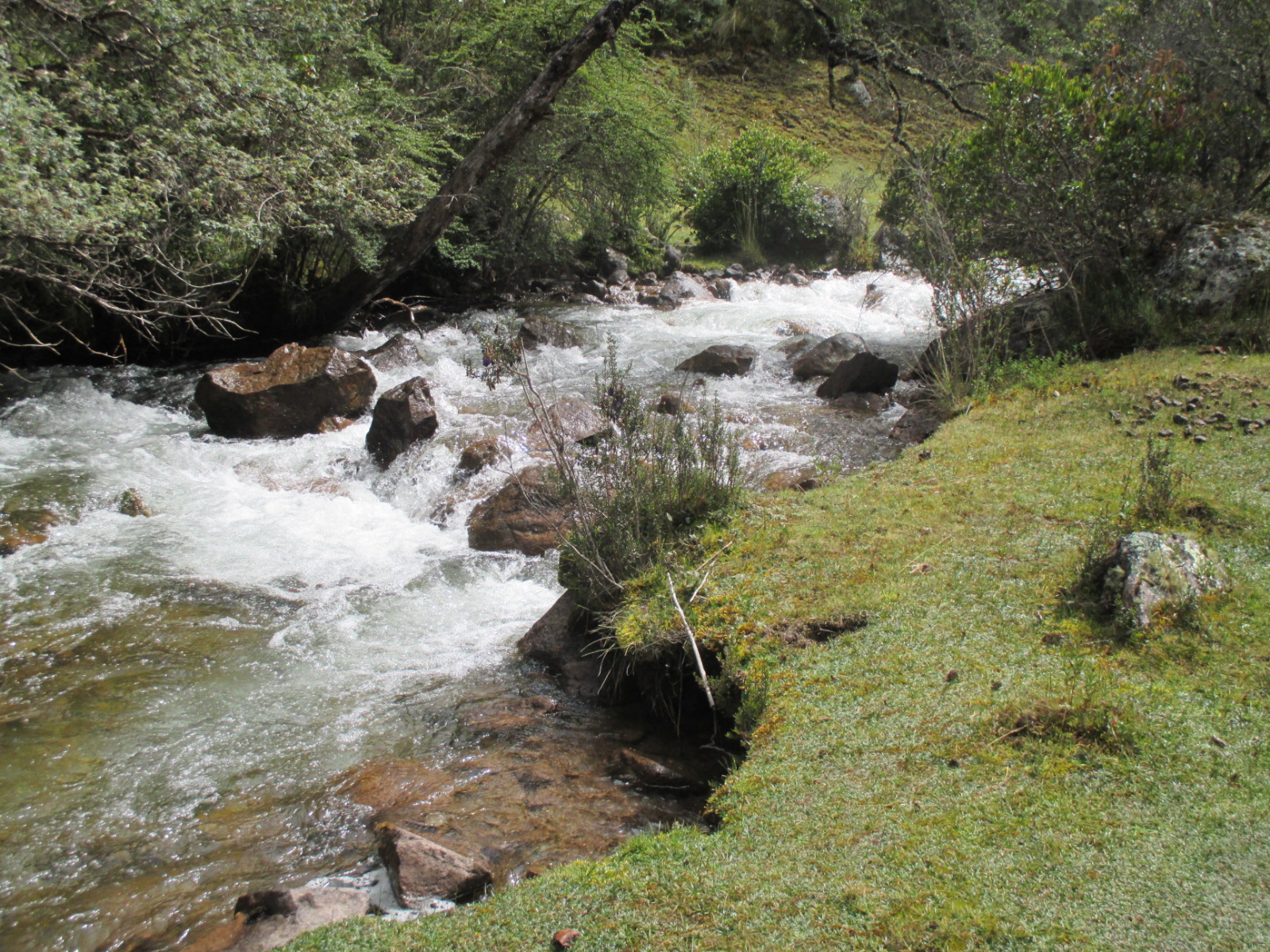
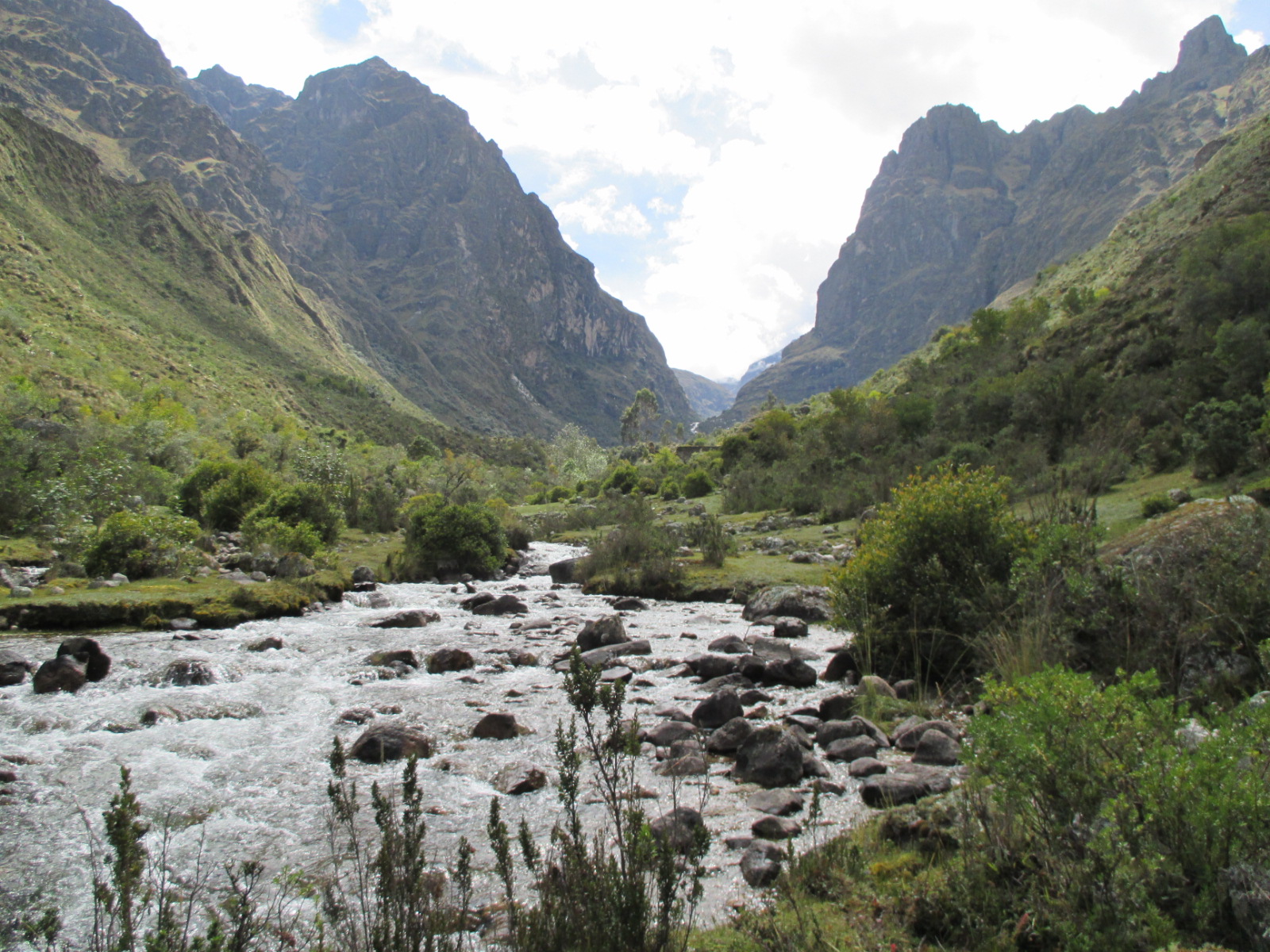
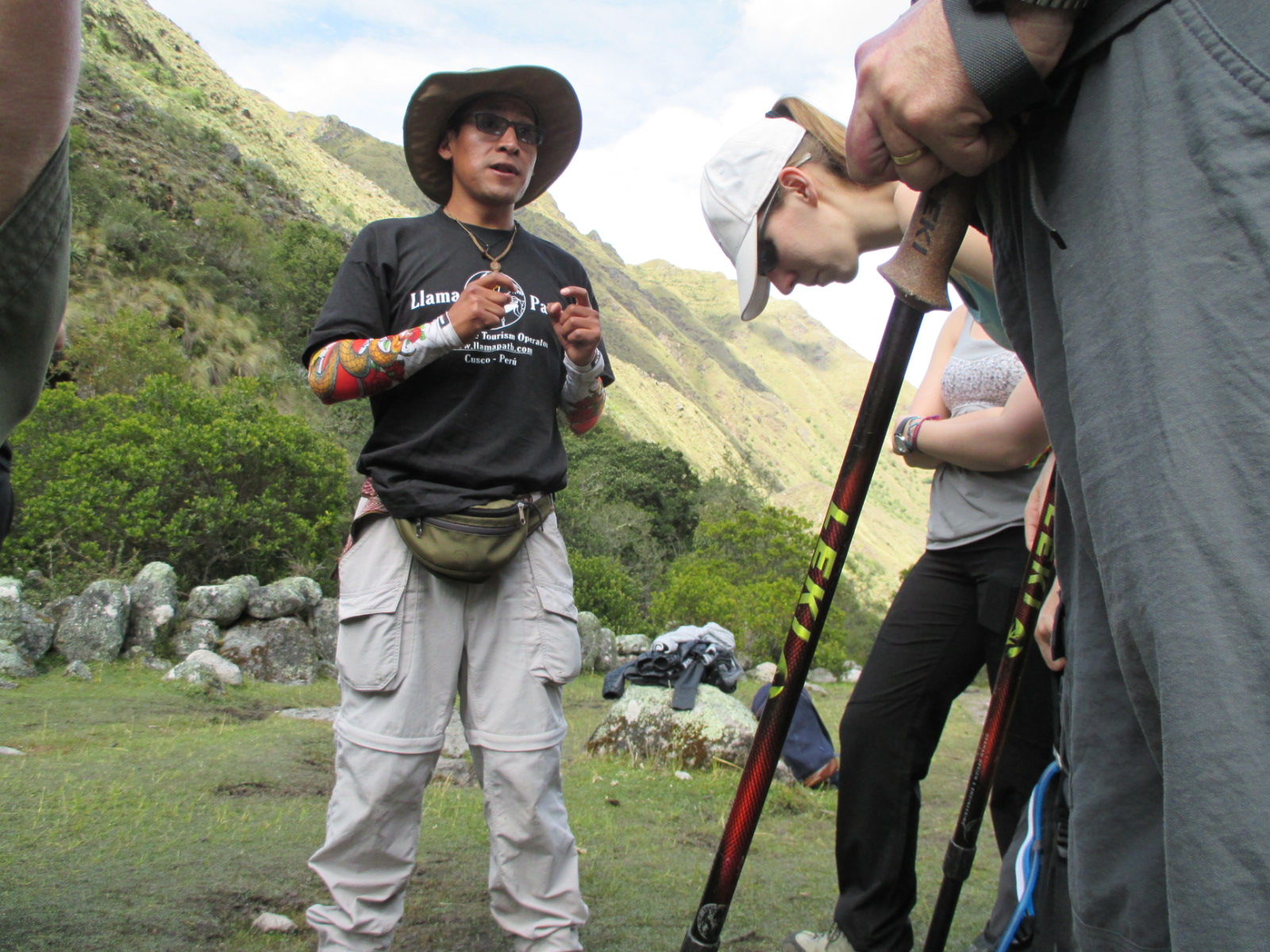
Santiago tells us stories along the way

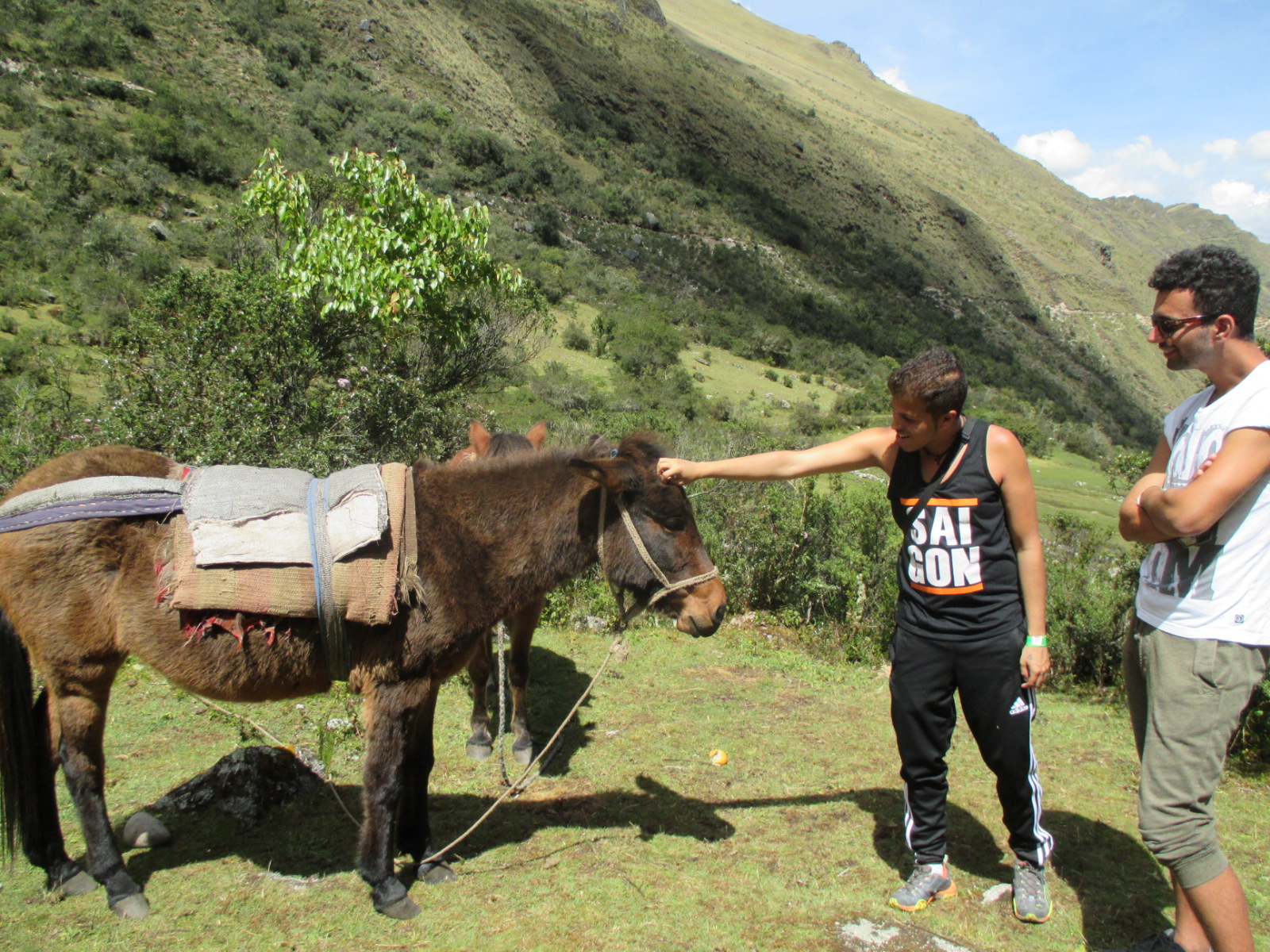
Jonathan and Paolo from Canada make a friend.
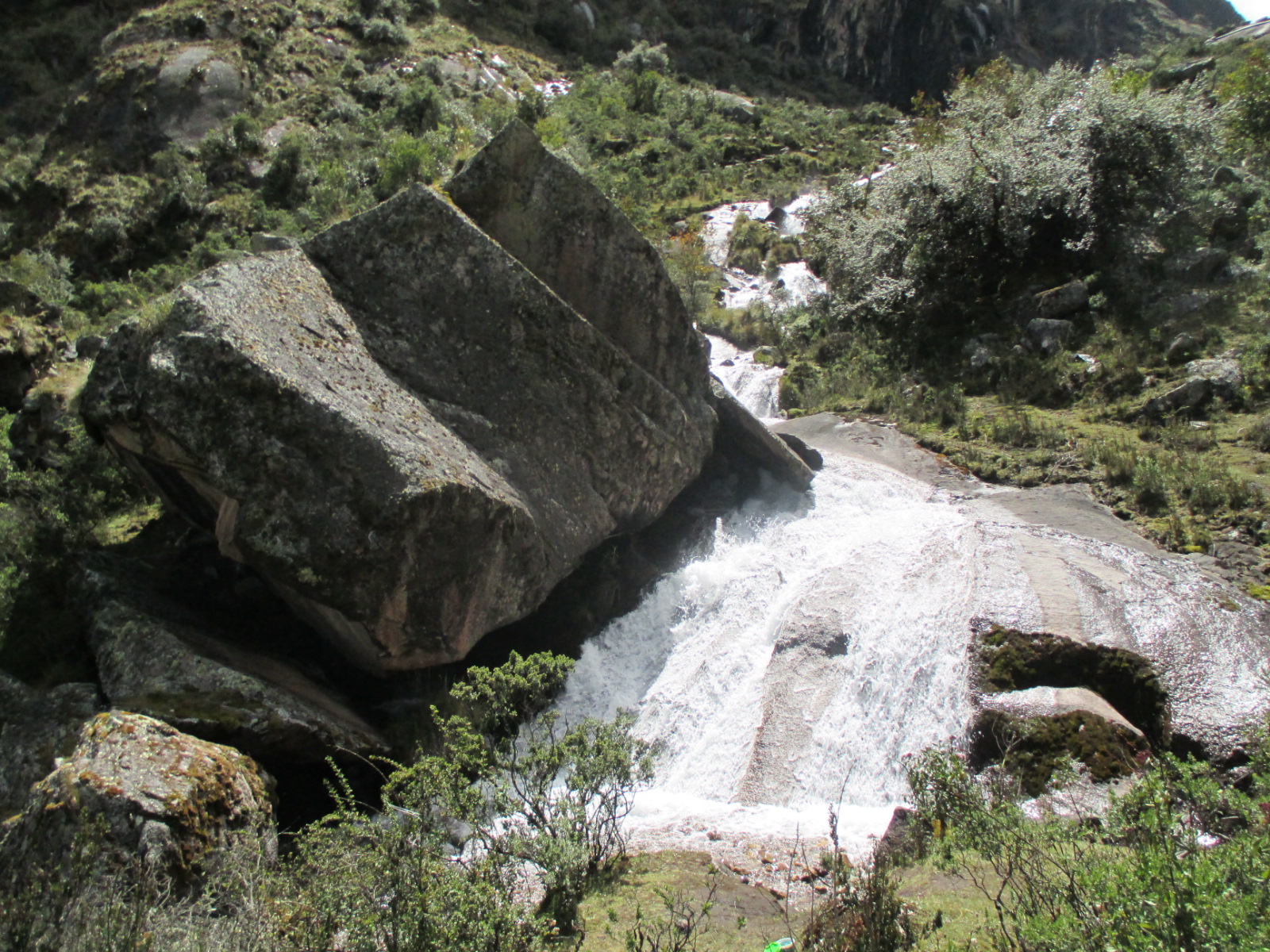
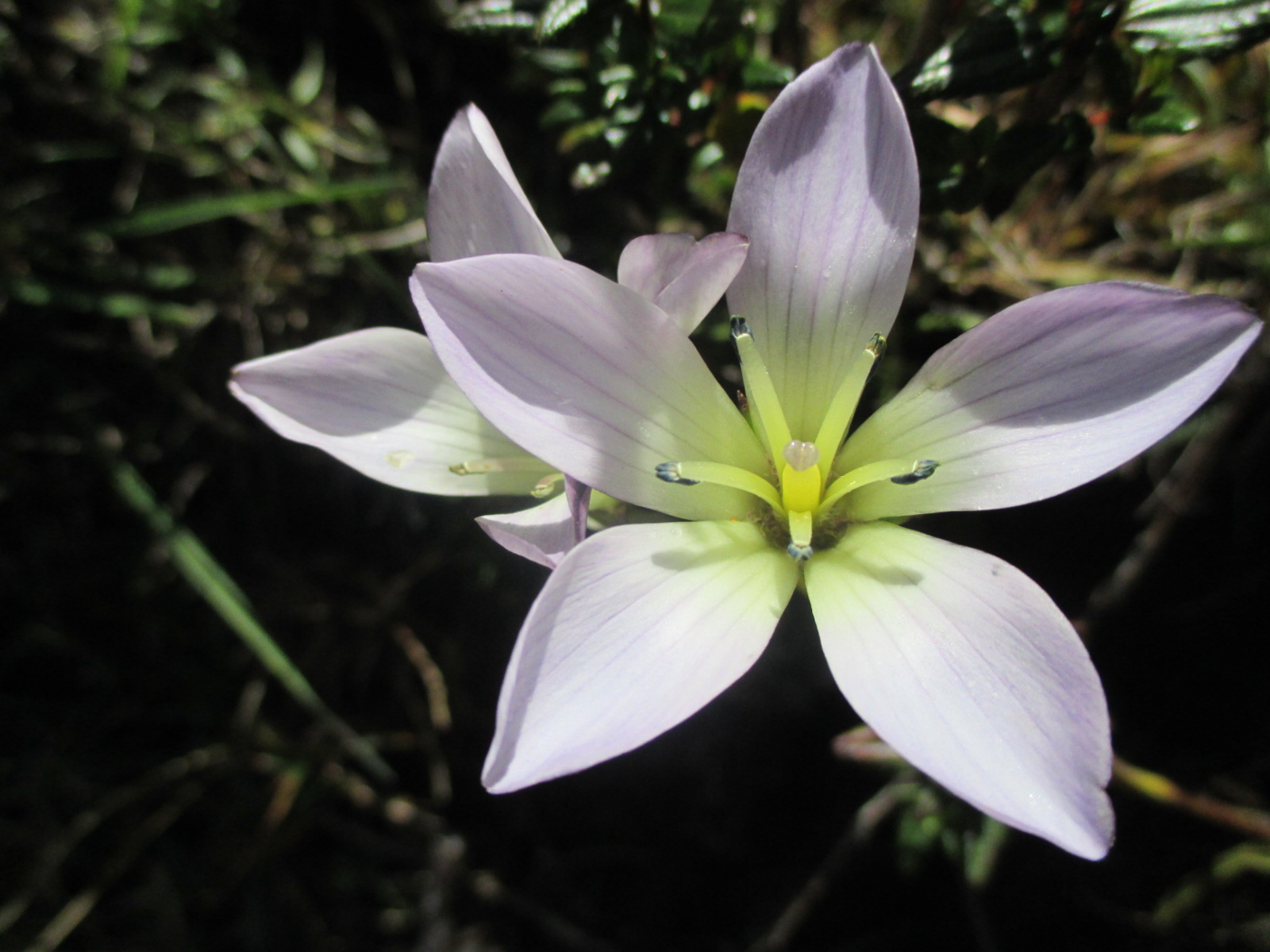
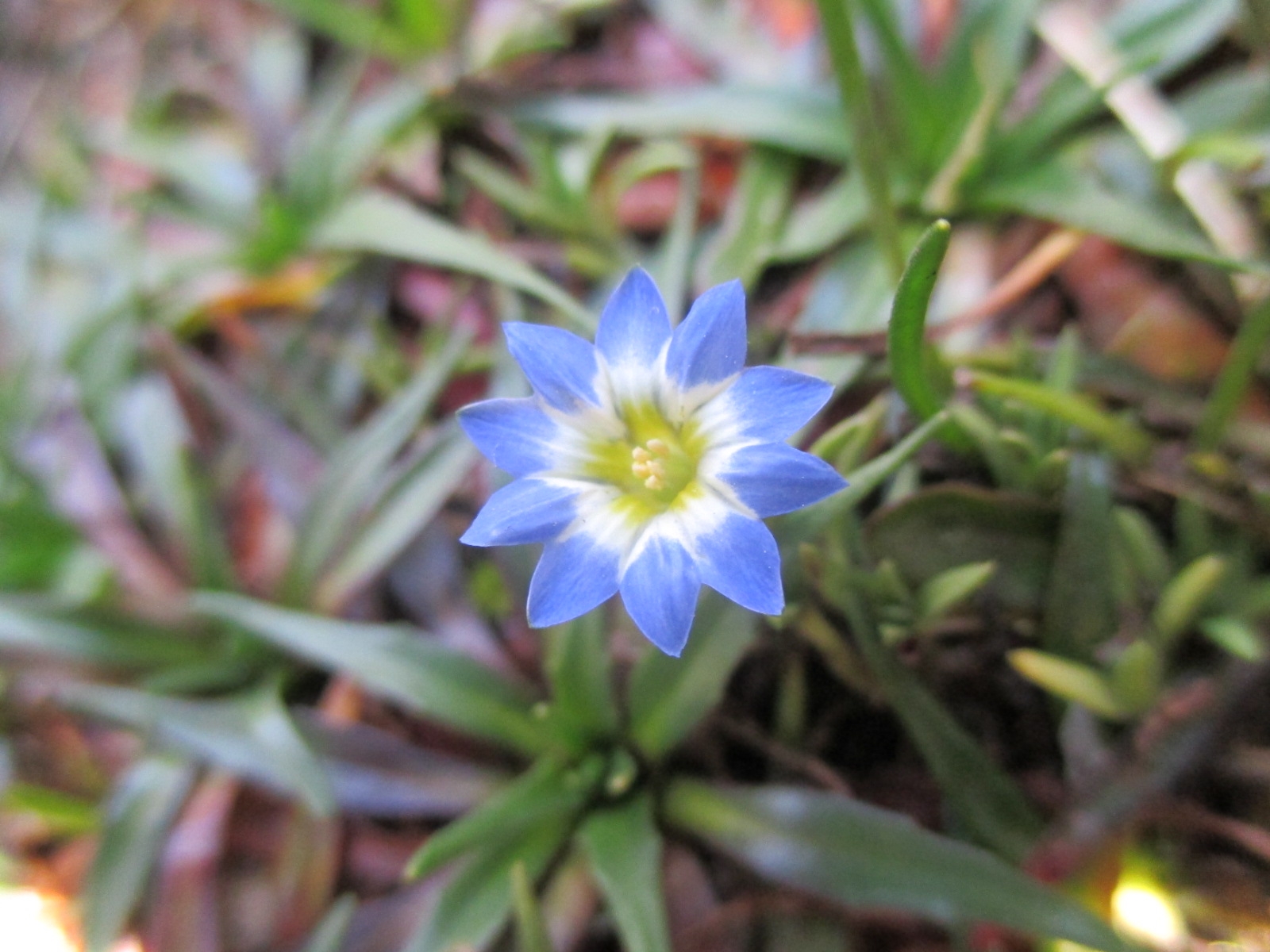
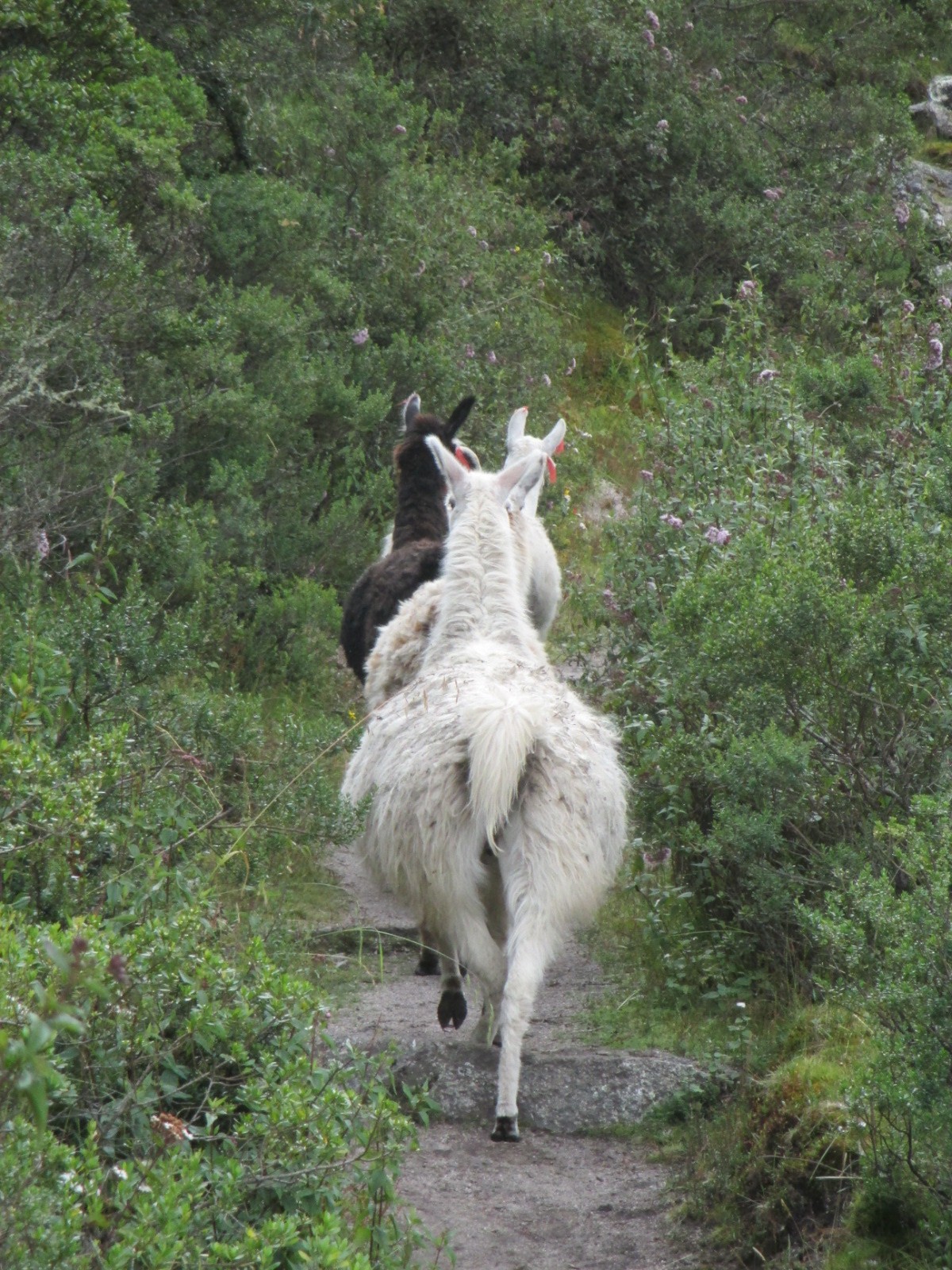
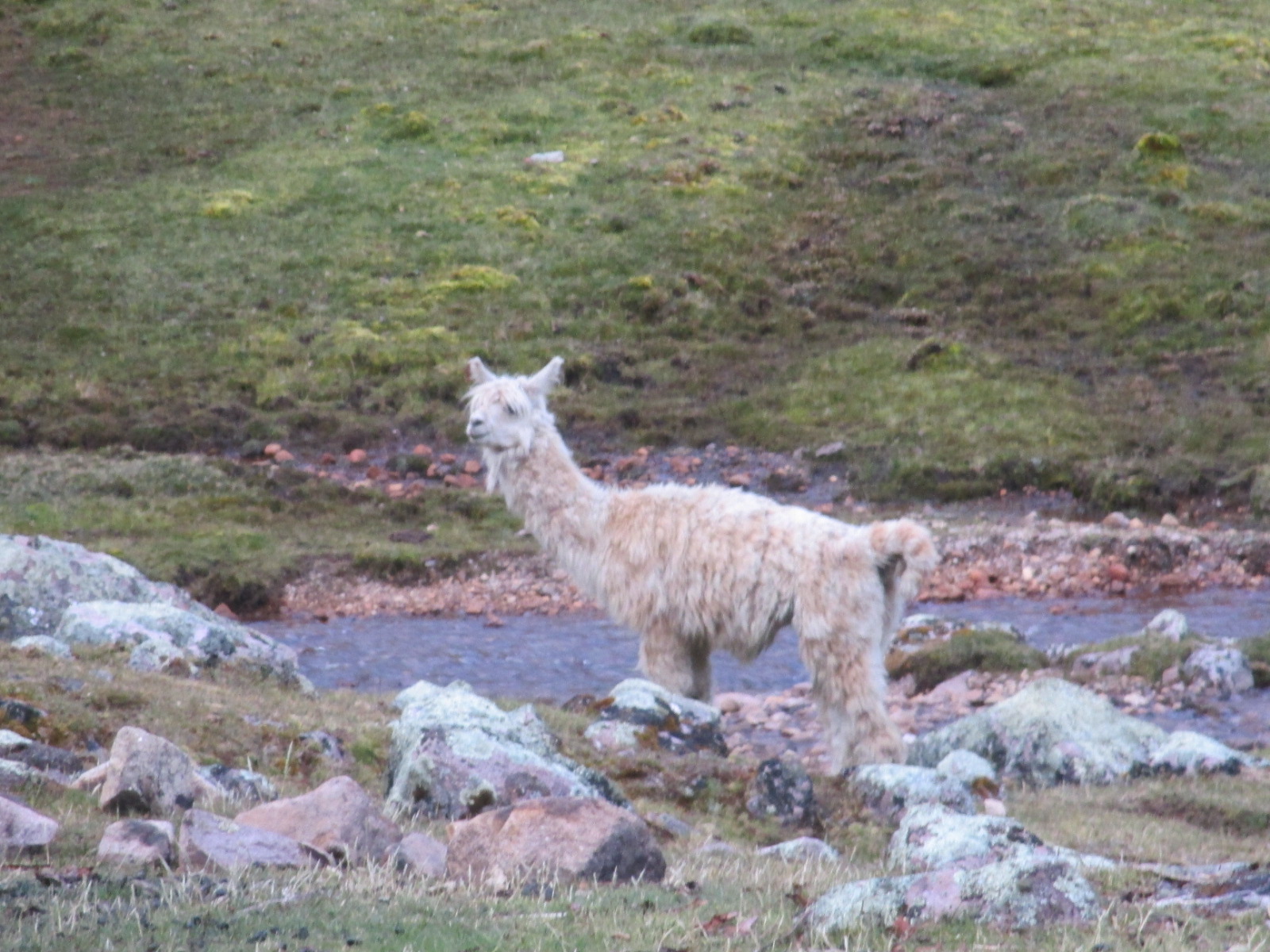
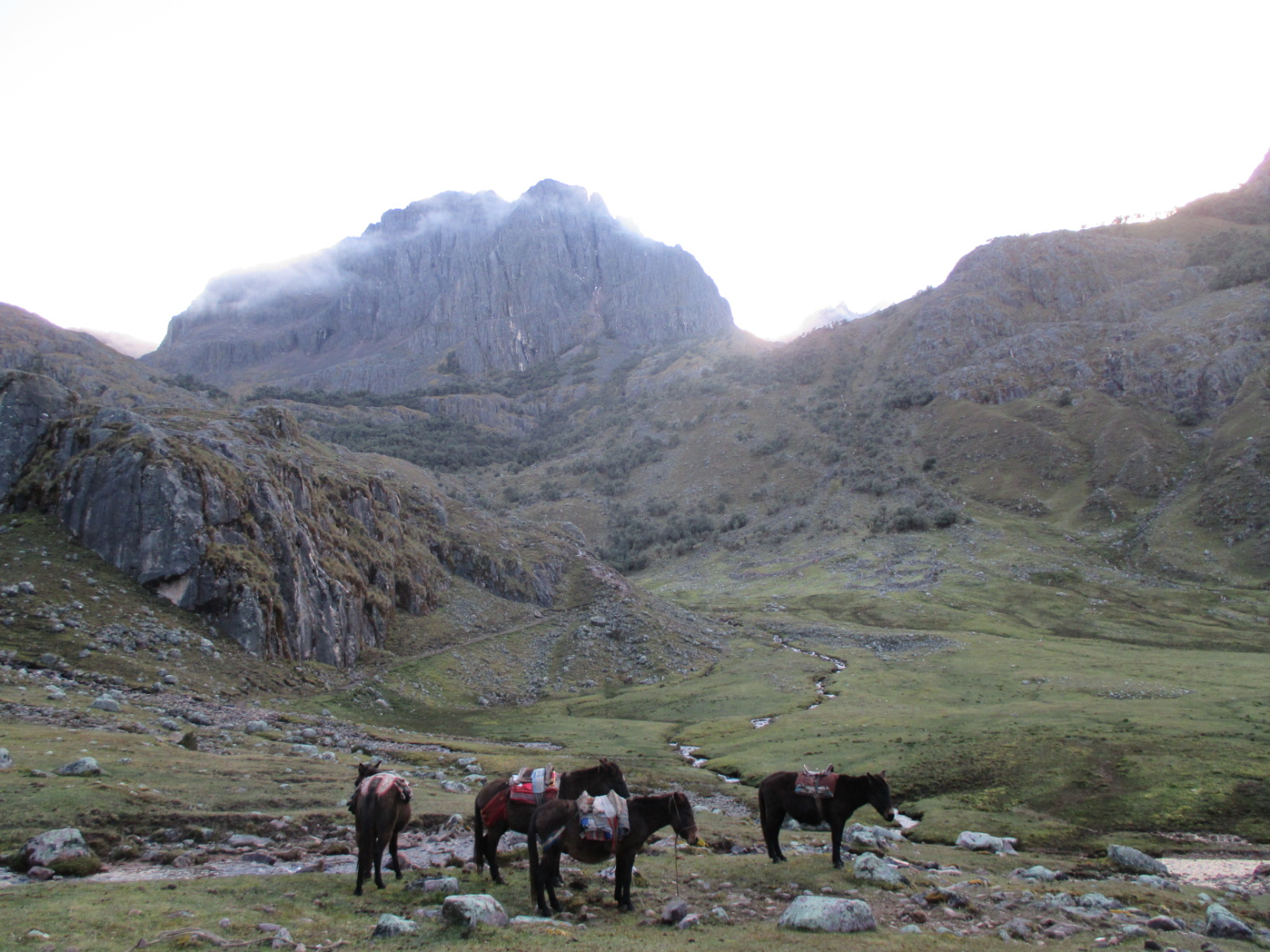
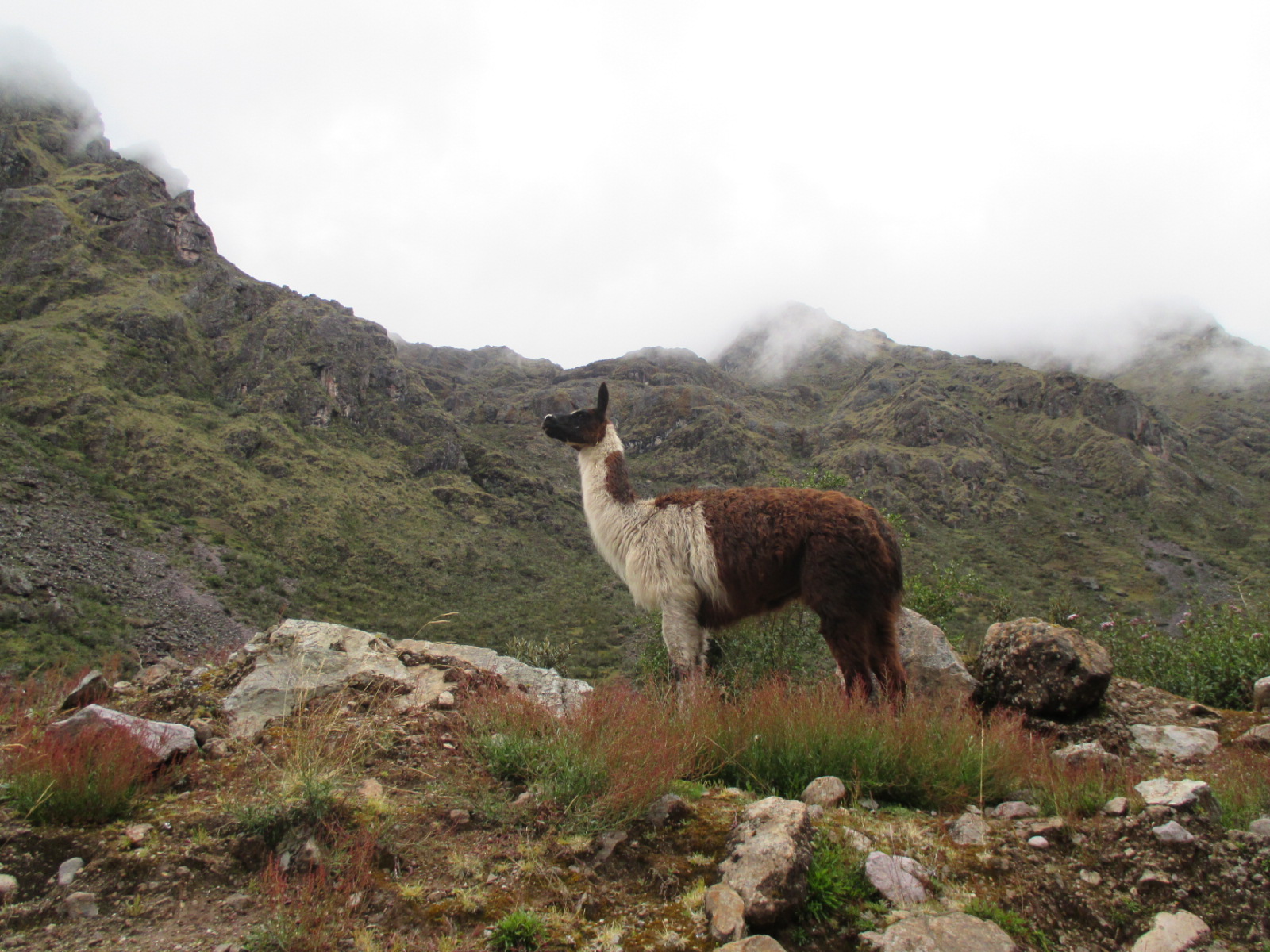
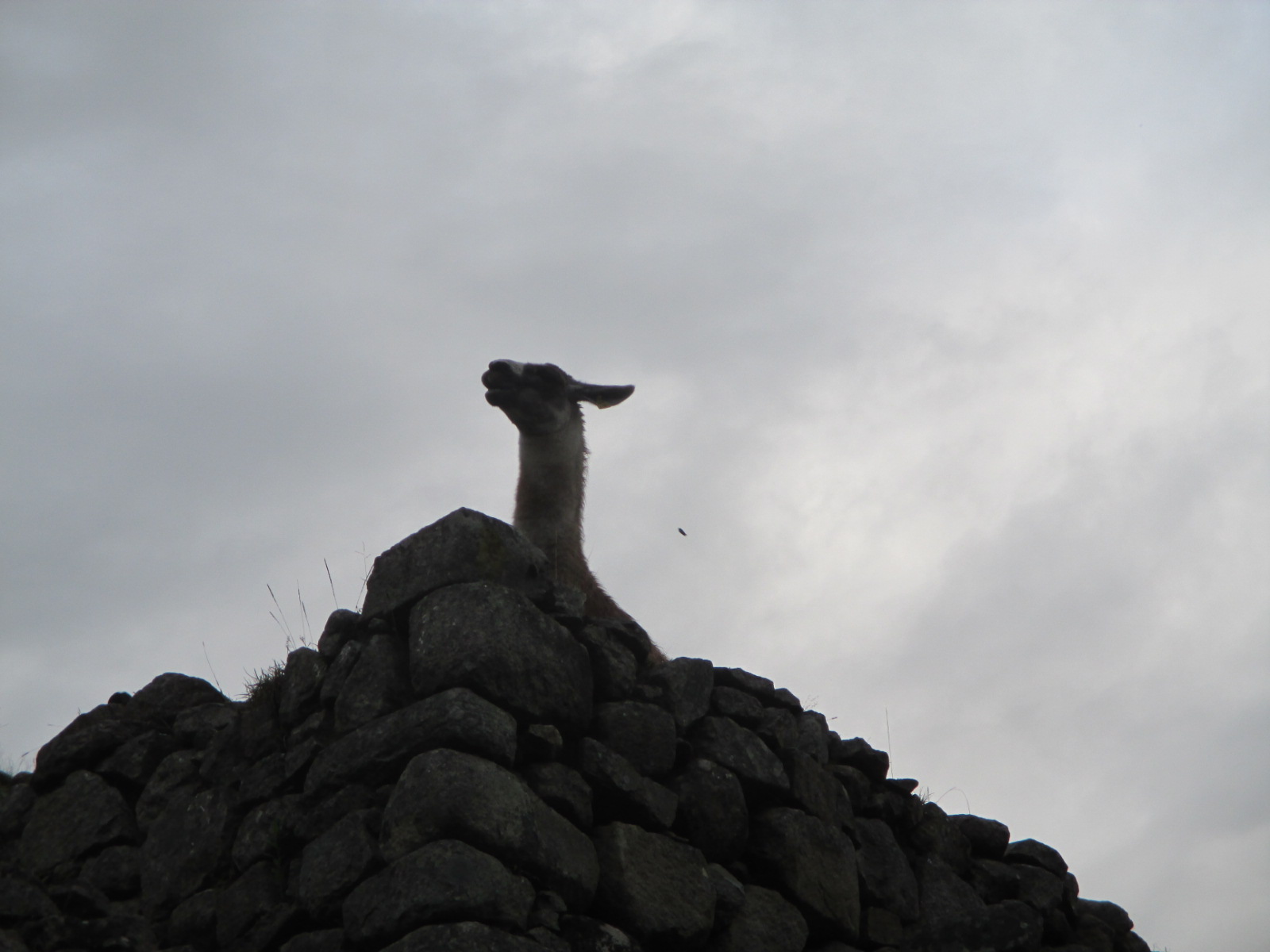
llamas!
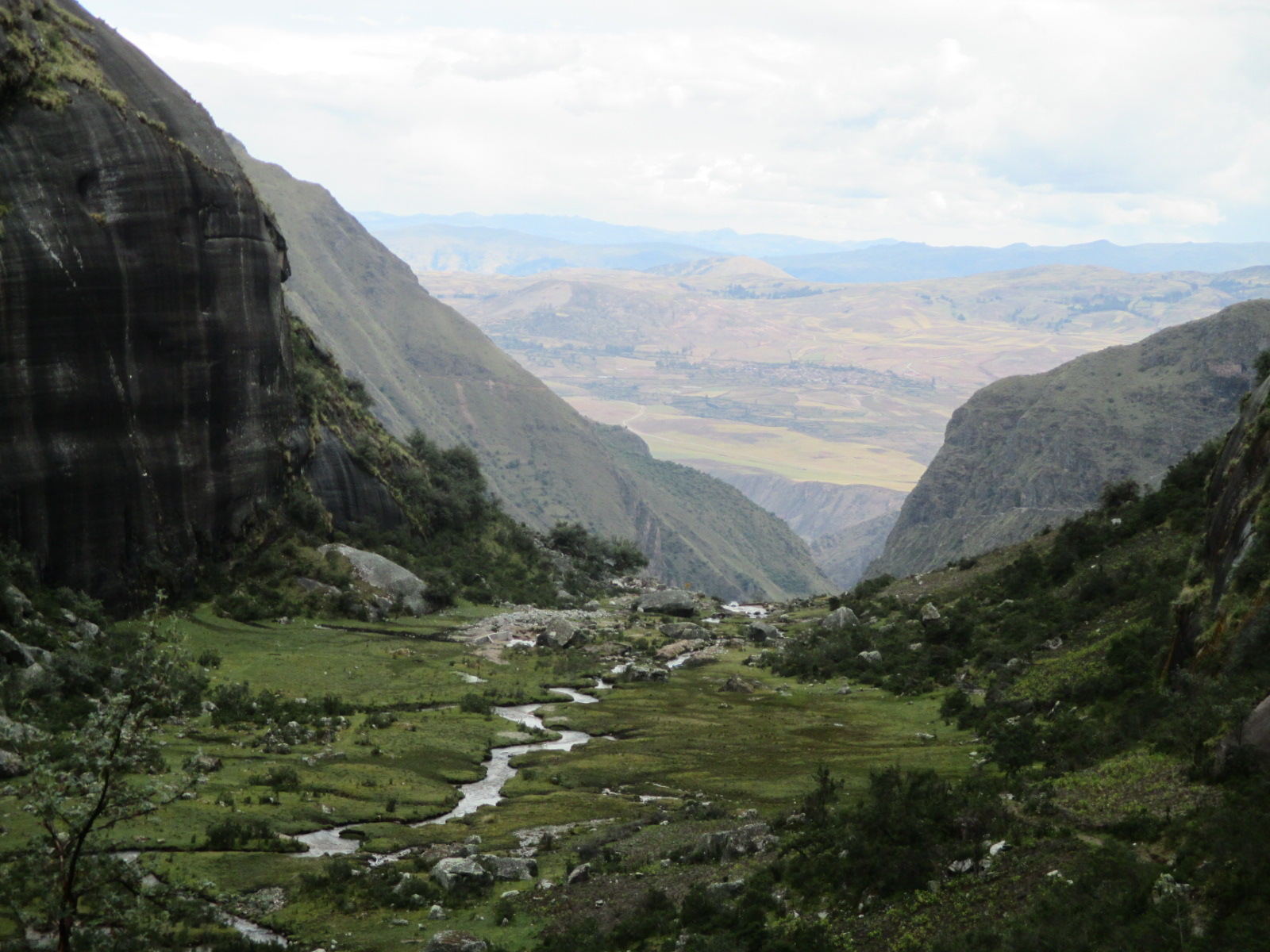
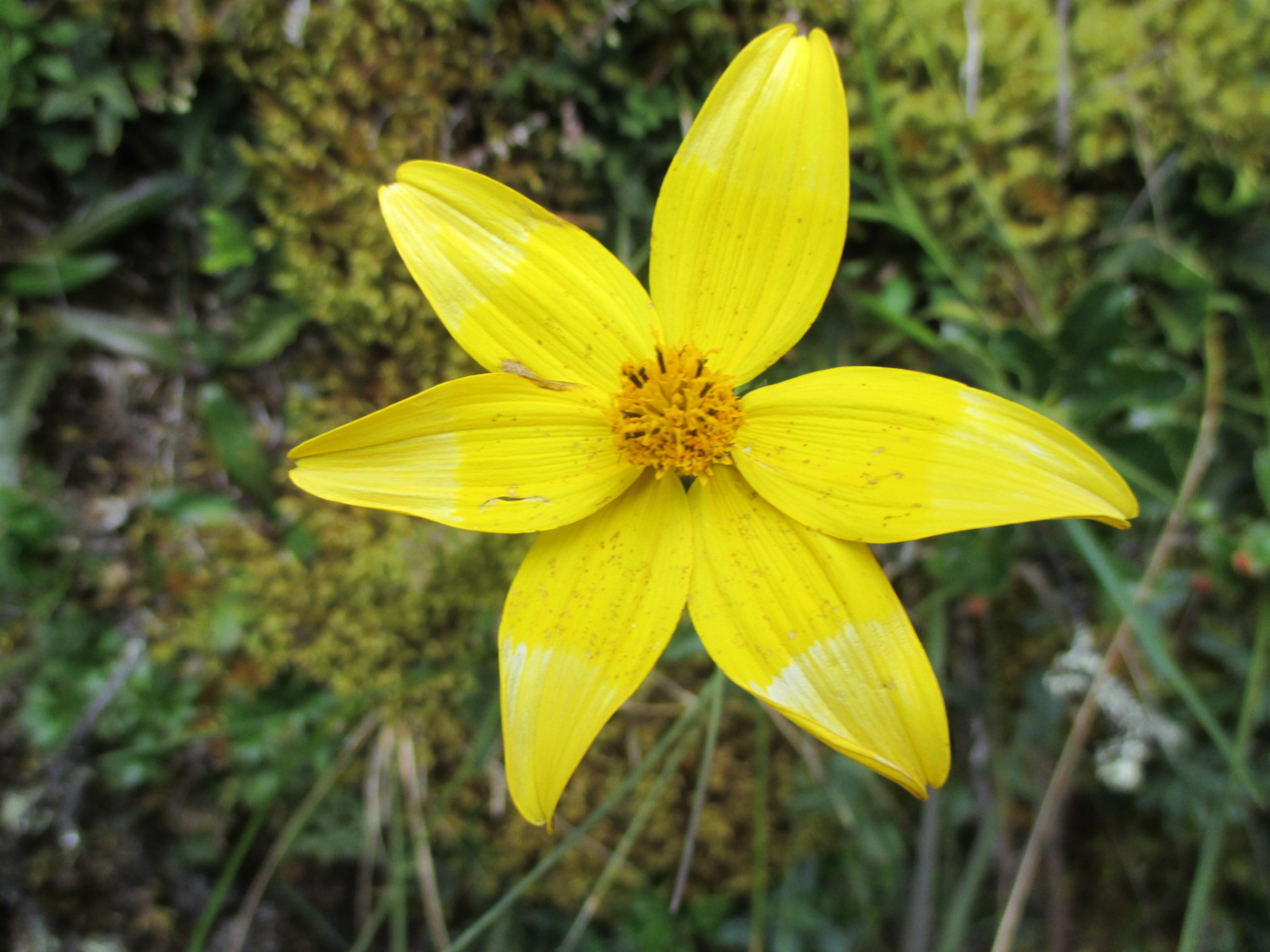
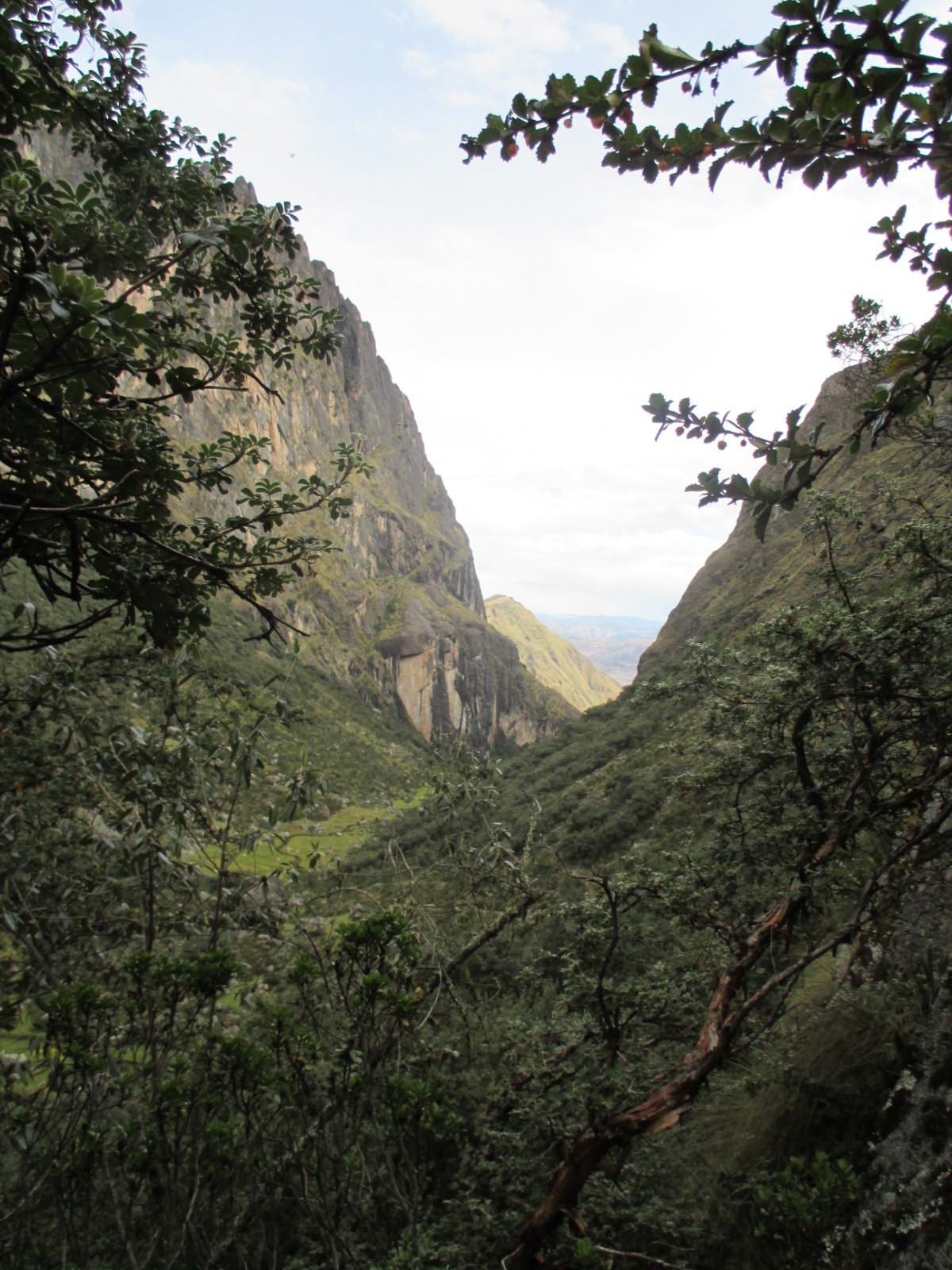
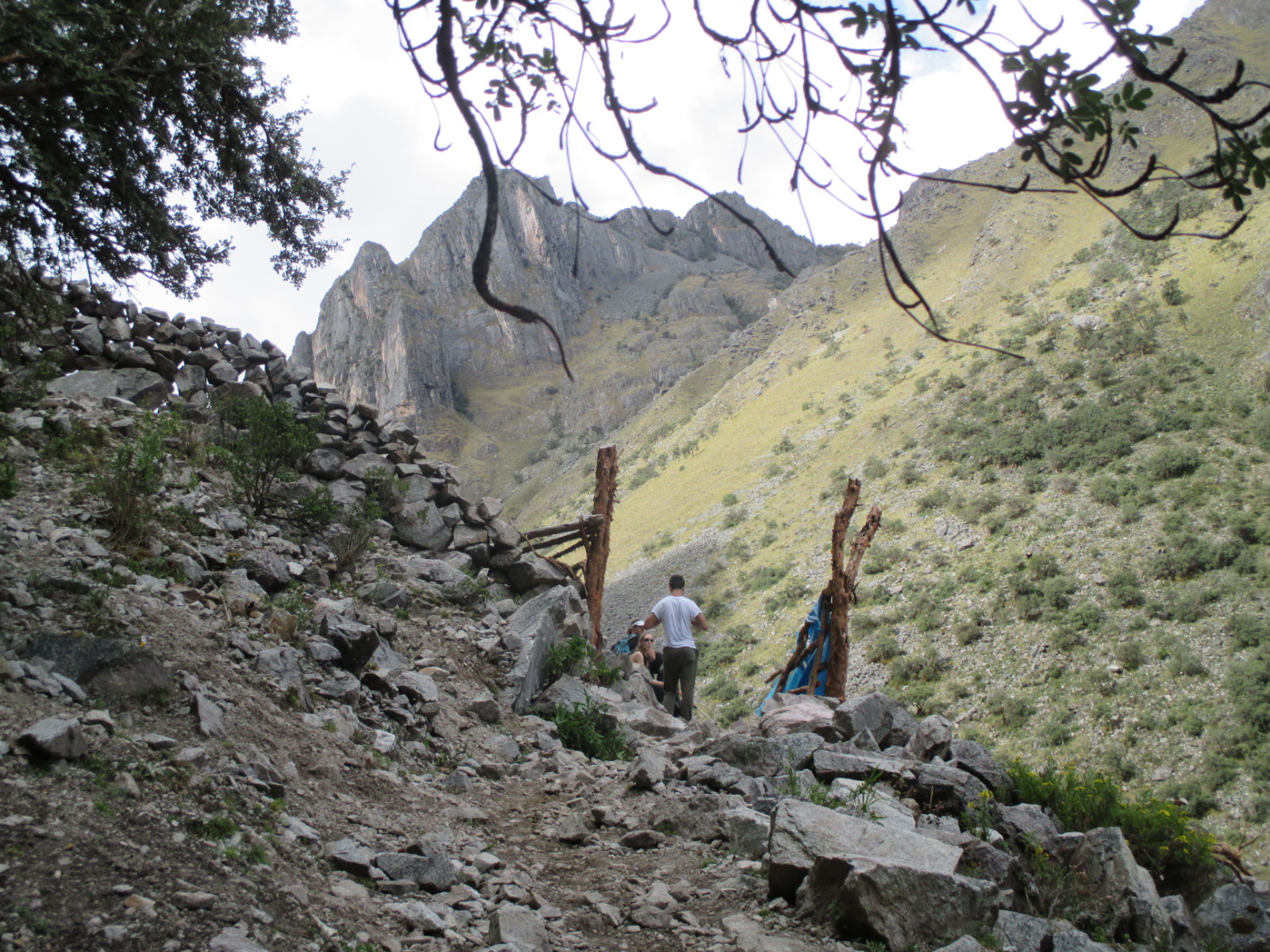
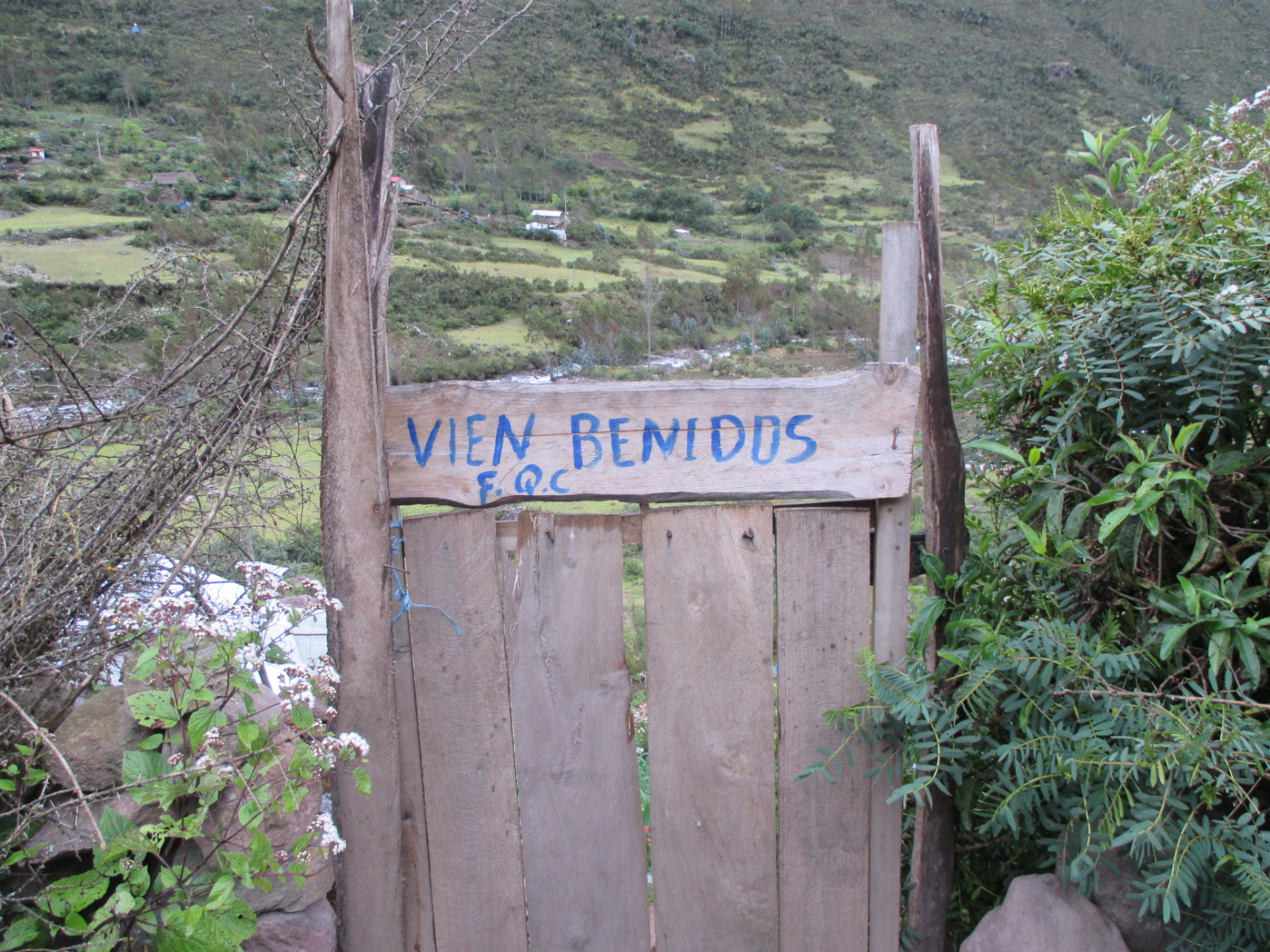
There are gates along the trail to keep farm animals from roaming to far
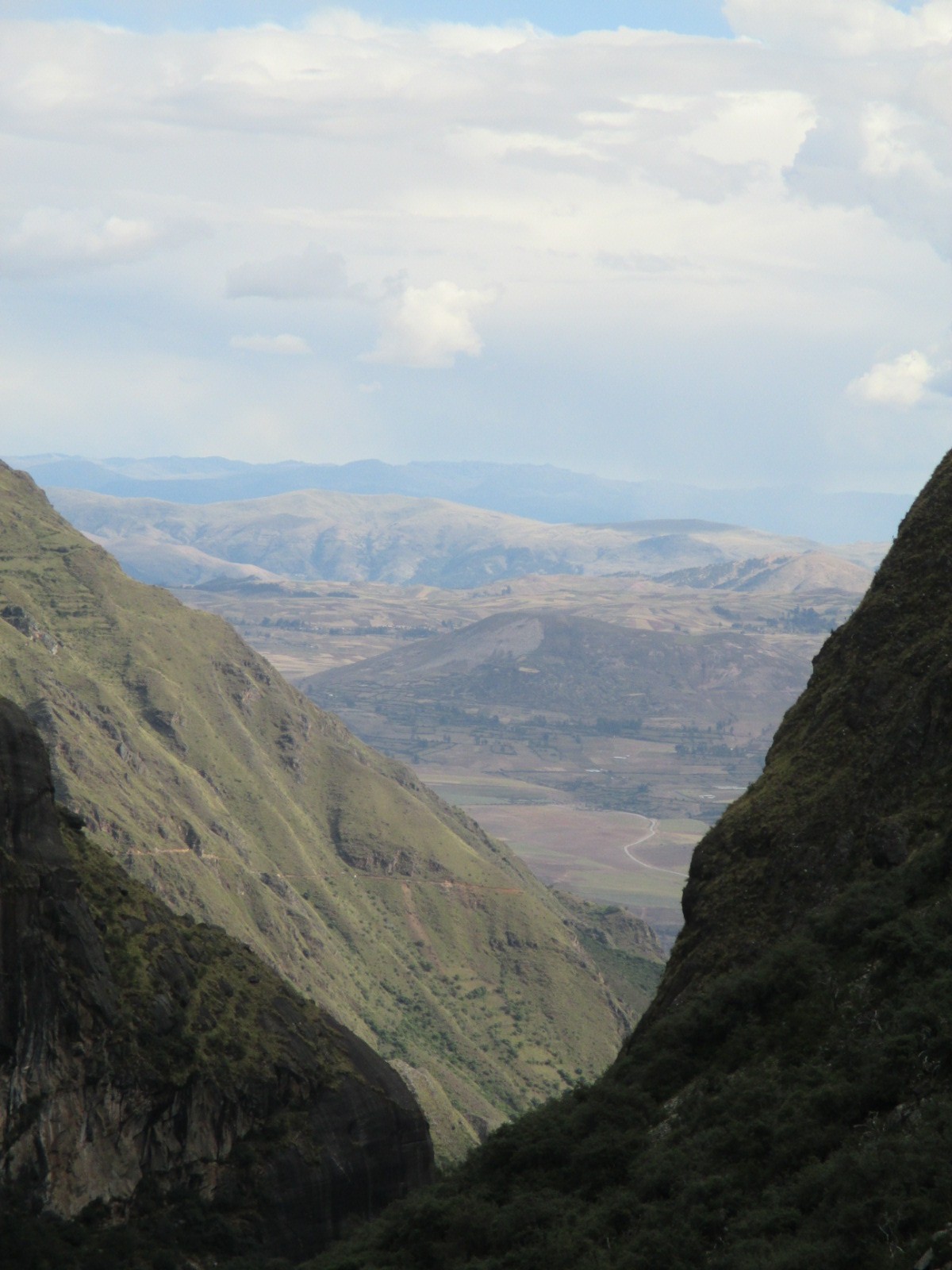
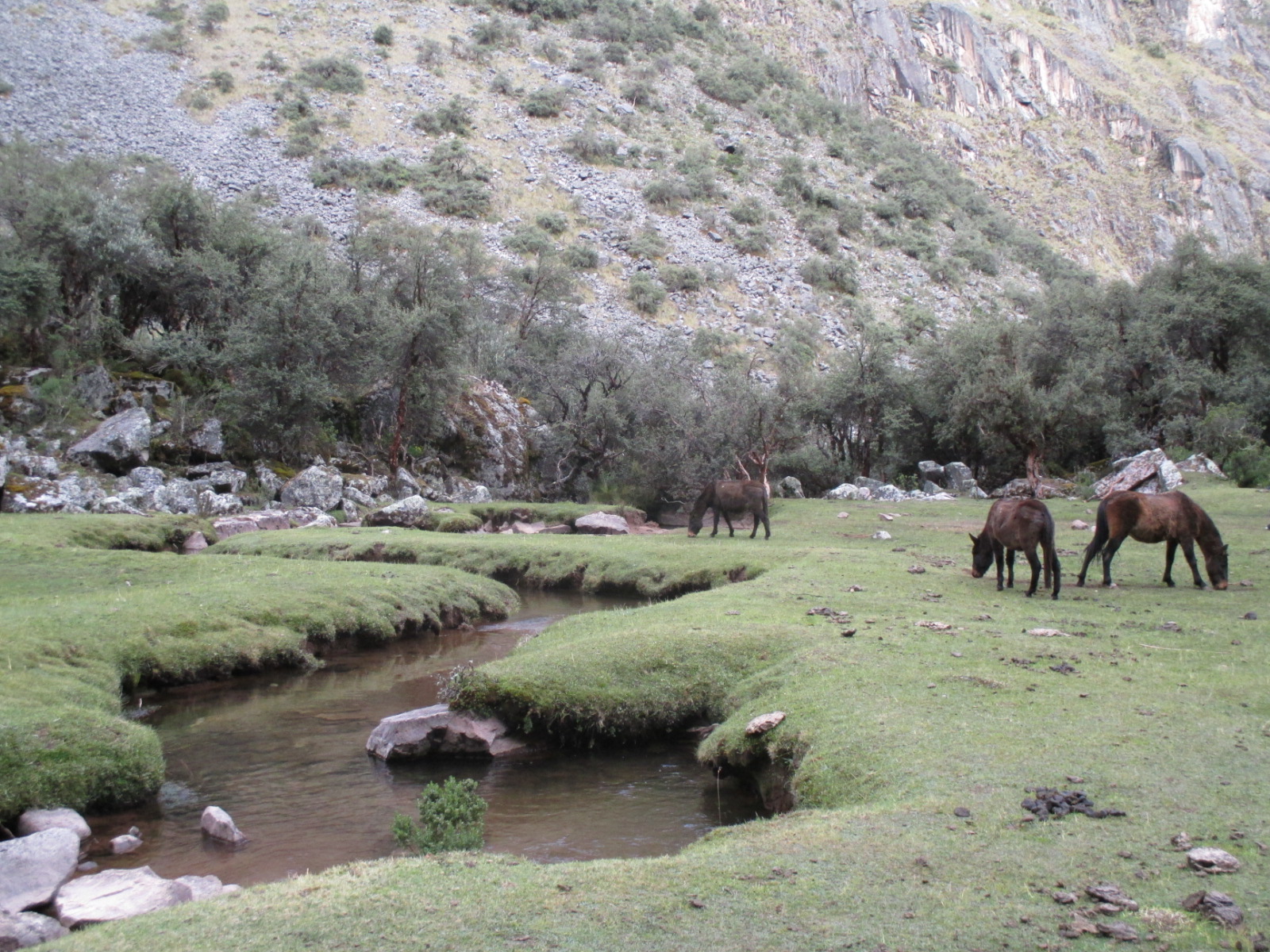
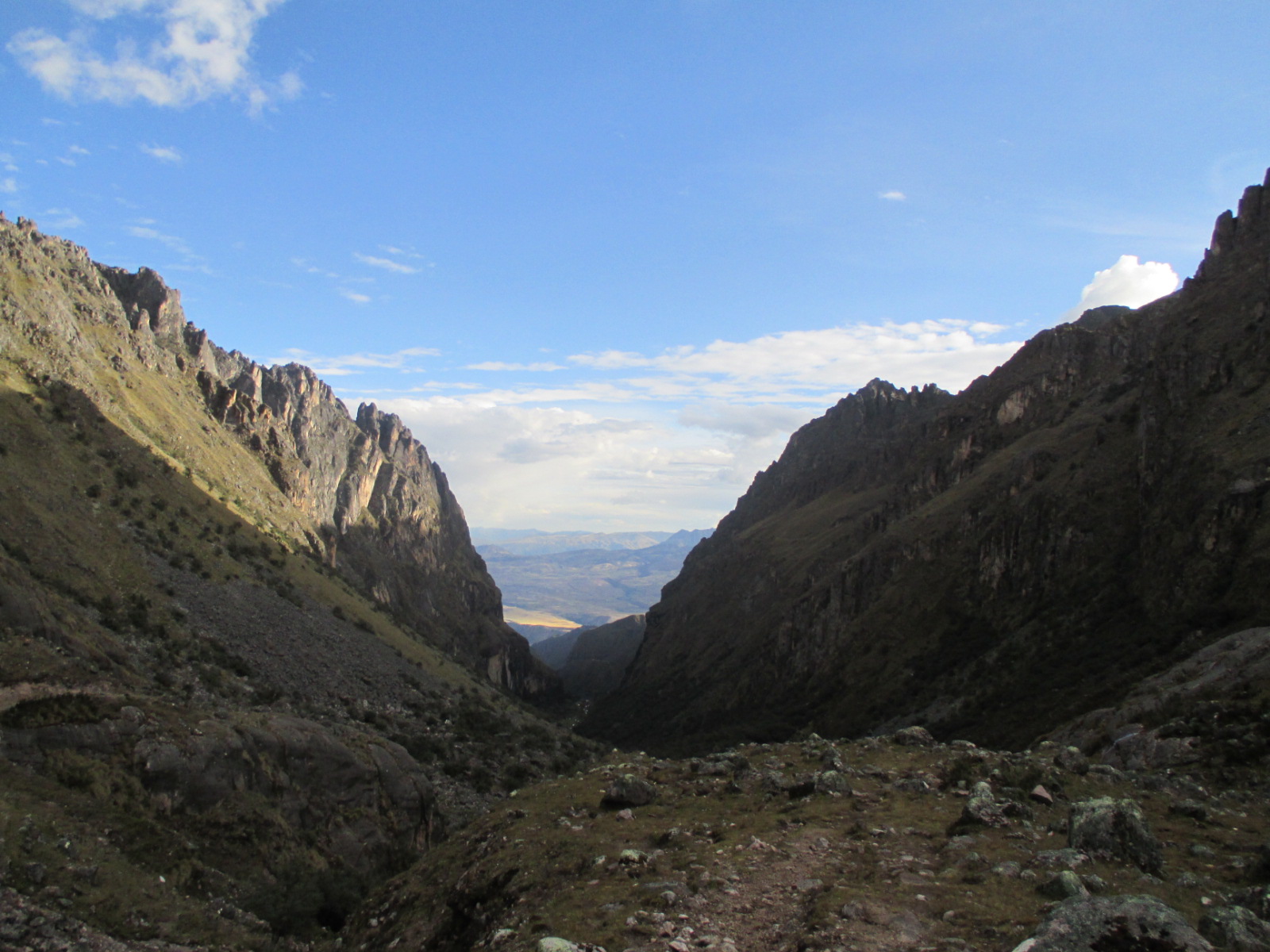
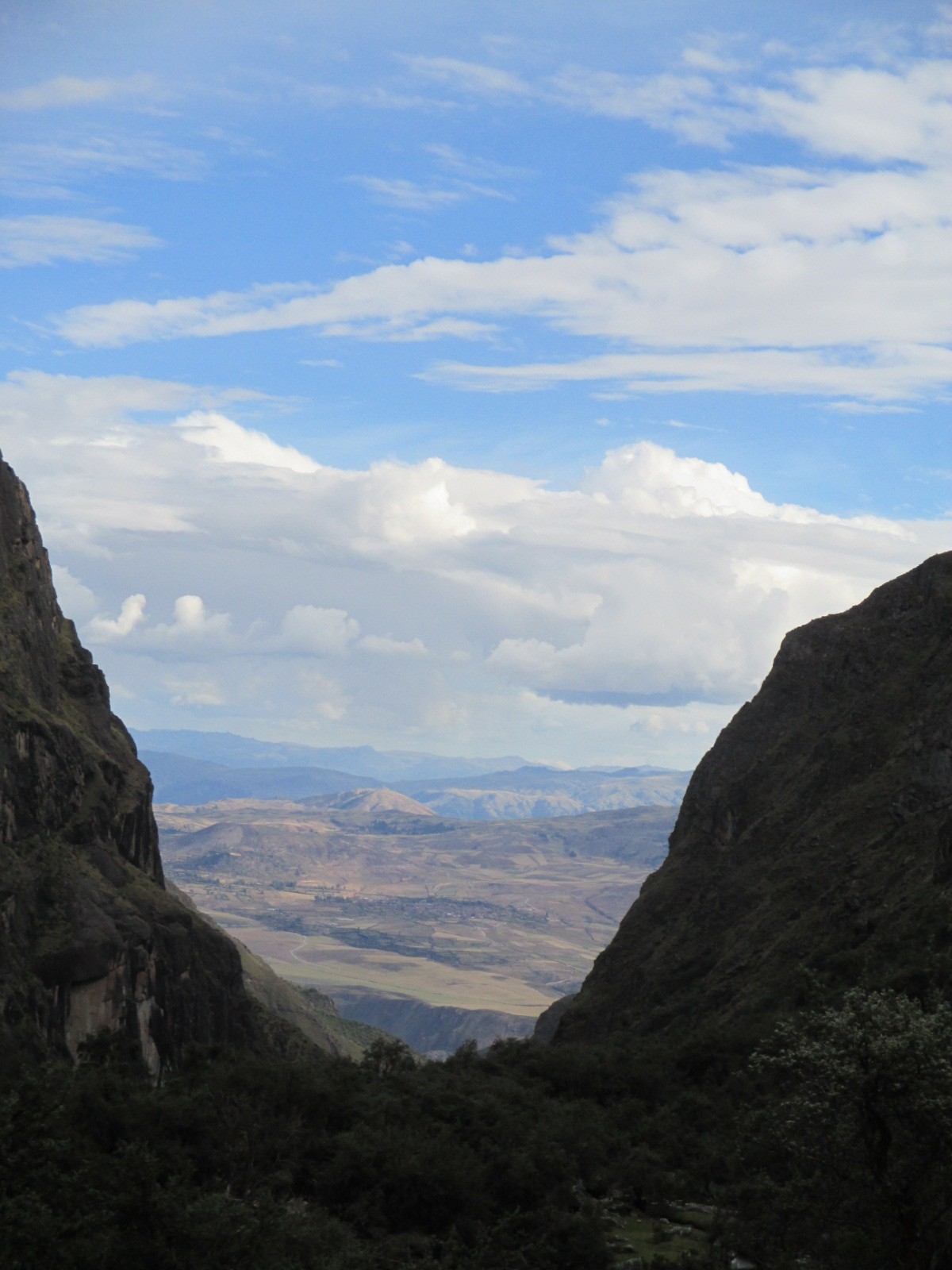
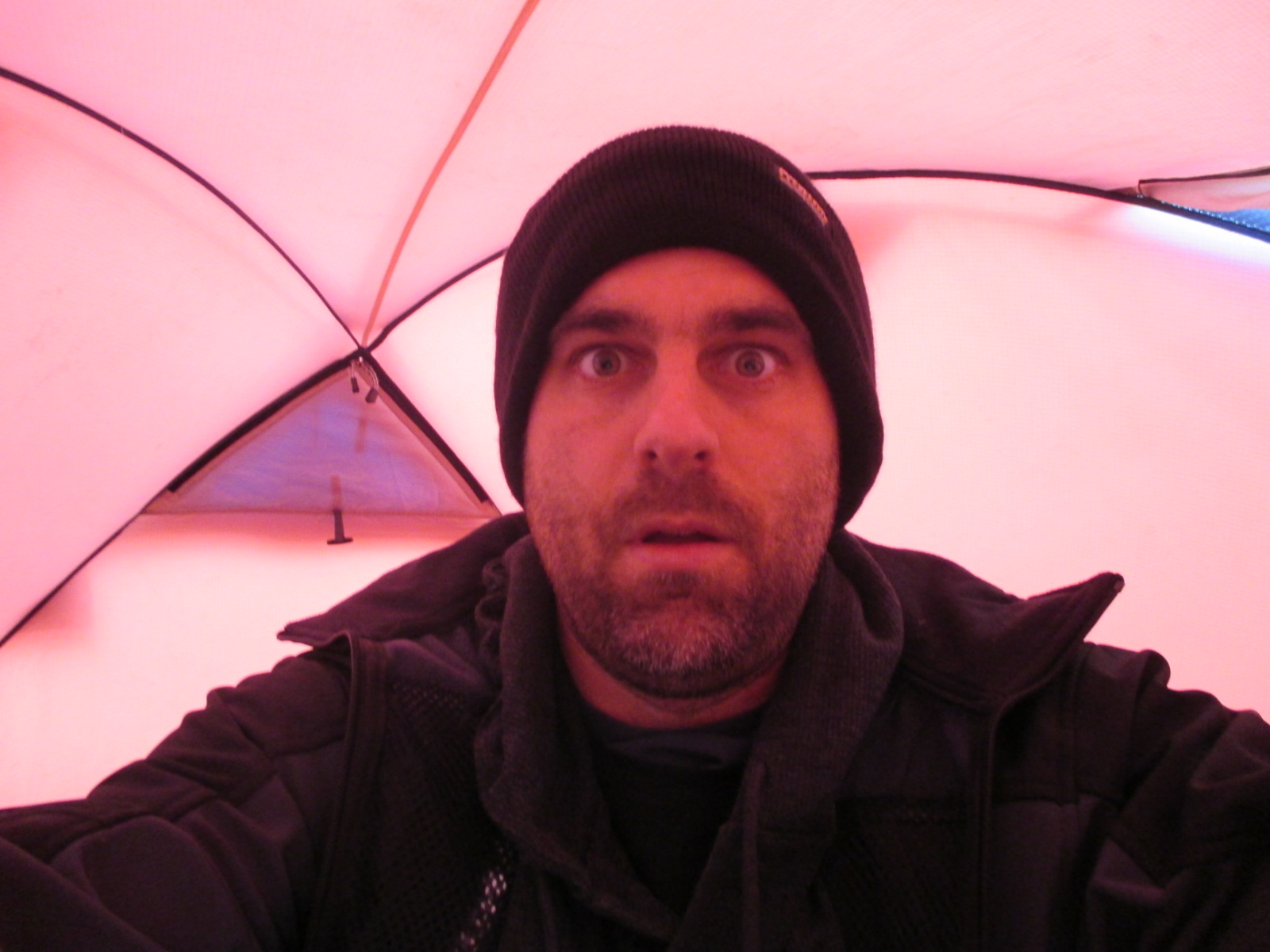
The first night was cooooollllld
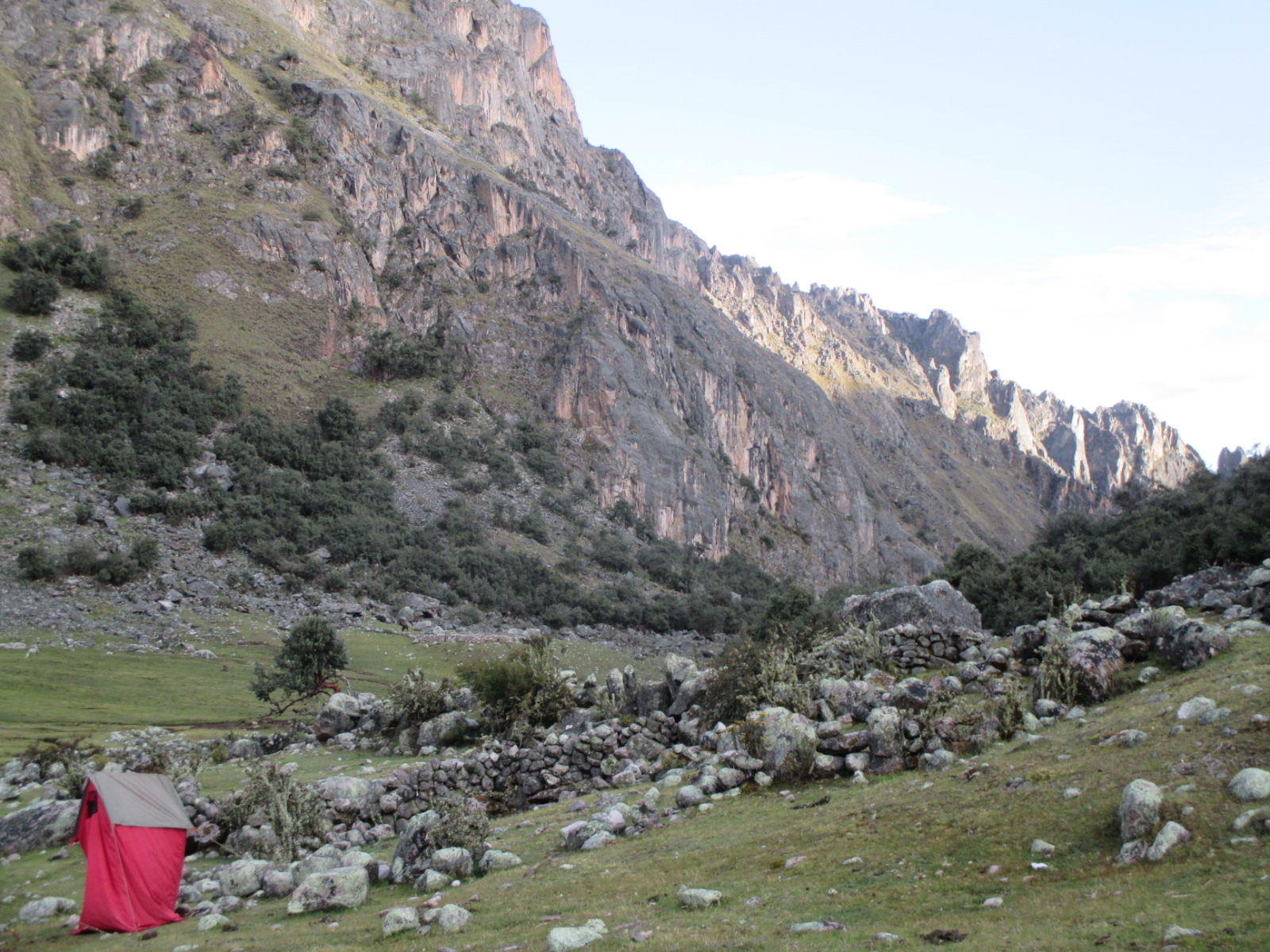
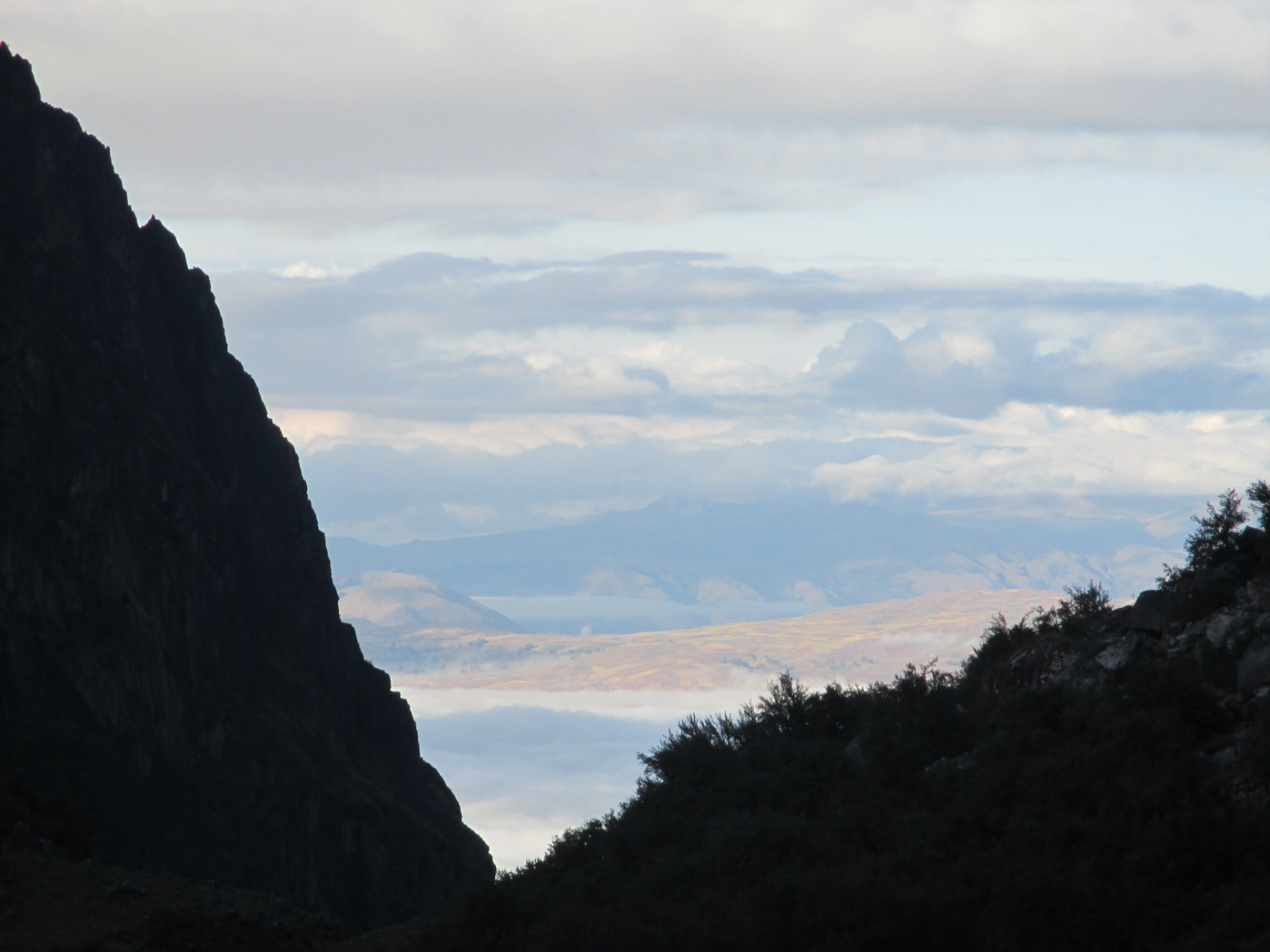
Bathroom with a view
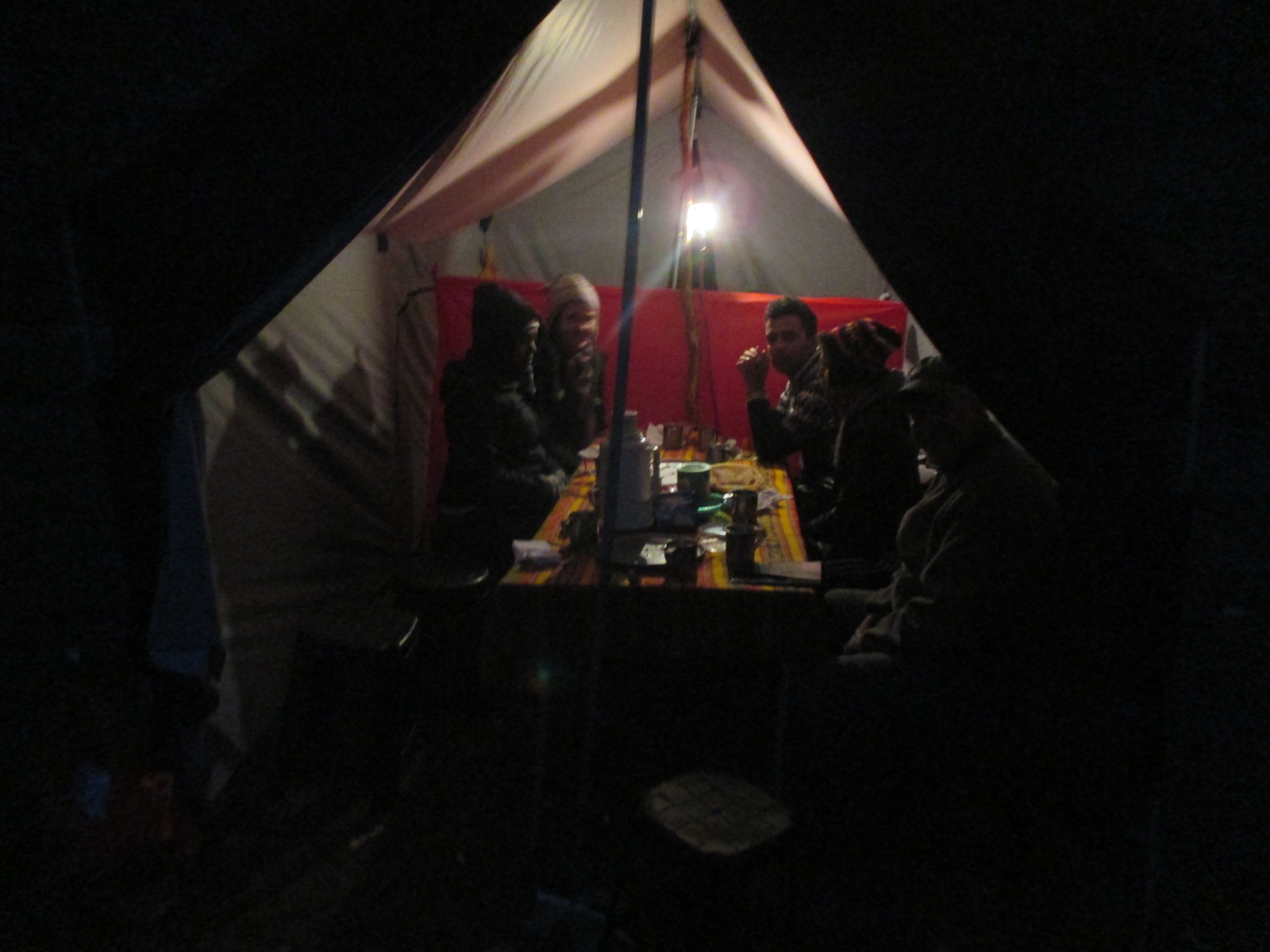
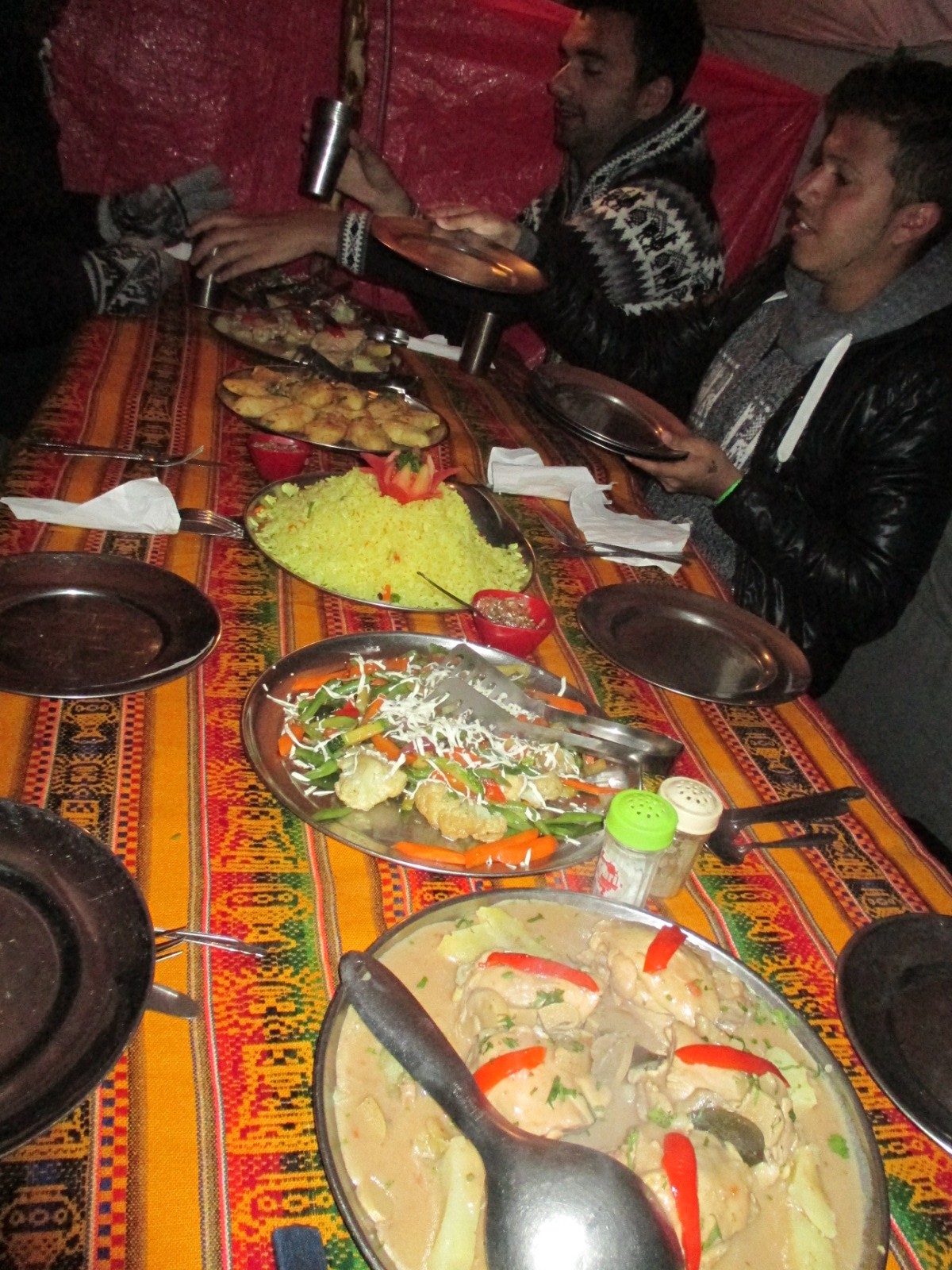
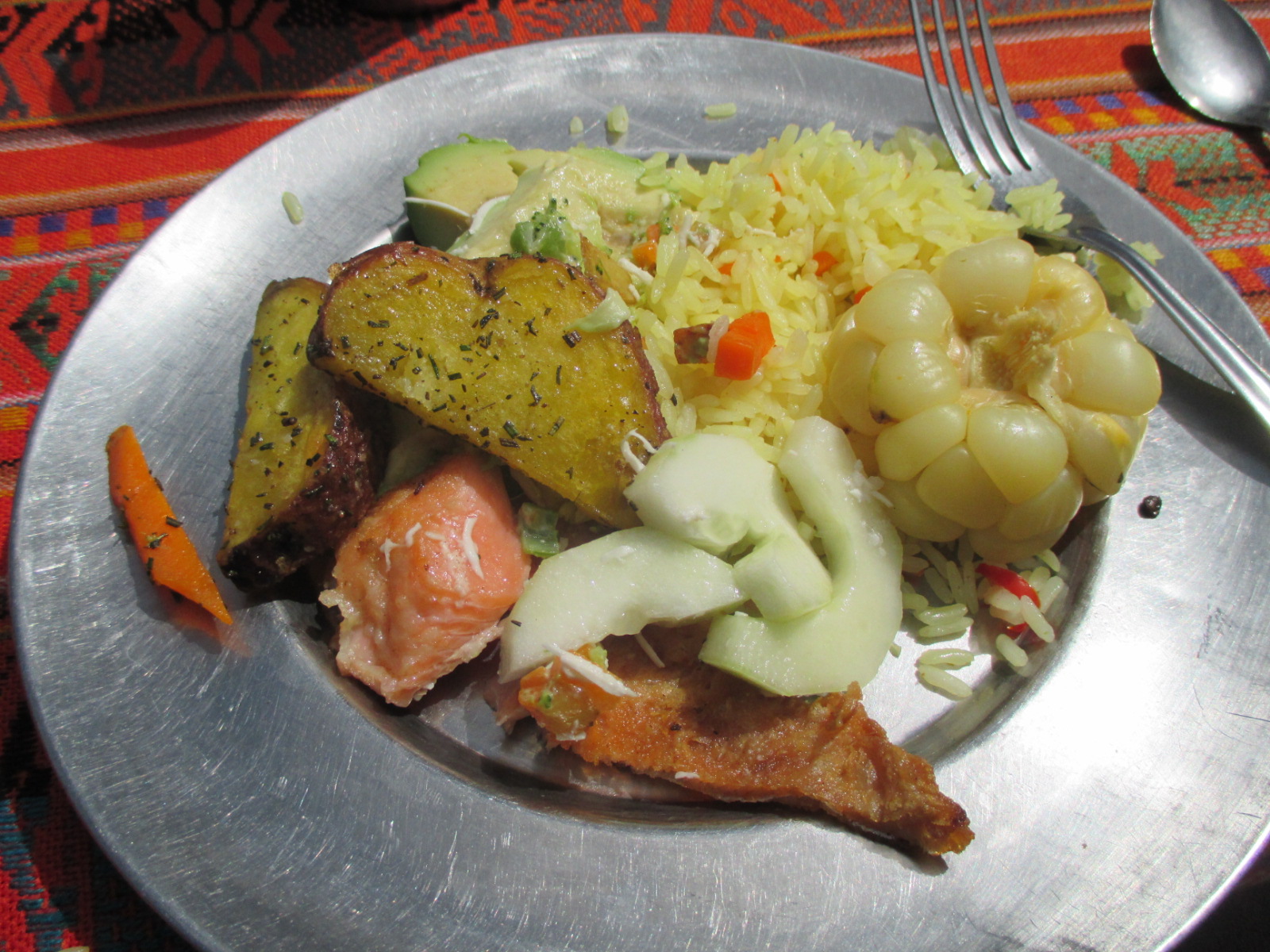
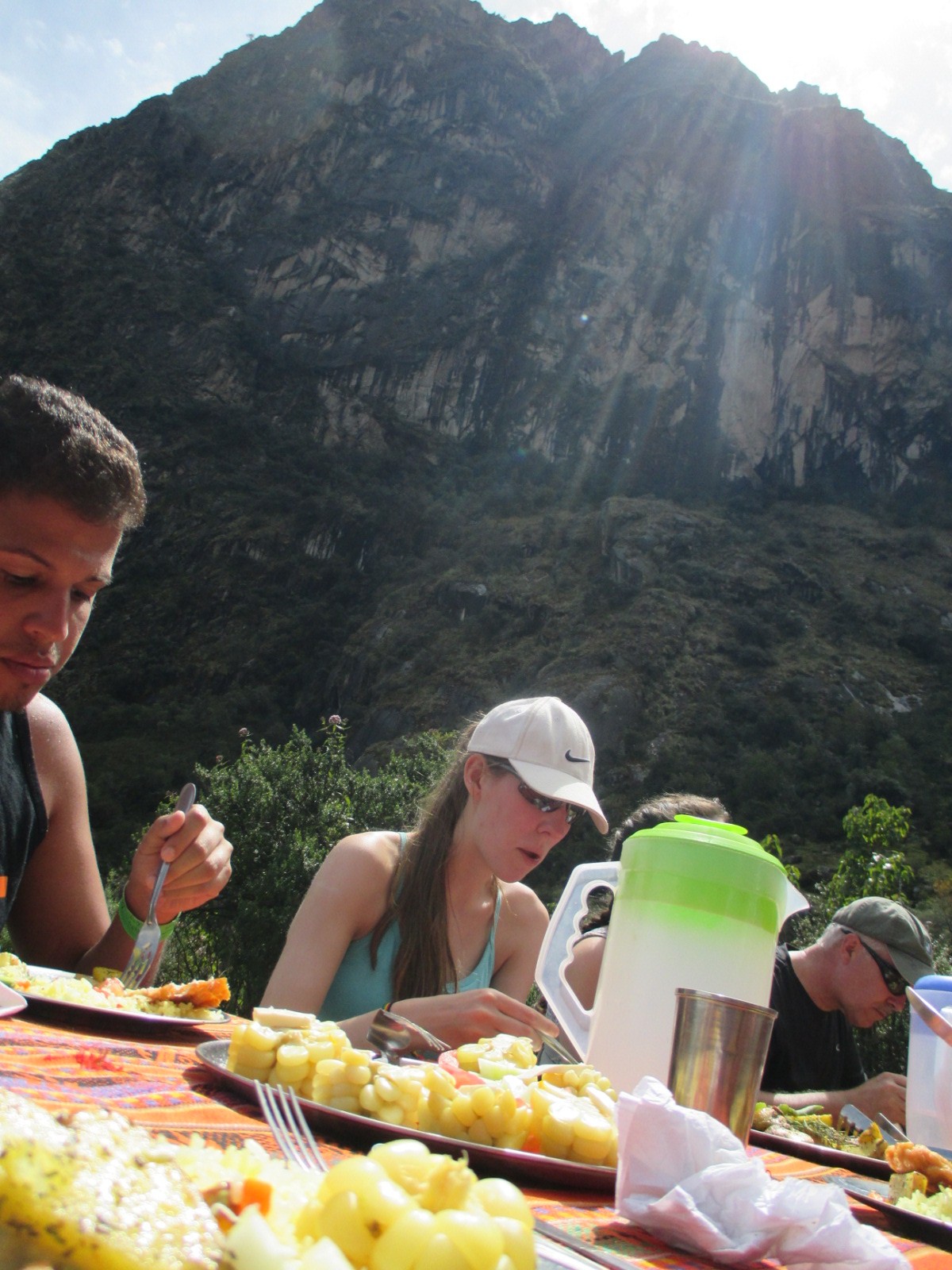
The food was amazing. and you should know that the cook and the porters ate just as well as we did
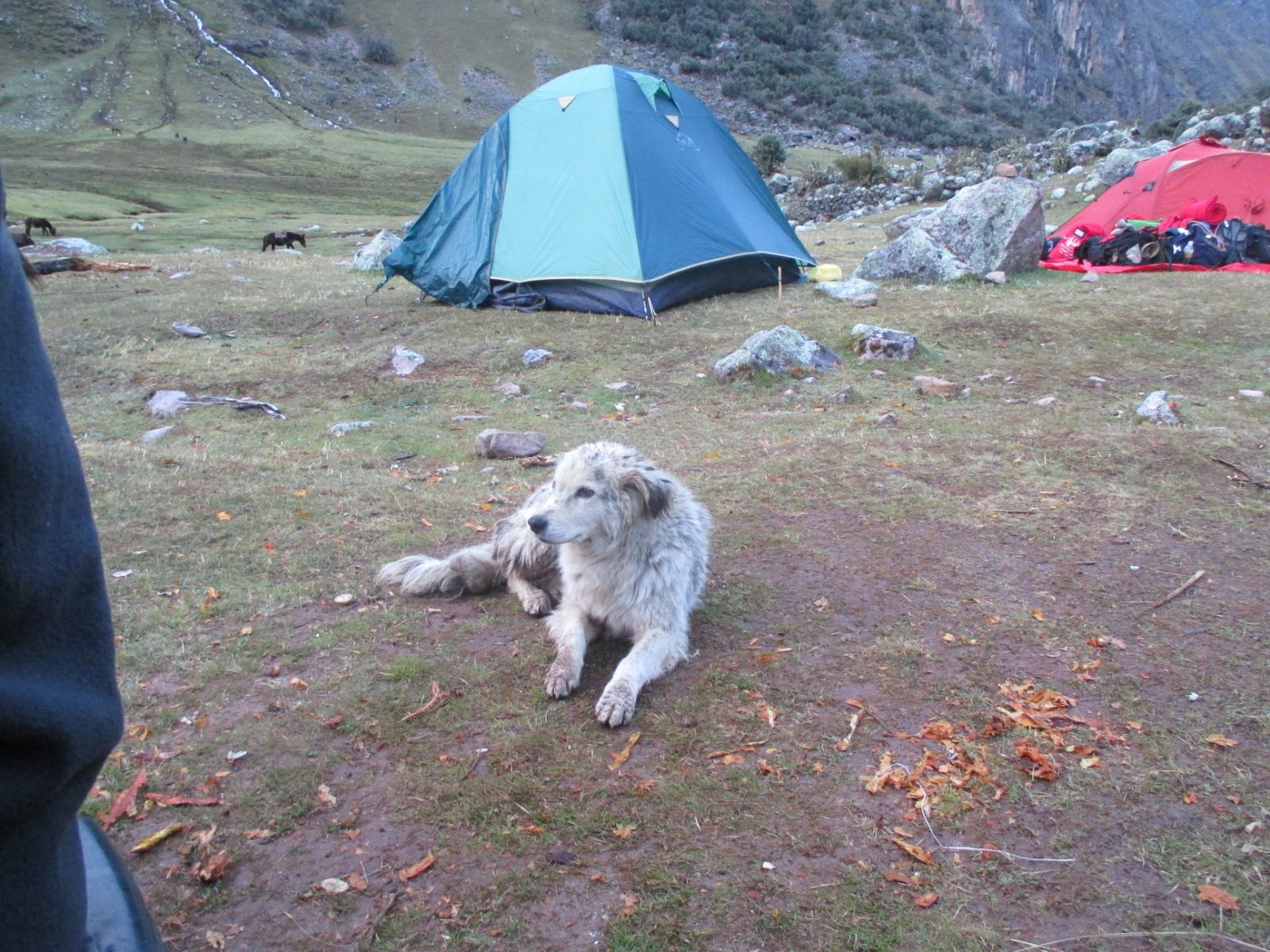
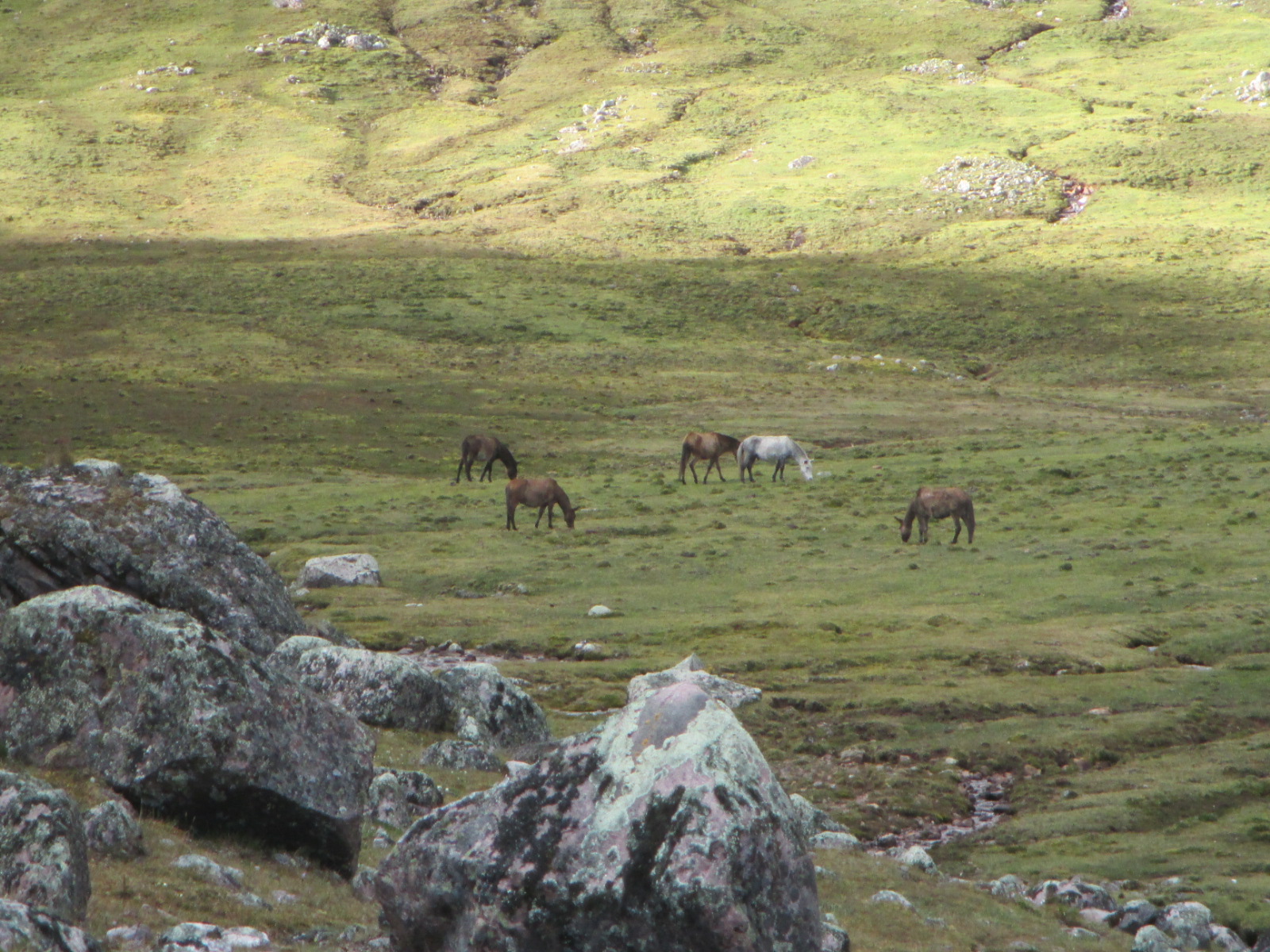
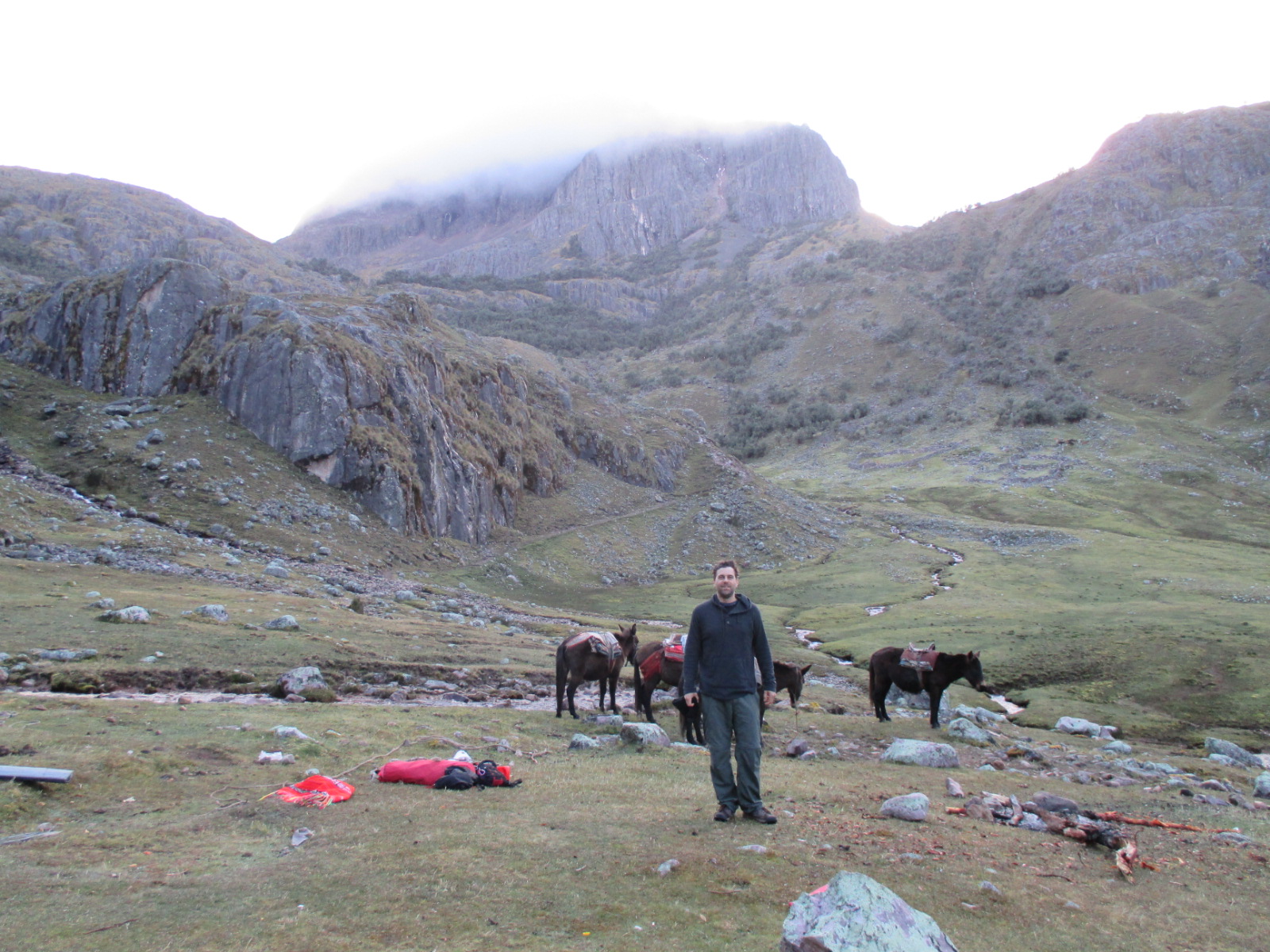
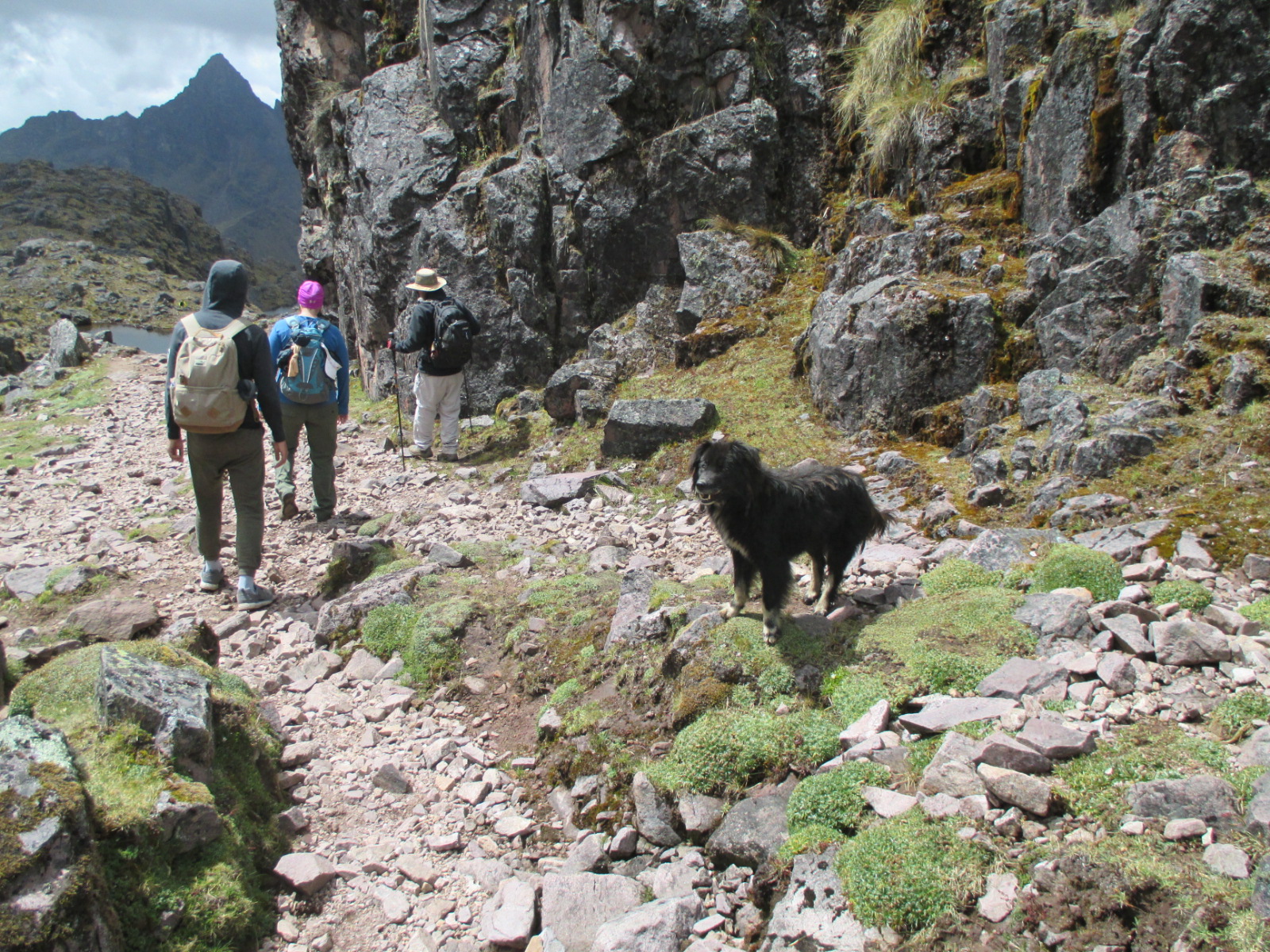
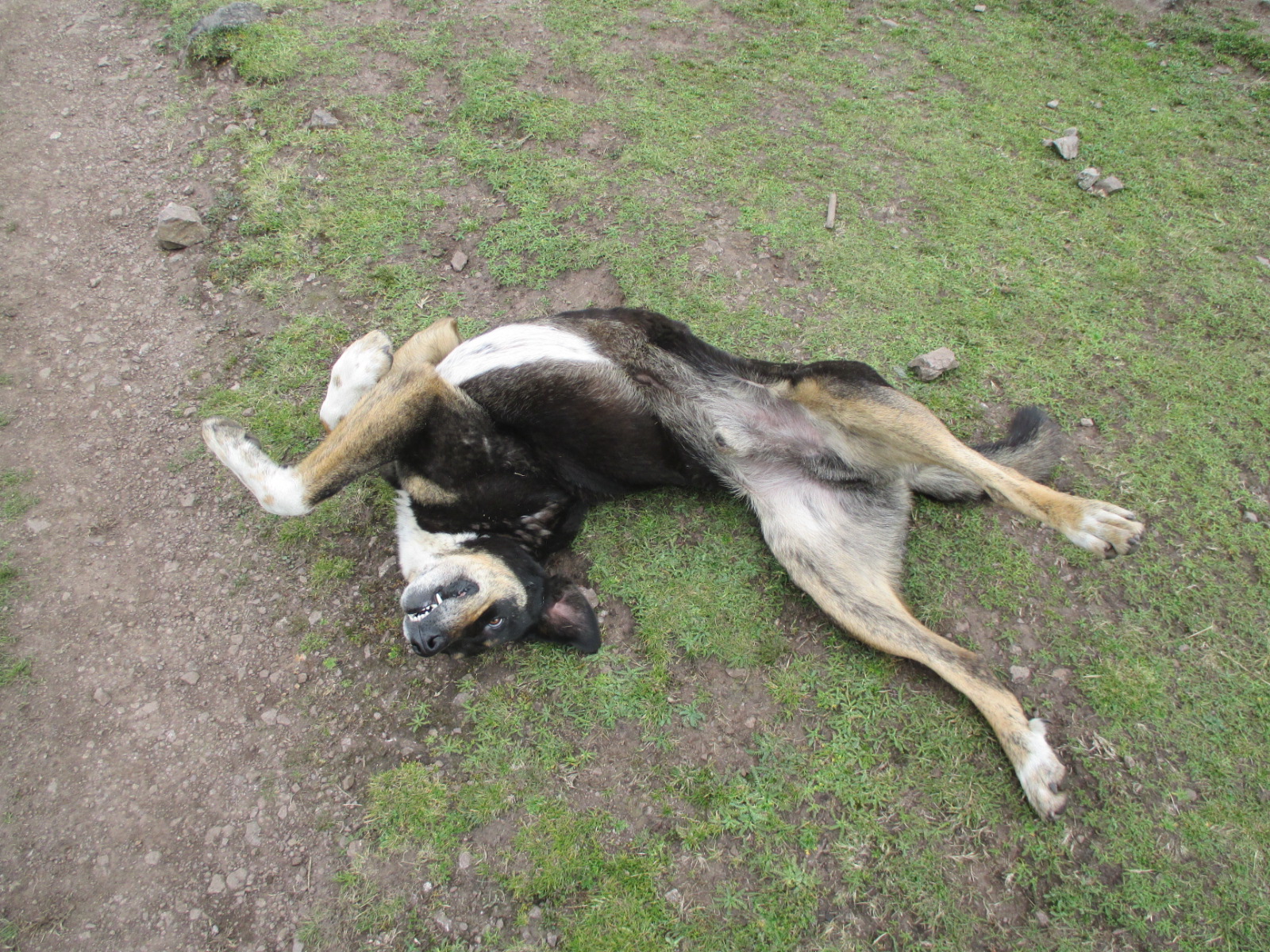
Two dogs did the hike with us and kept the Pumas and other critters away from our camp at night.
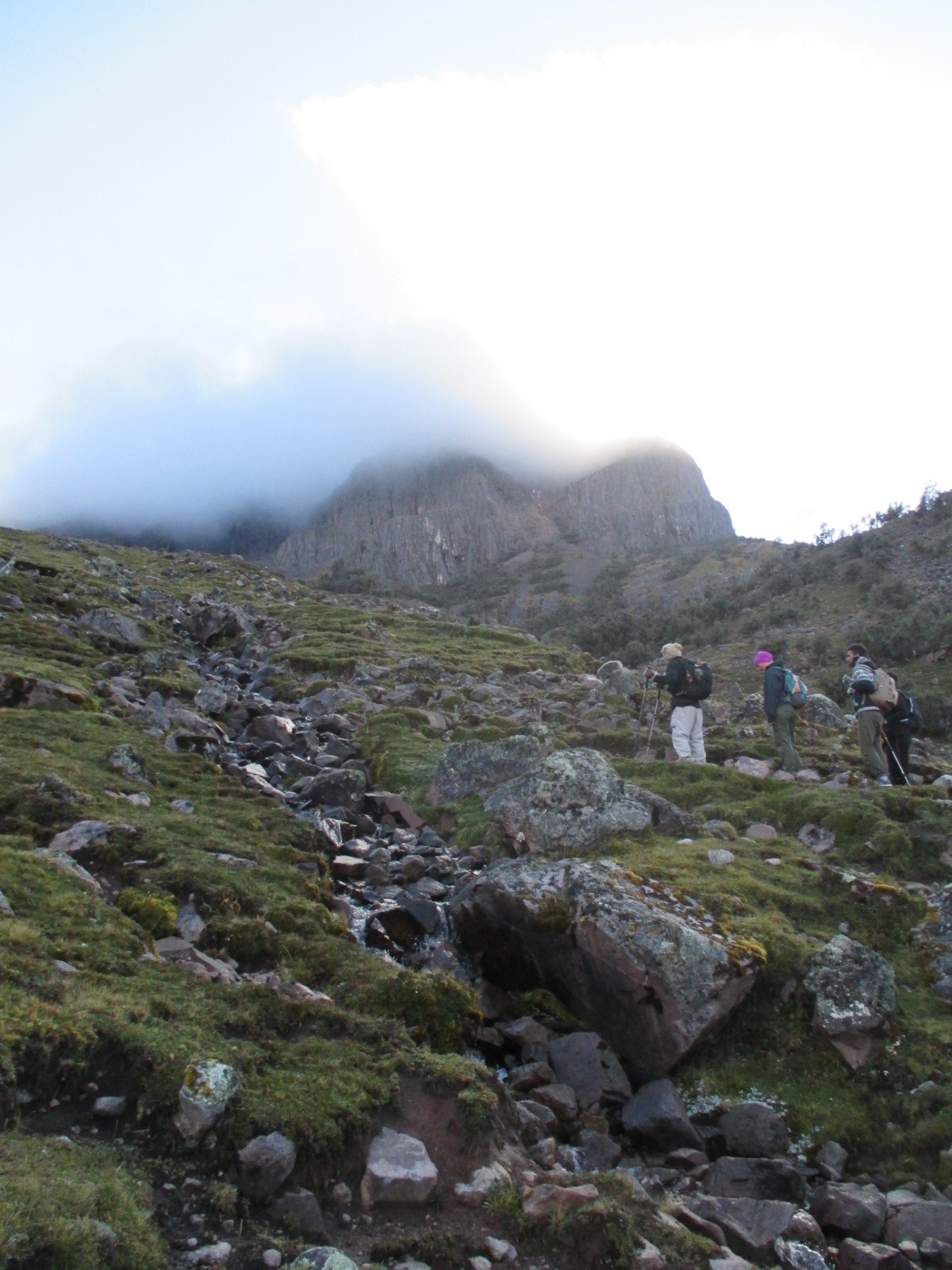

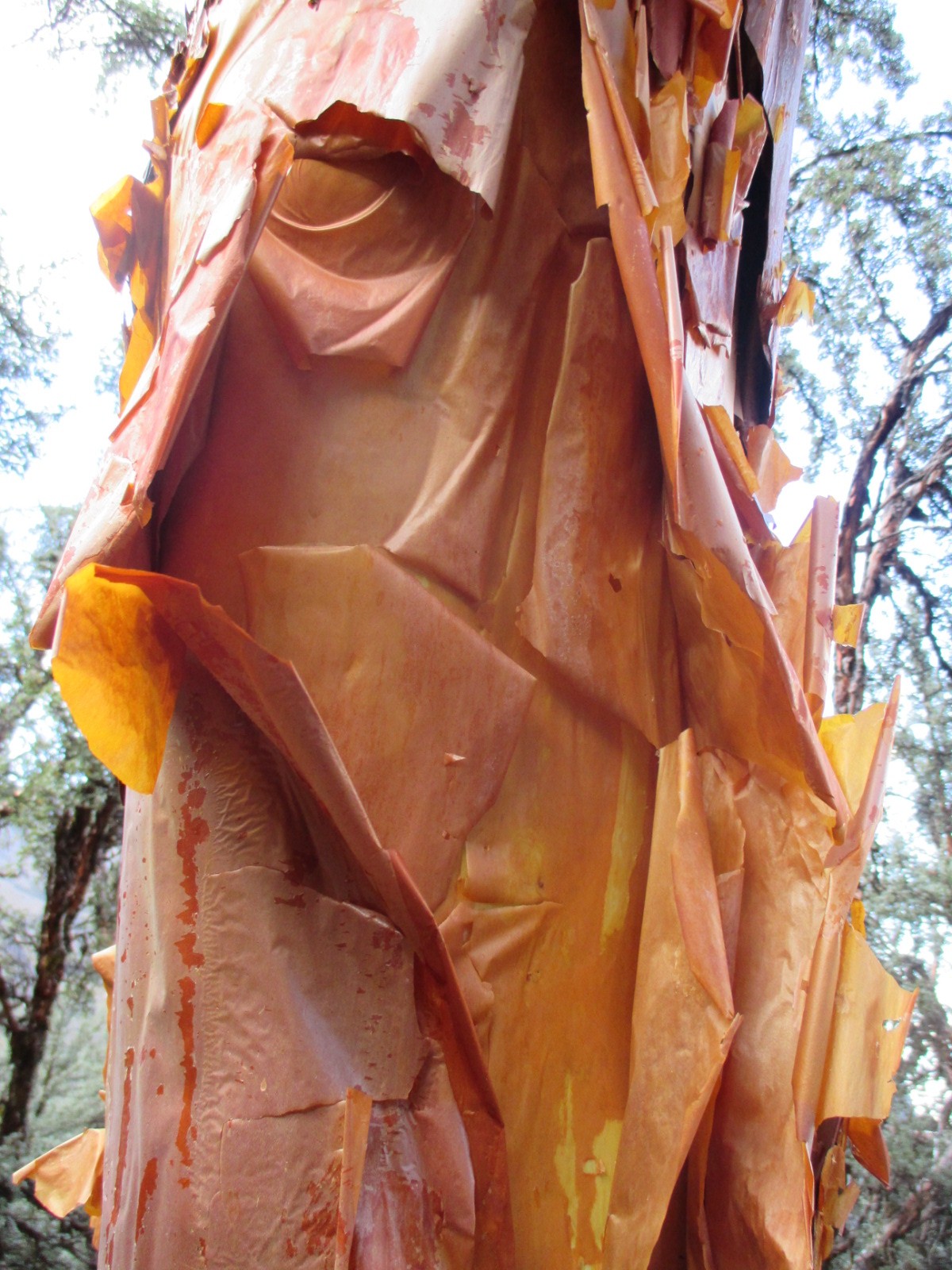
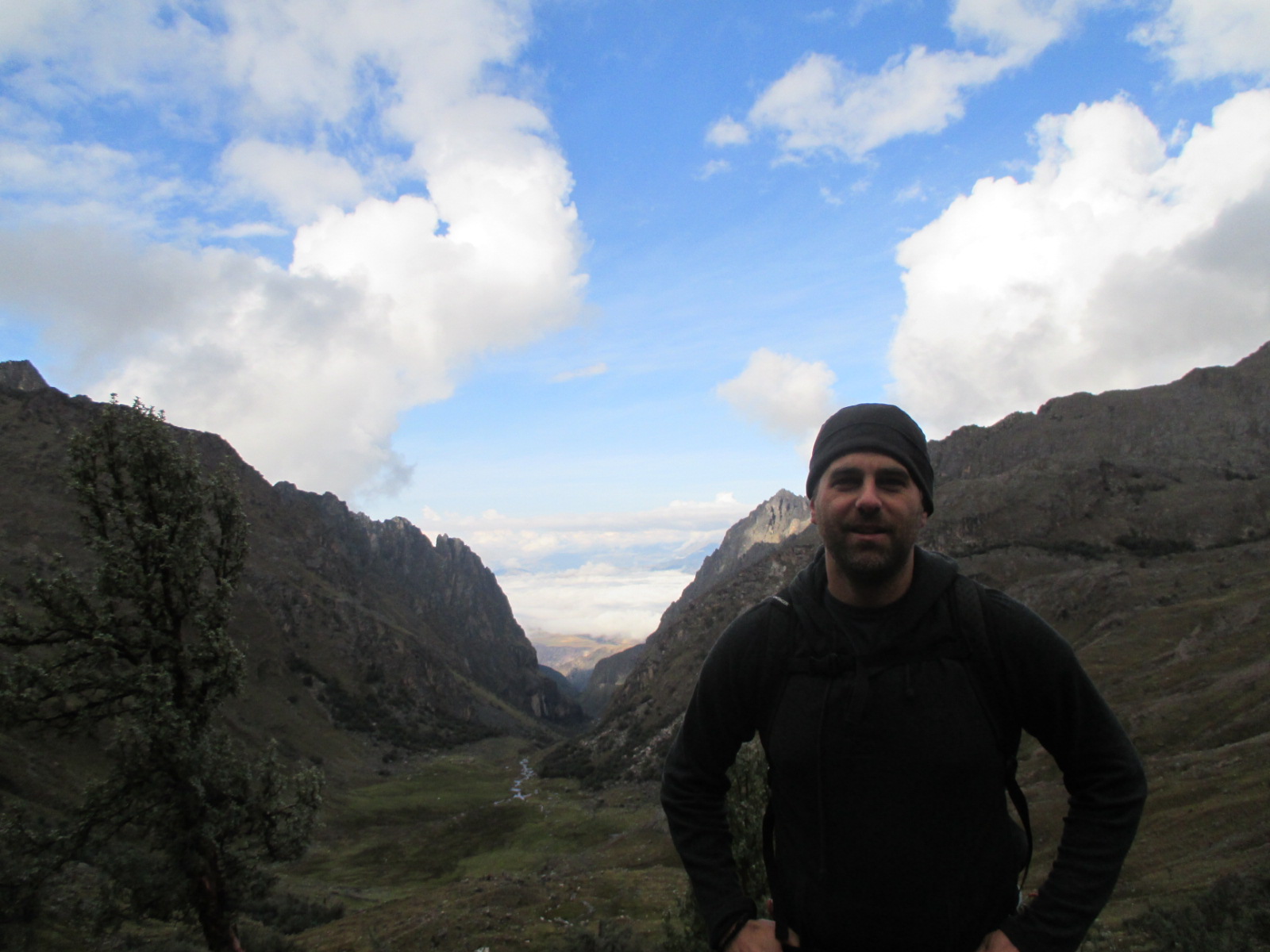
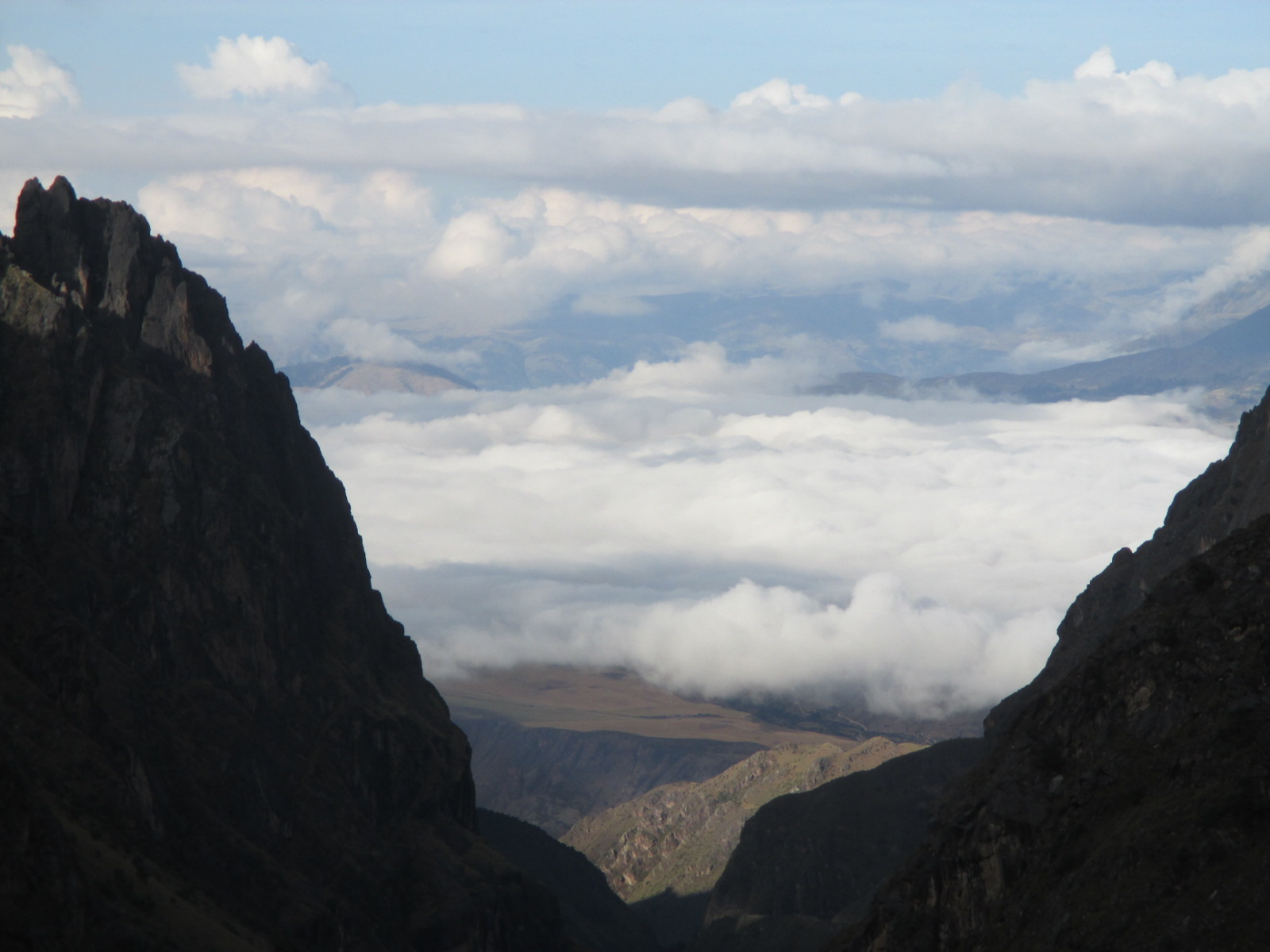
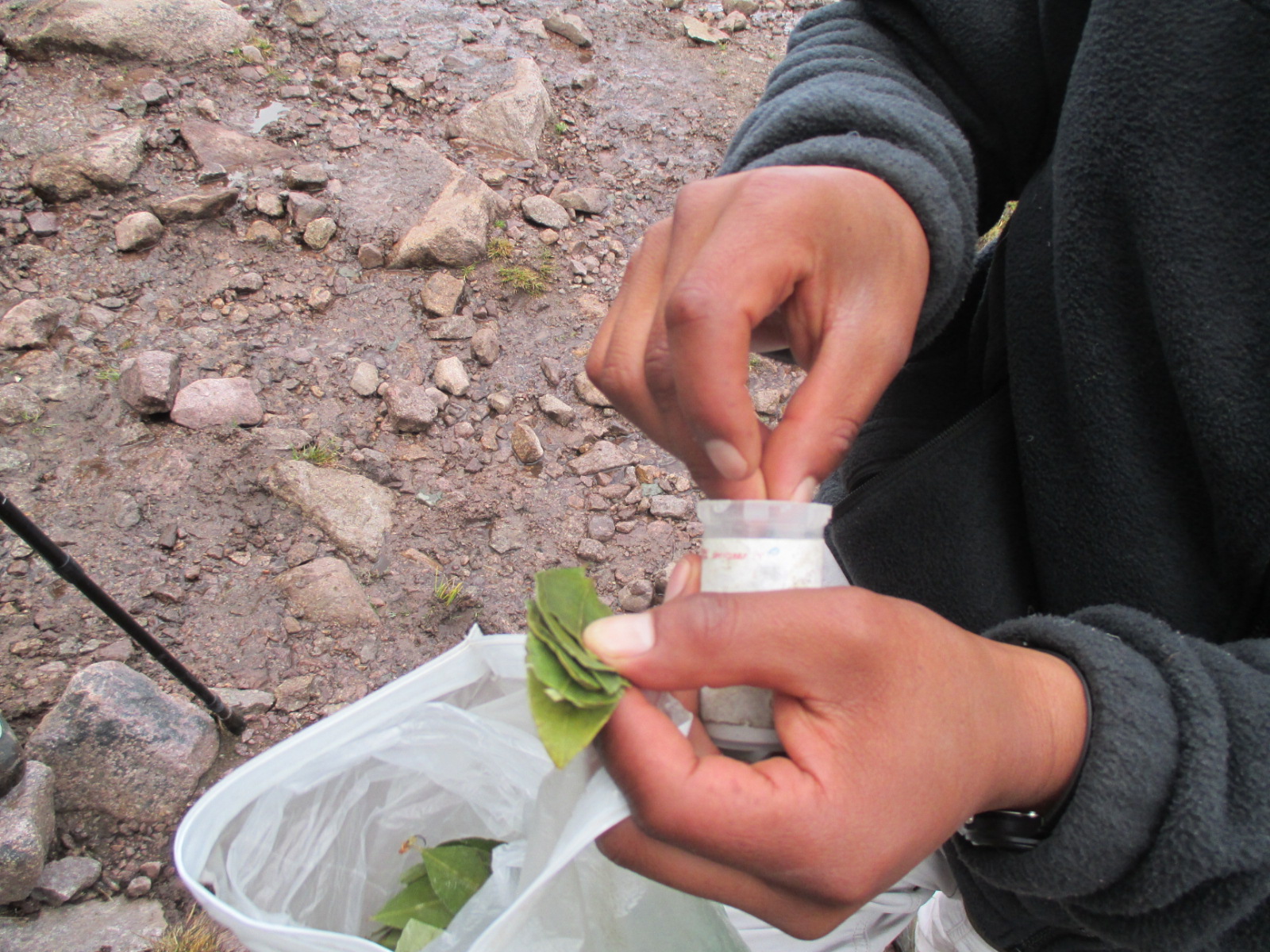
Santiago rolls the ashes of quinoa and stevia plant into the coca leaves and shows us how to chew it.
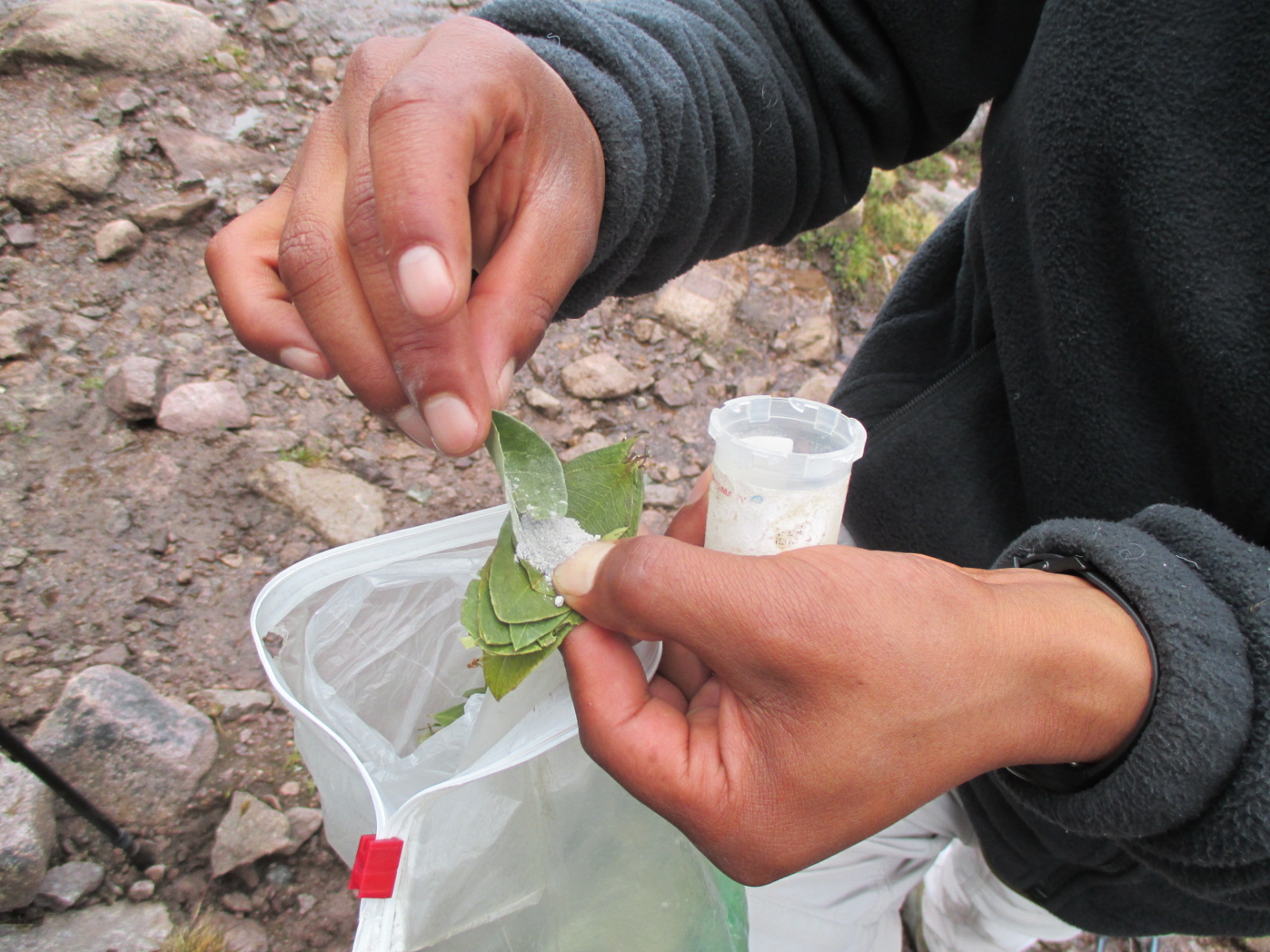
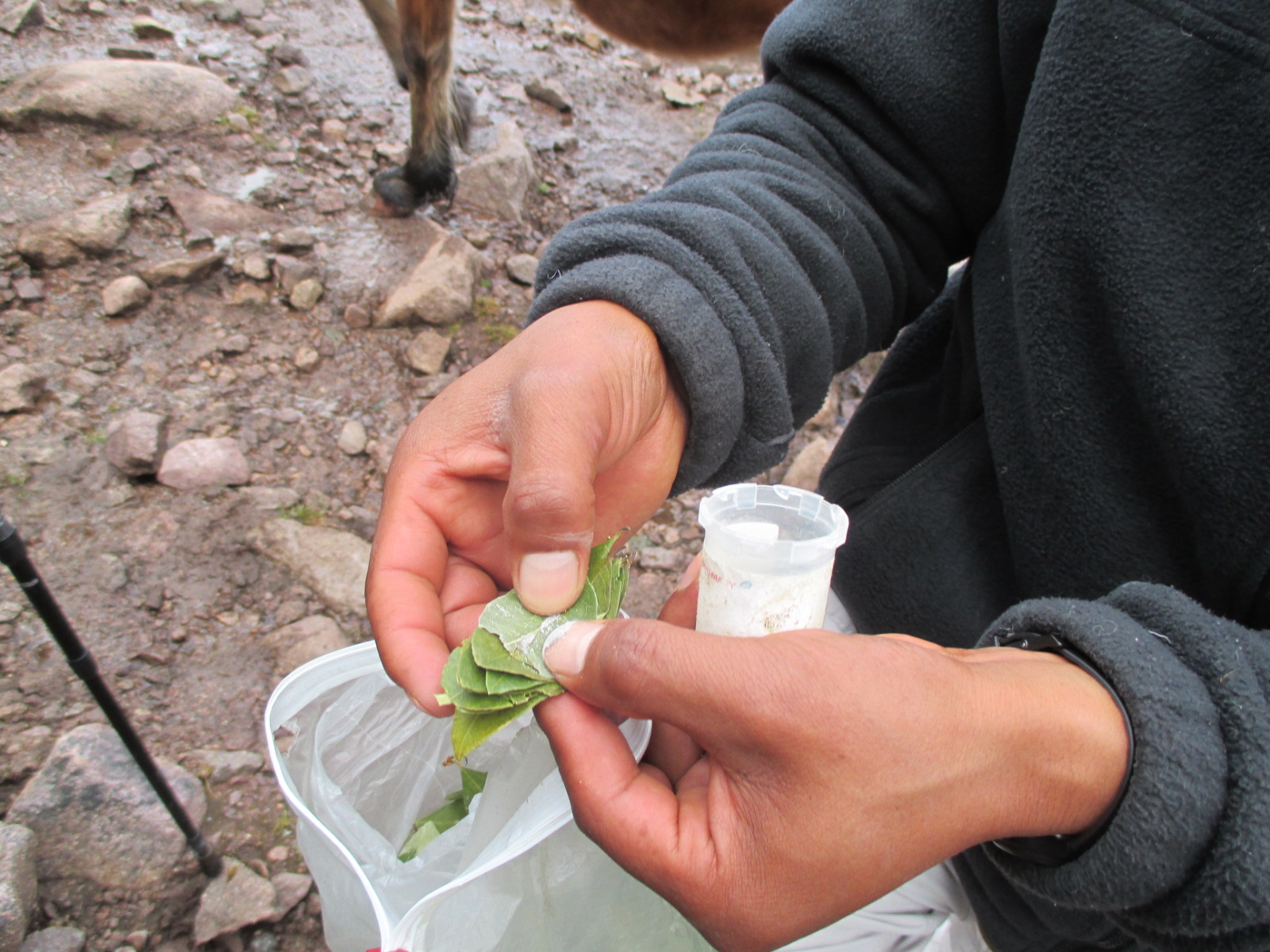
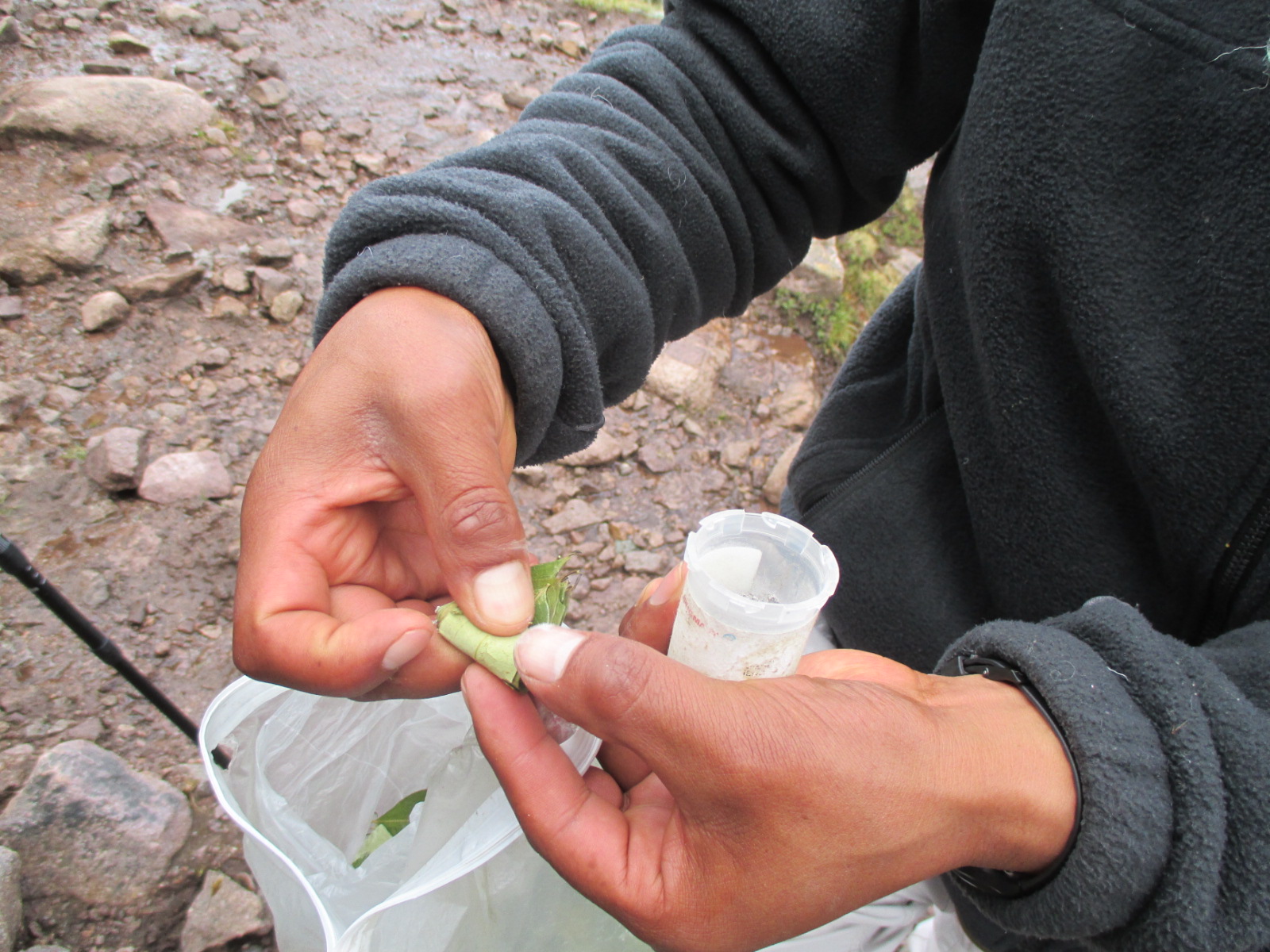
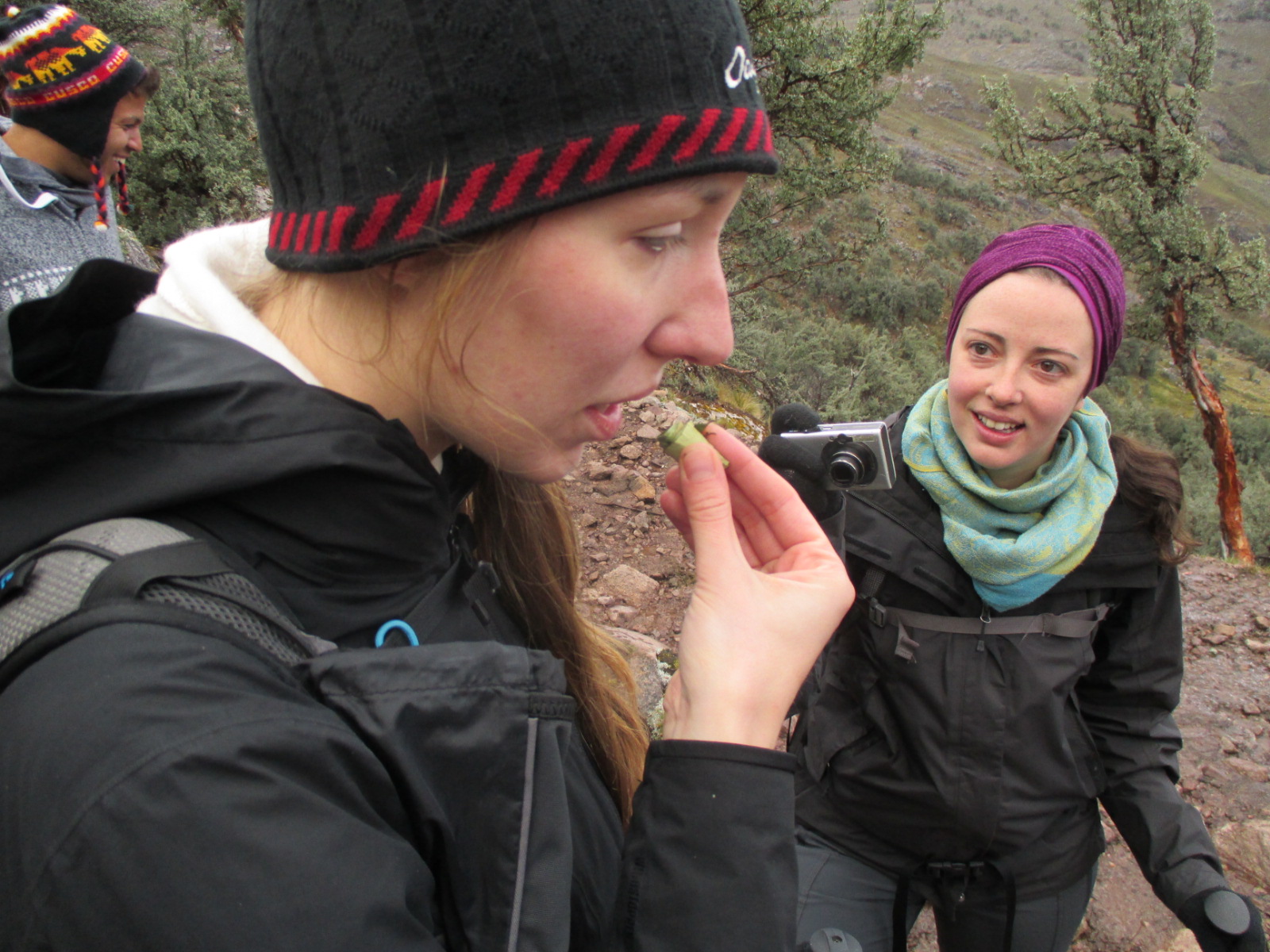
Stephanie wasn´t feeling well but after she chewed the coca she felt a lot better. Her best friend Christine looks on to see if she´s going to explode or something. These two are from Canada
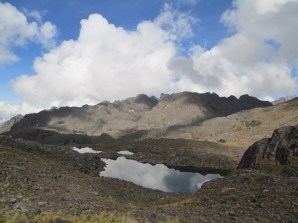
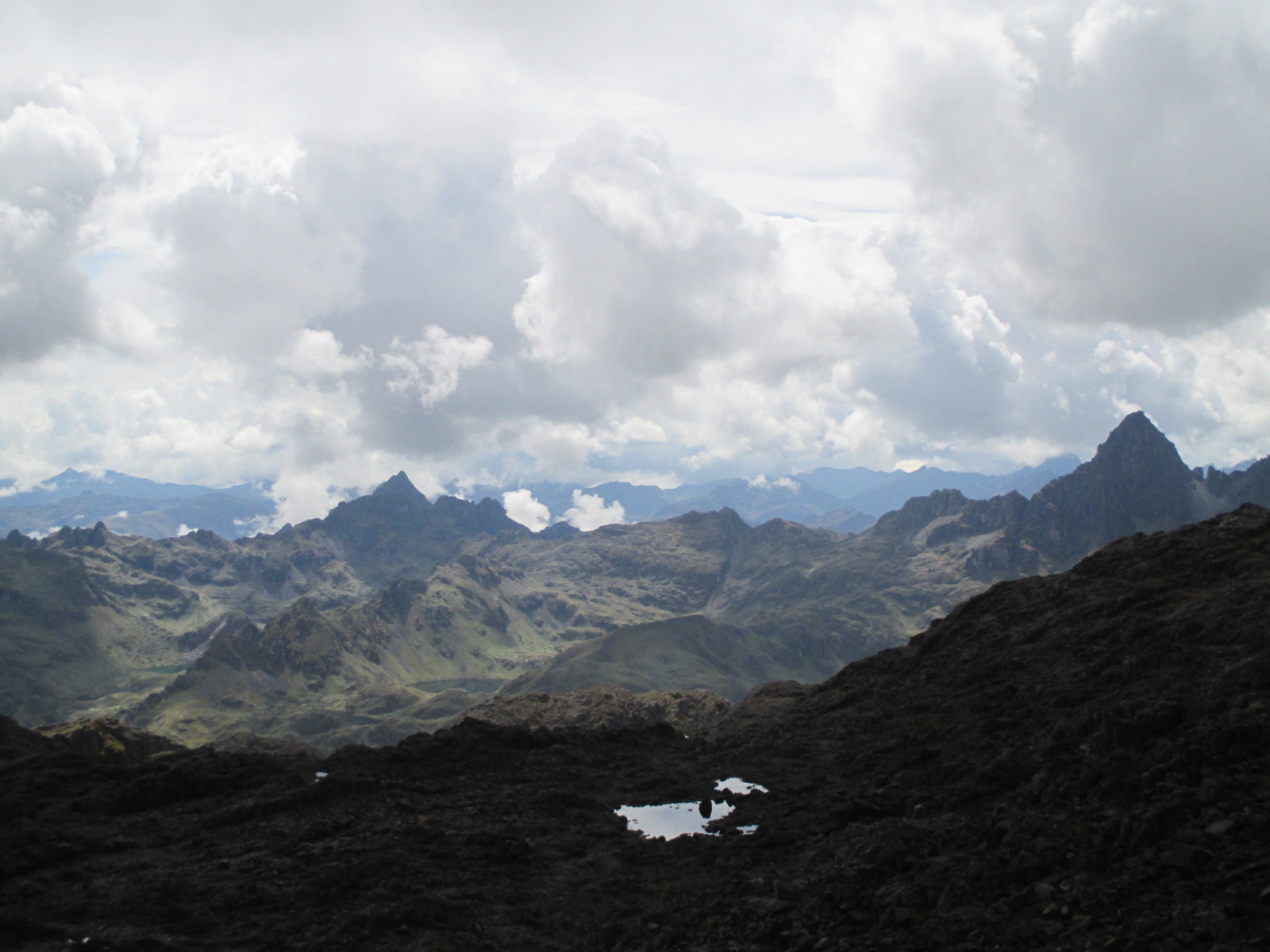
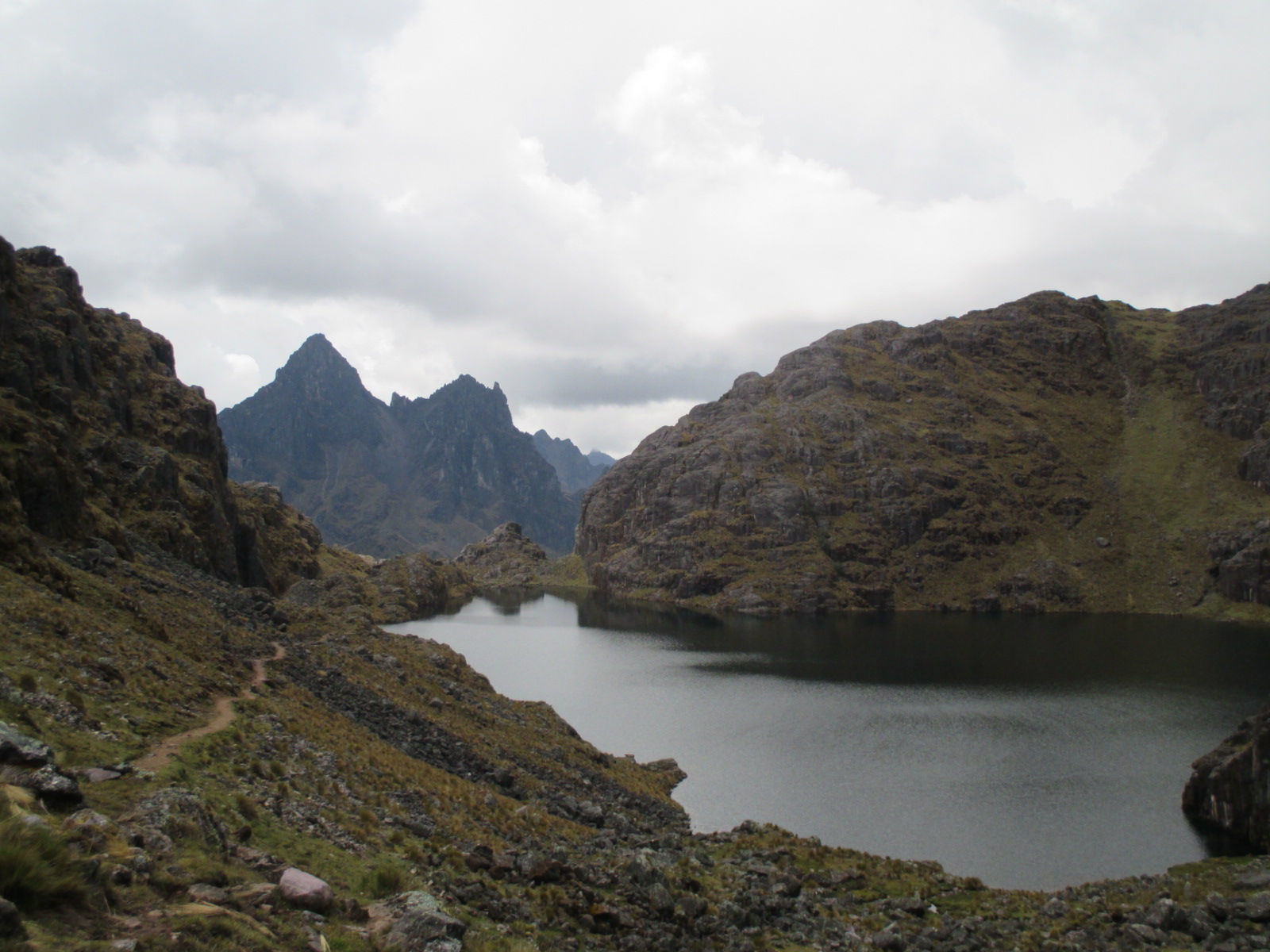
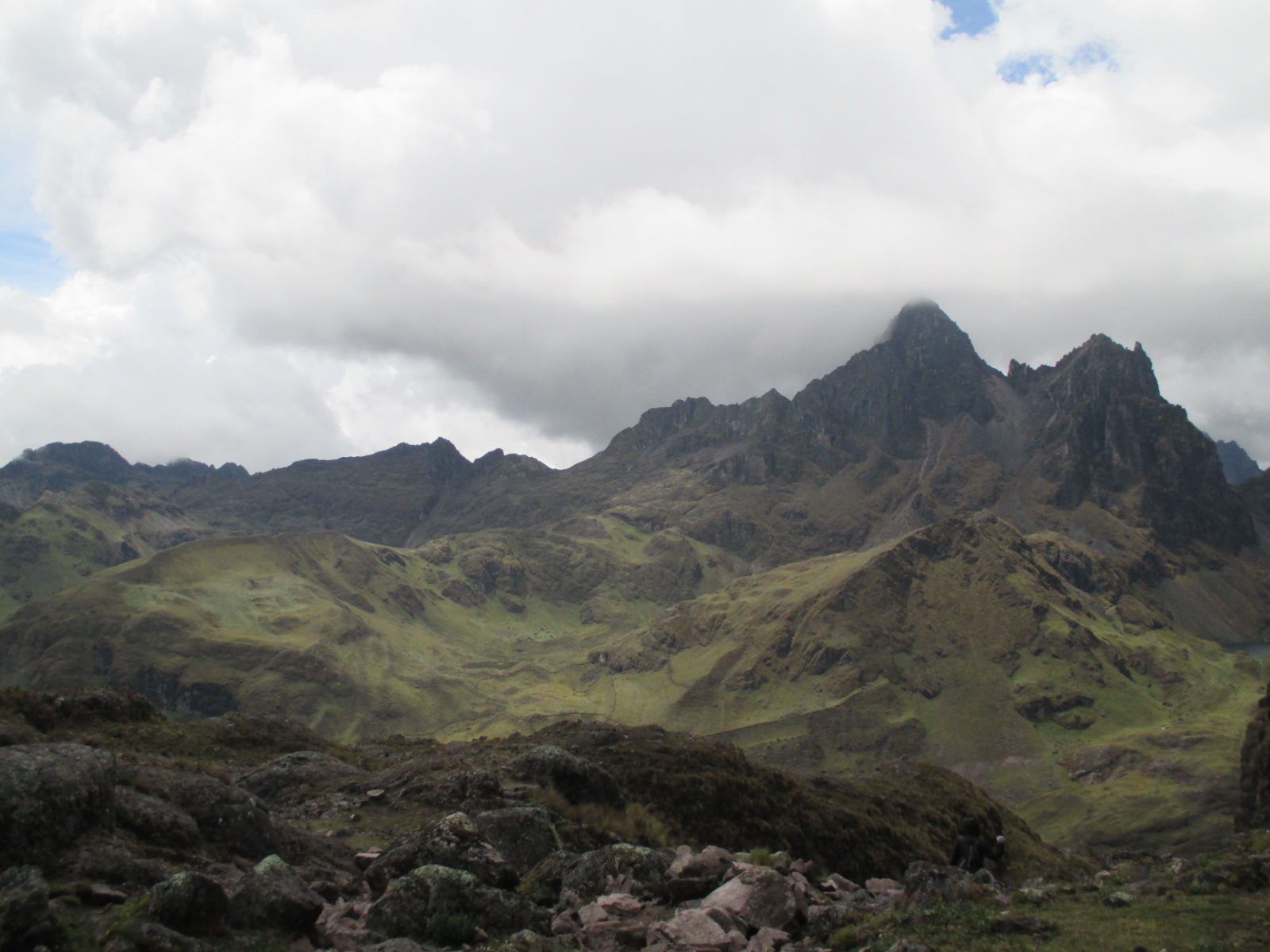
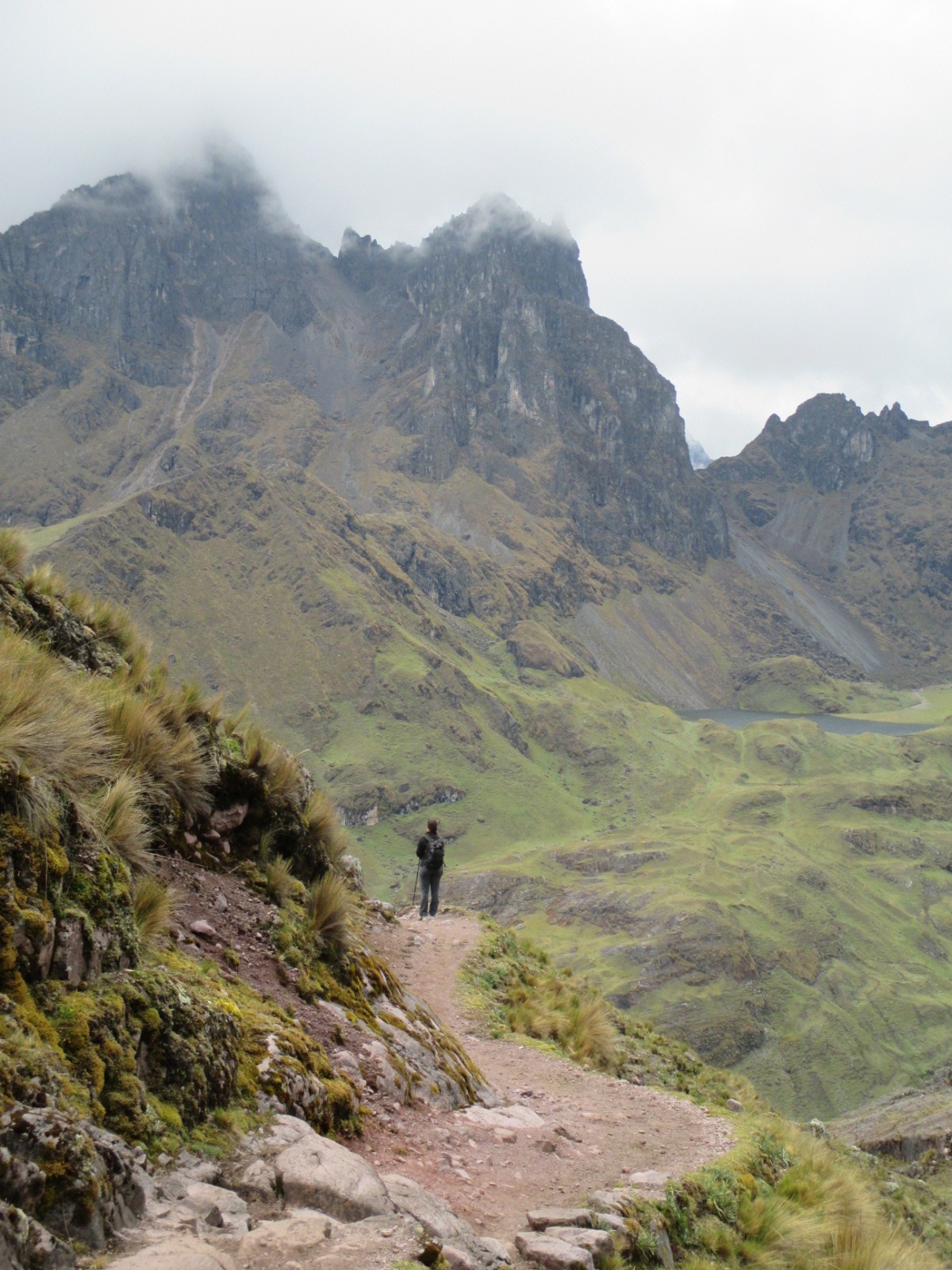
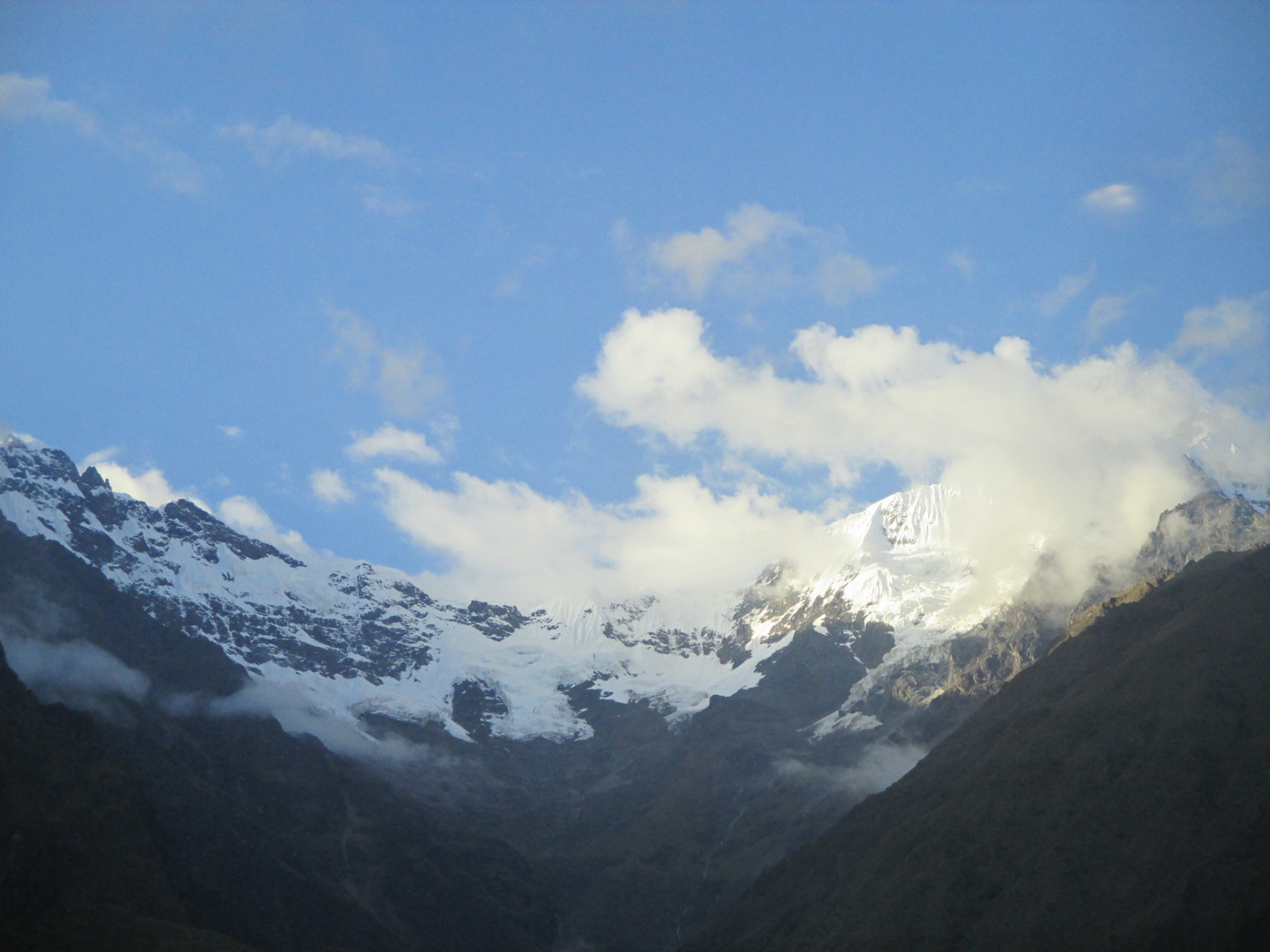
We’re past the tree line now where the air is too thin and cold for much of anything to grow.
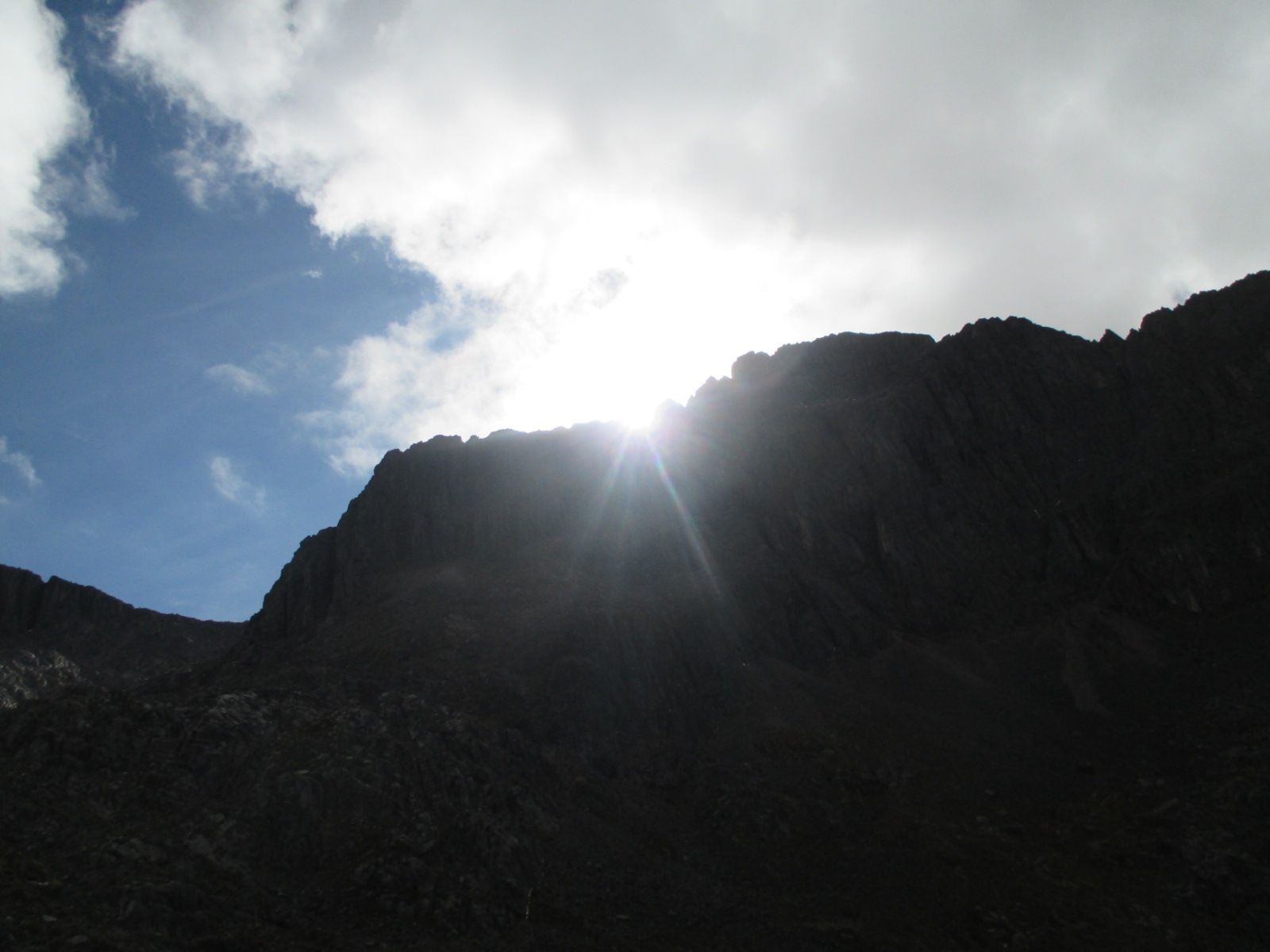
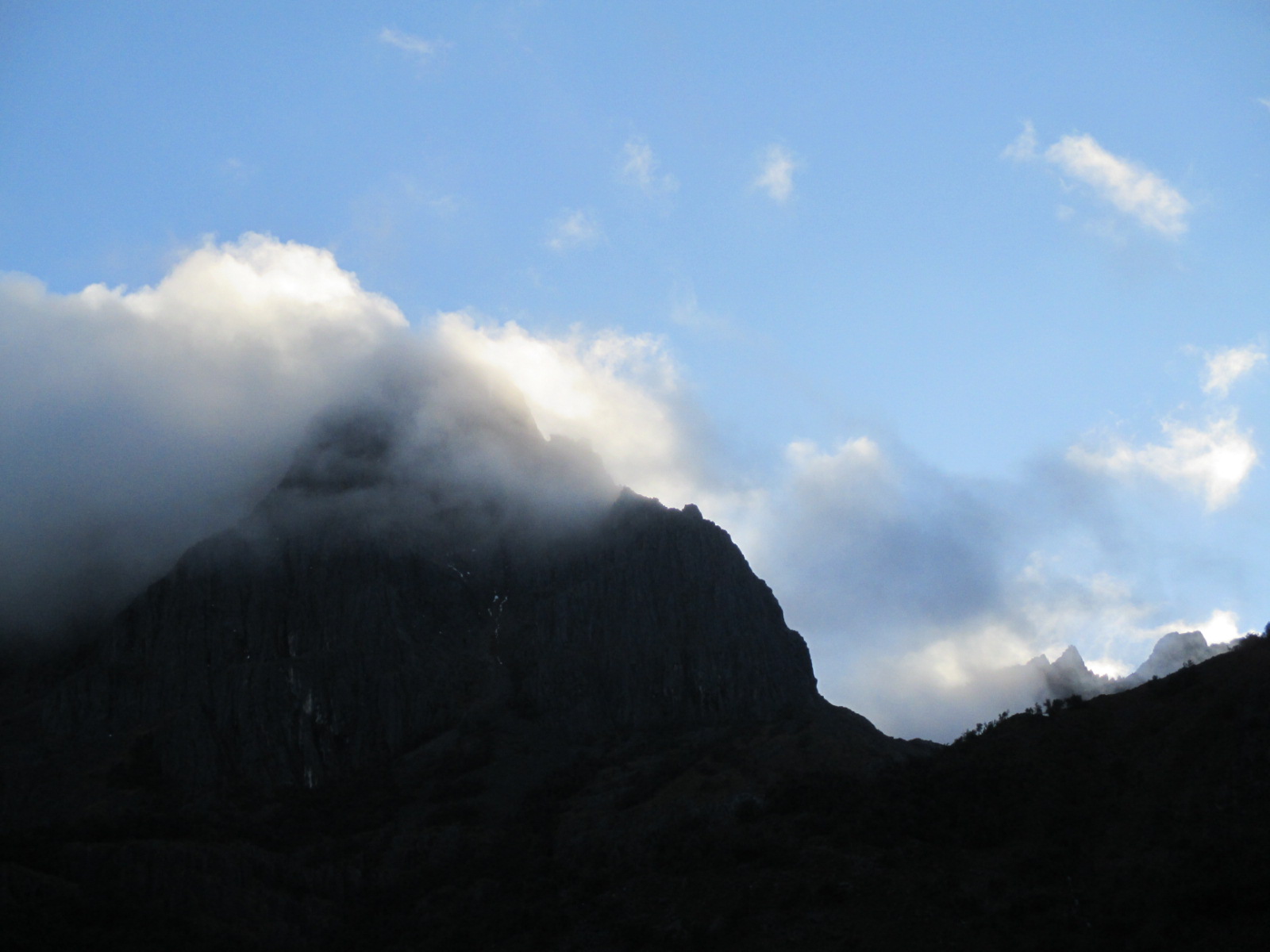
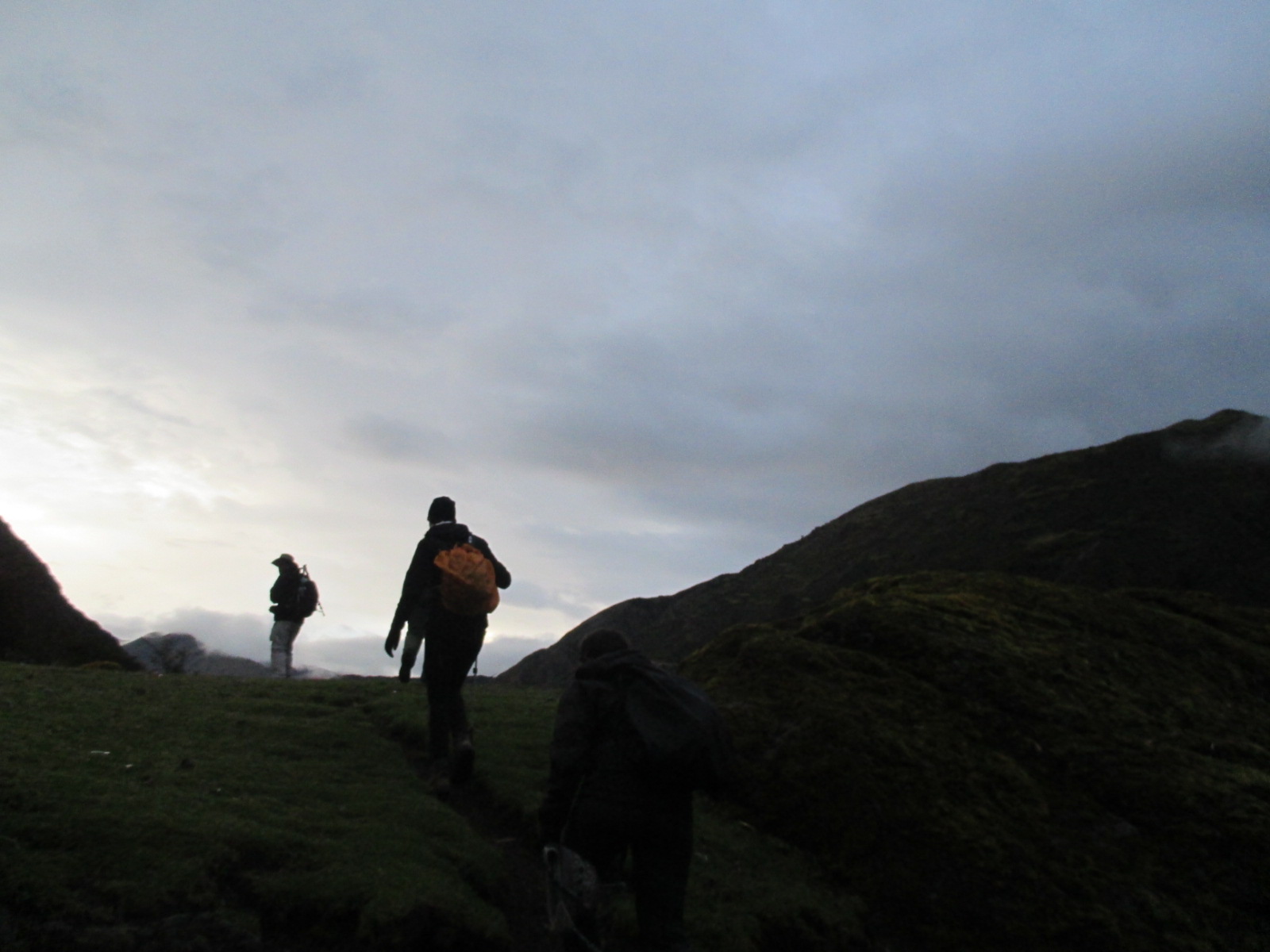
Sunrise on the second day
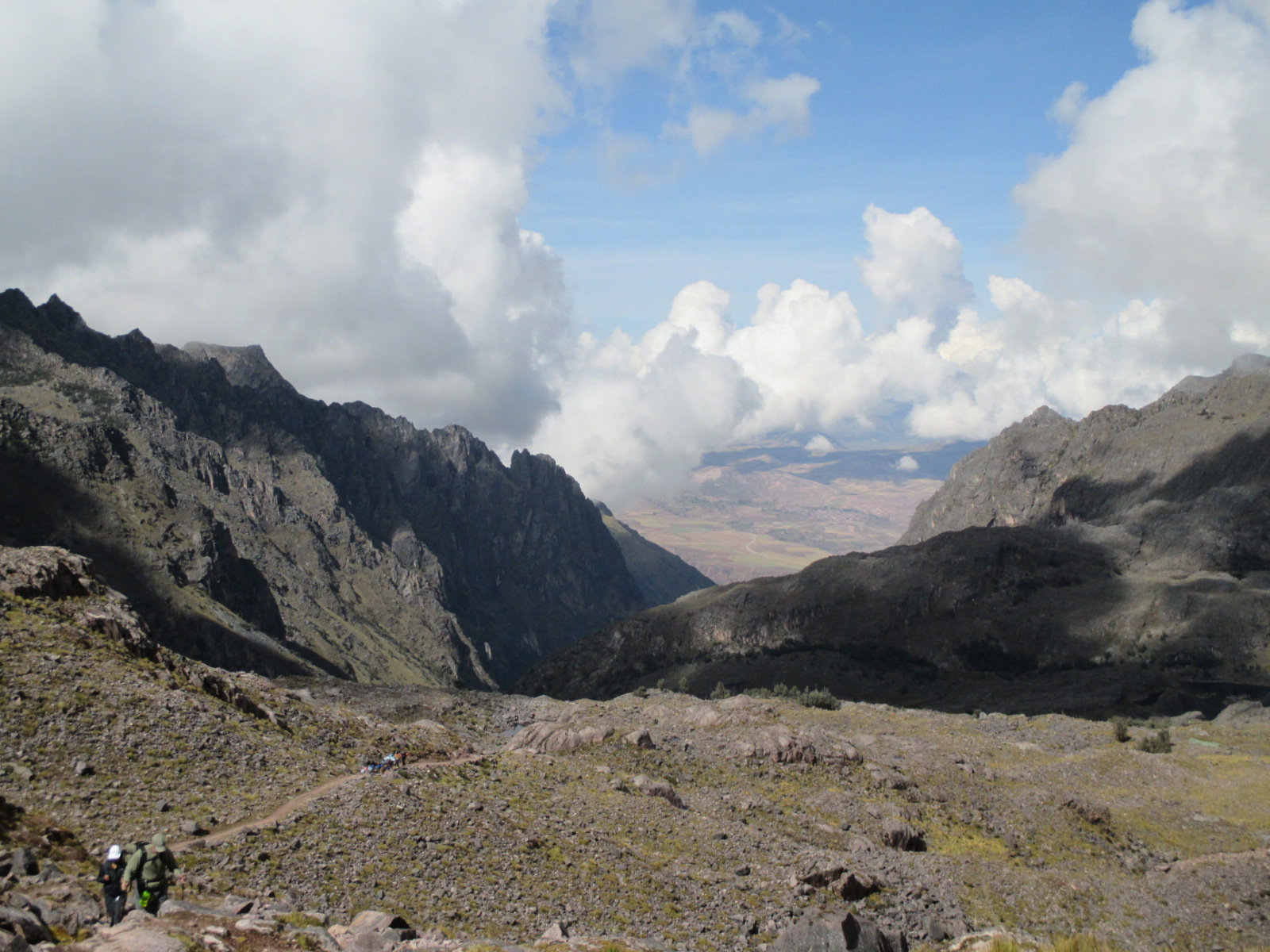
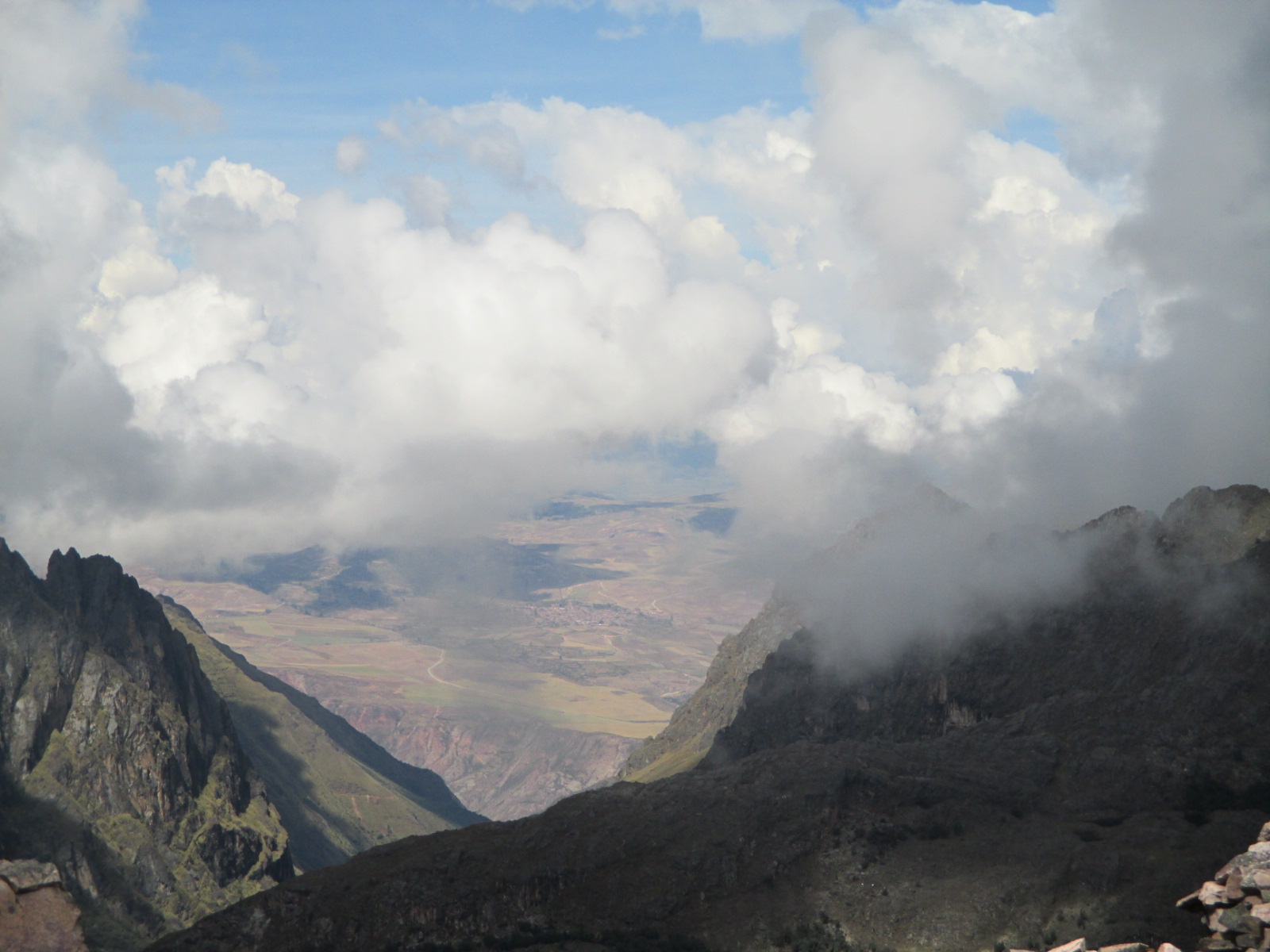
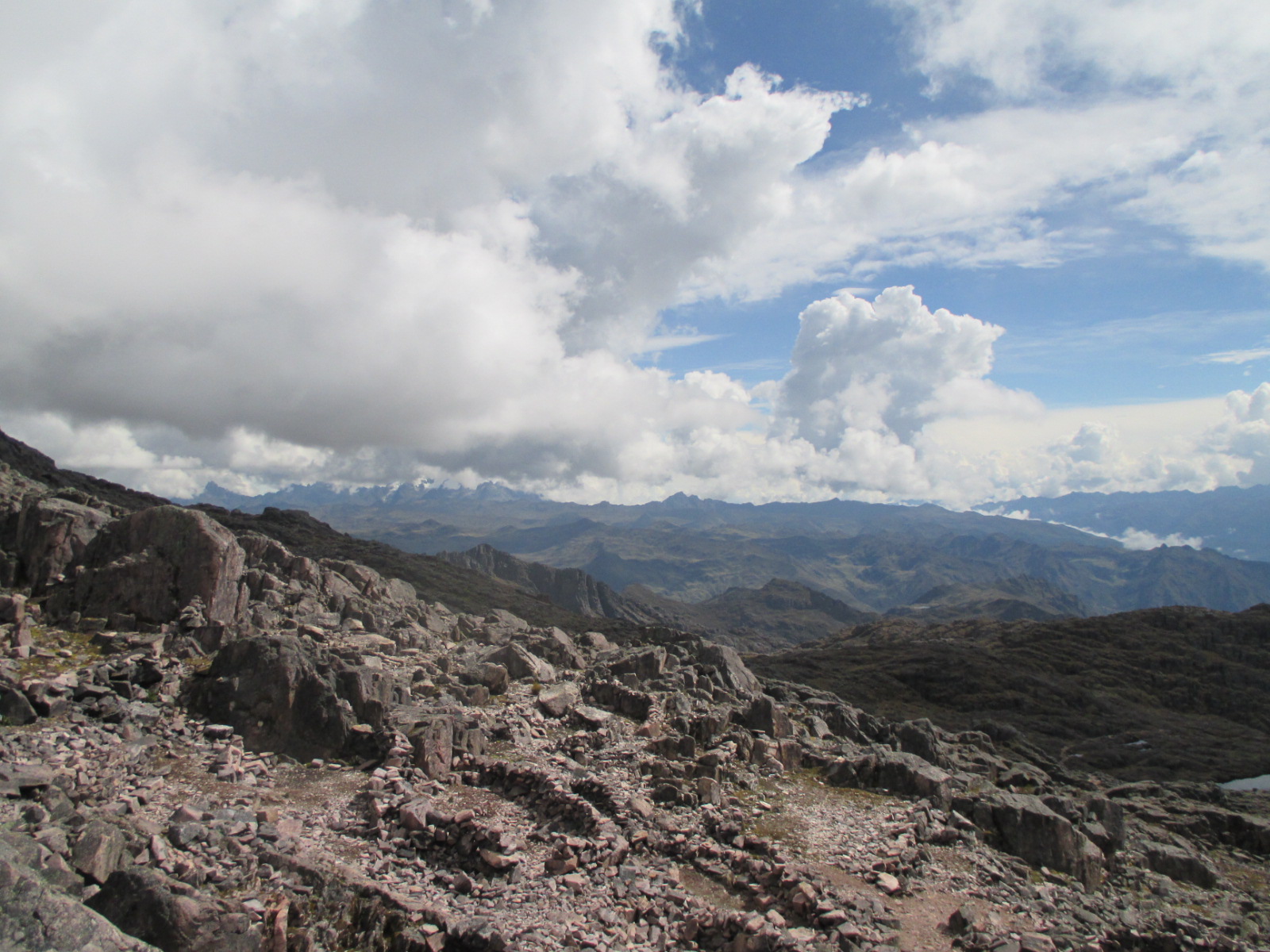
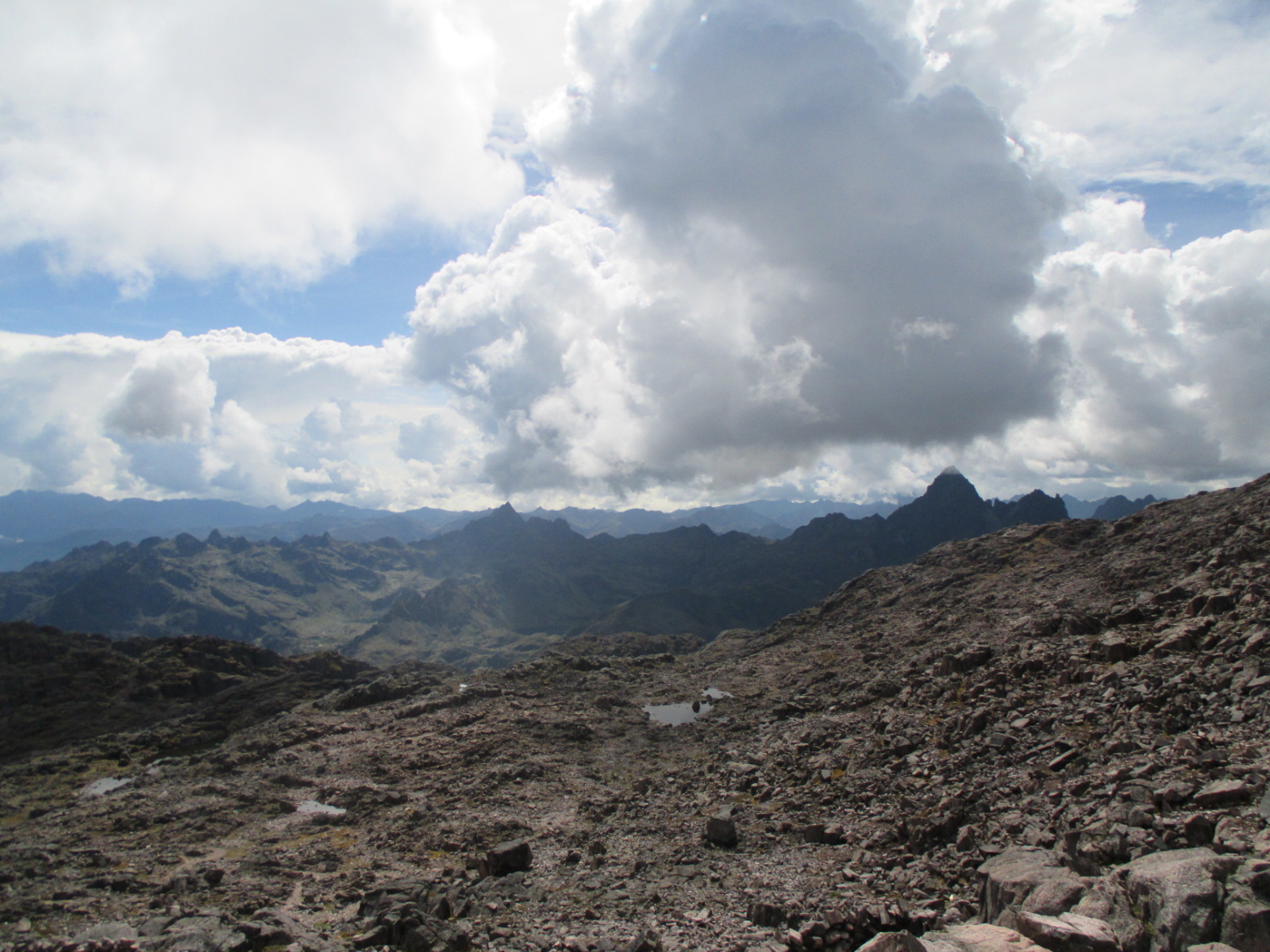
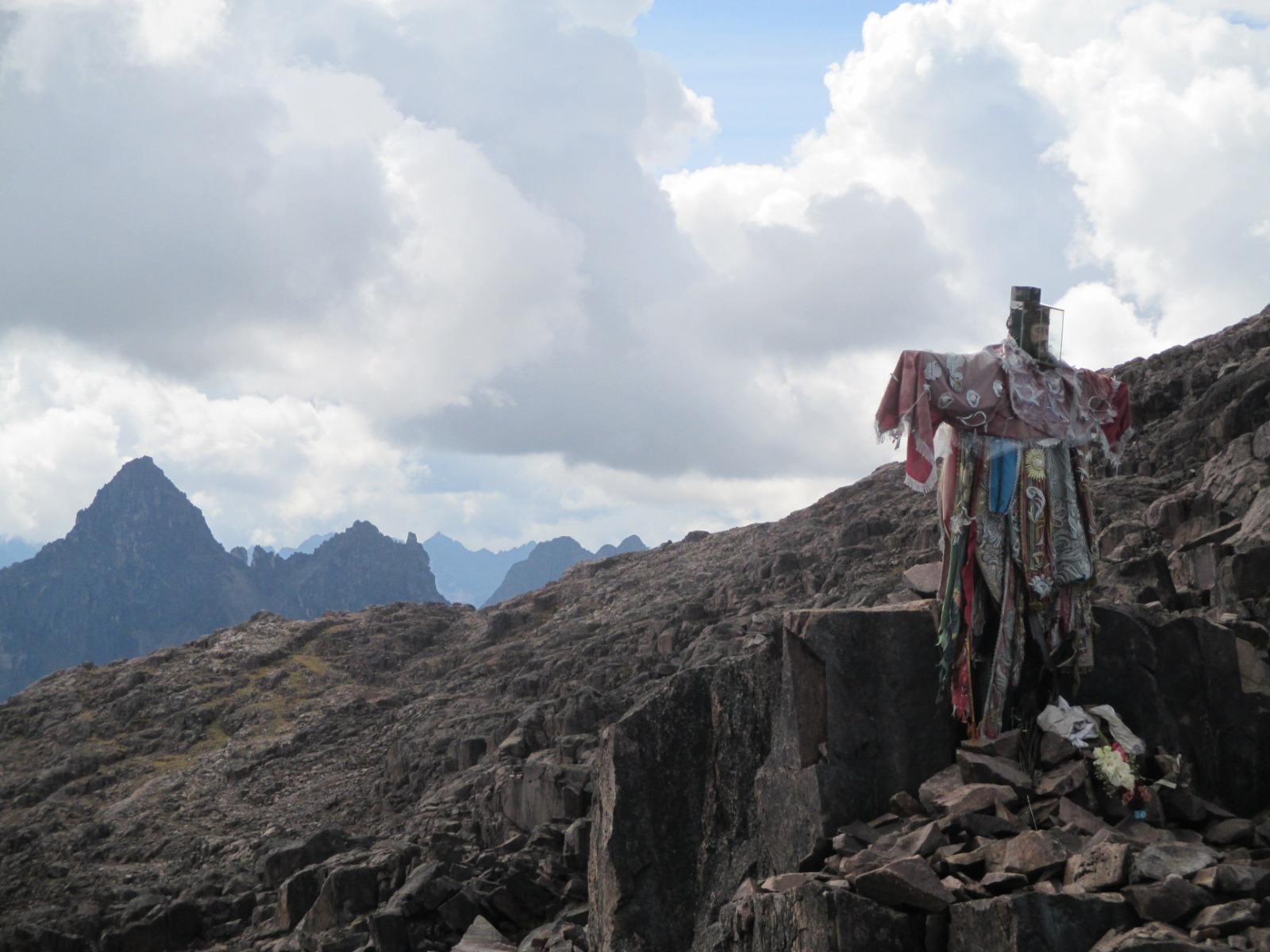
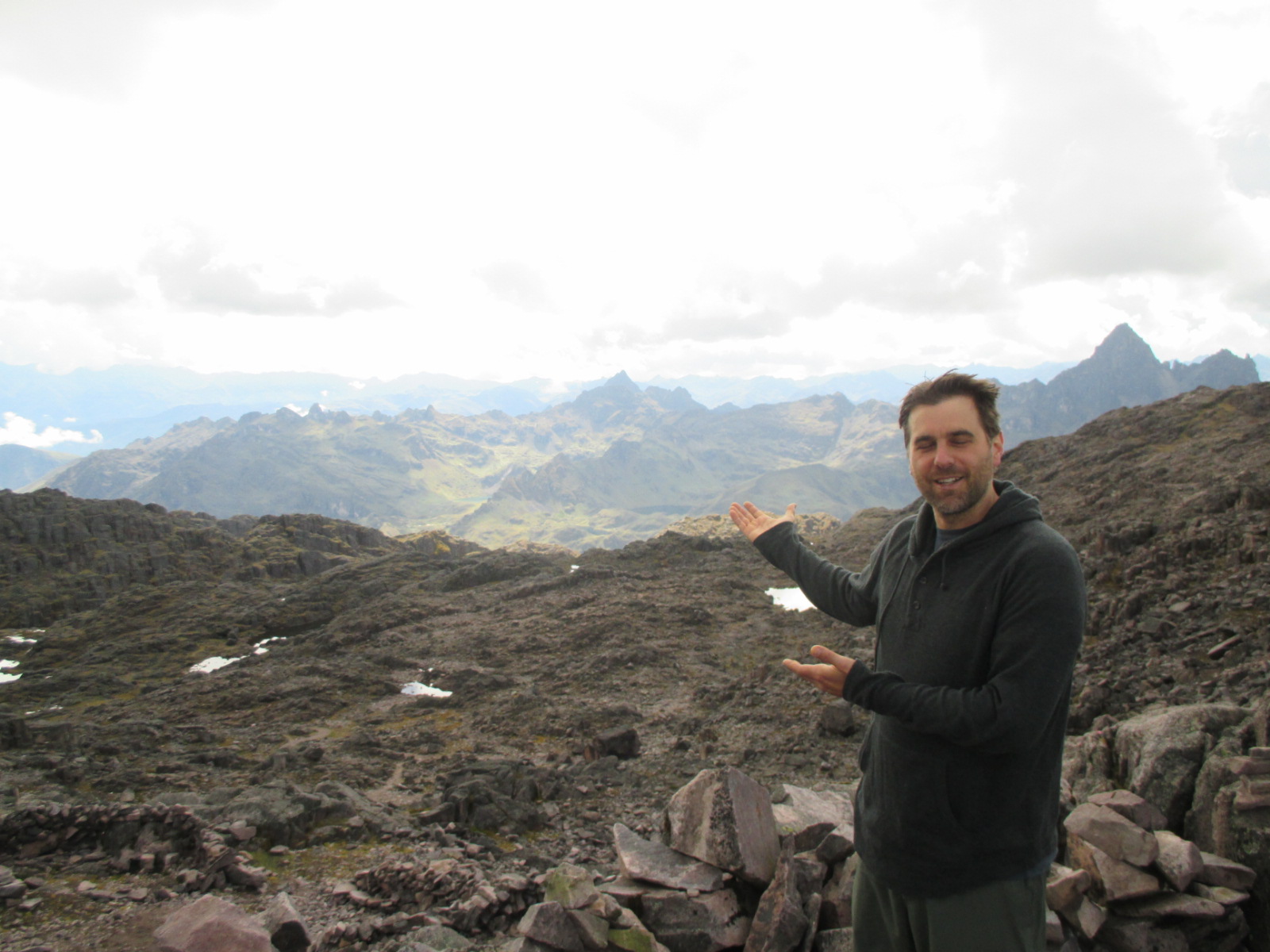
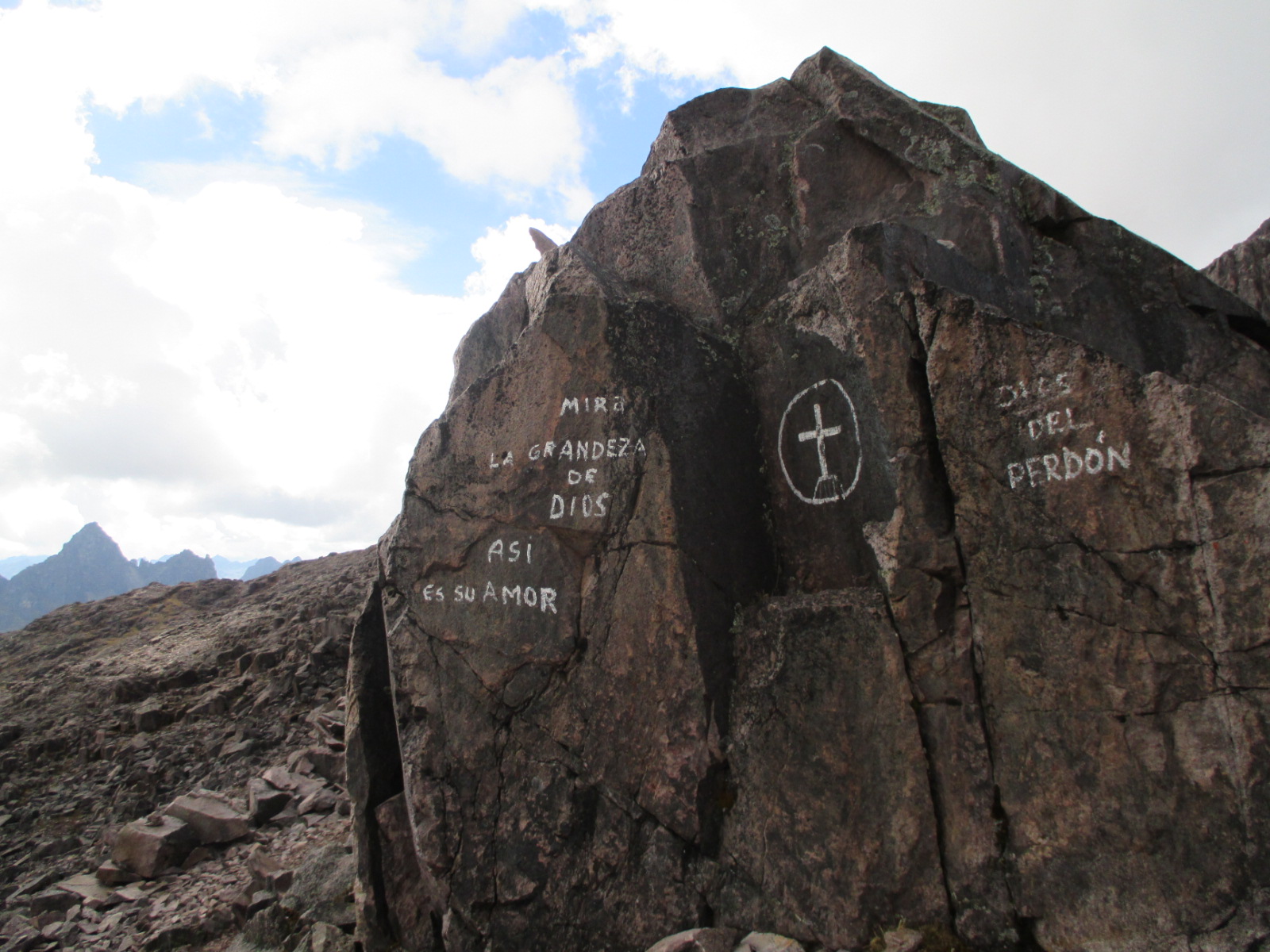
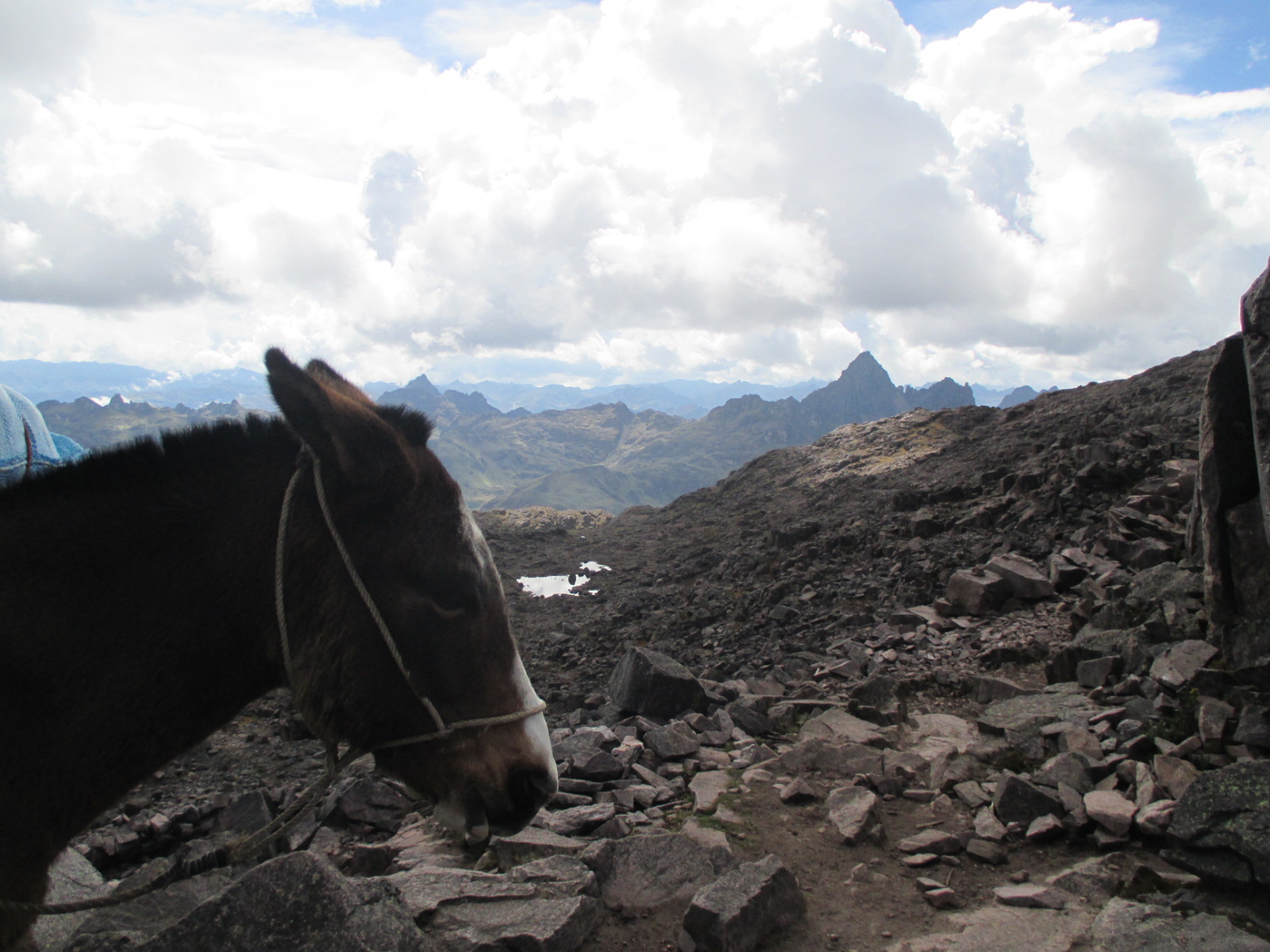
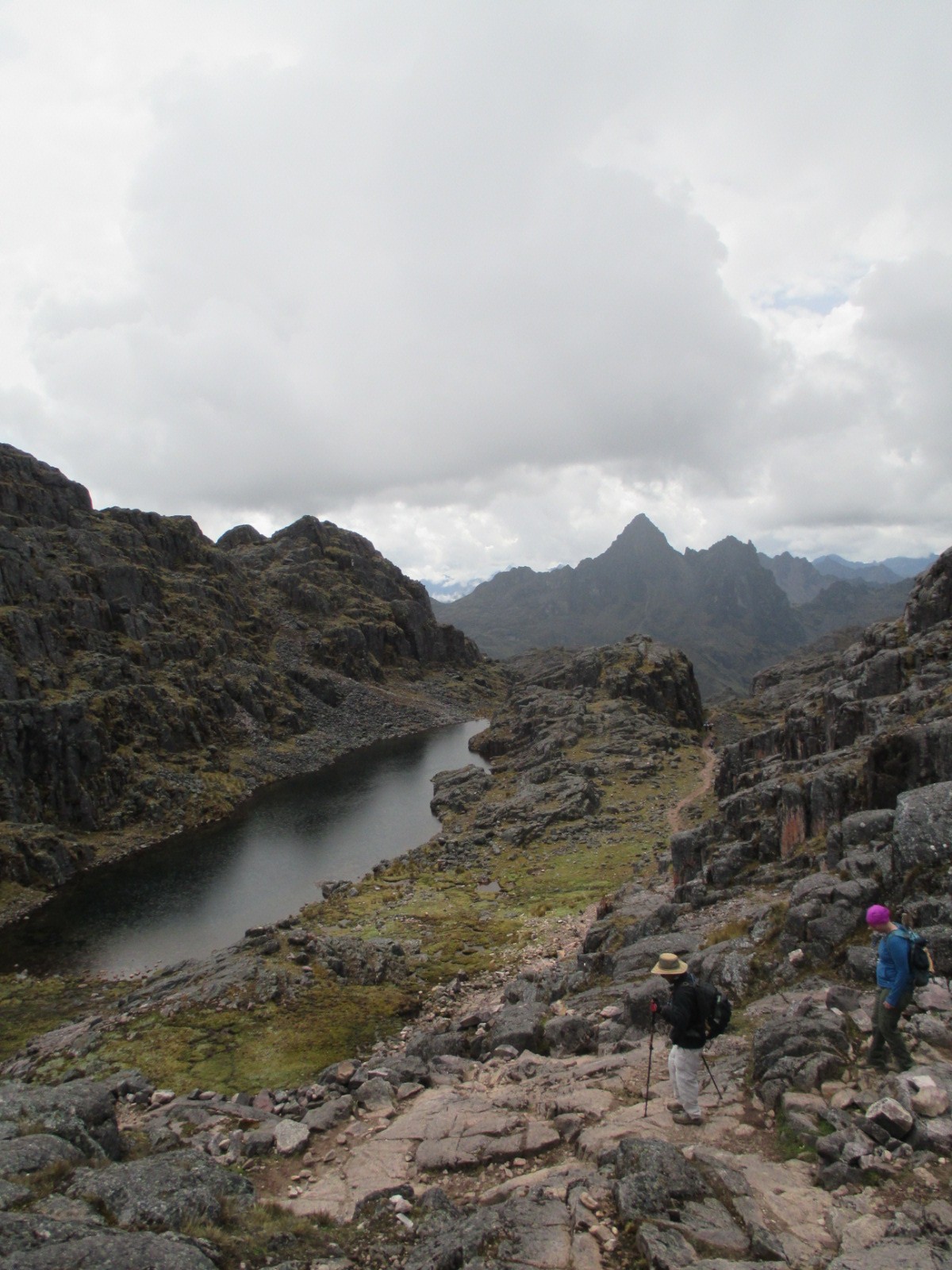
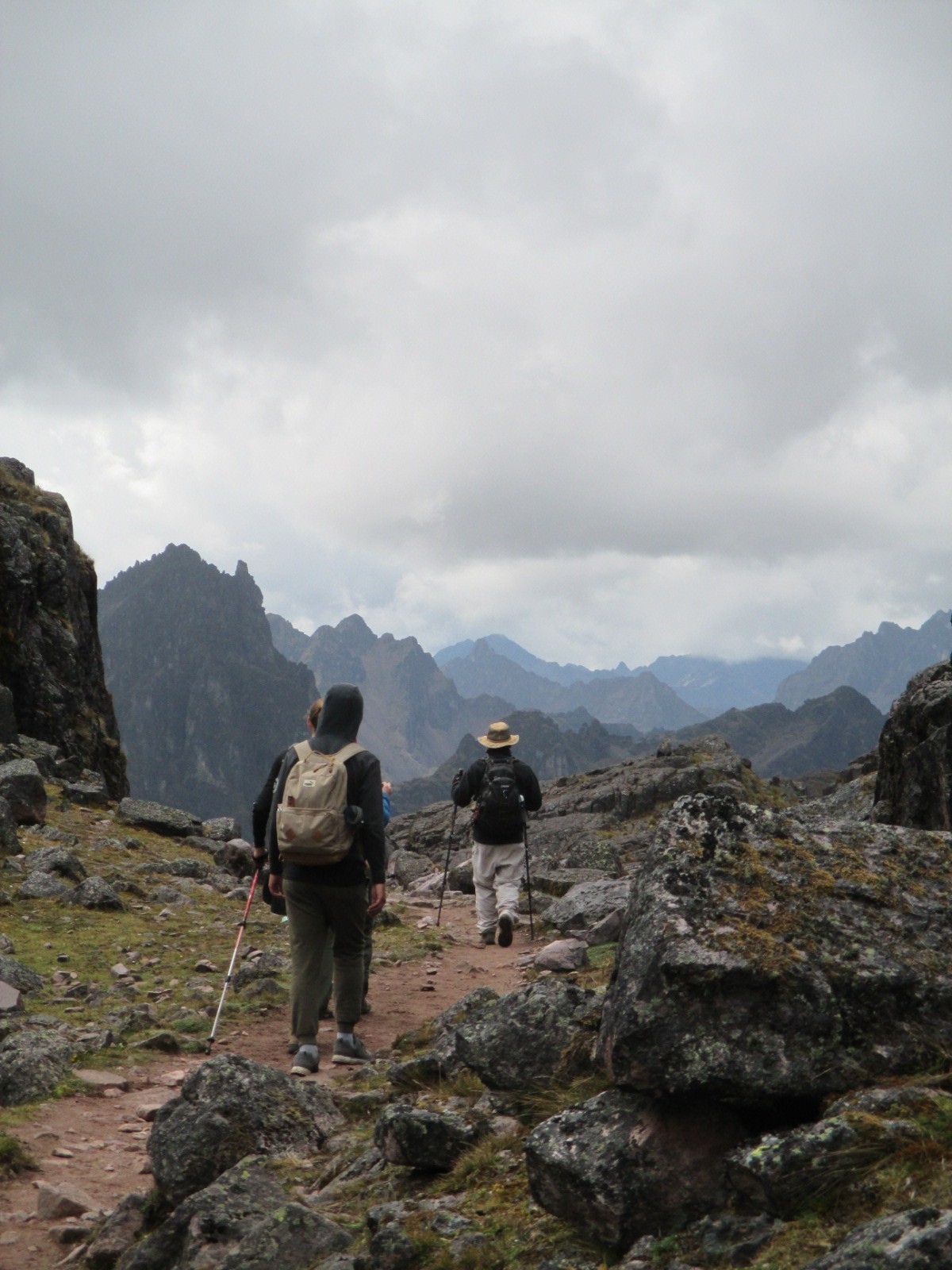
We reach the top of the Sicllakasa pass at 15850 feet!
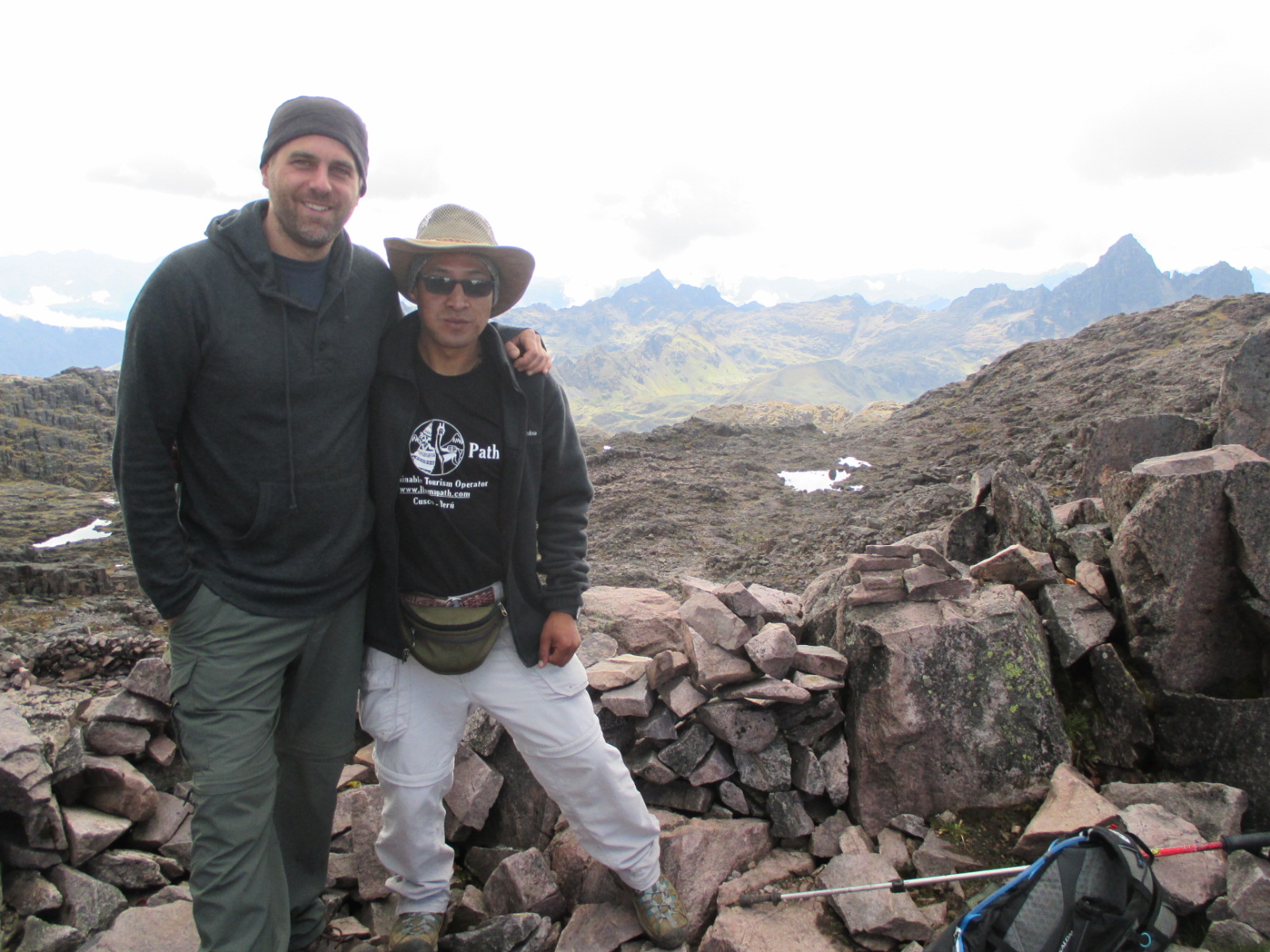
Me and Santigo. I love this man
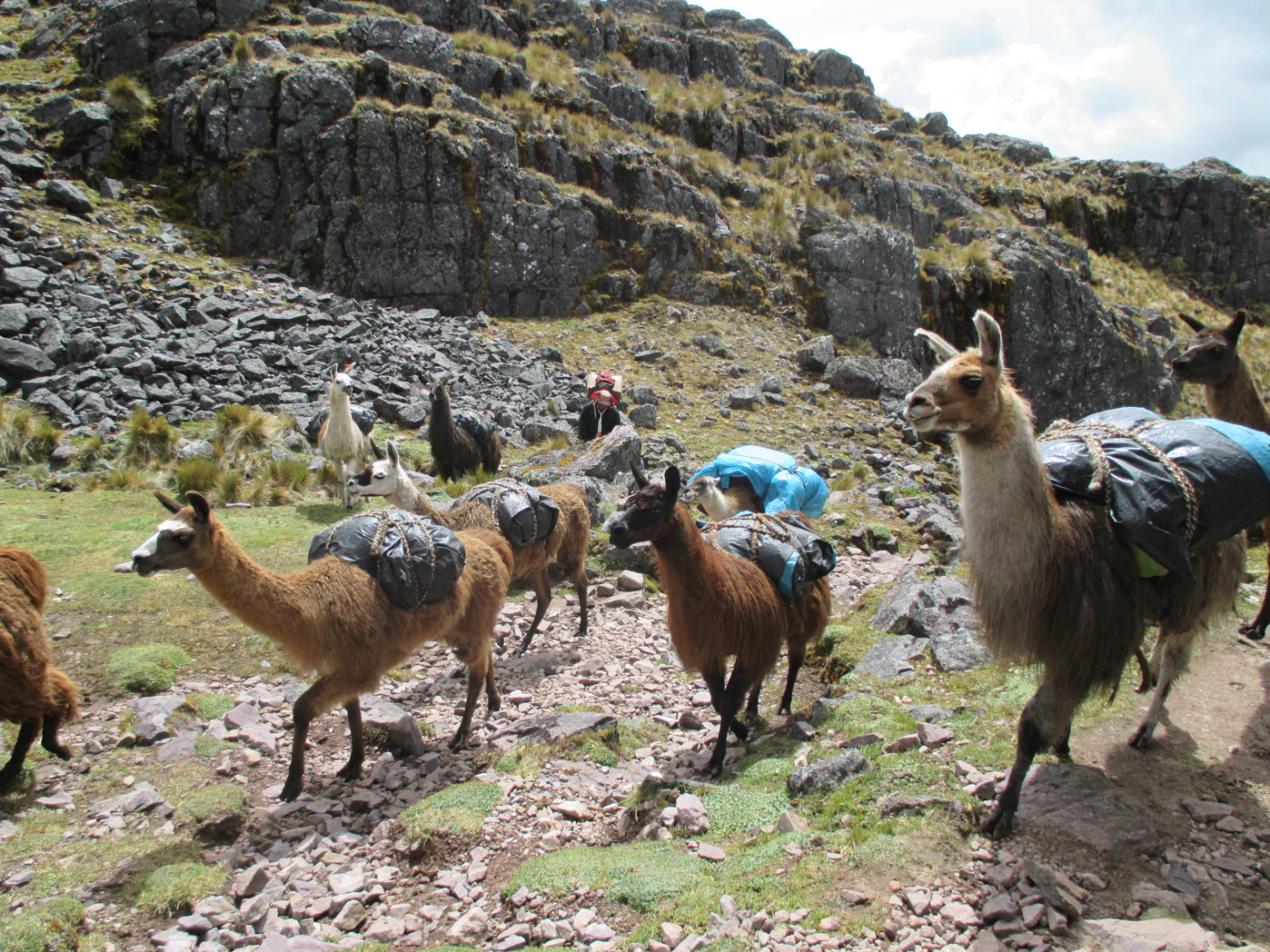
llama stampede!
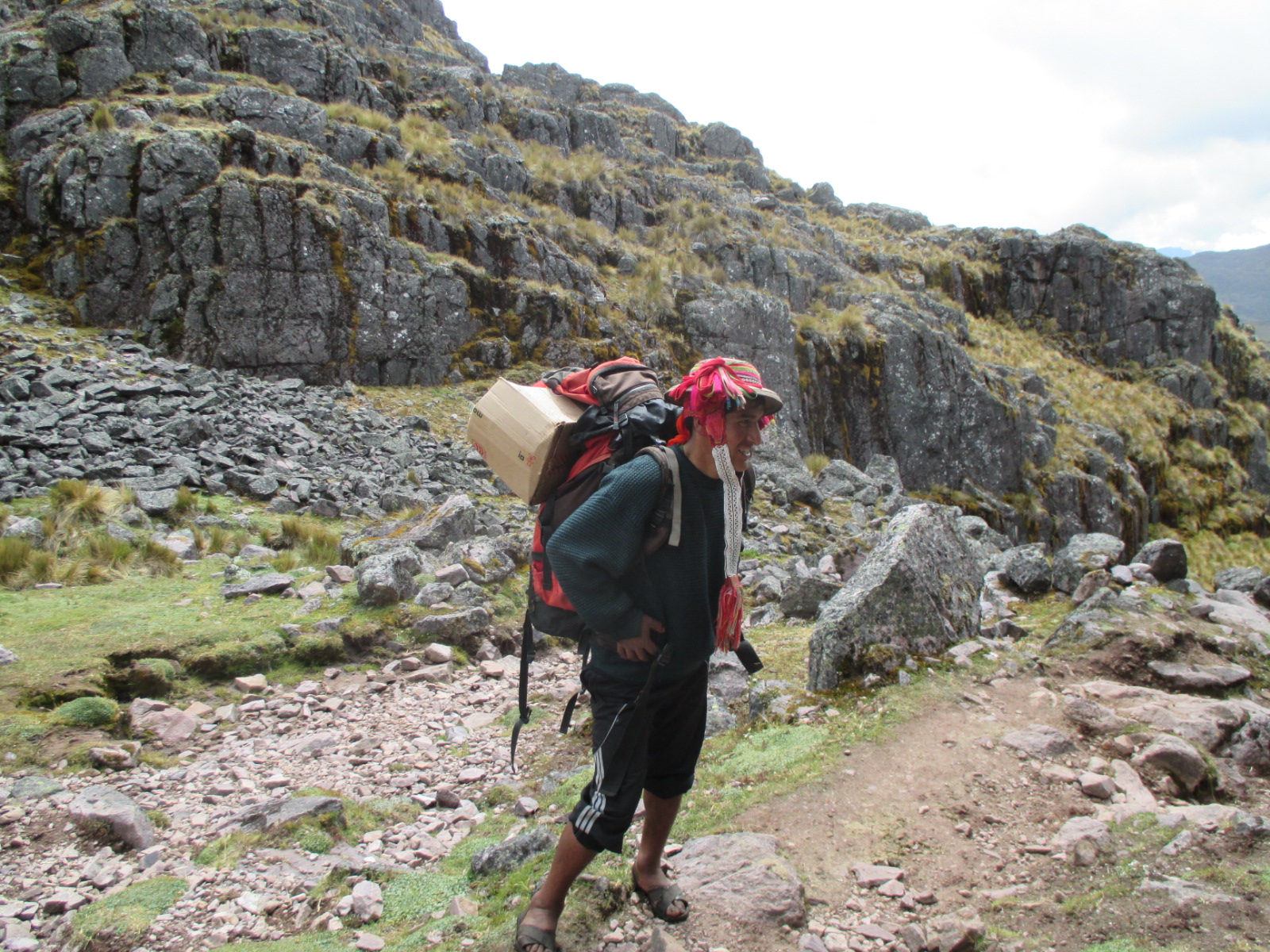
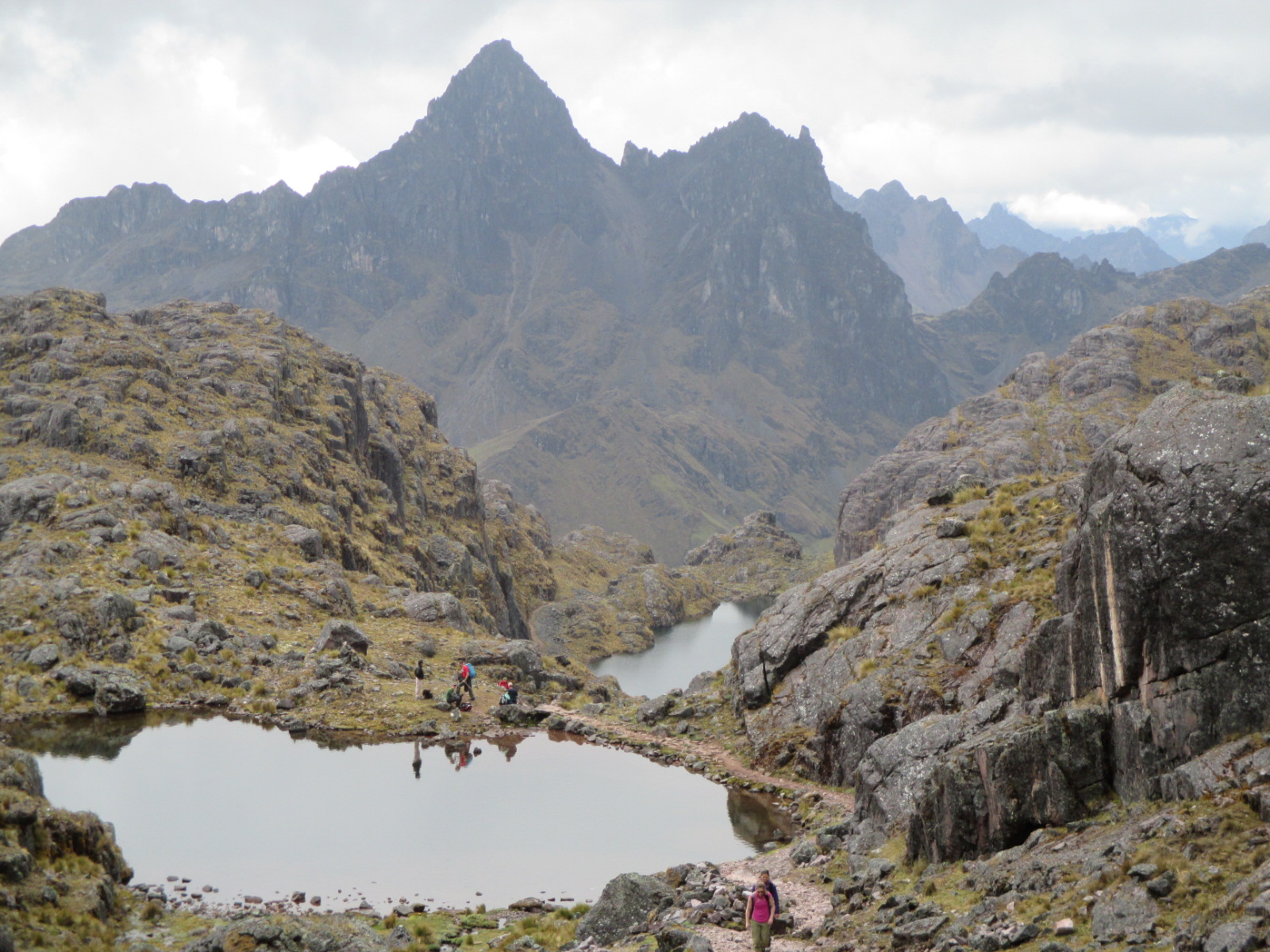
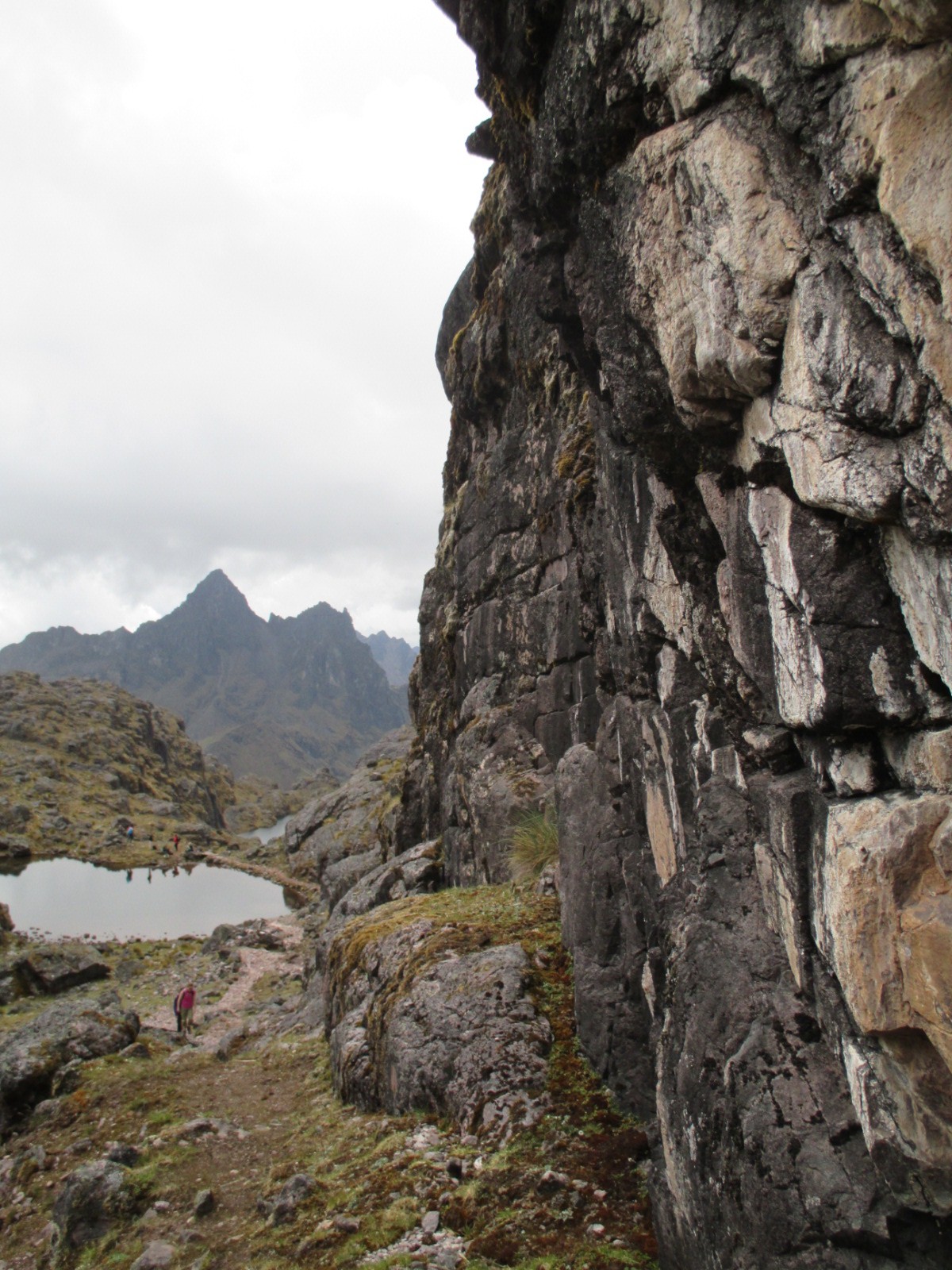
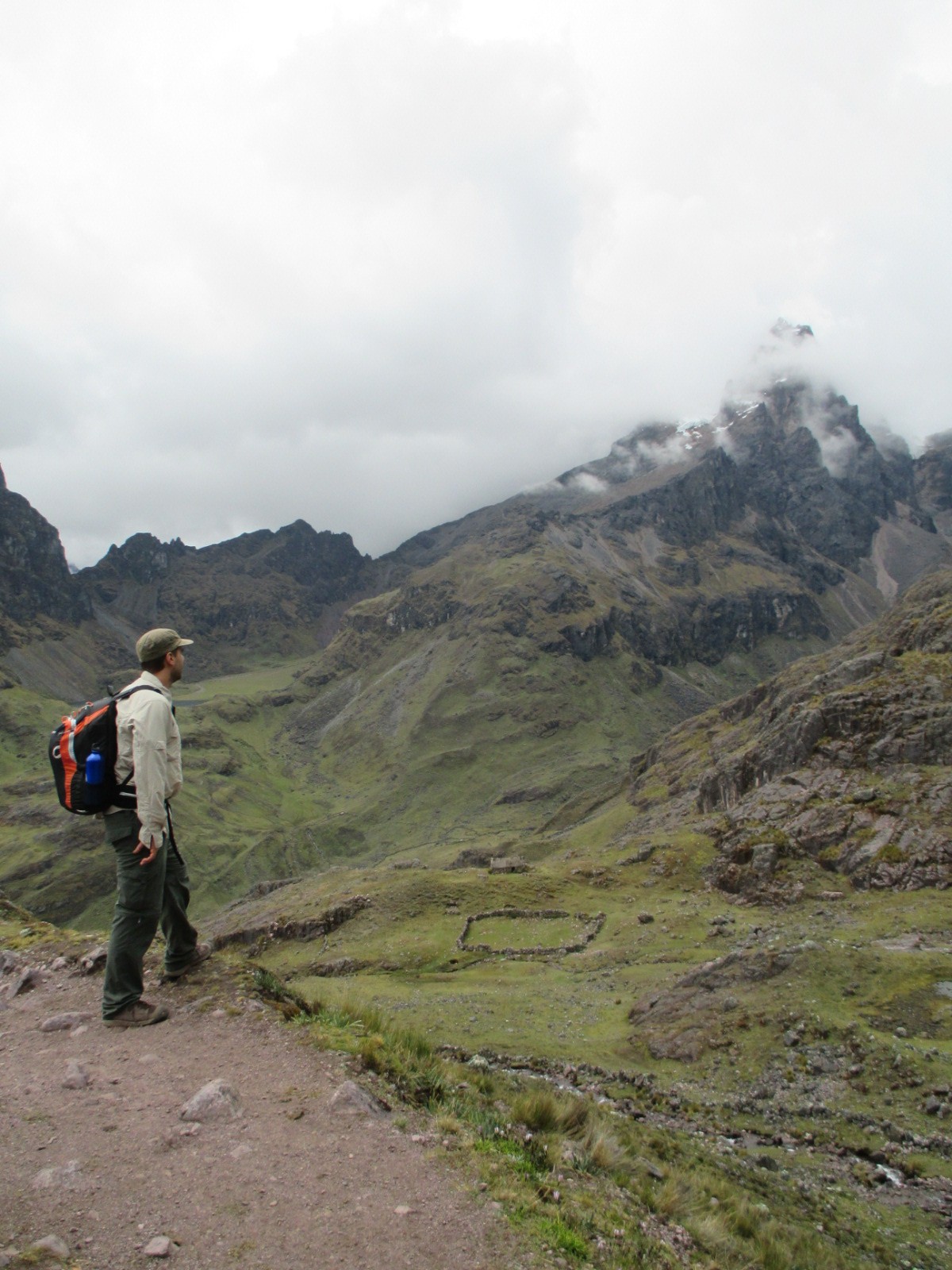
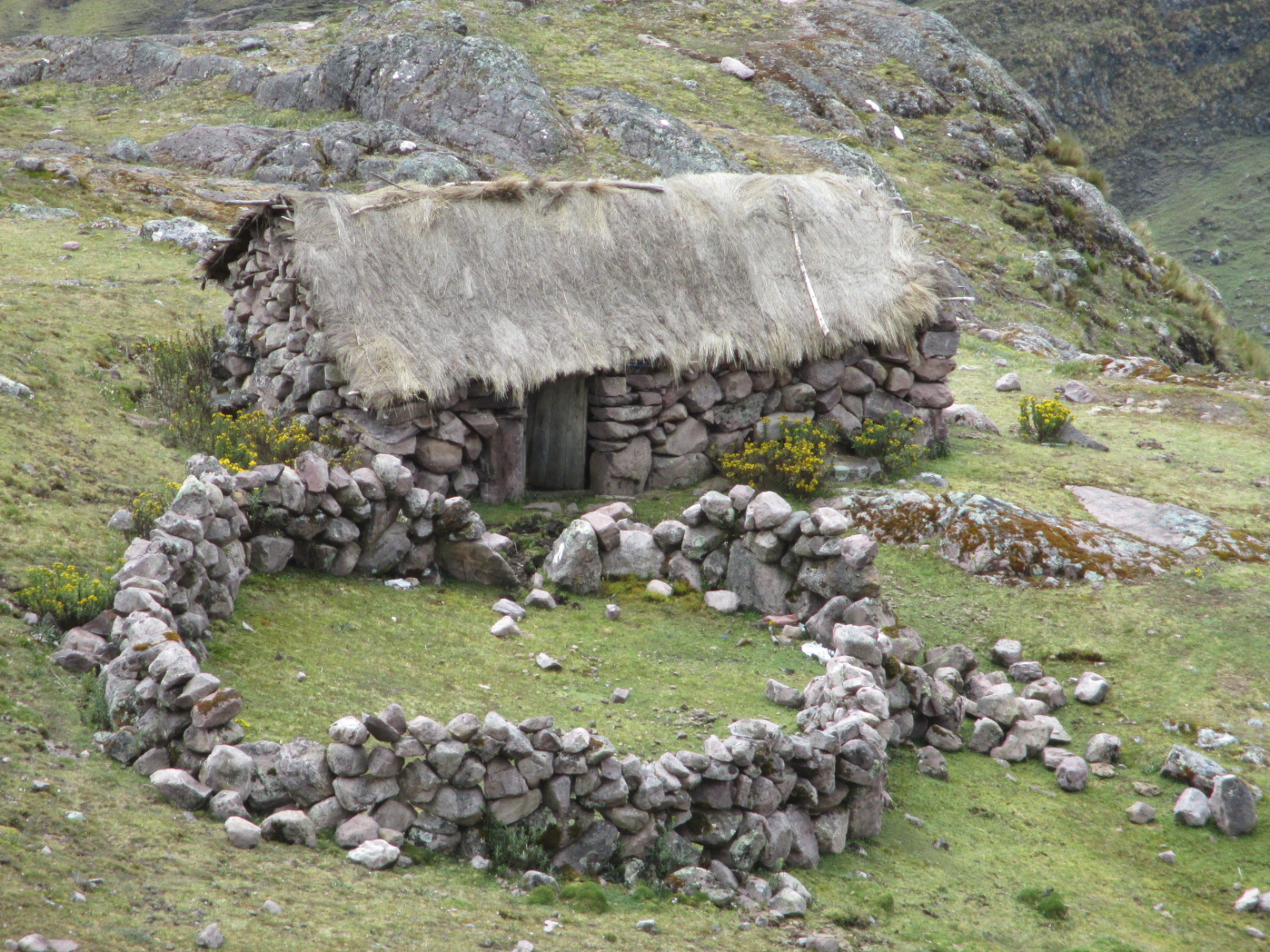
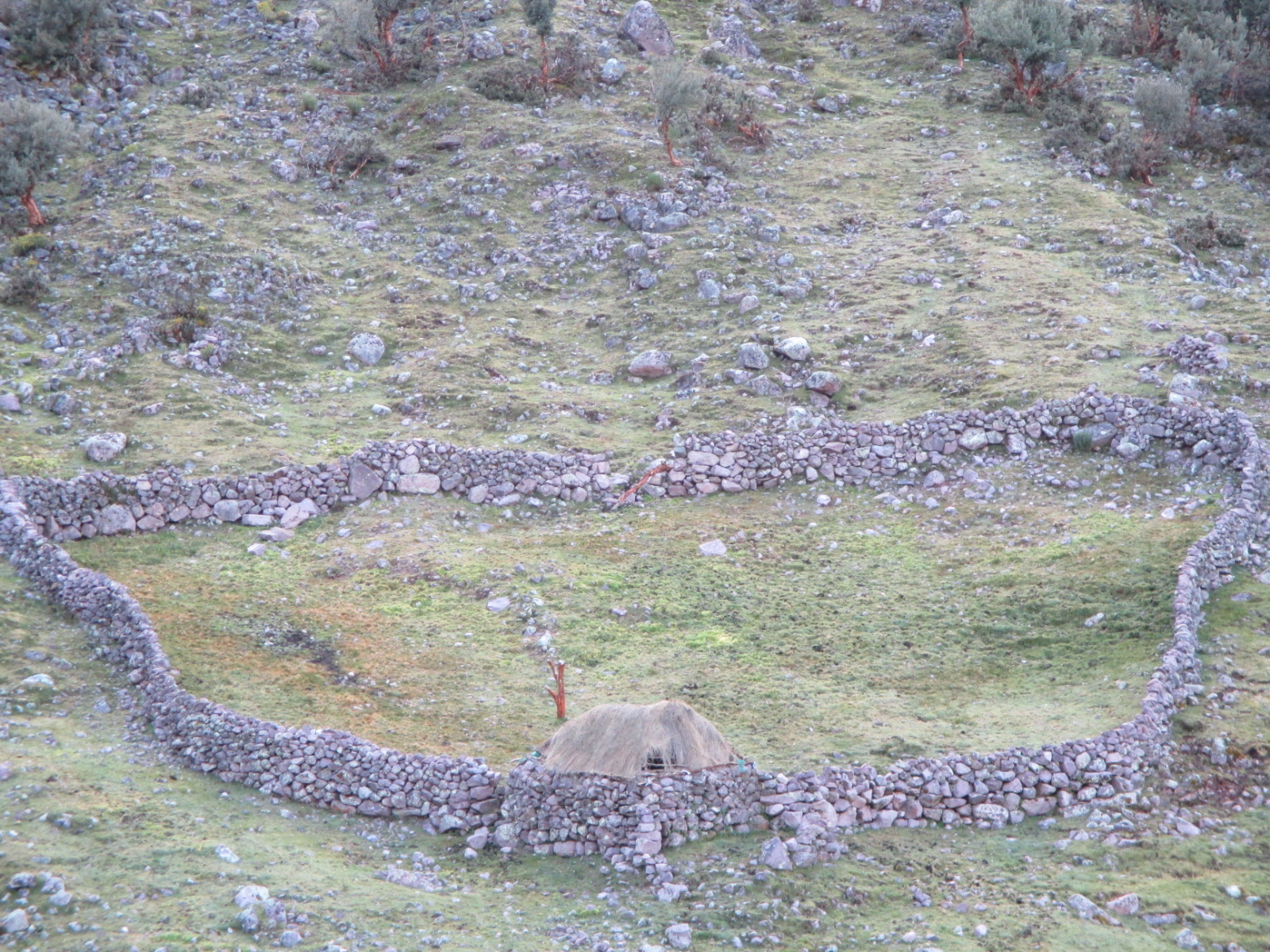
Shepard houses. They bring the llamas up here during the potato harvest. (So they don’t eat the potatoes) potatoes are one of the main crops of Peru along with corn and yucca.
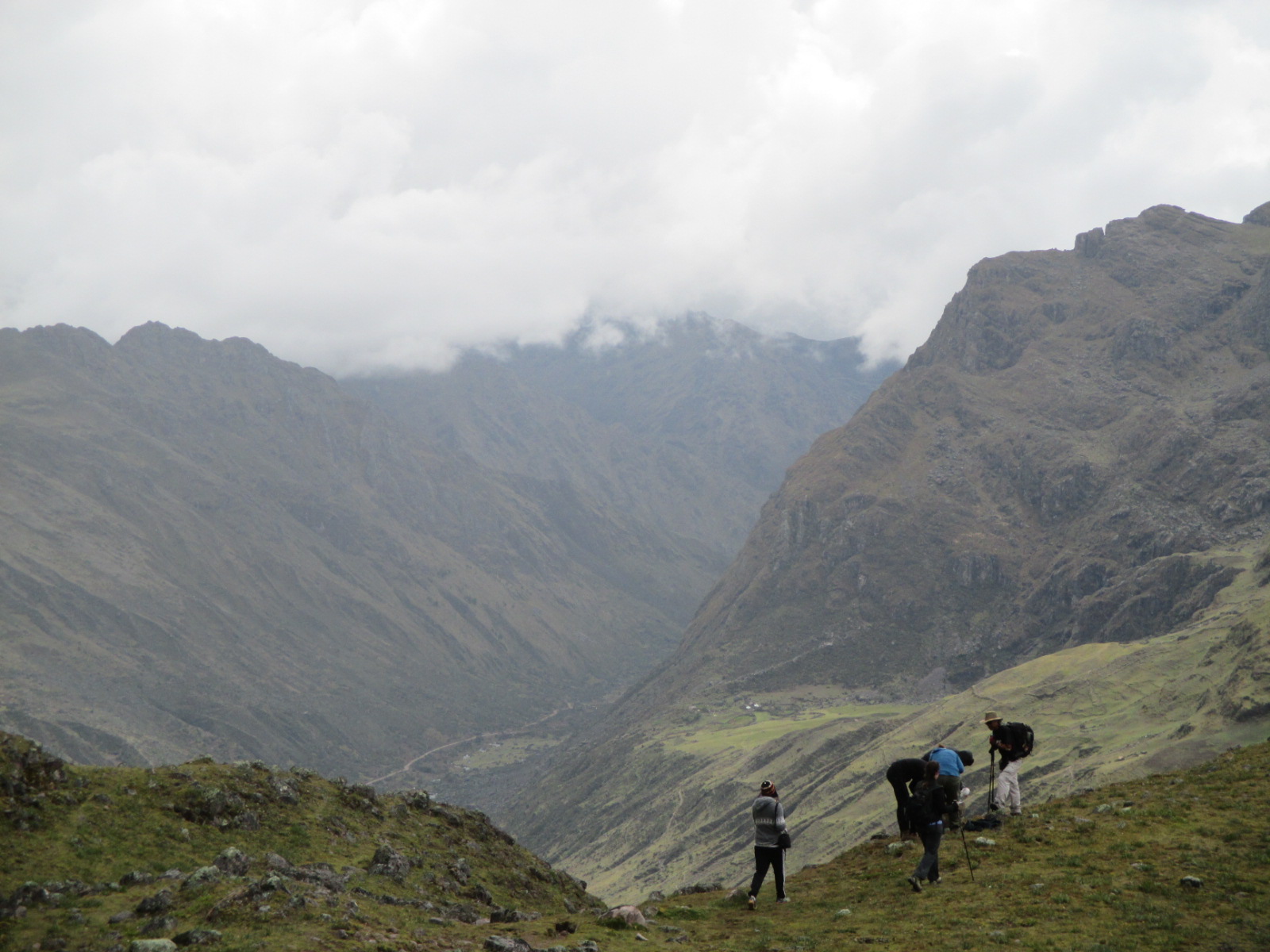
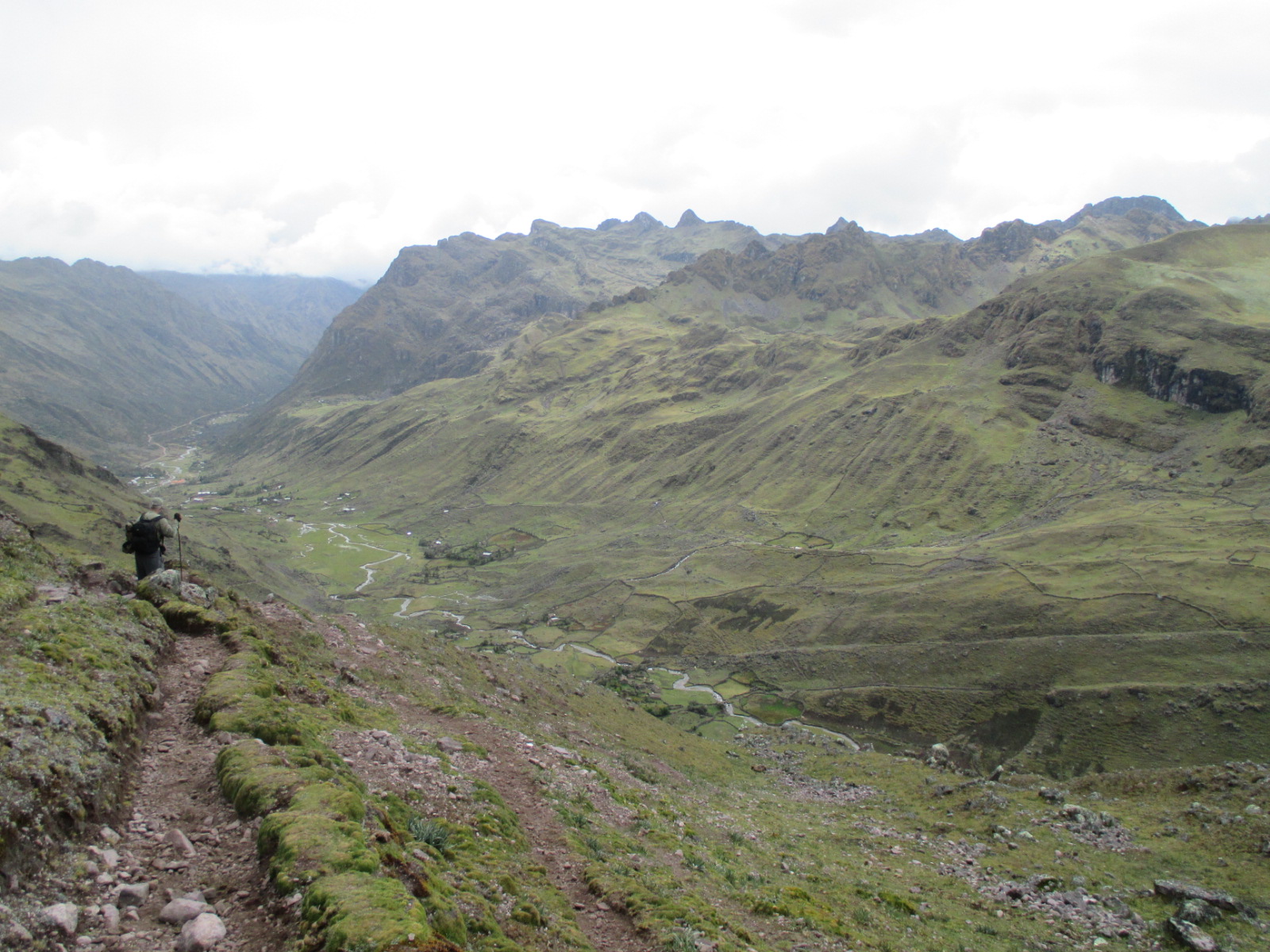
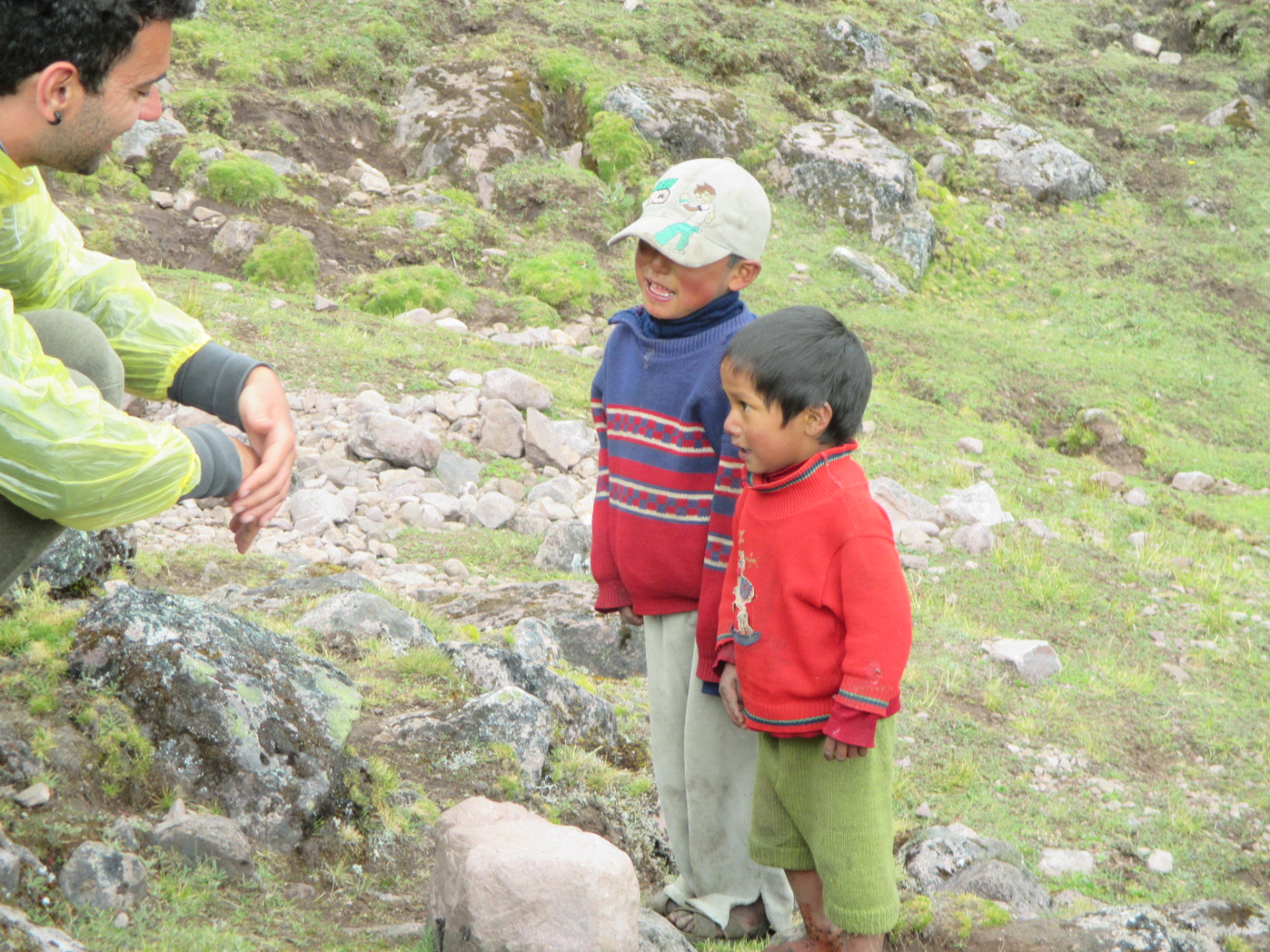
getting close to Cunkani and two little ones run up to greet us
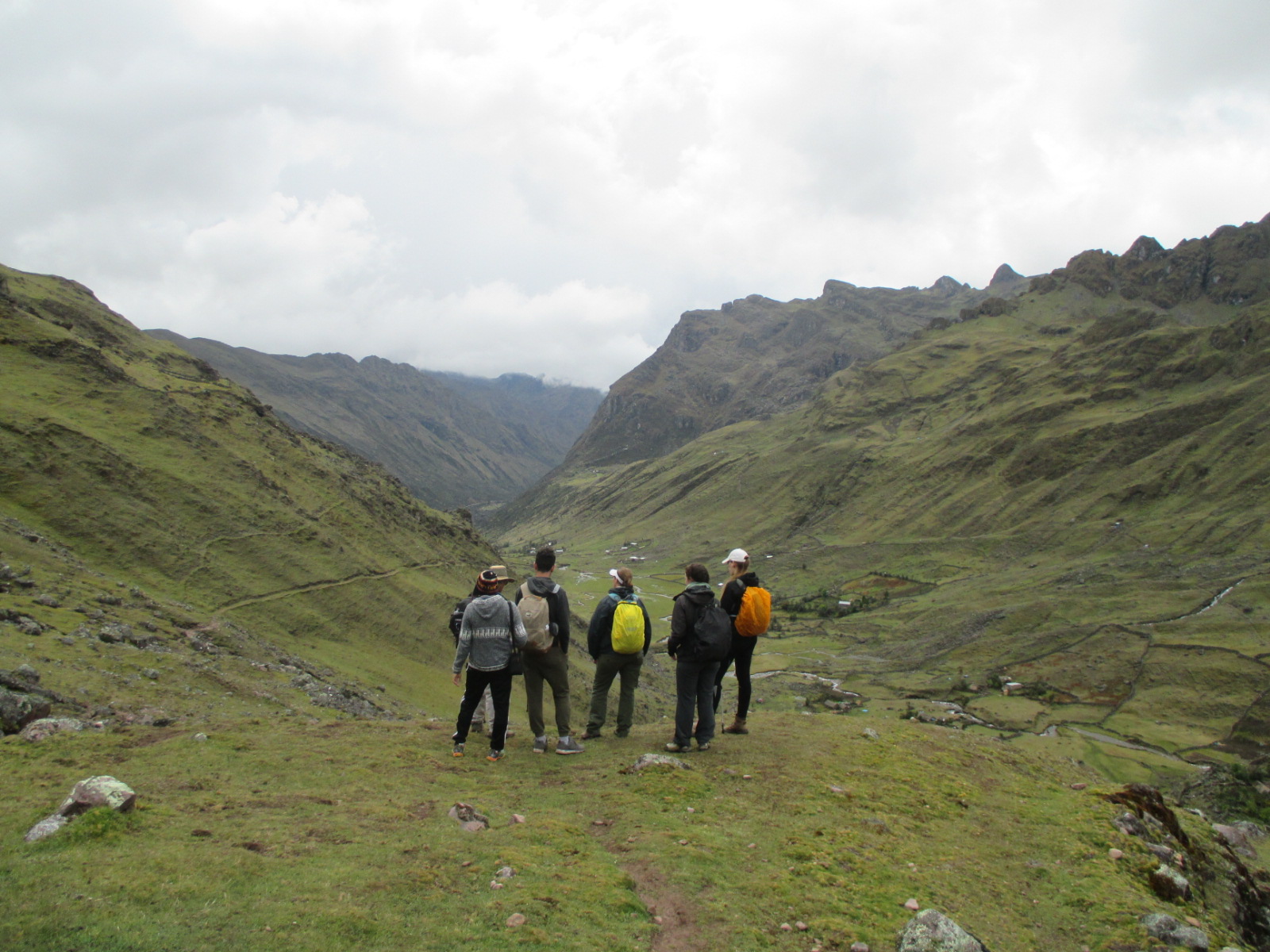
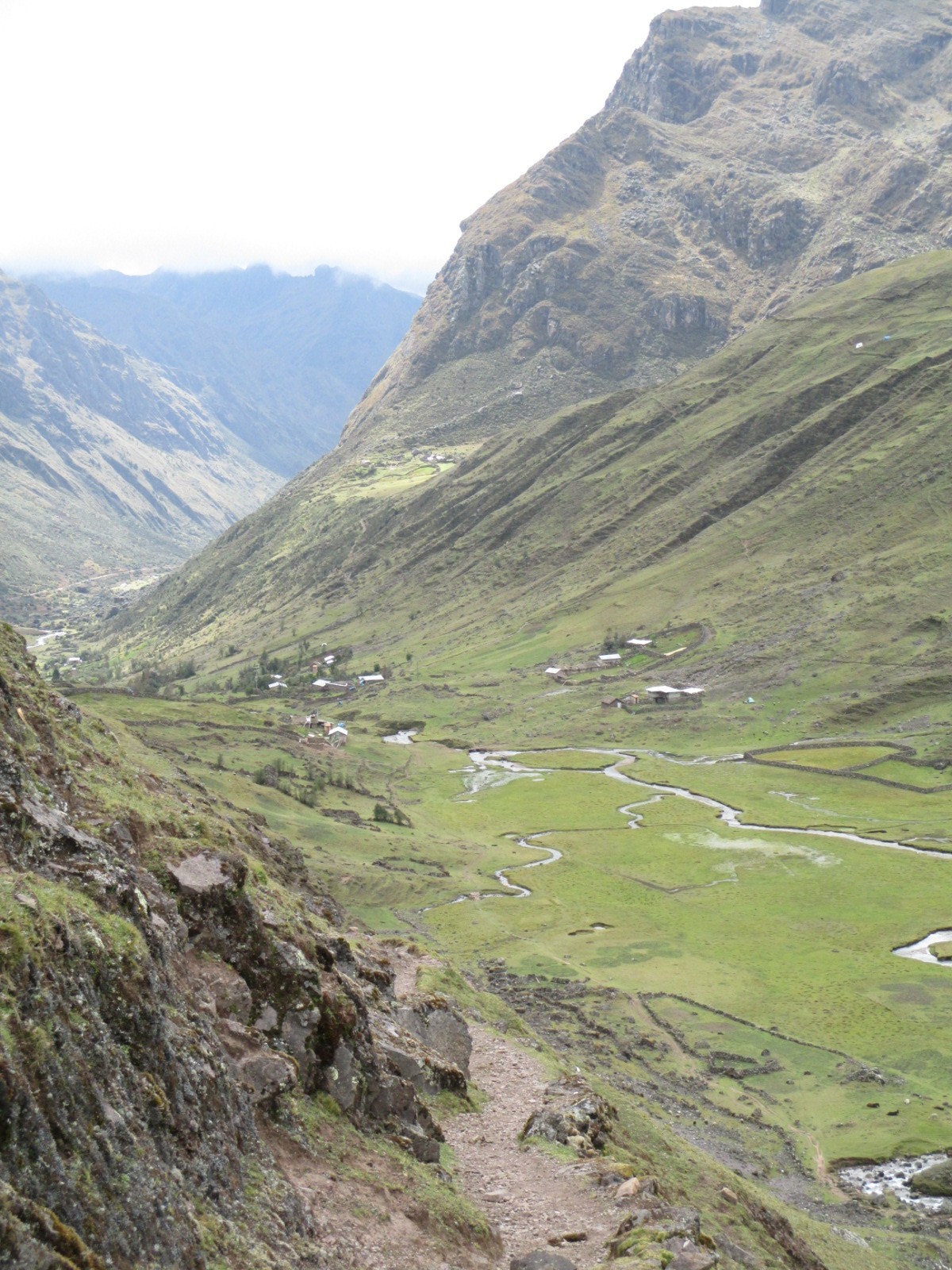
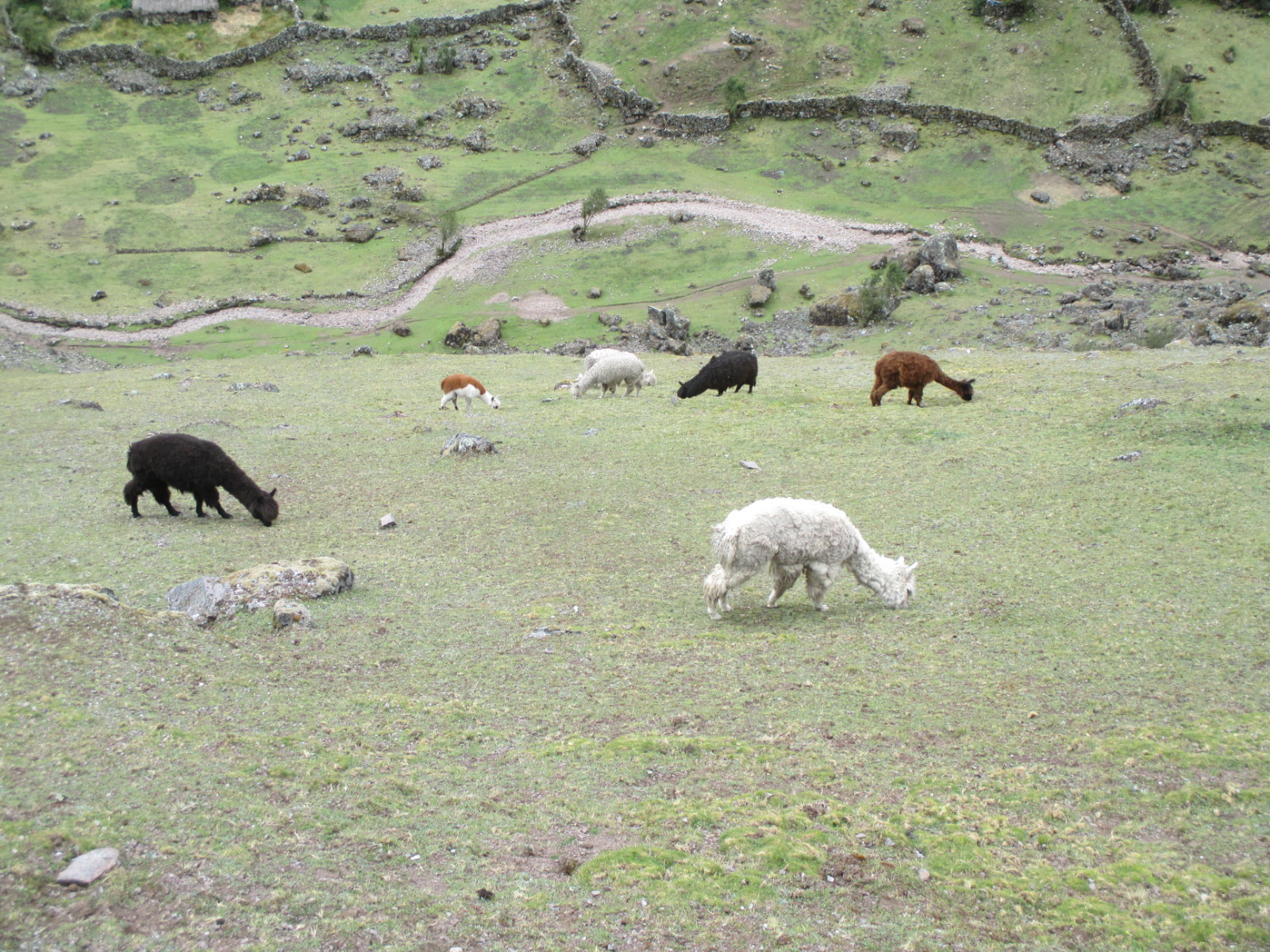
Optical illusion. Thats actually a very steep hillside those llamas are grazing on
Another welcoming party
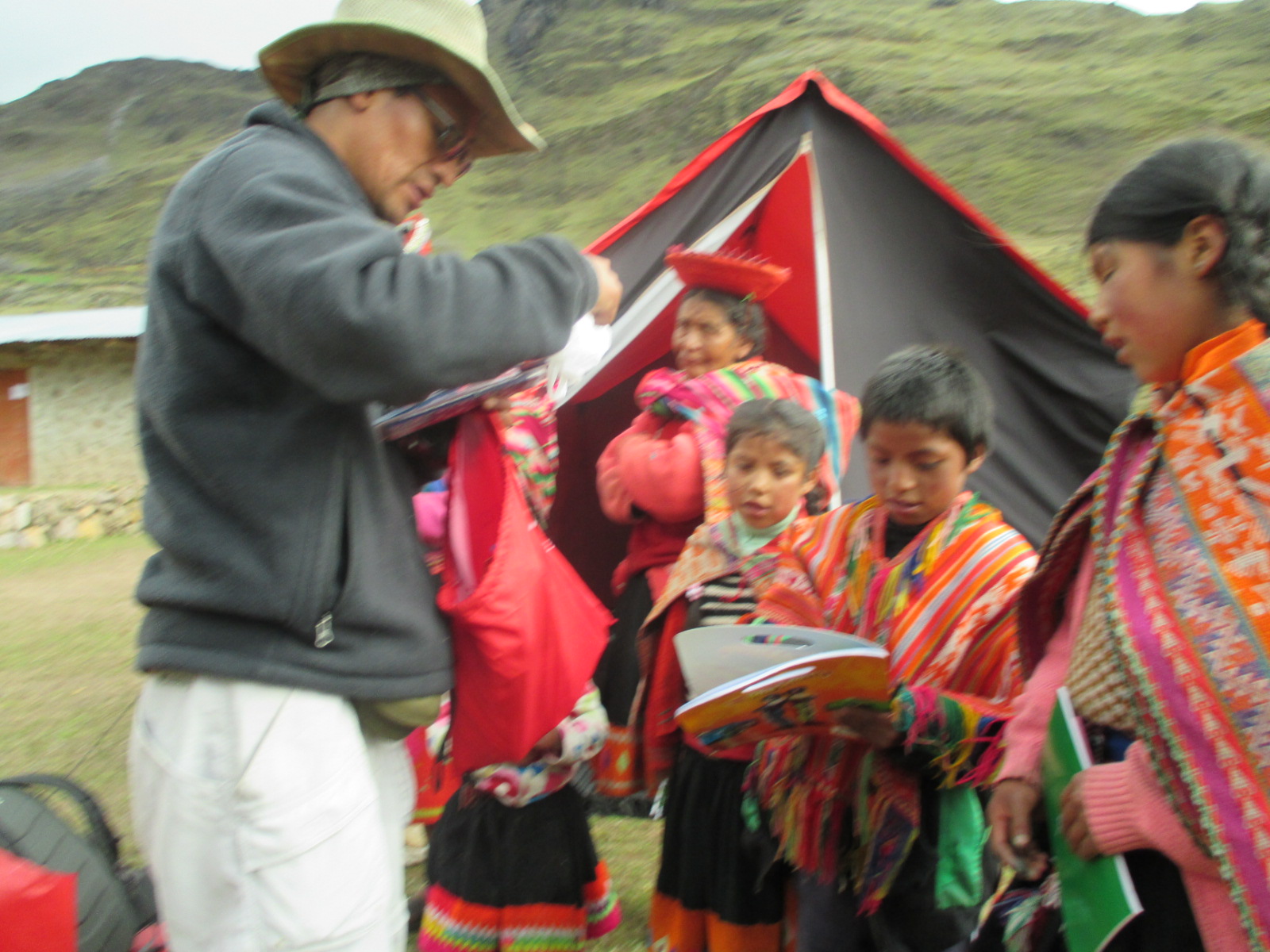
Santiago asked us to bring some simple things for the kids in Cunkani. items like pens, crayons, notebooks and toothbrushes are luxuries for them. It’s amazing to see how excited and appreciative they are
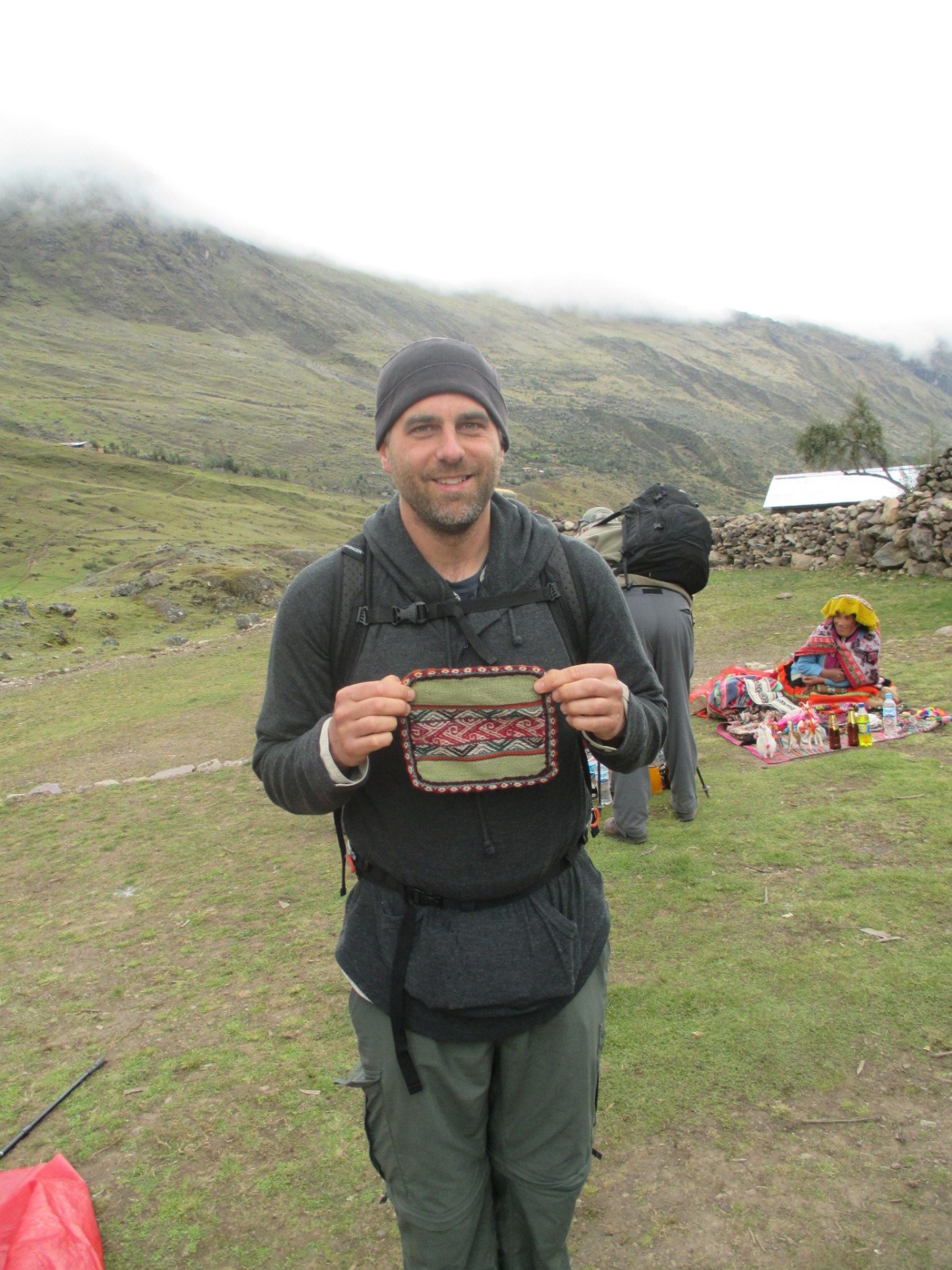
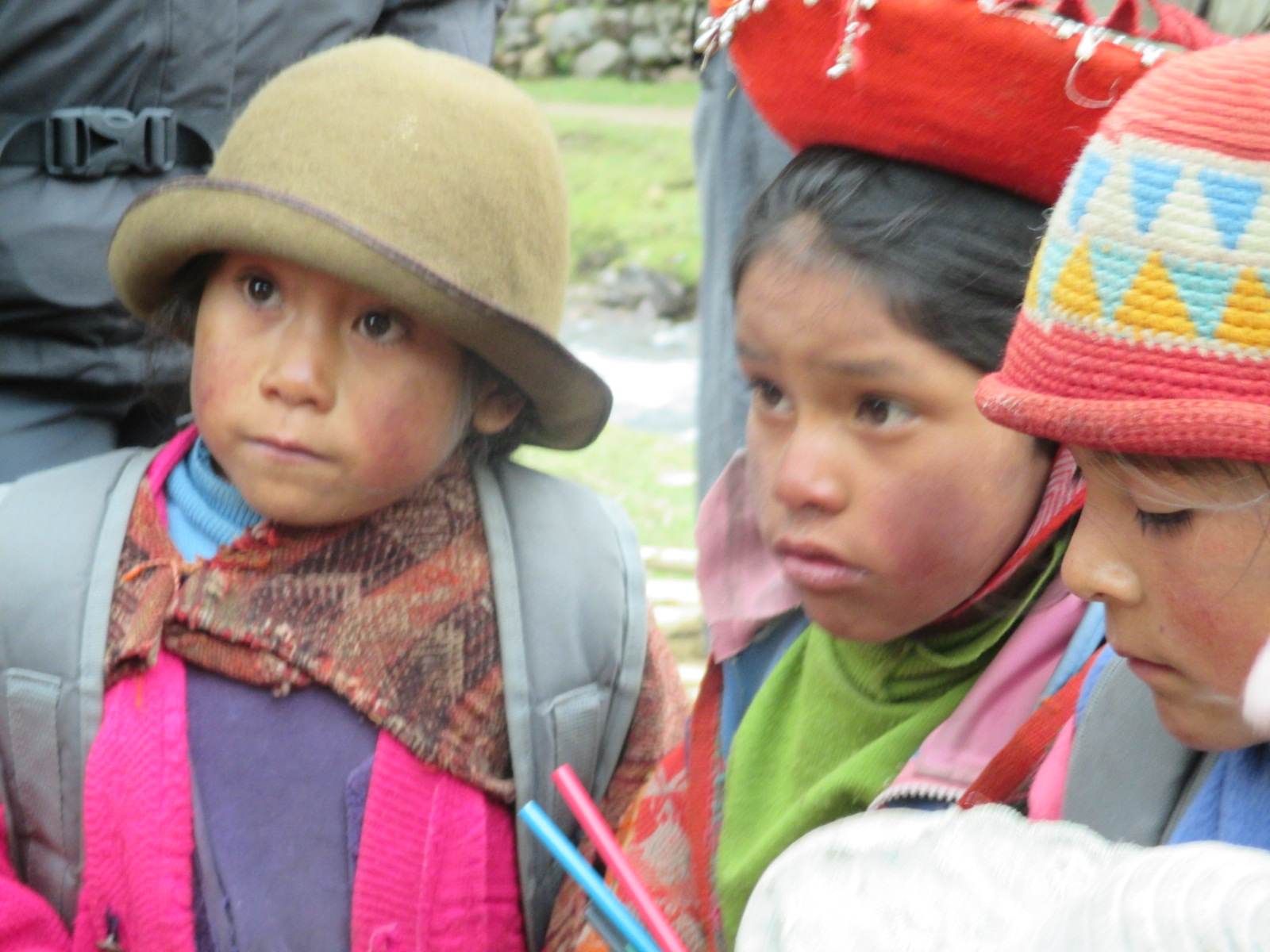
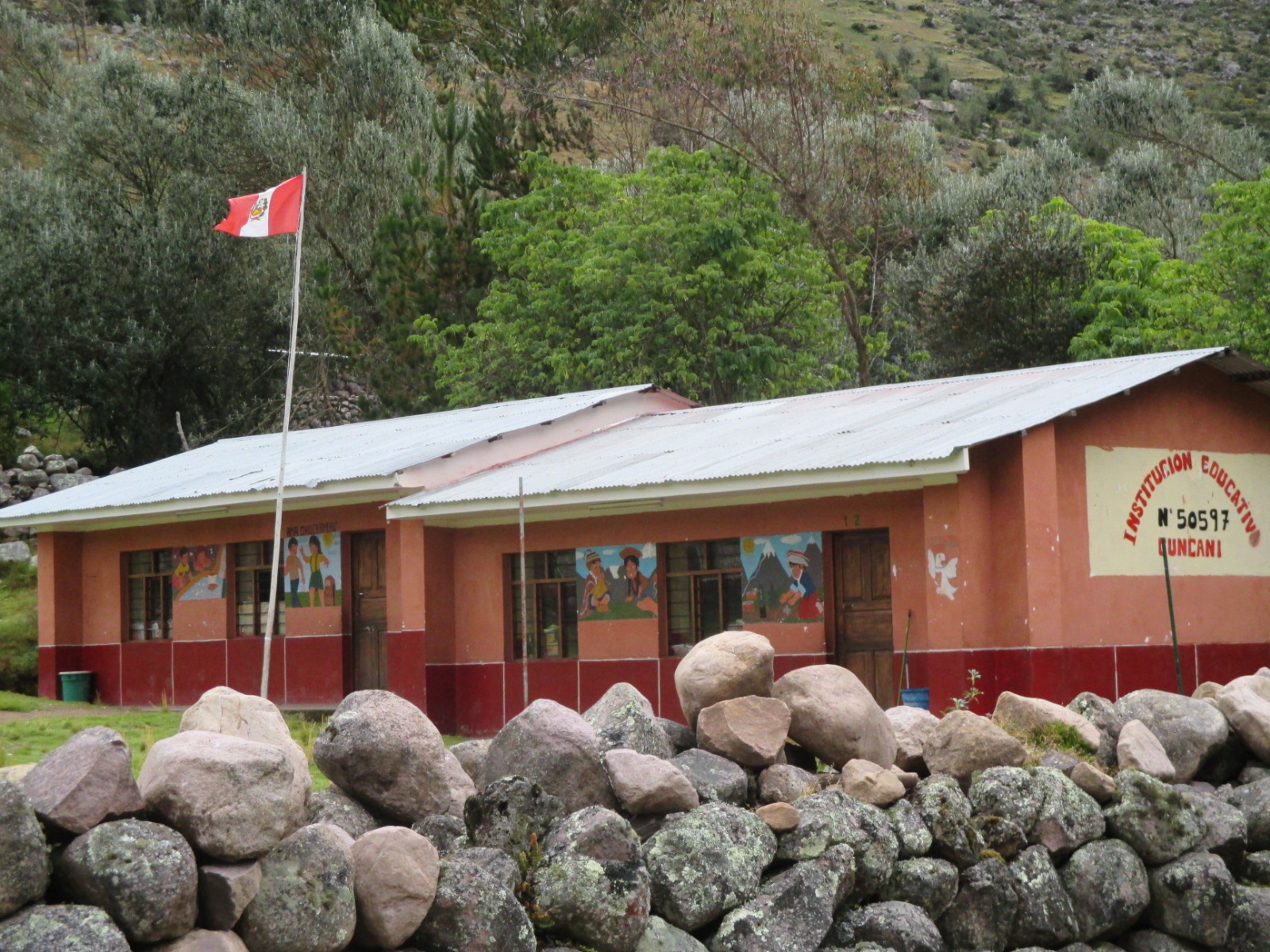
The school in Cunkani. No electricity
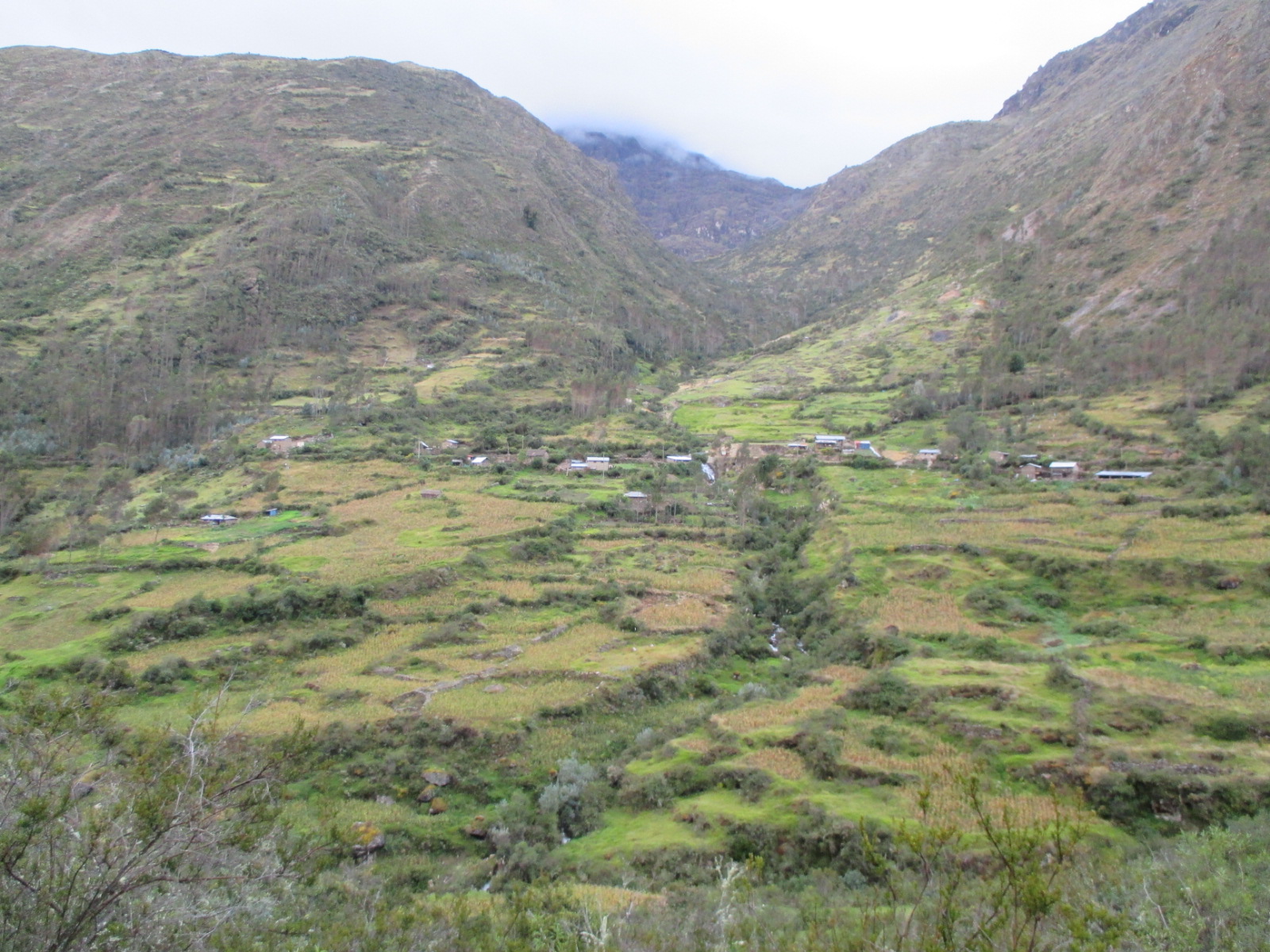
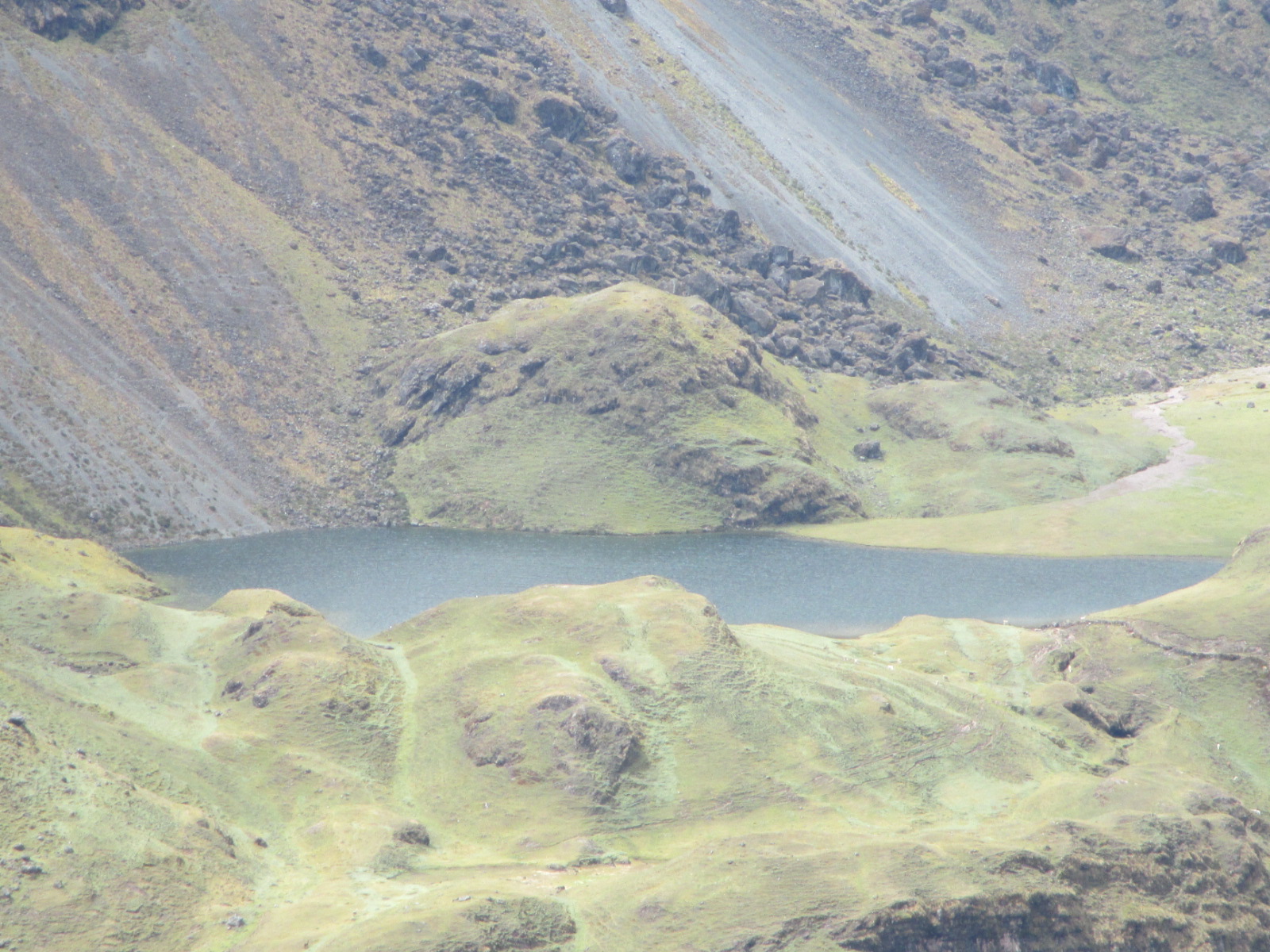
You can’t tell at this distance but this is a potato farm. Potatoes are growing all over the place around here
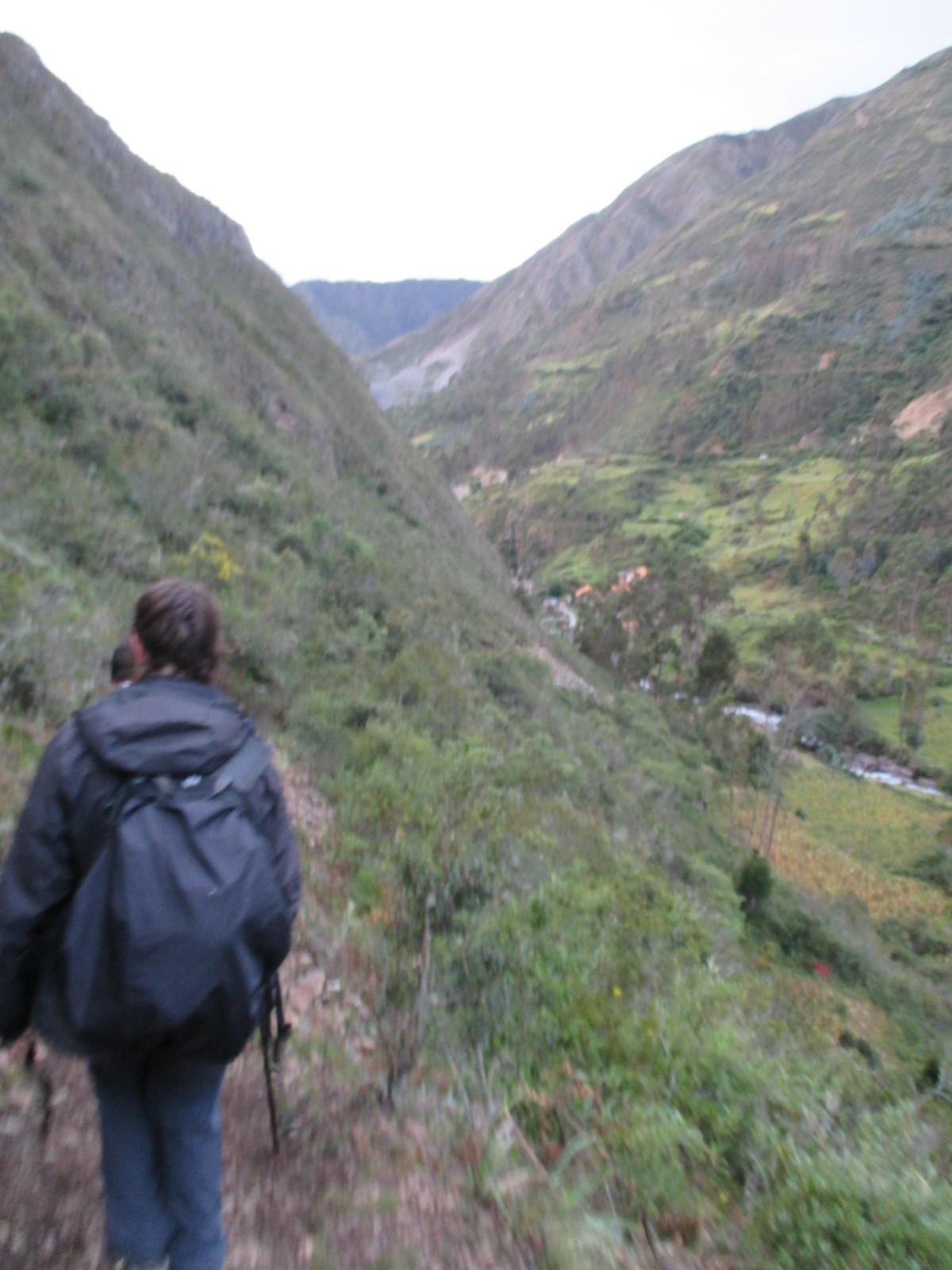
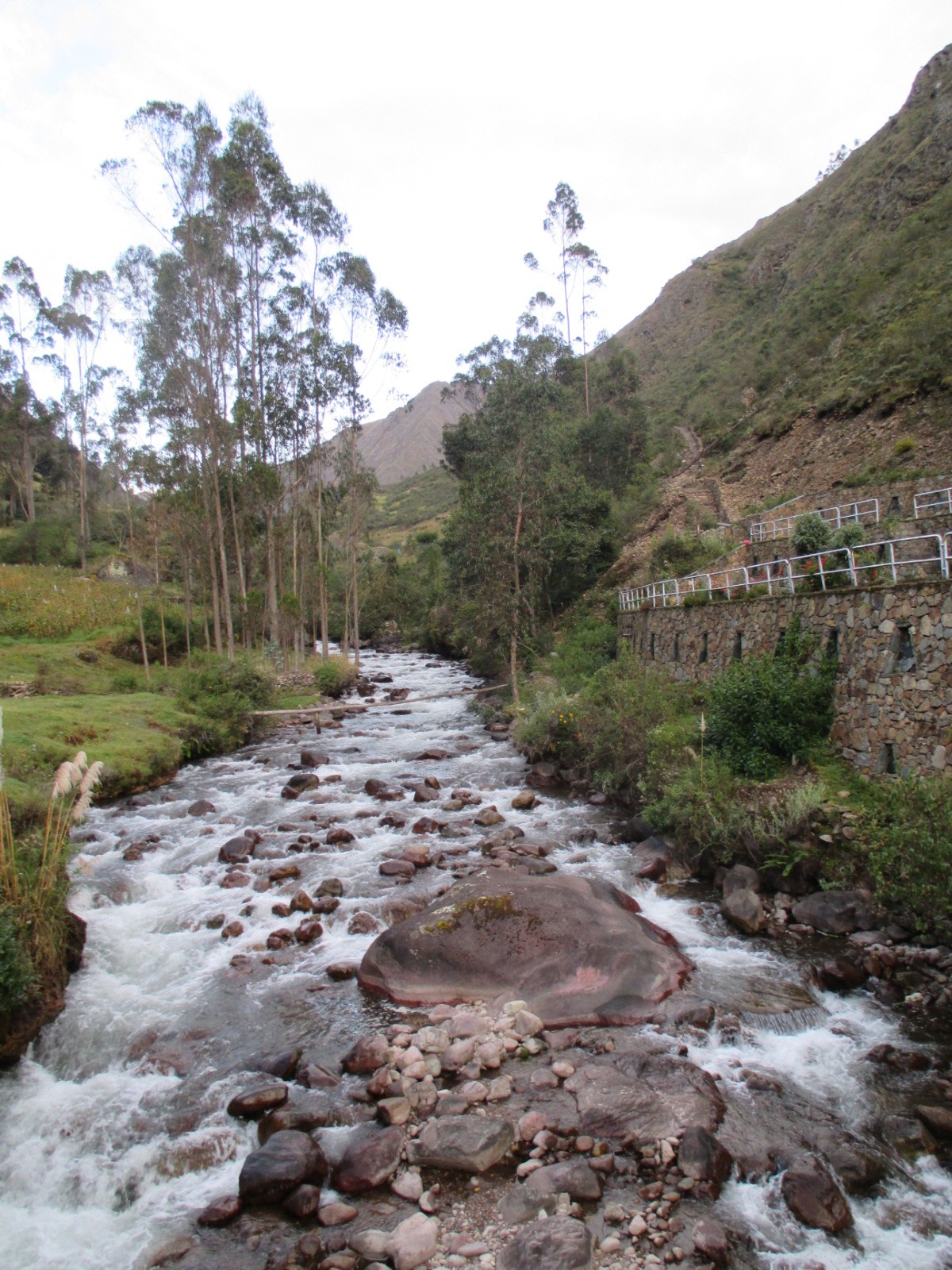
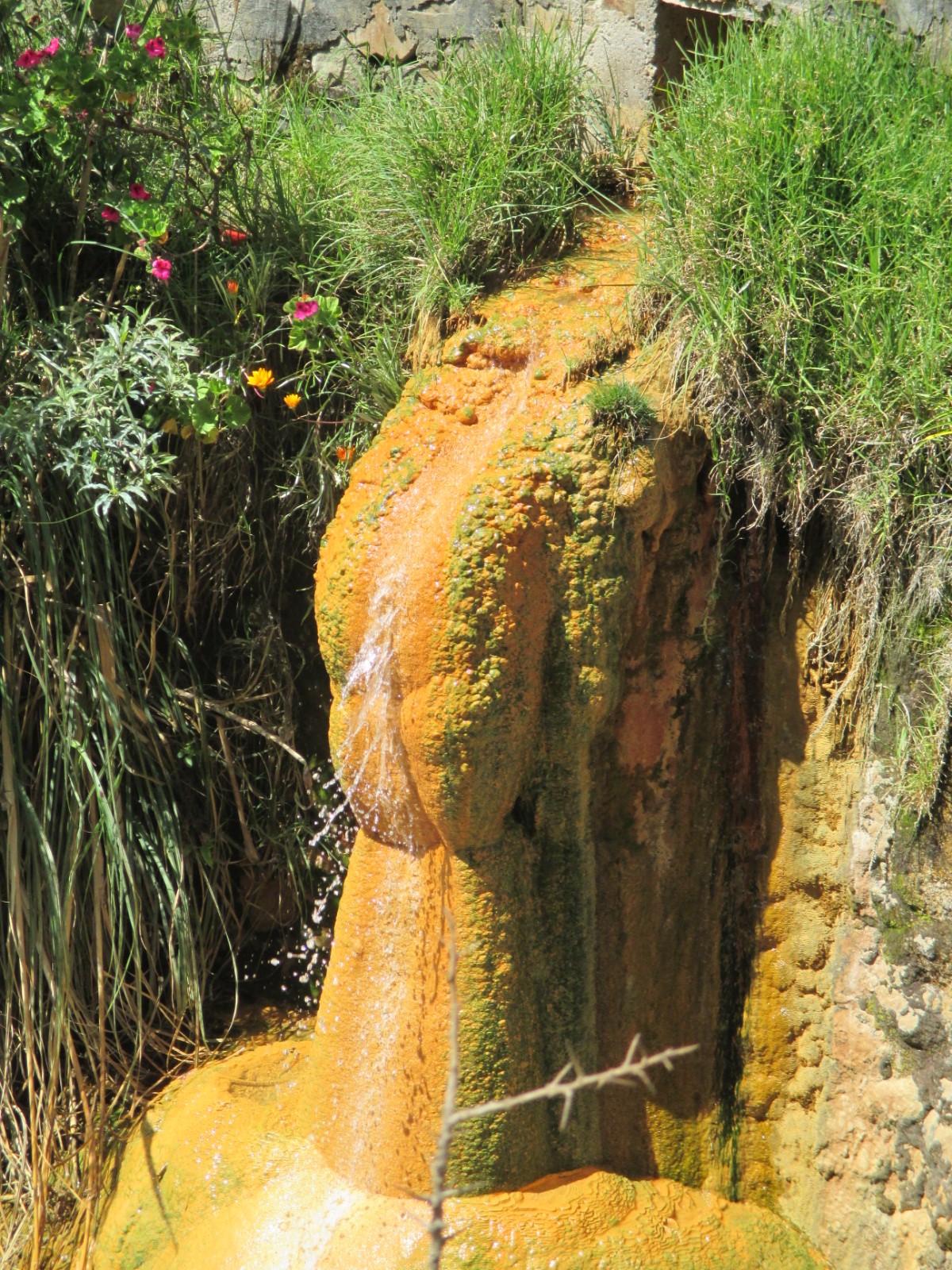
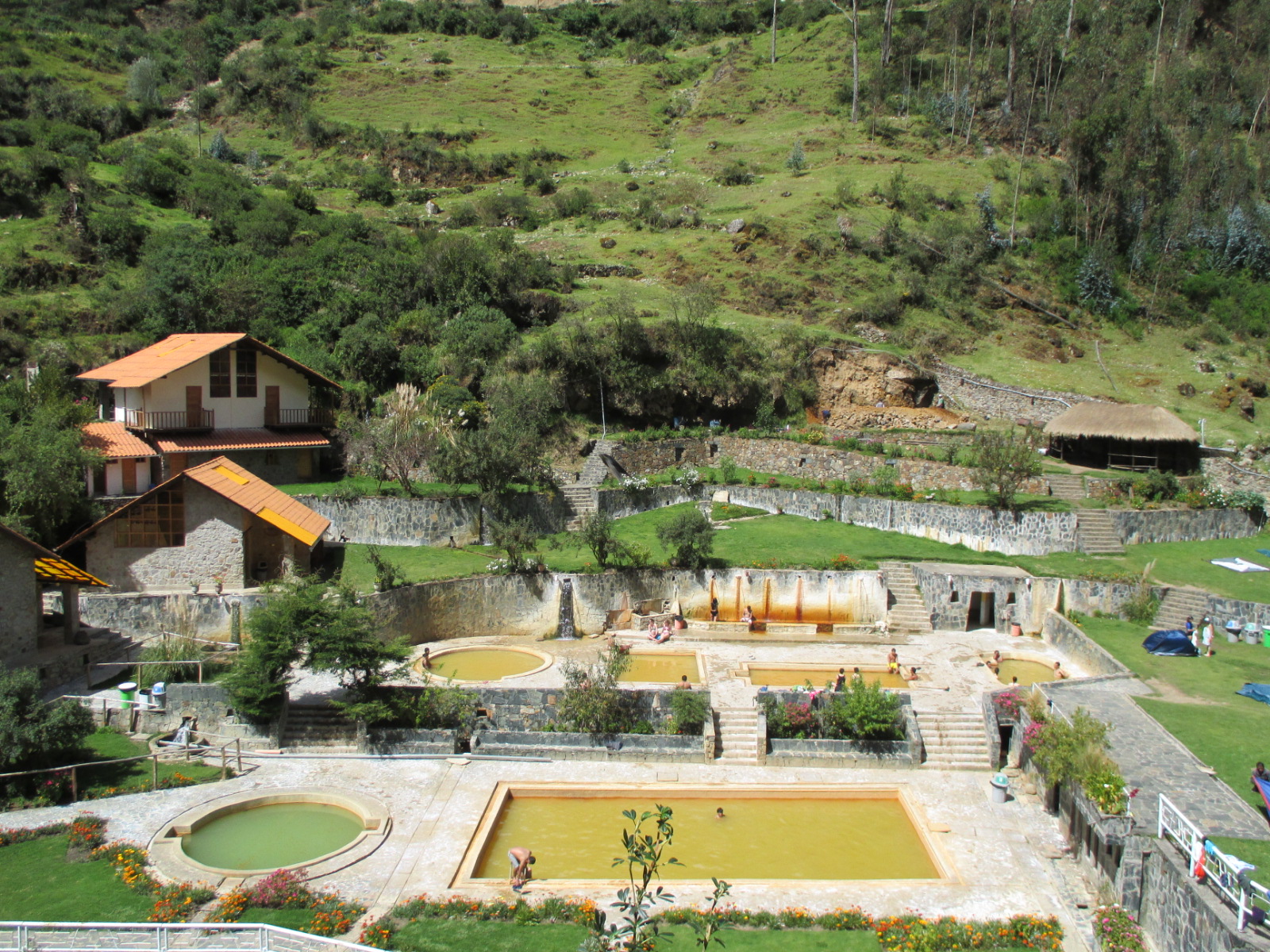
Our trek ended at the hot springs in Lares. Locals and hikers share the steamy water here that comes right out of the ground into these pools
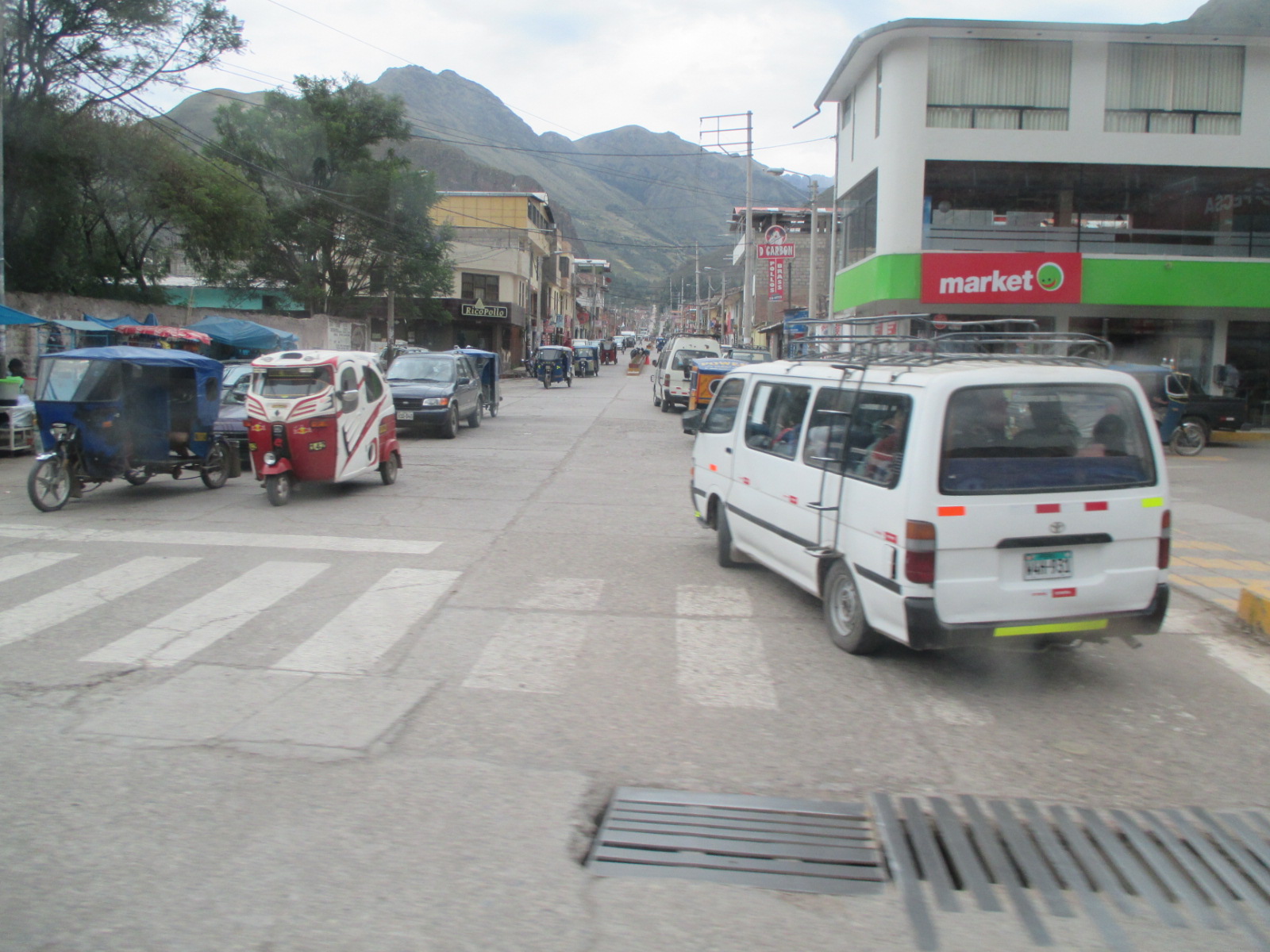
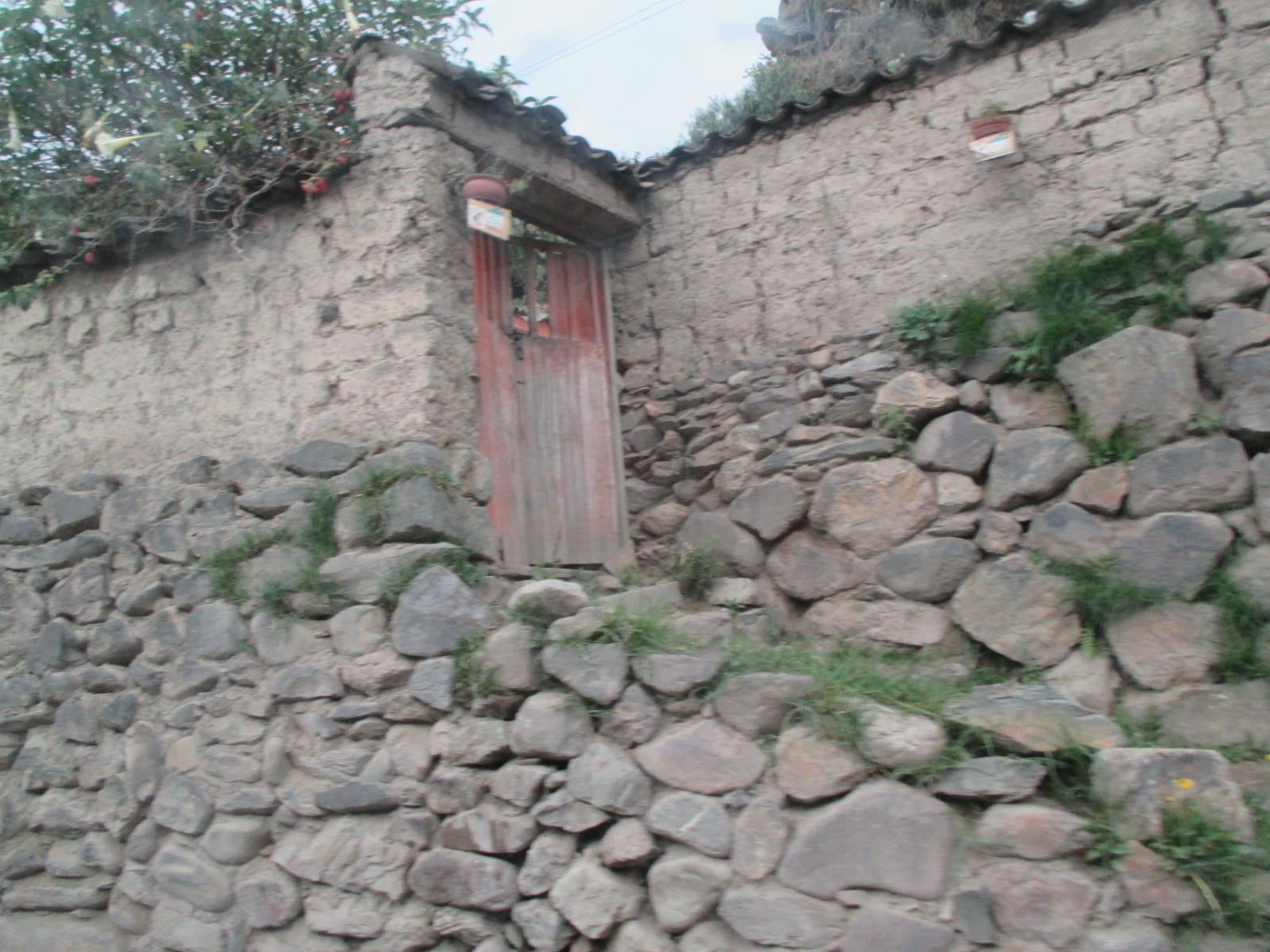
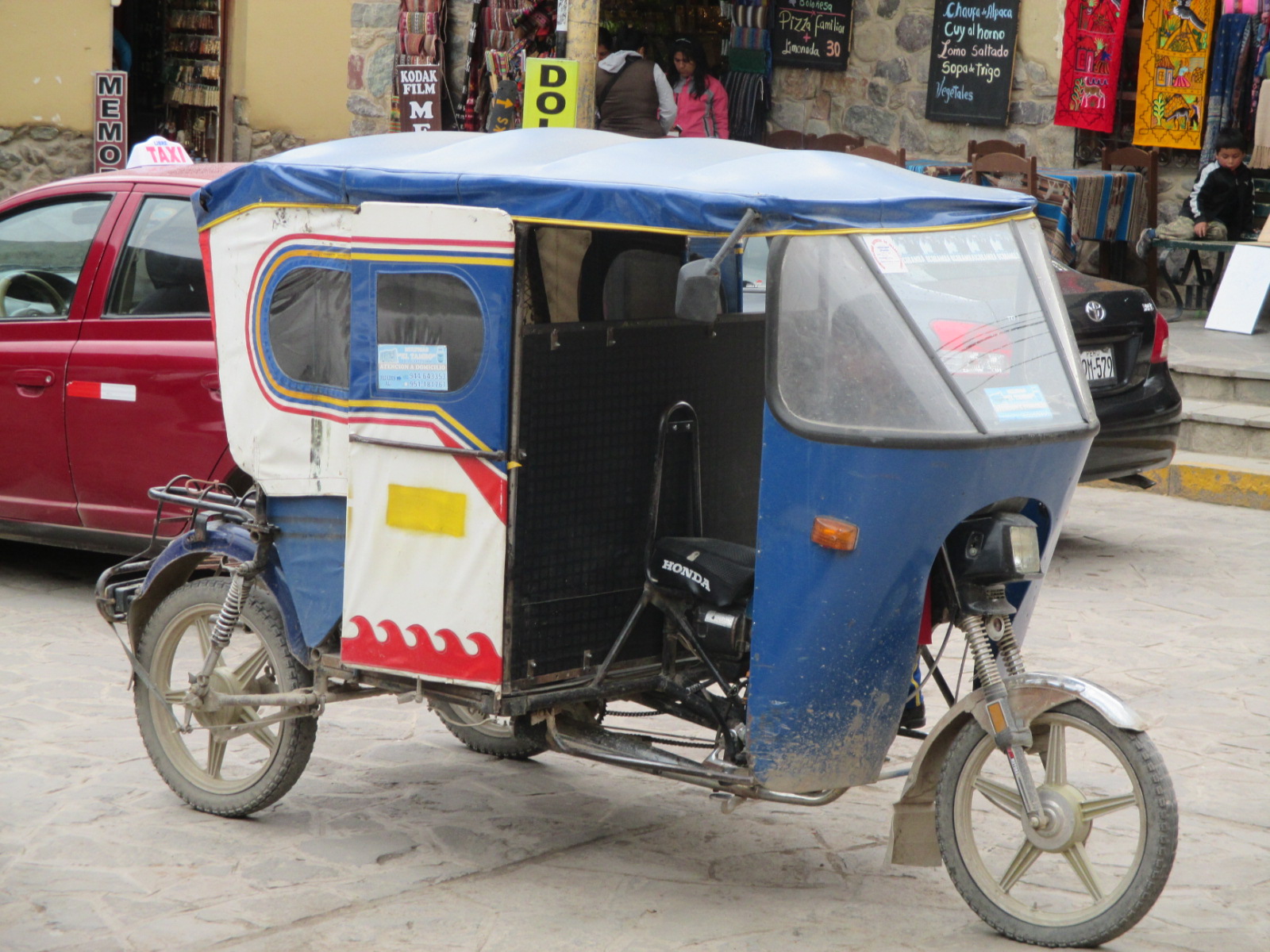
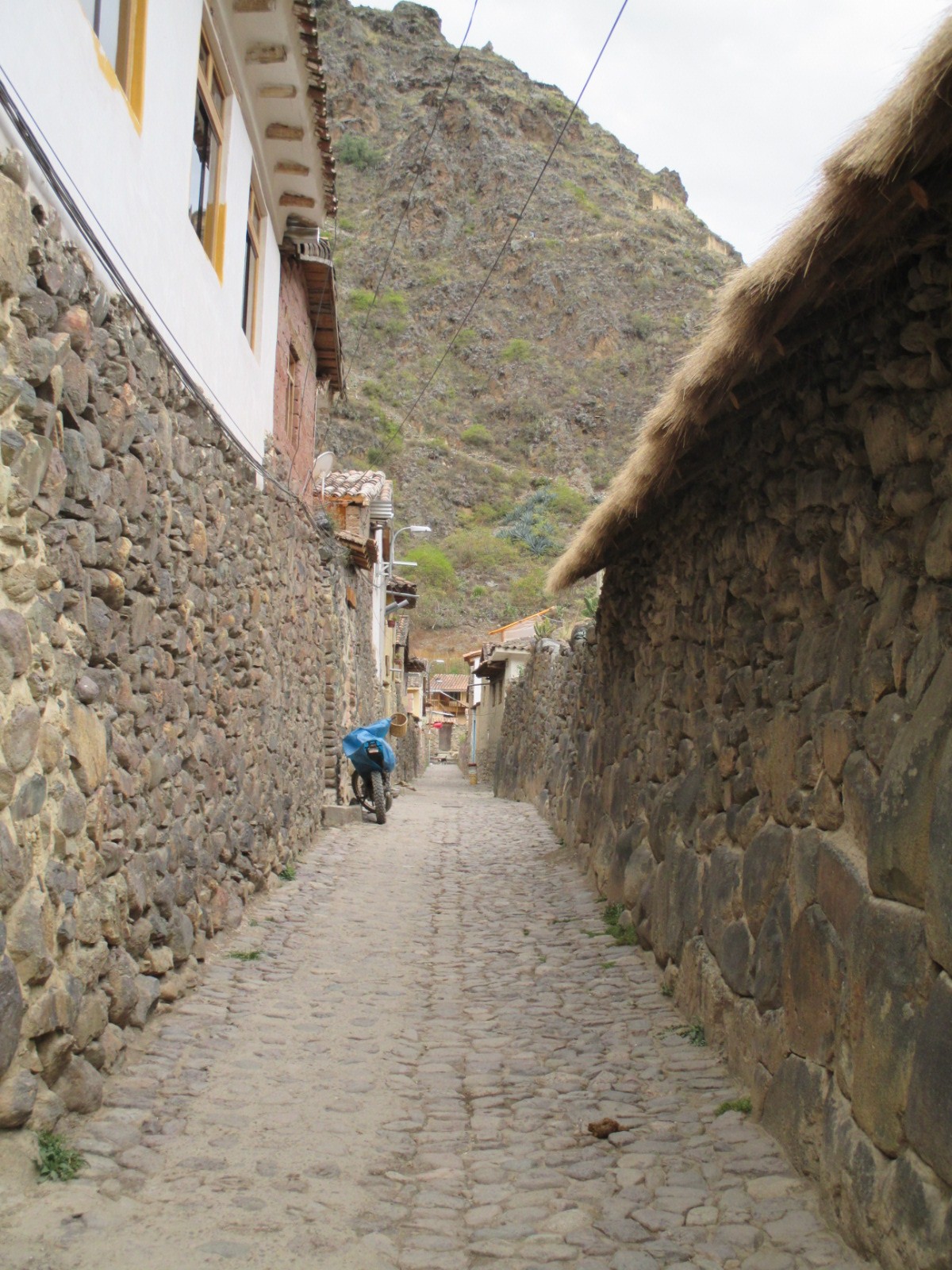
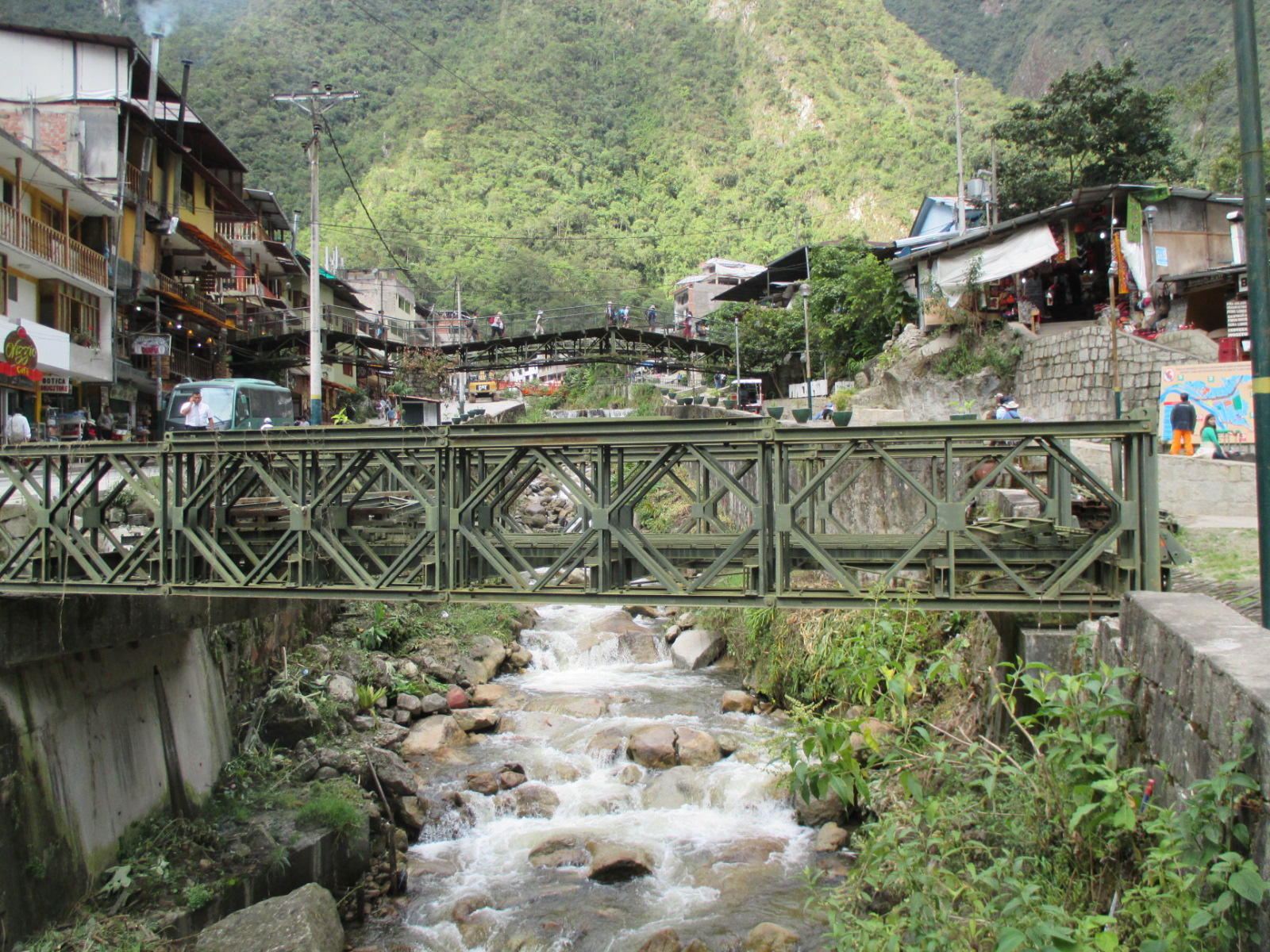
After a night and a morning at the hot springs we’re off to Ollantaytambo to catch a train to Aguas Calientes for Machu Picchu!
The first shot of Machu Picchu
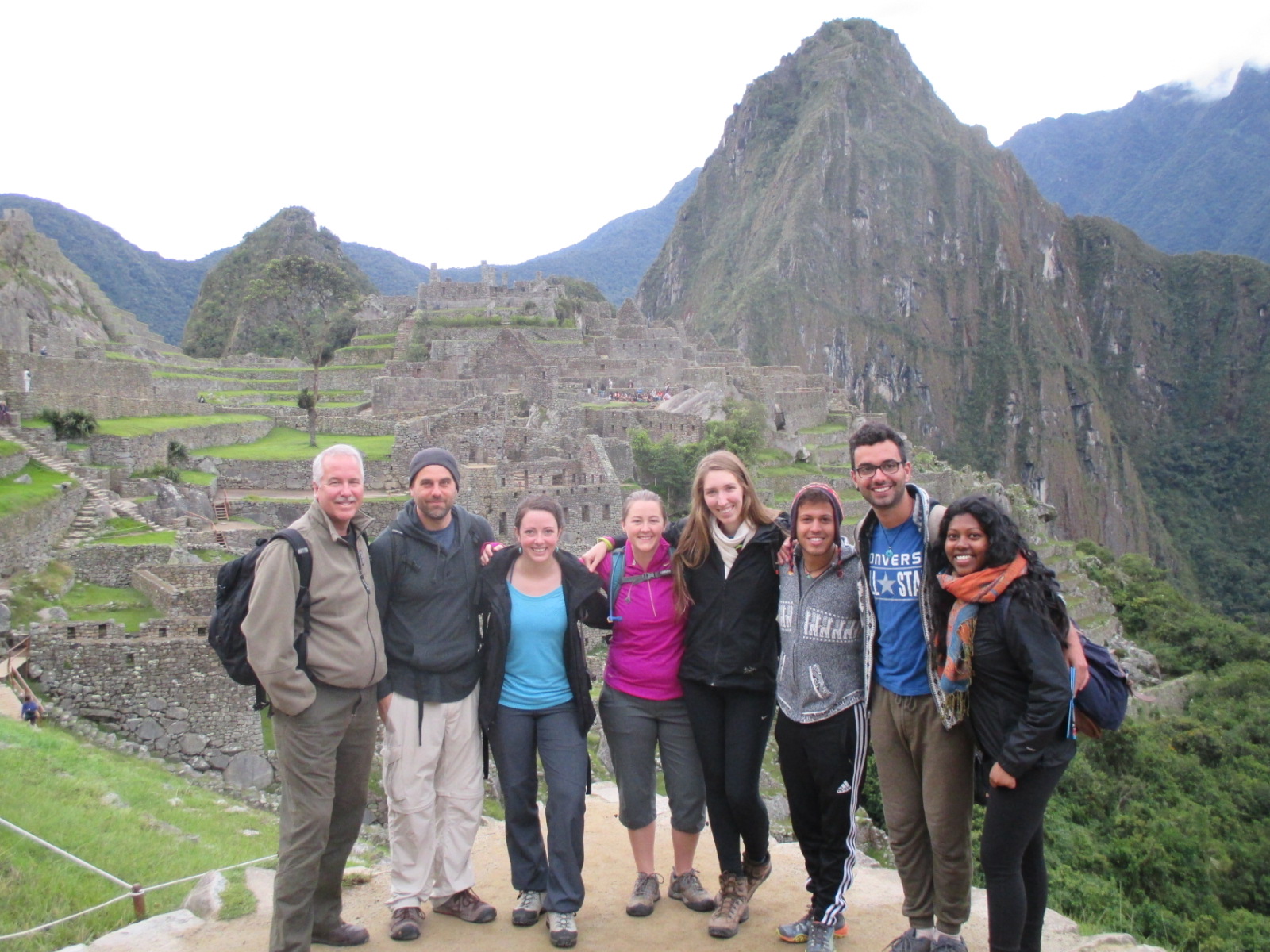
Our Trekking team, Kirk, me, Christine, Carrie, Stephanie, Jonathon, Paolo and Therrani
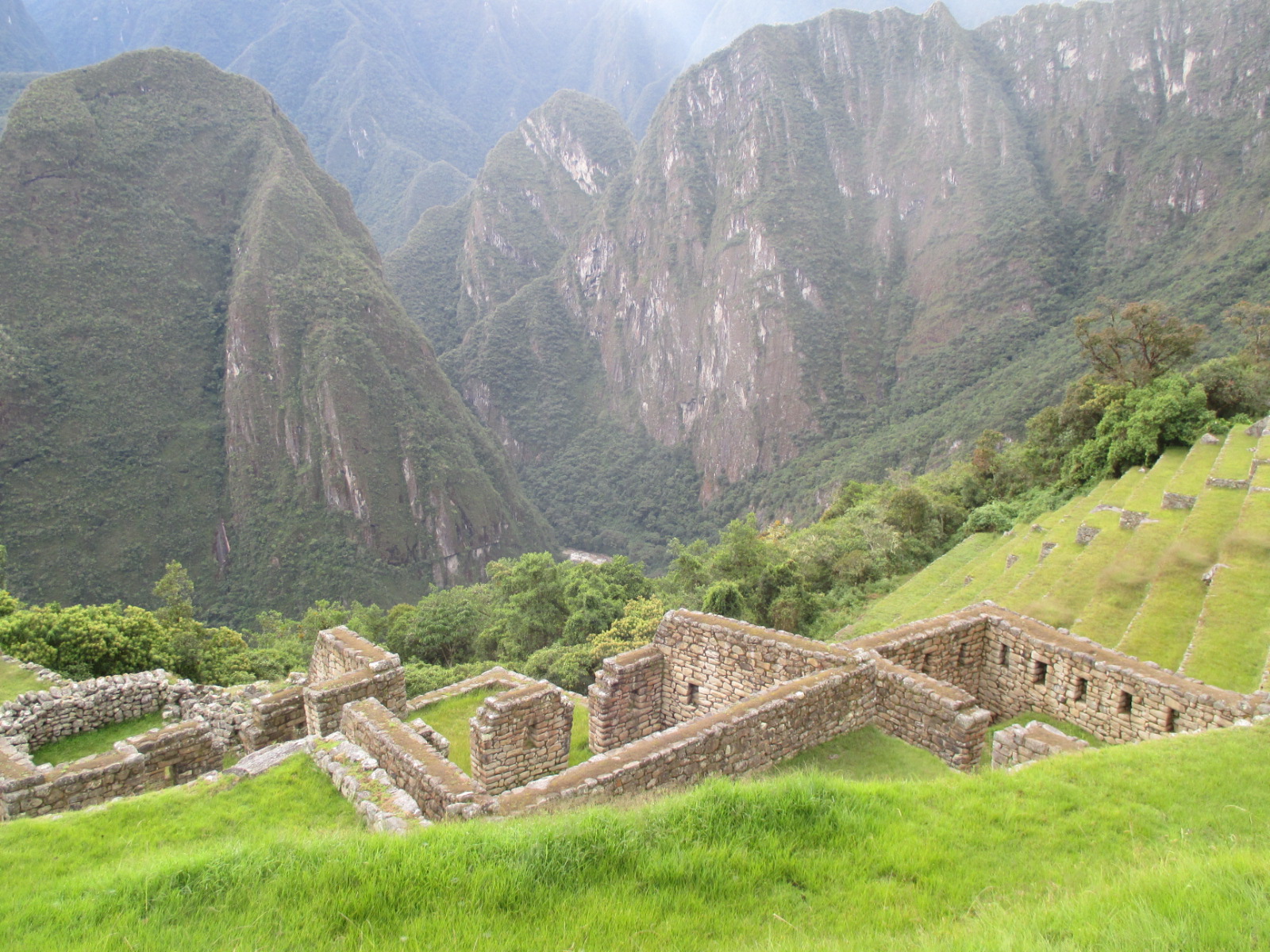
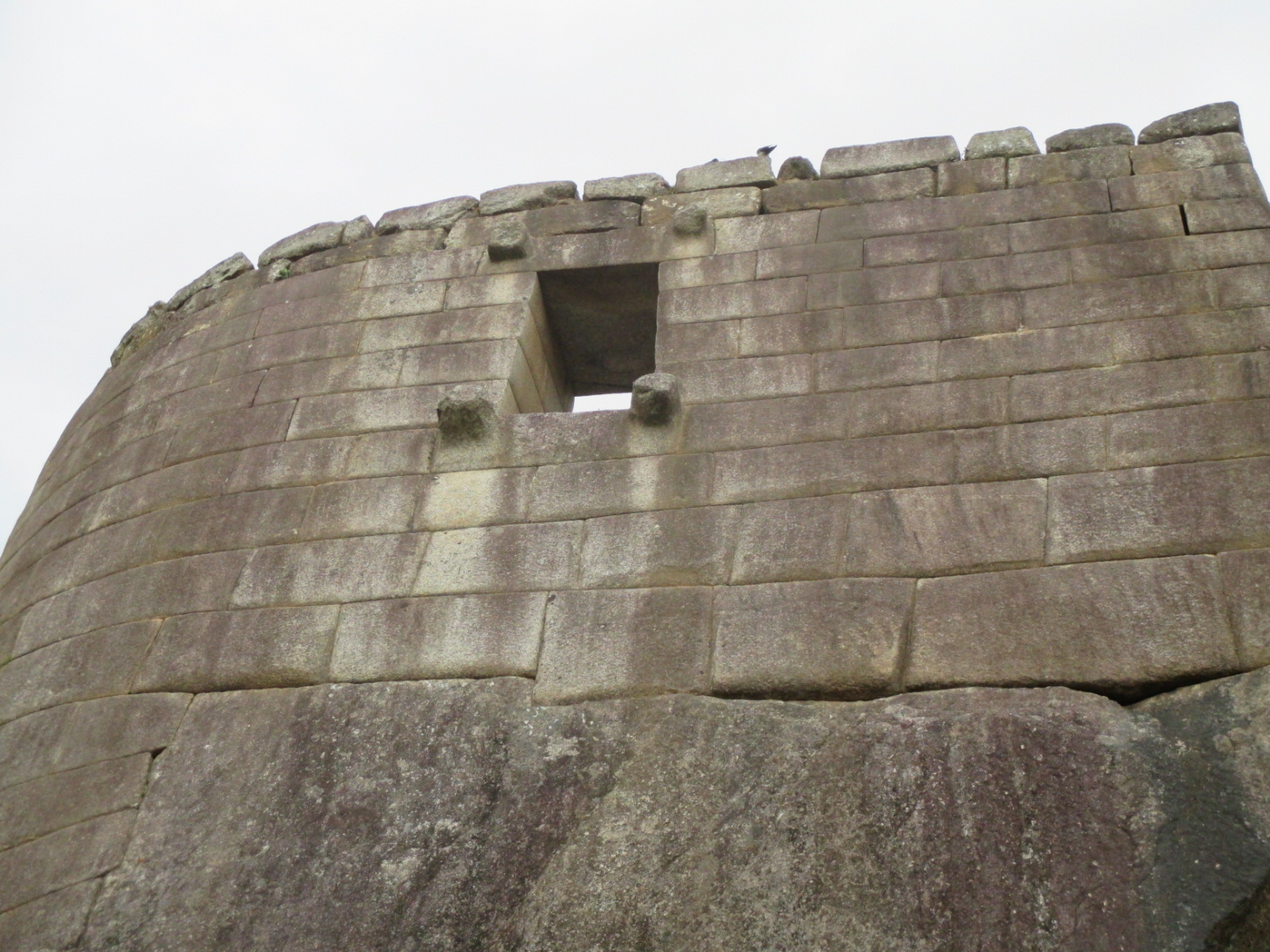
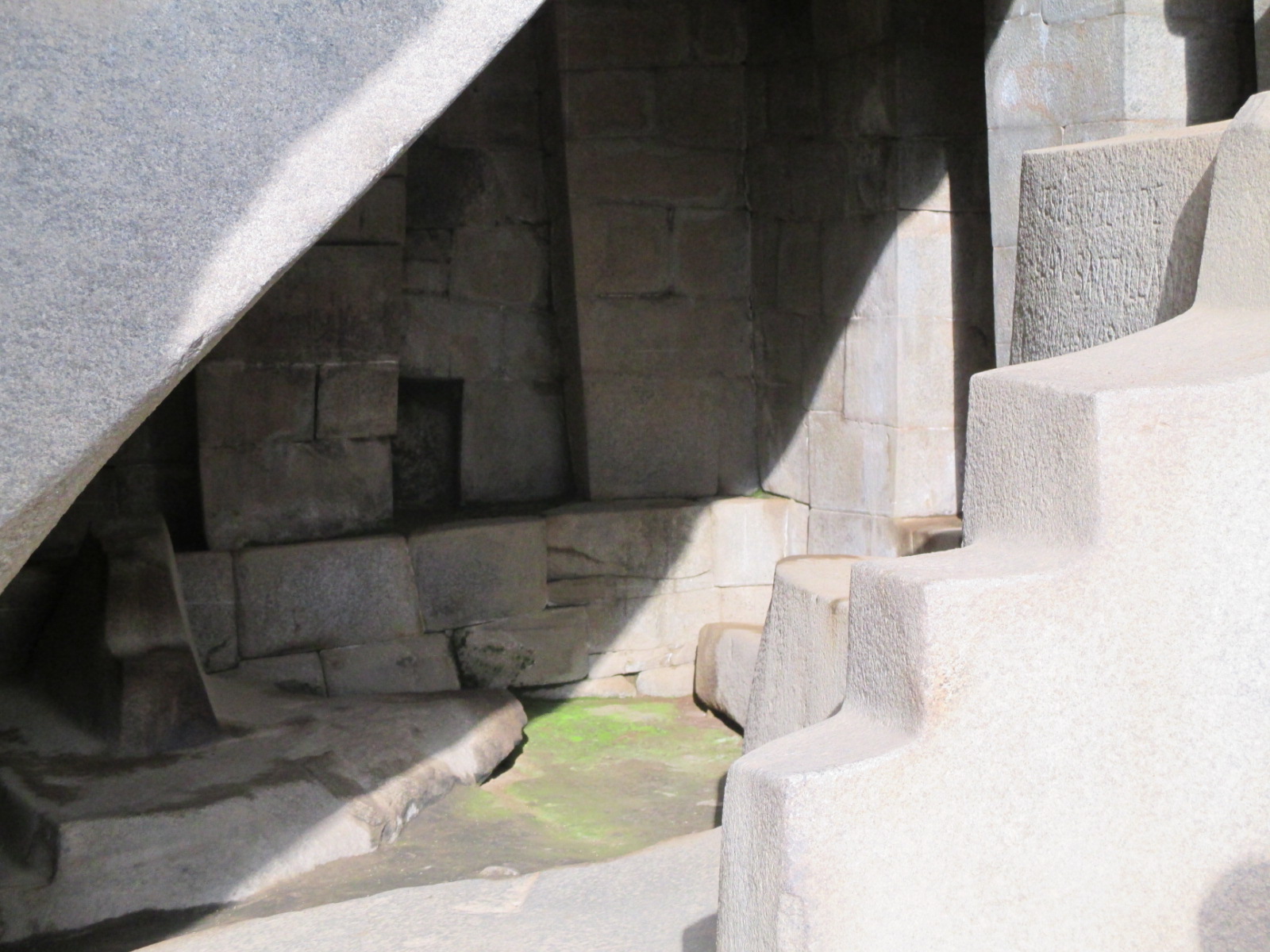
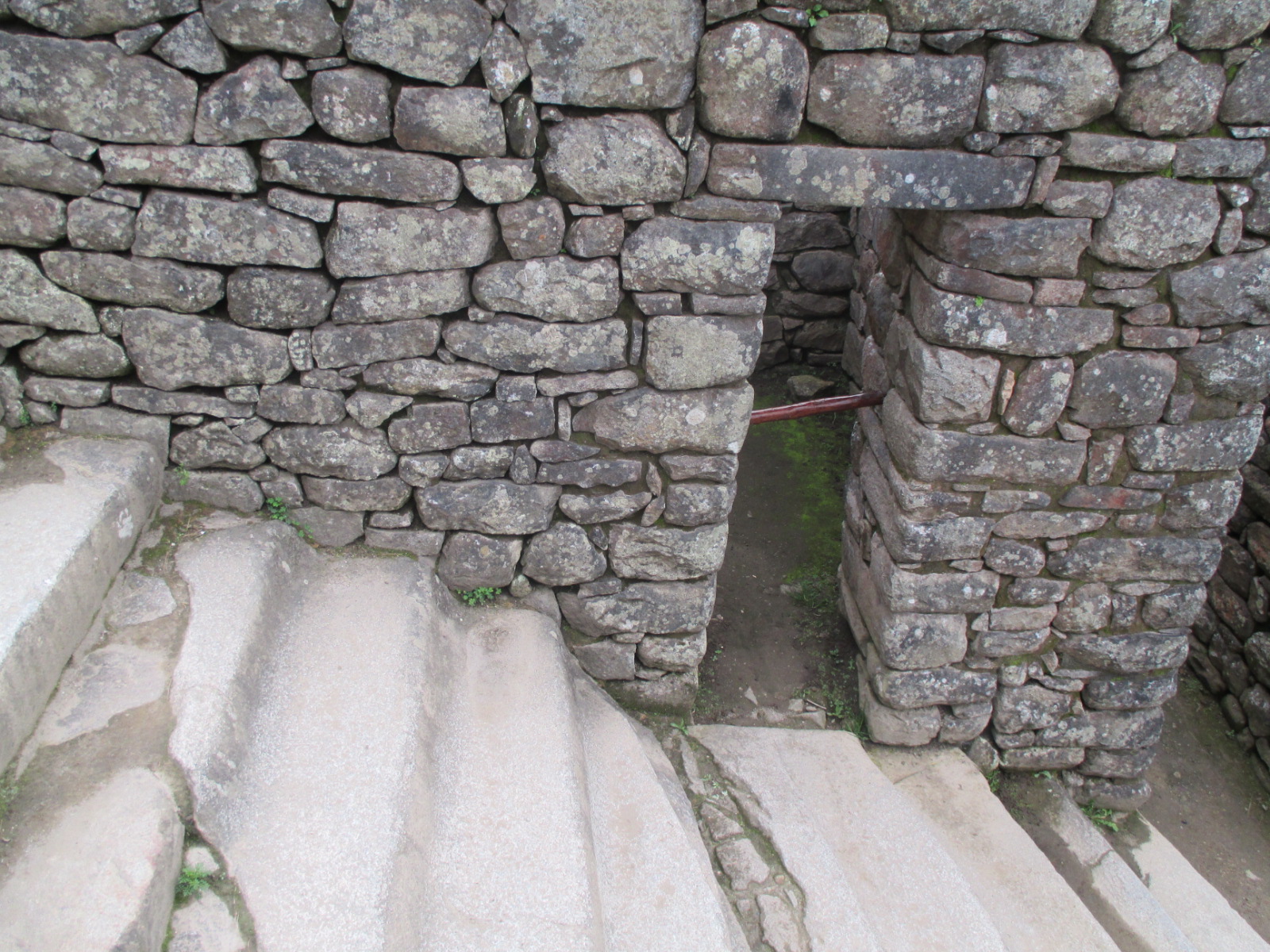
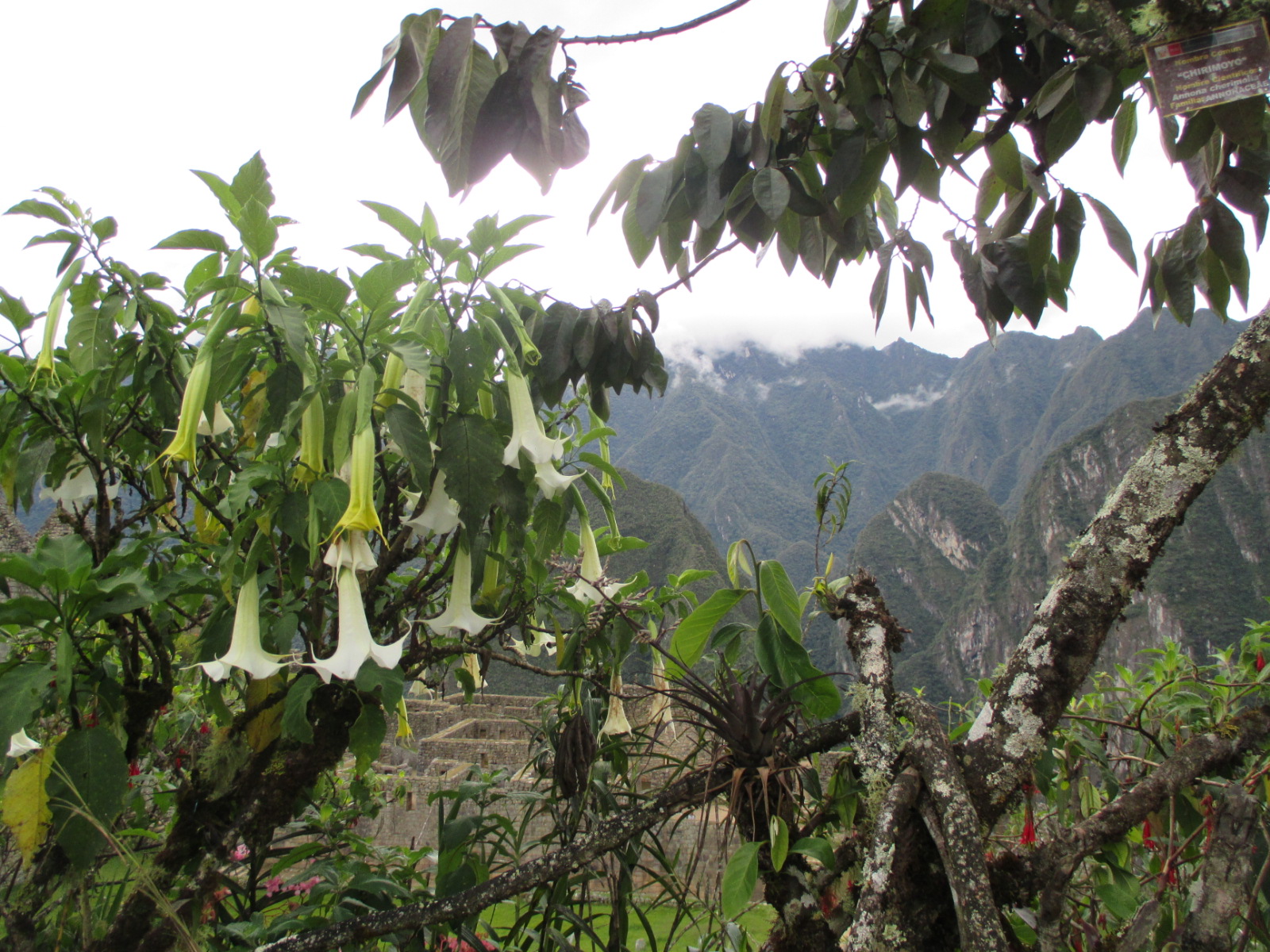
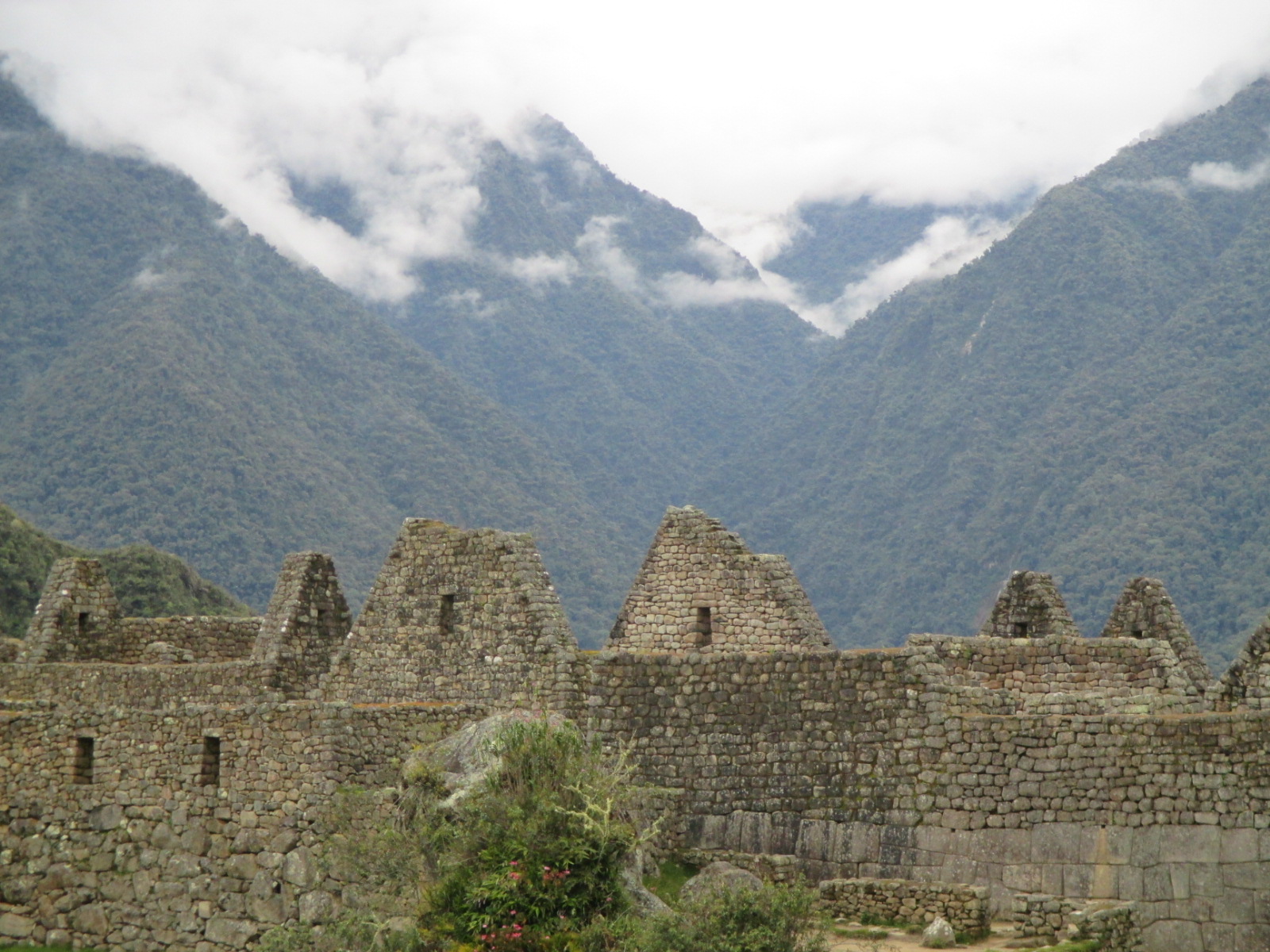
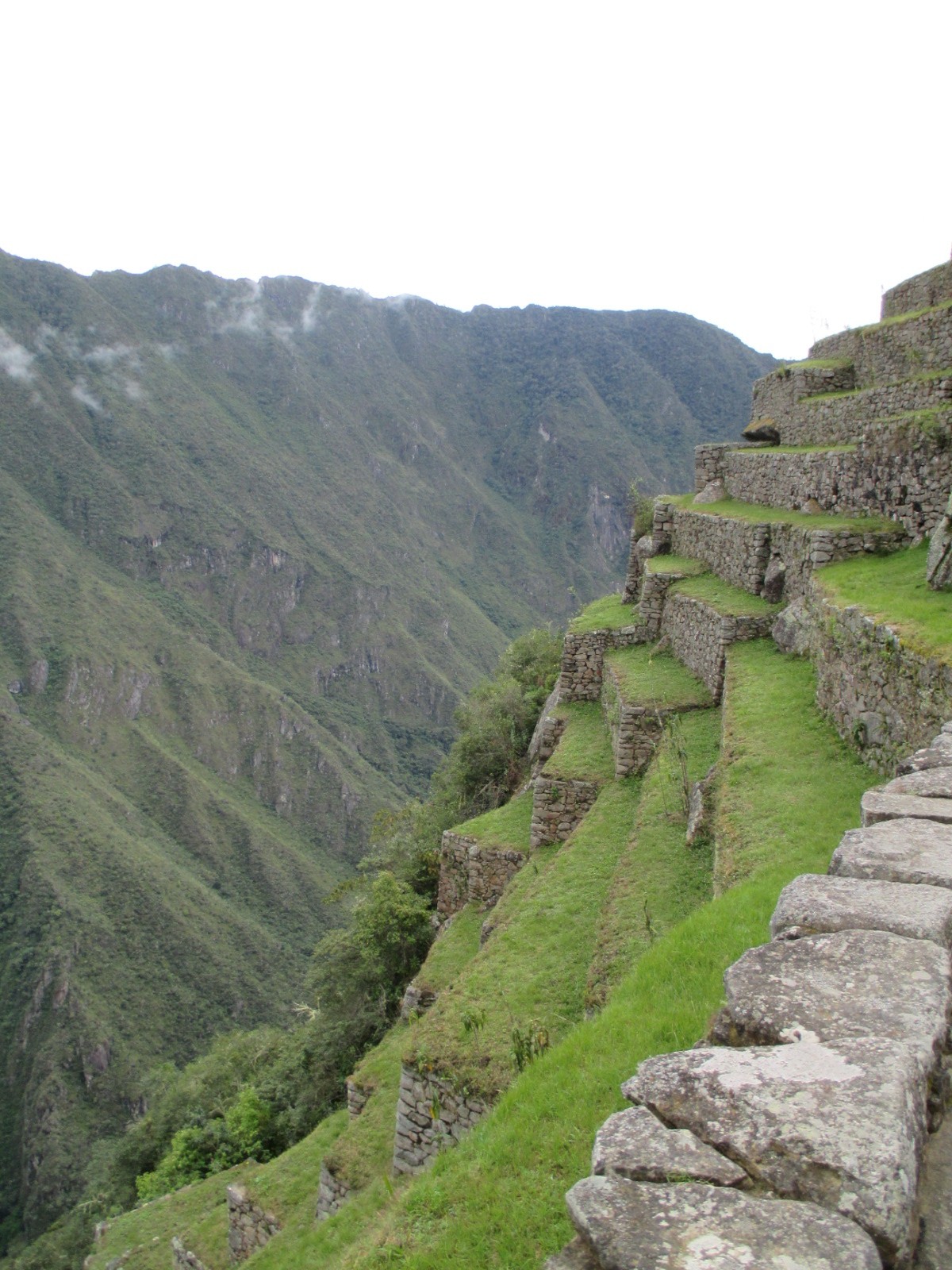
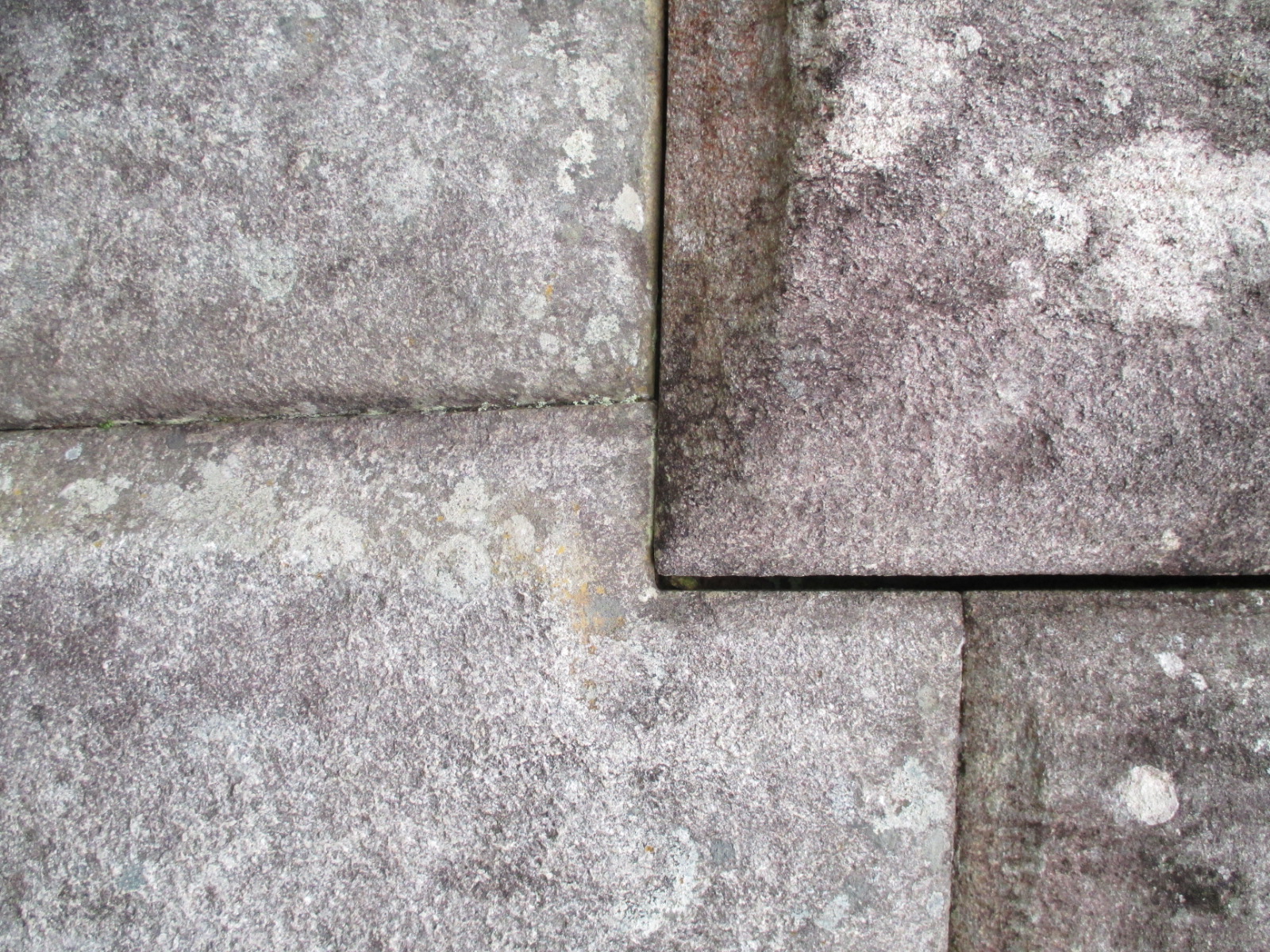

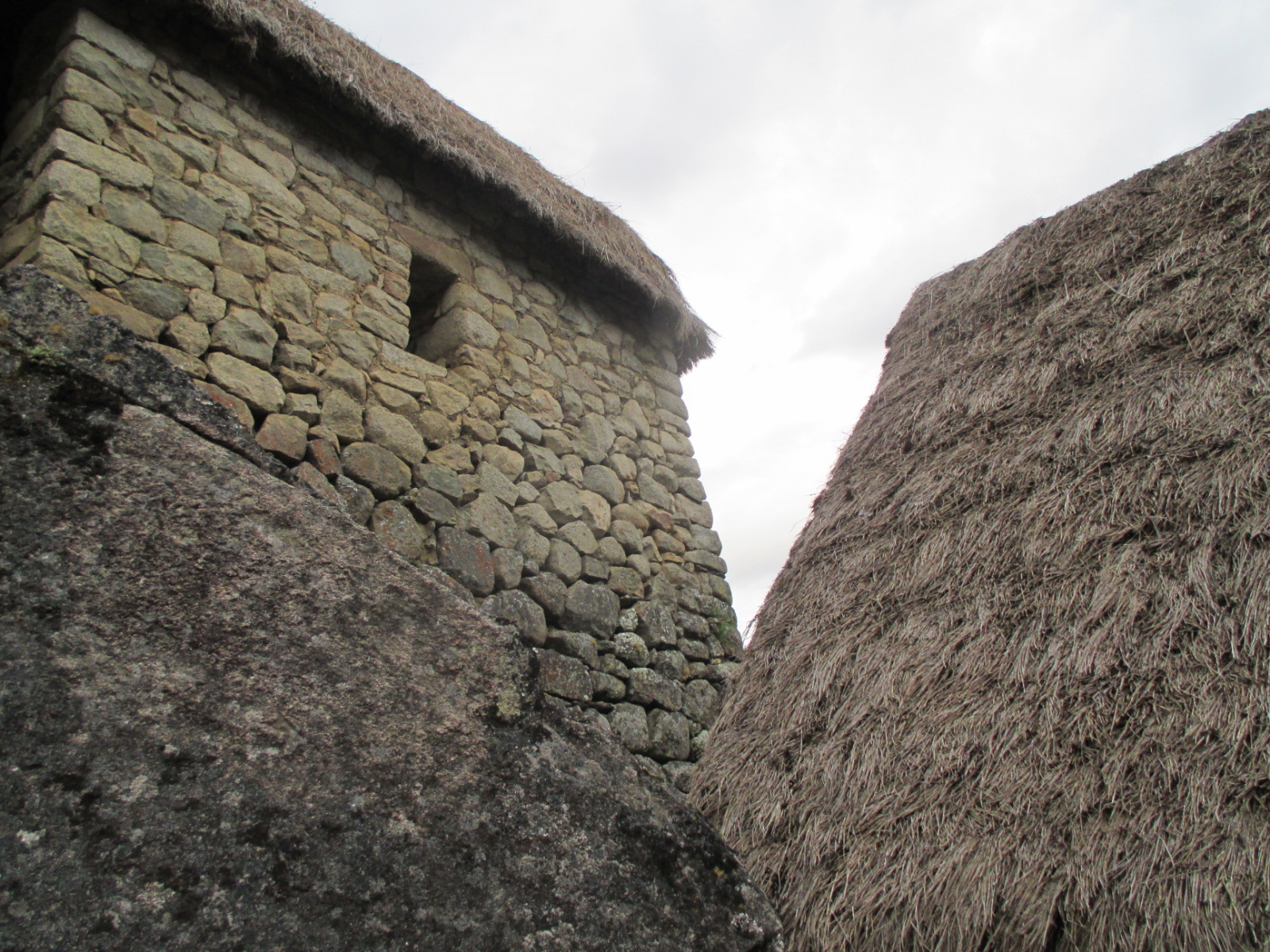
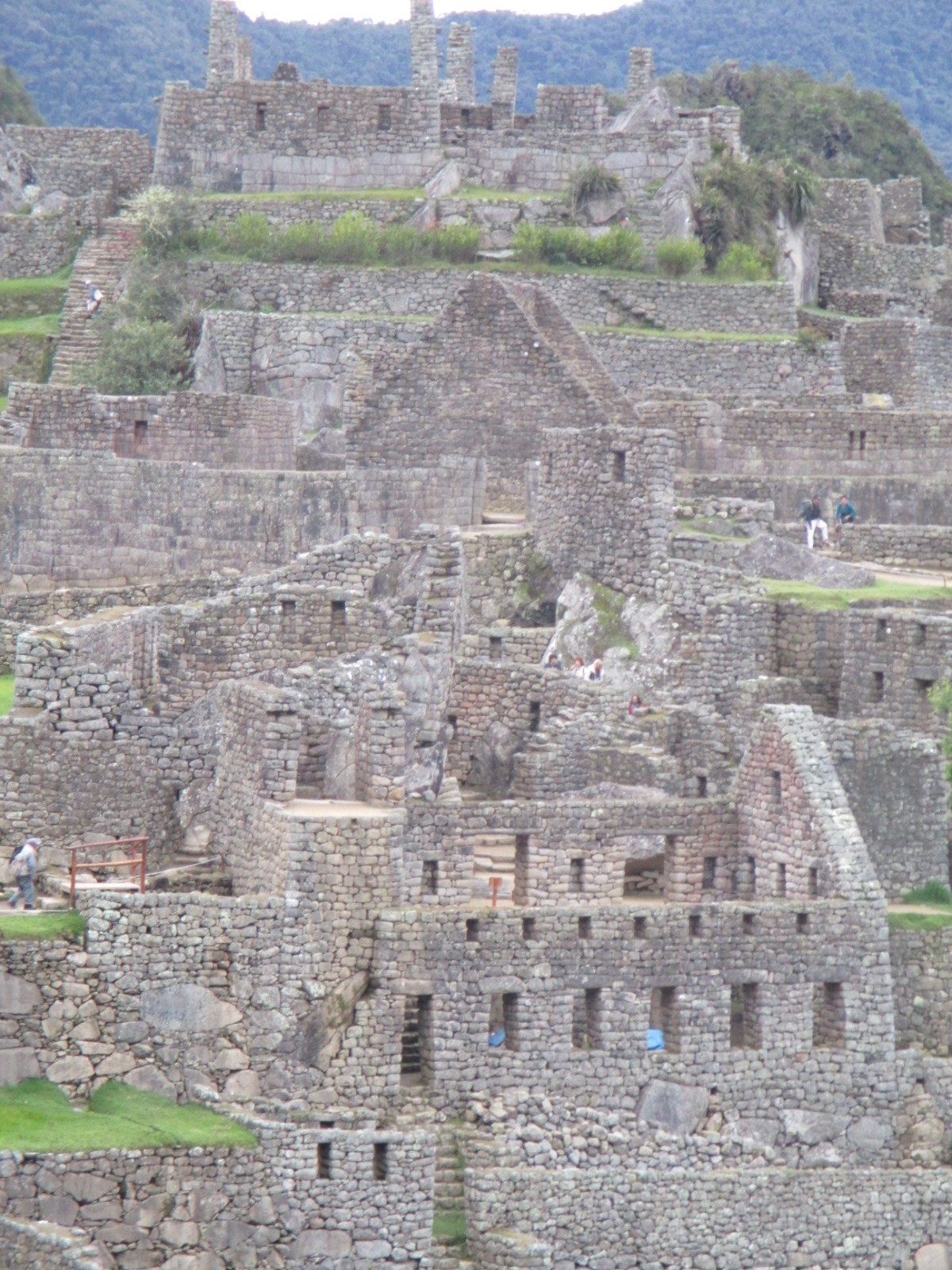
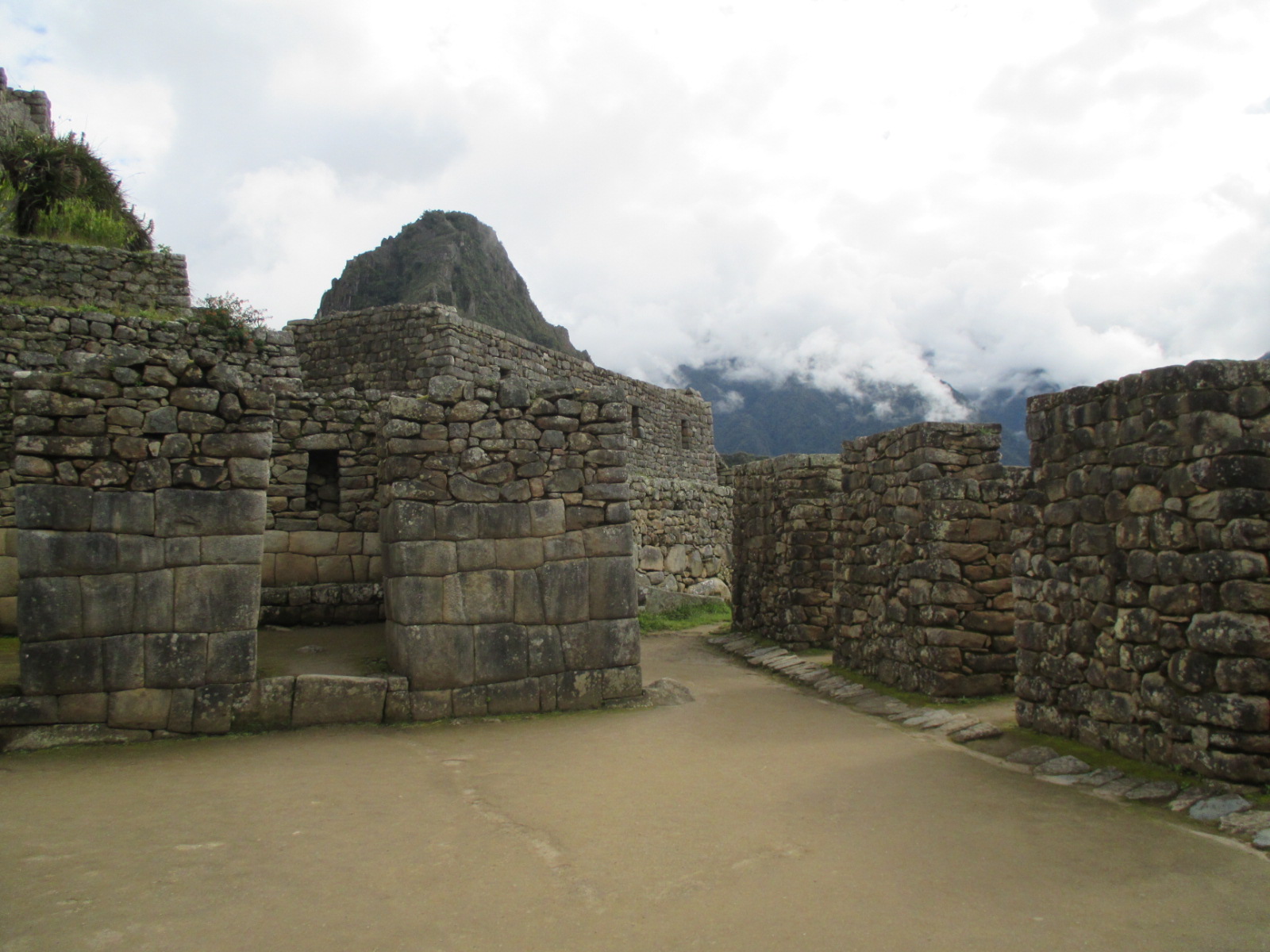
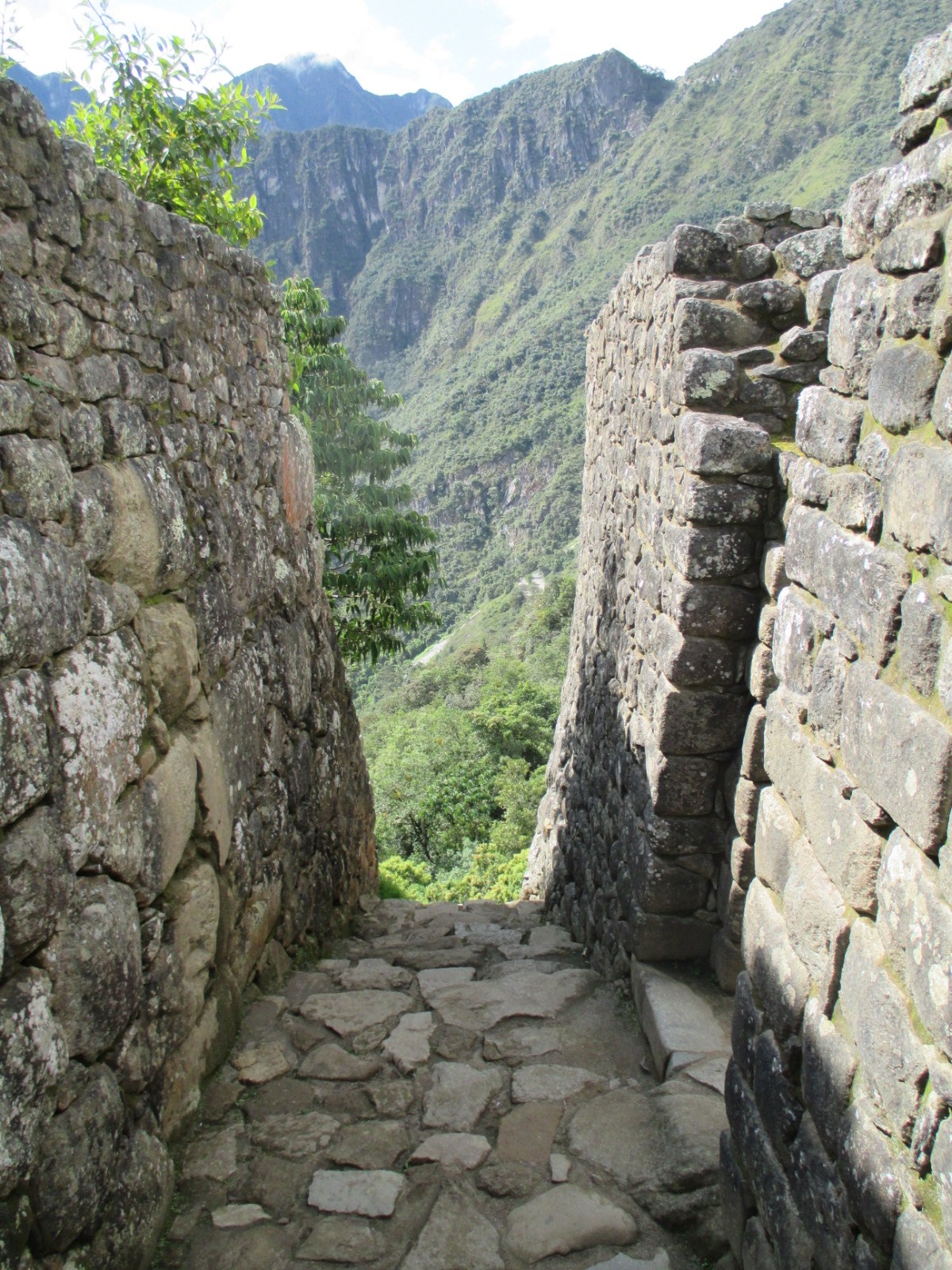
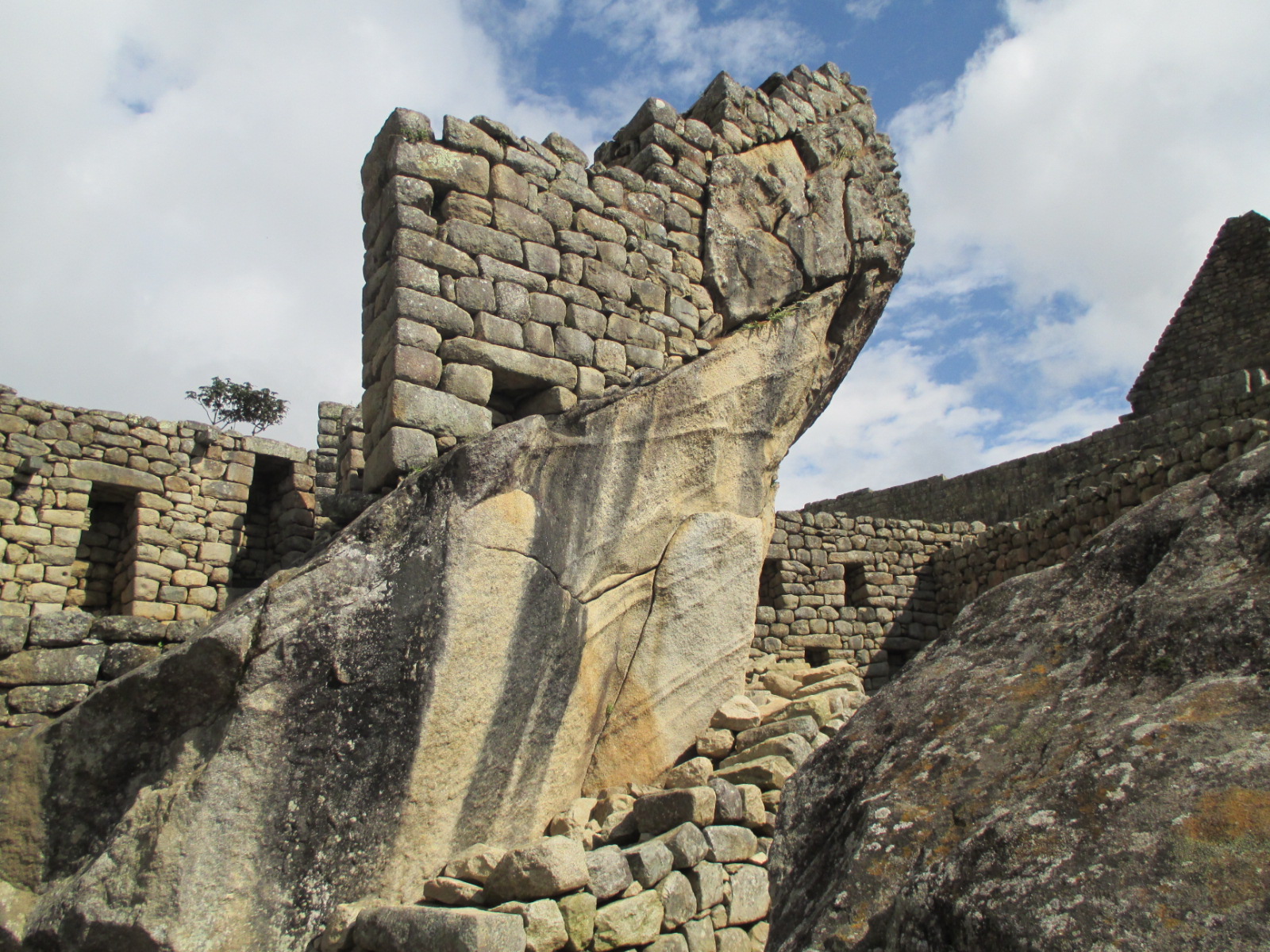
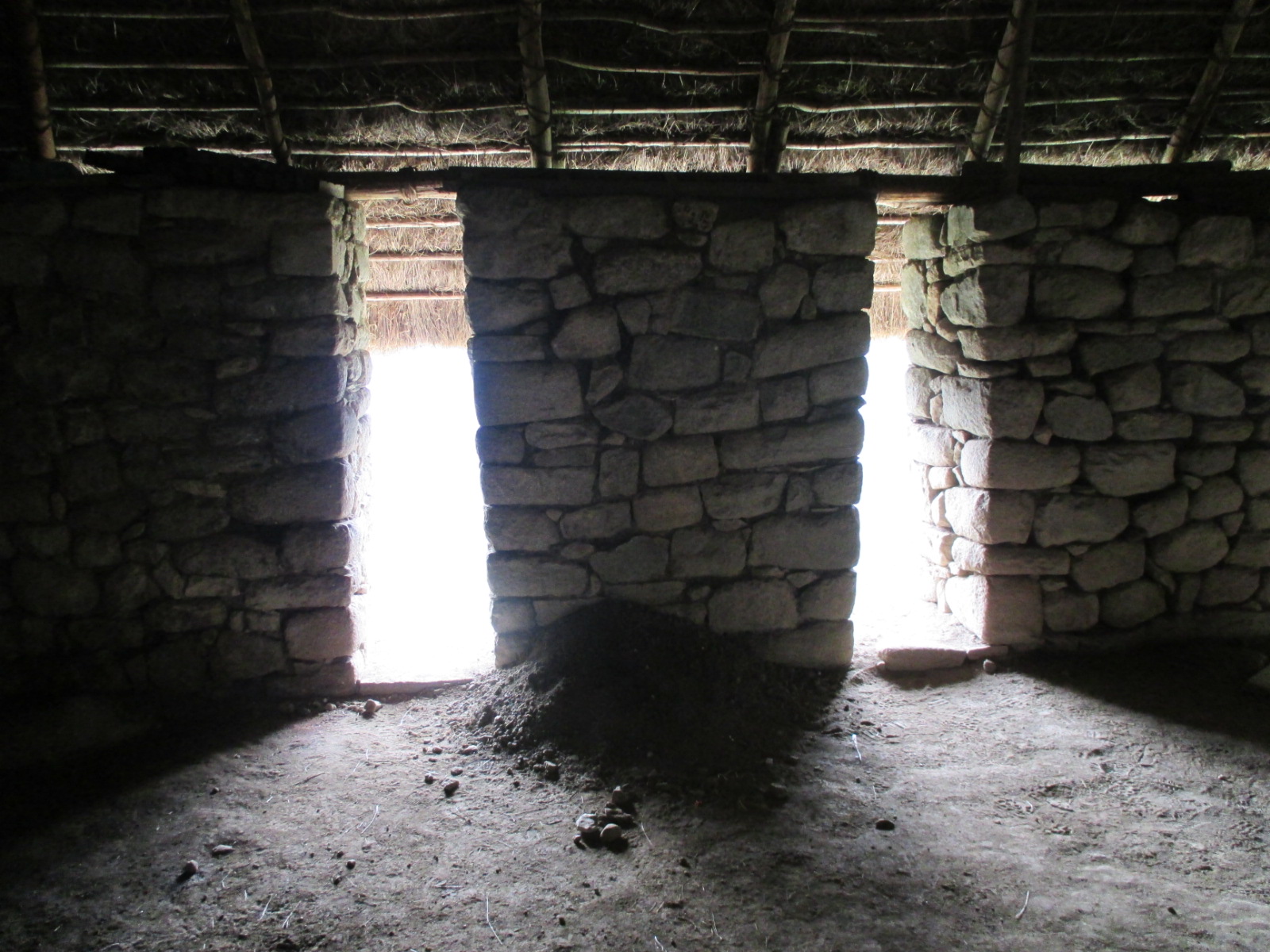
there’s that amazing Incan Stonework
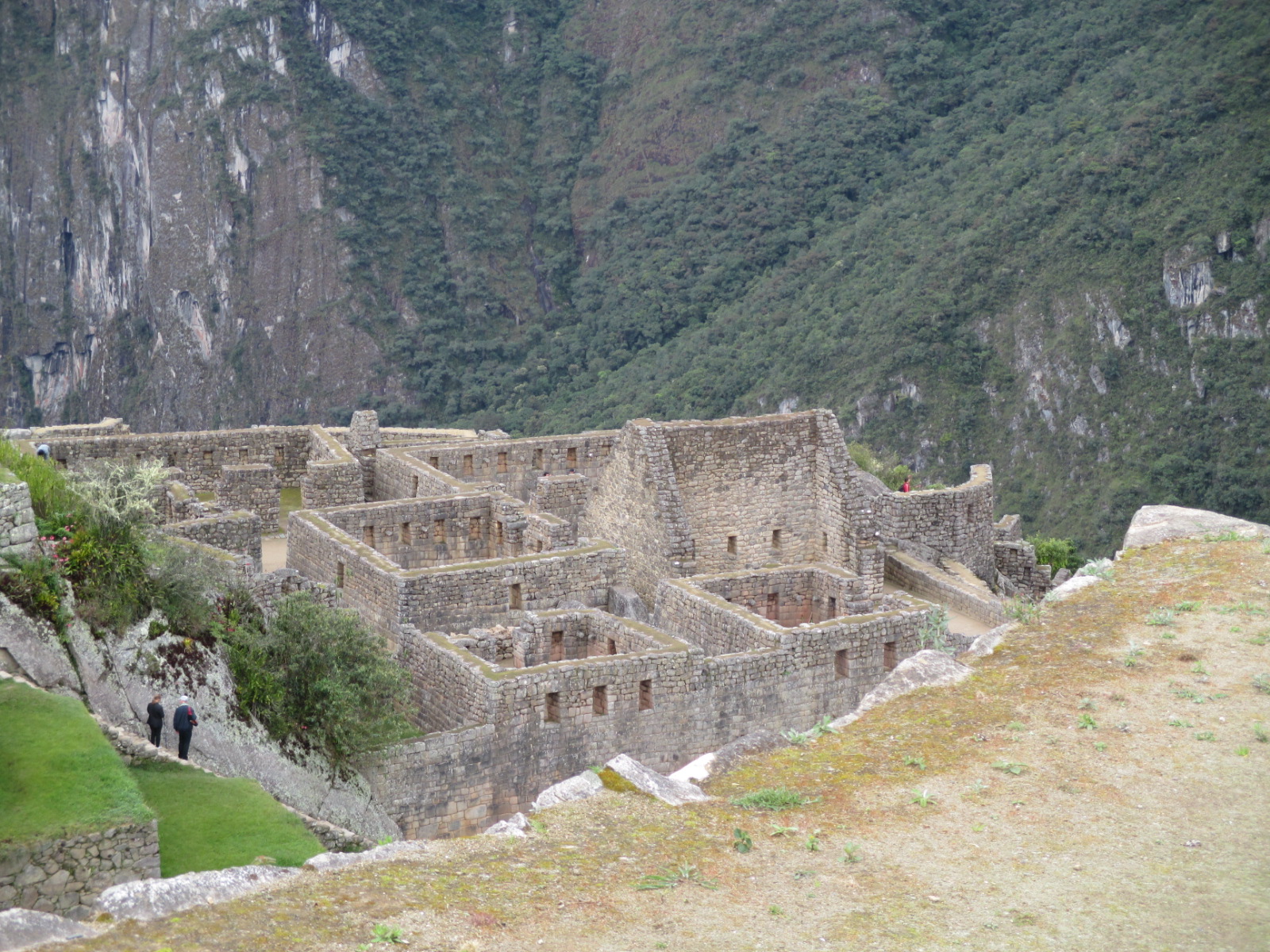
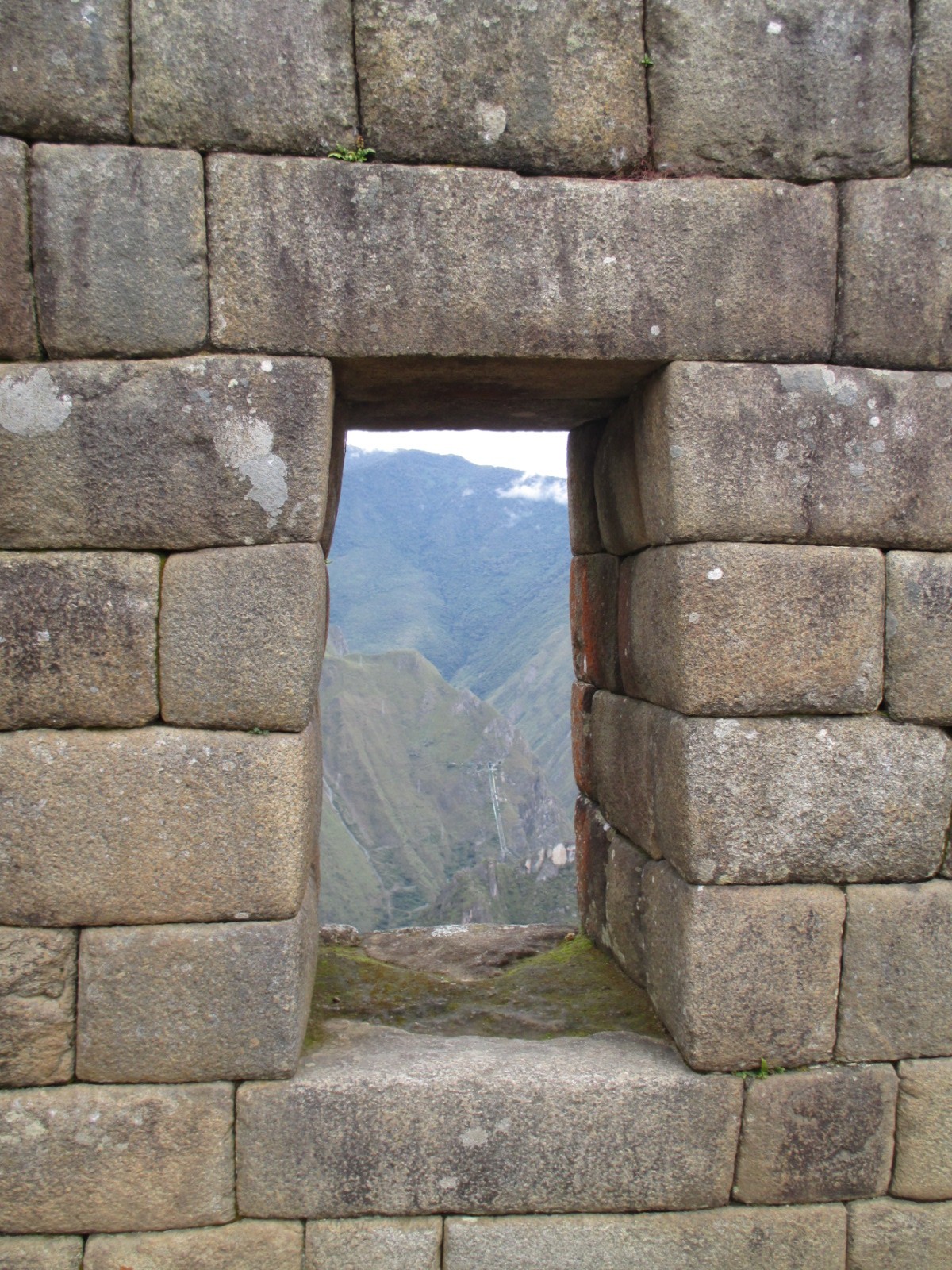
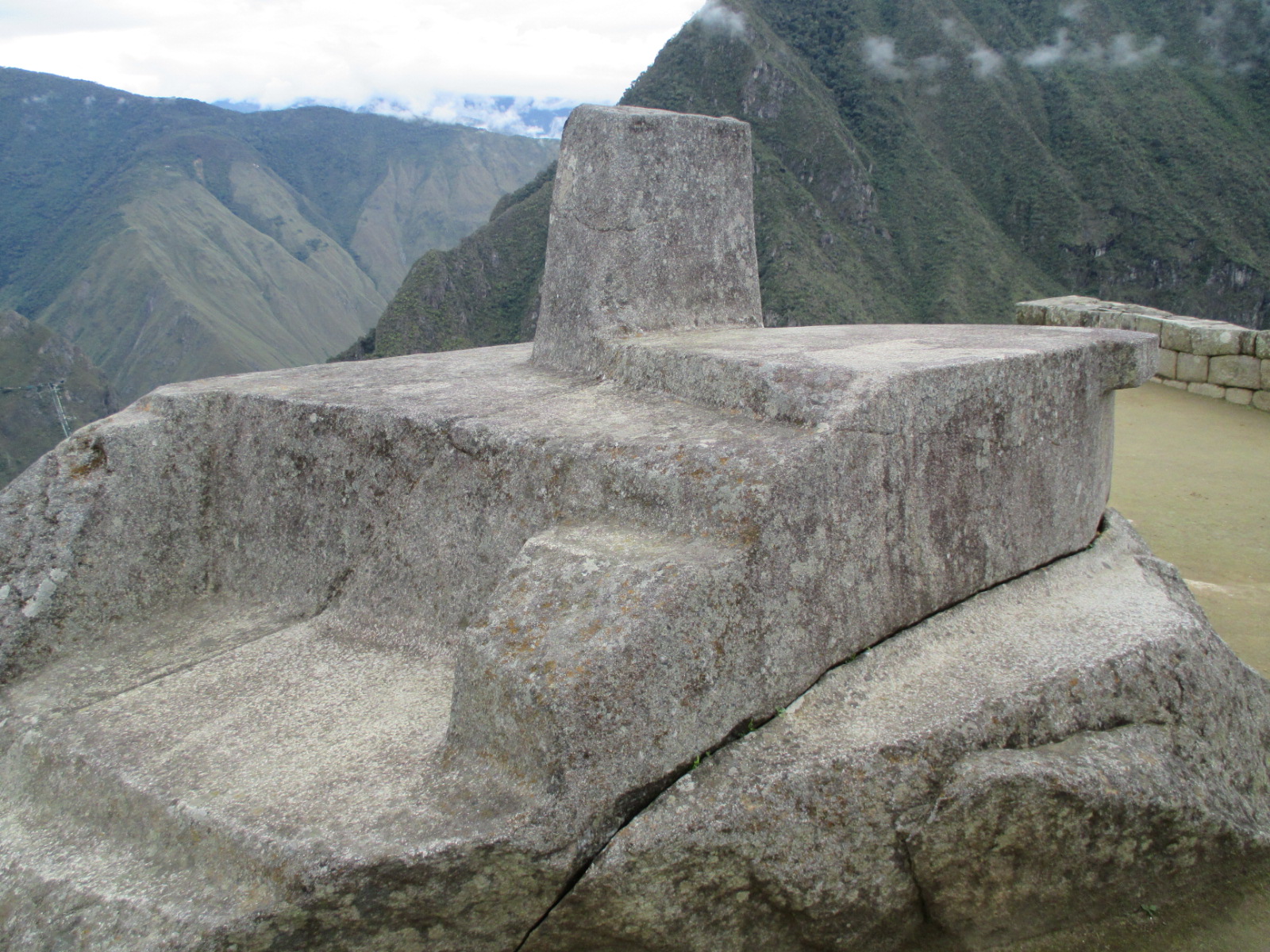
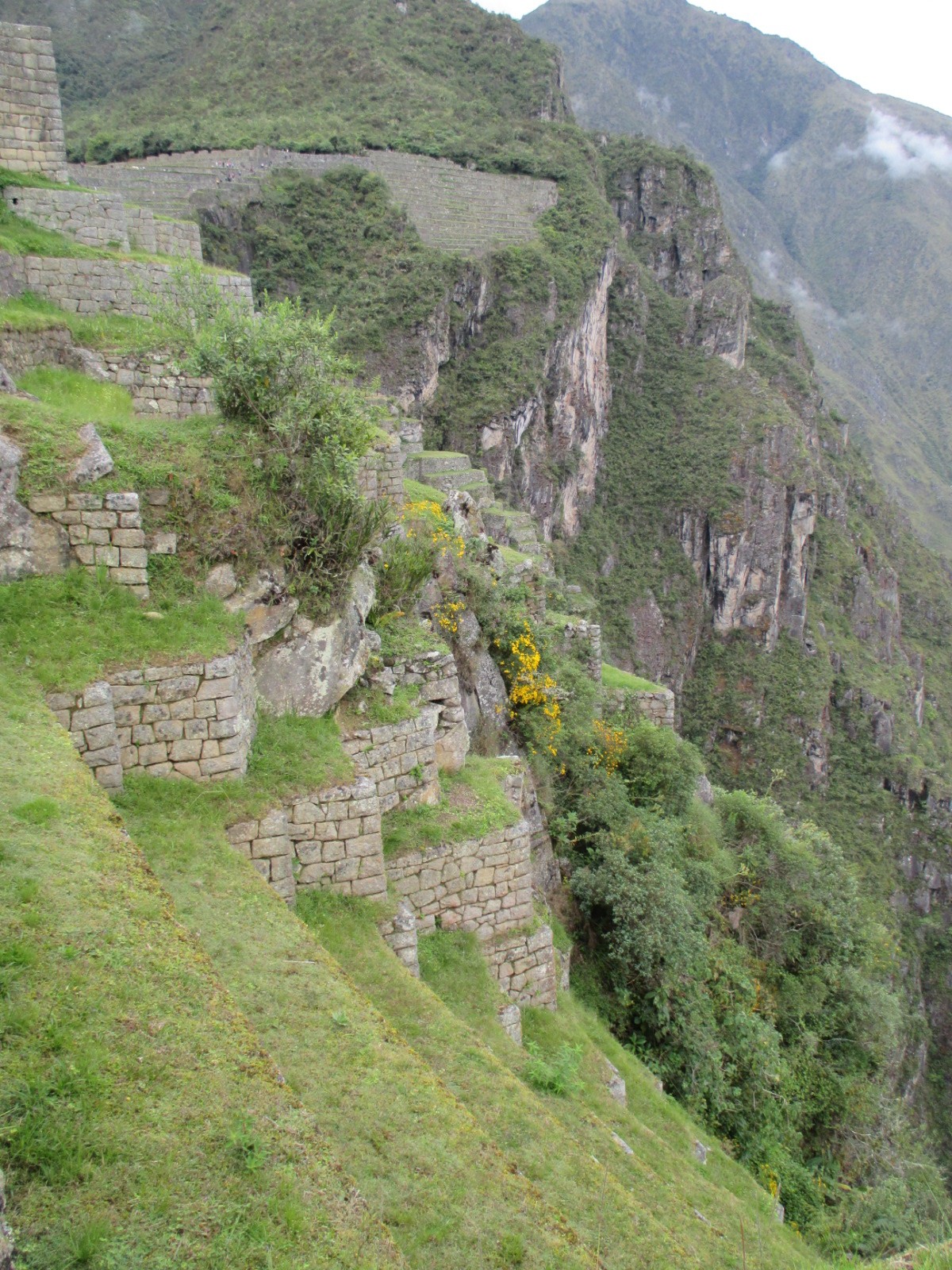
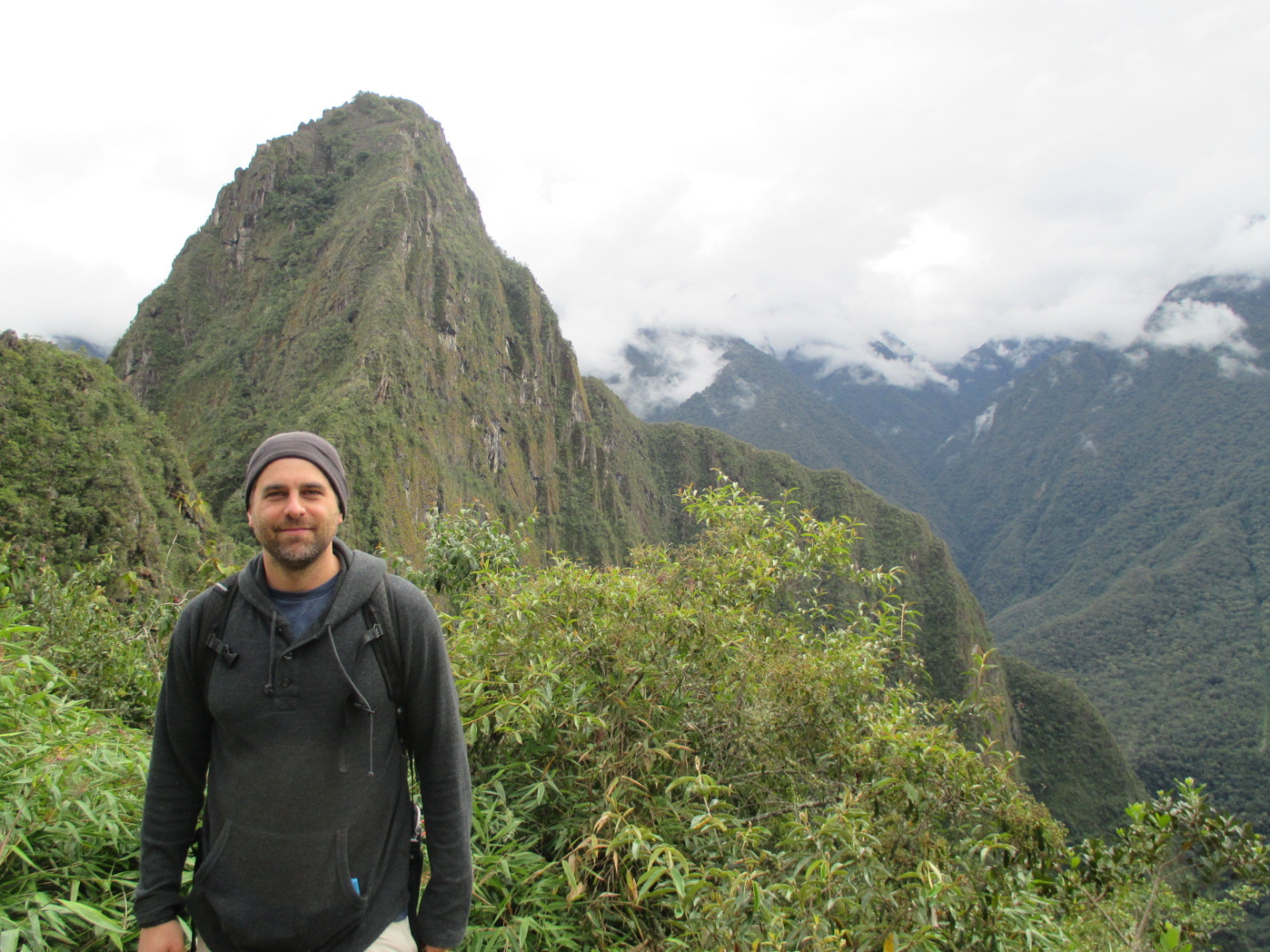
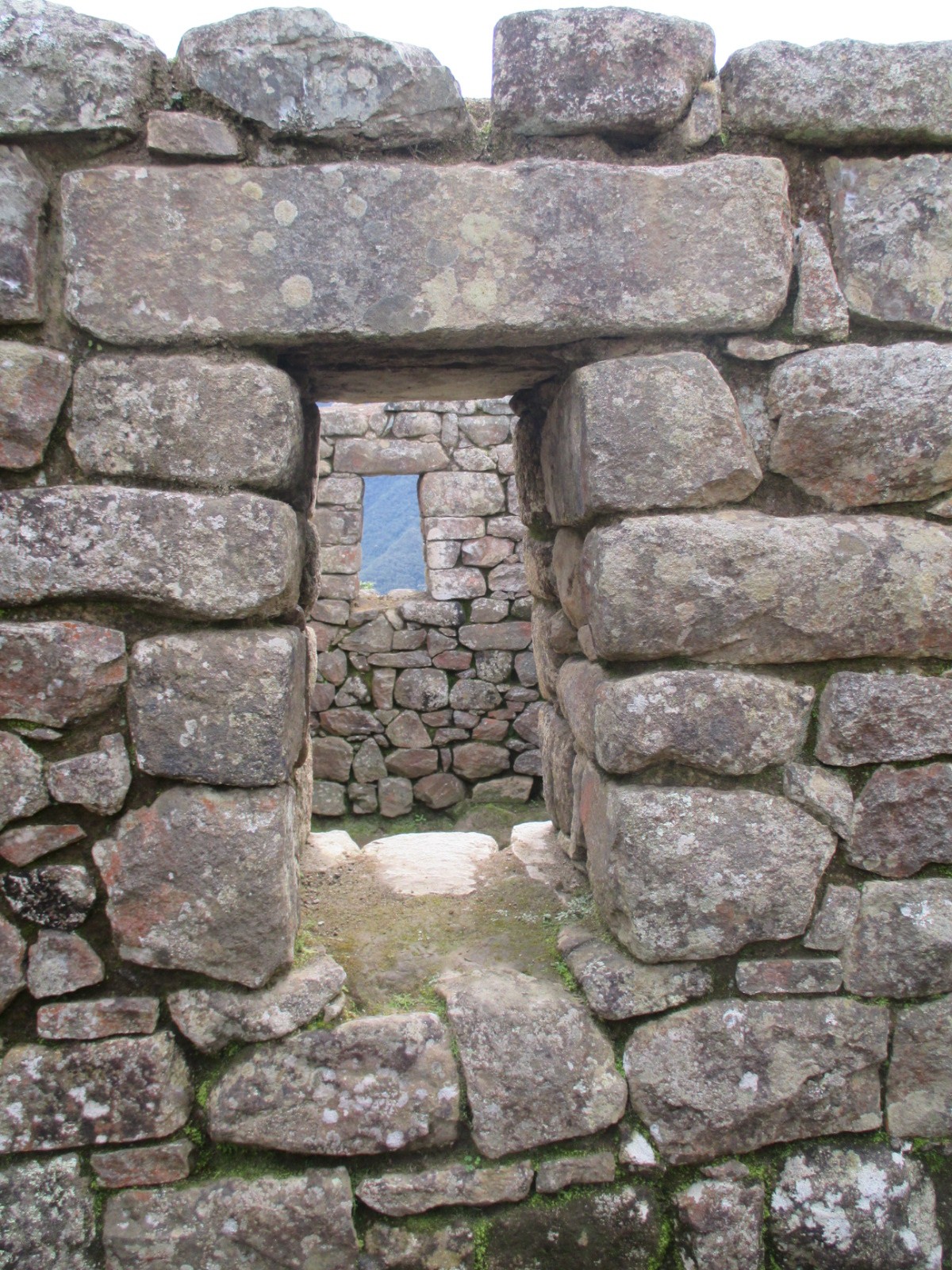
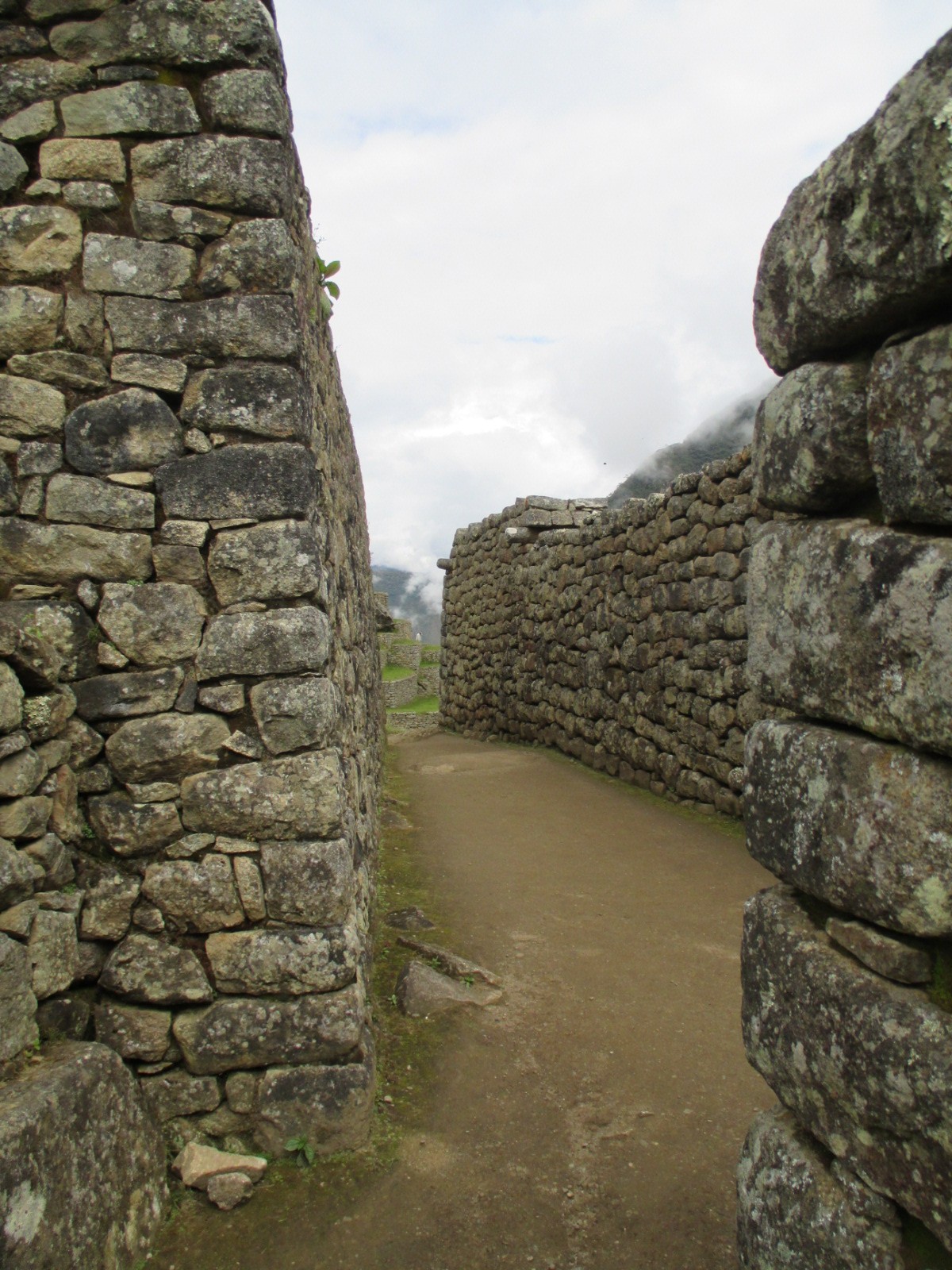
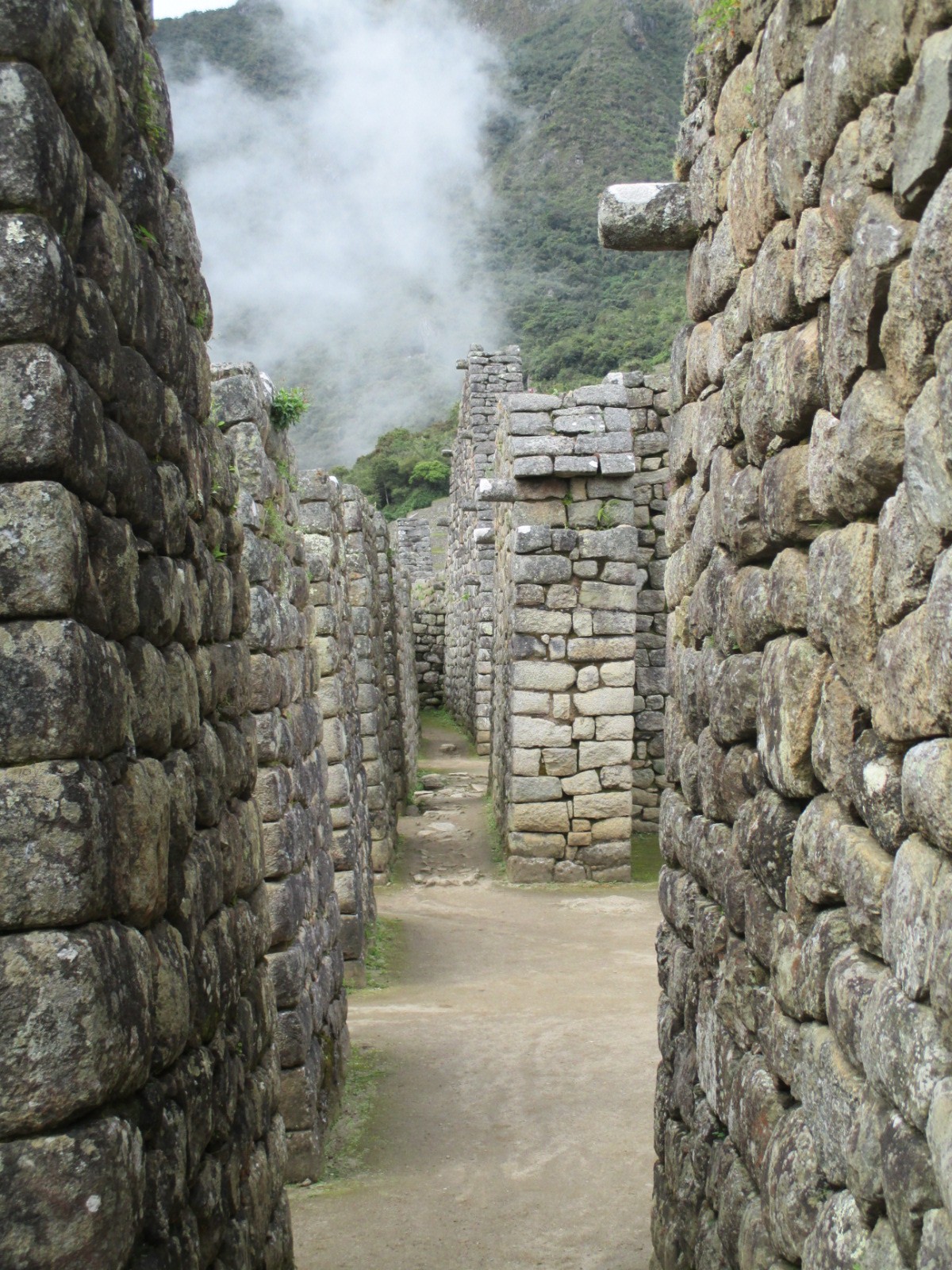
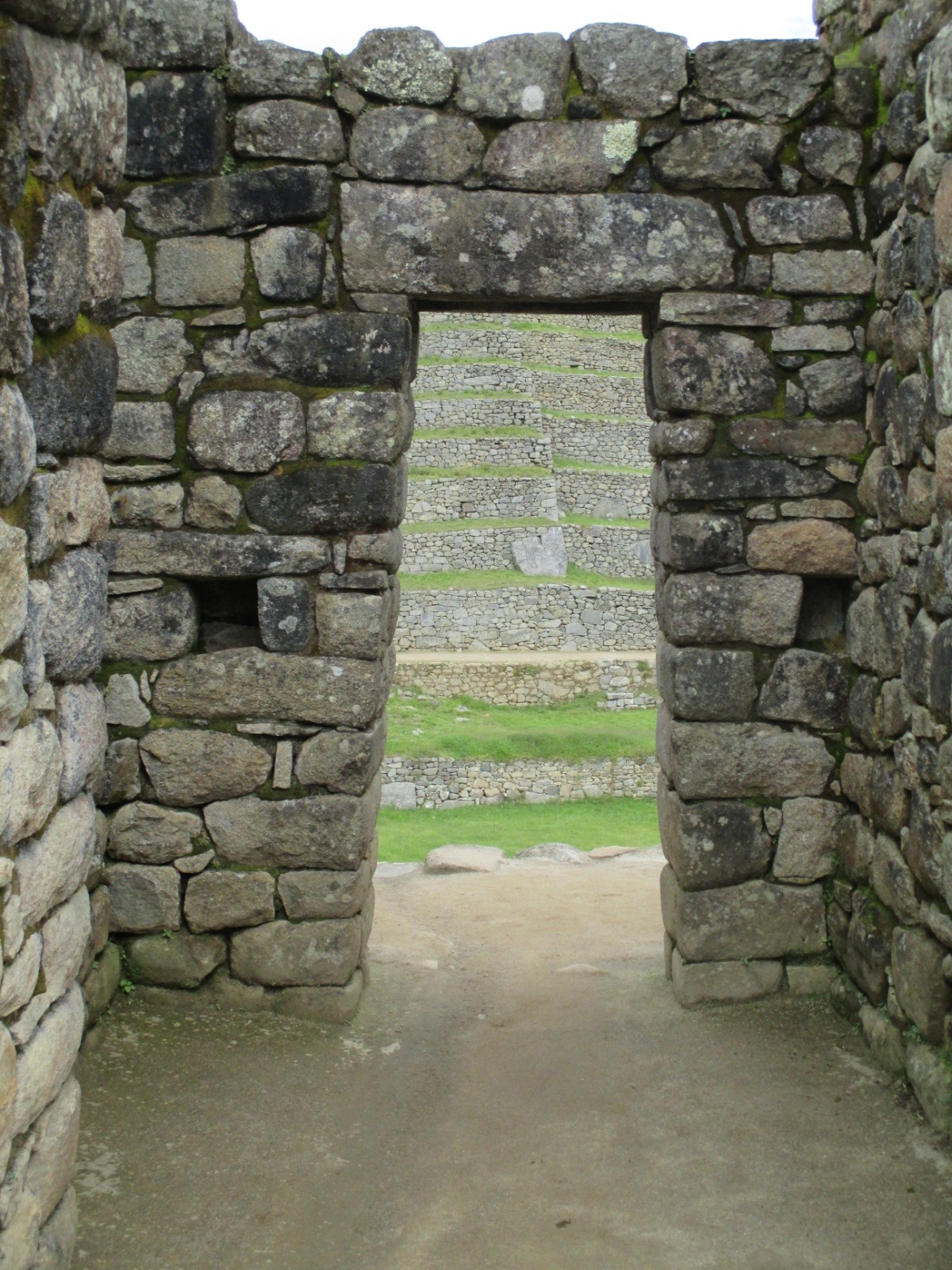
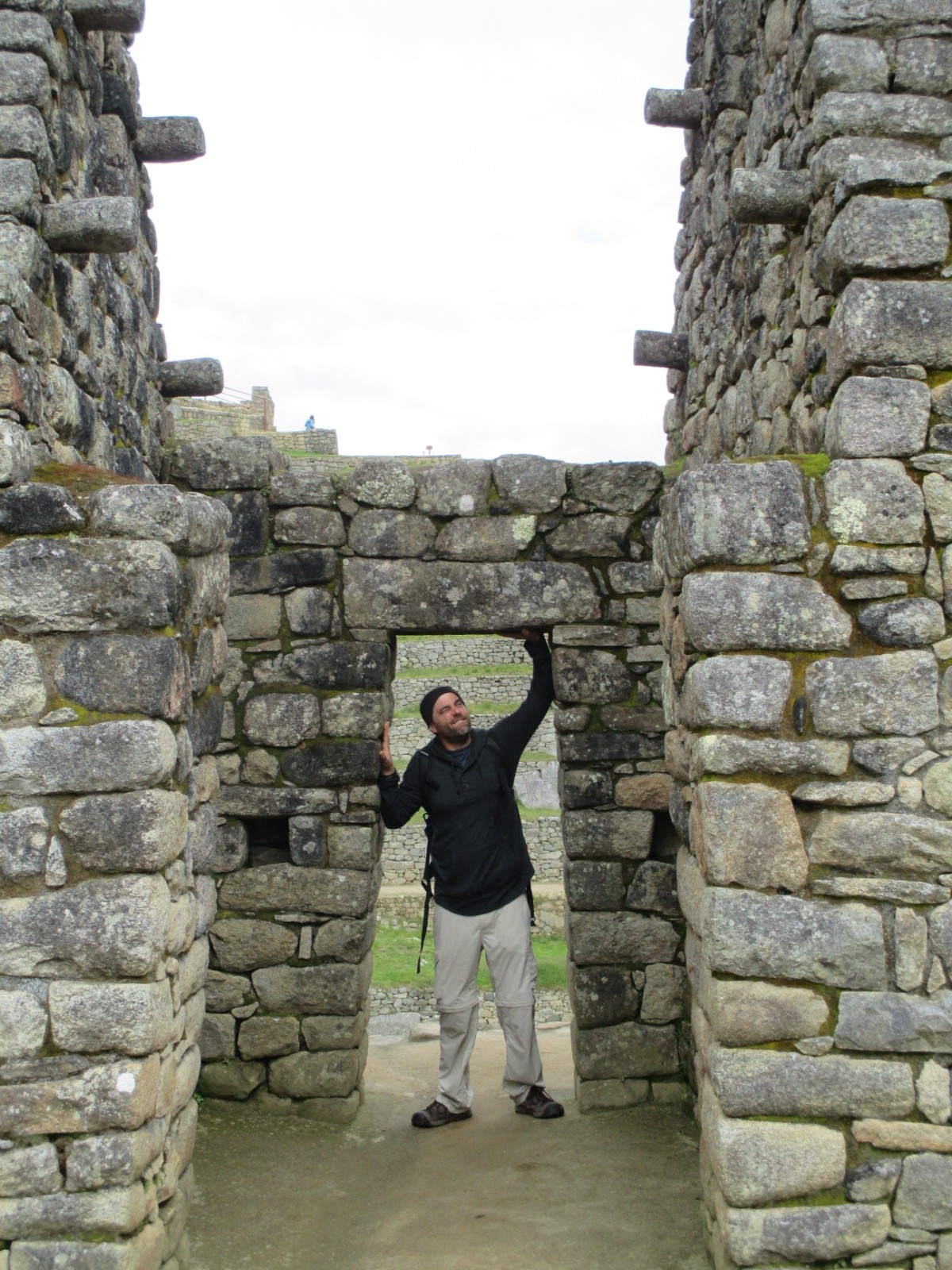
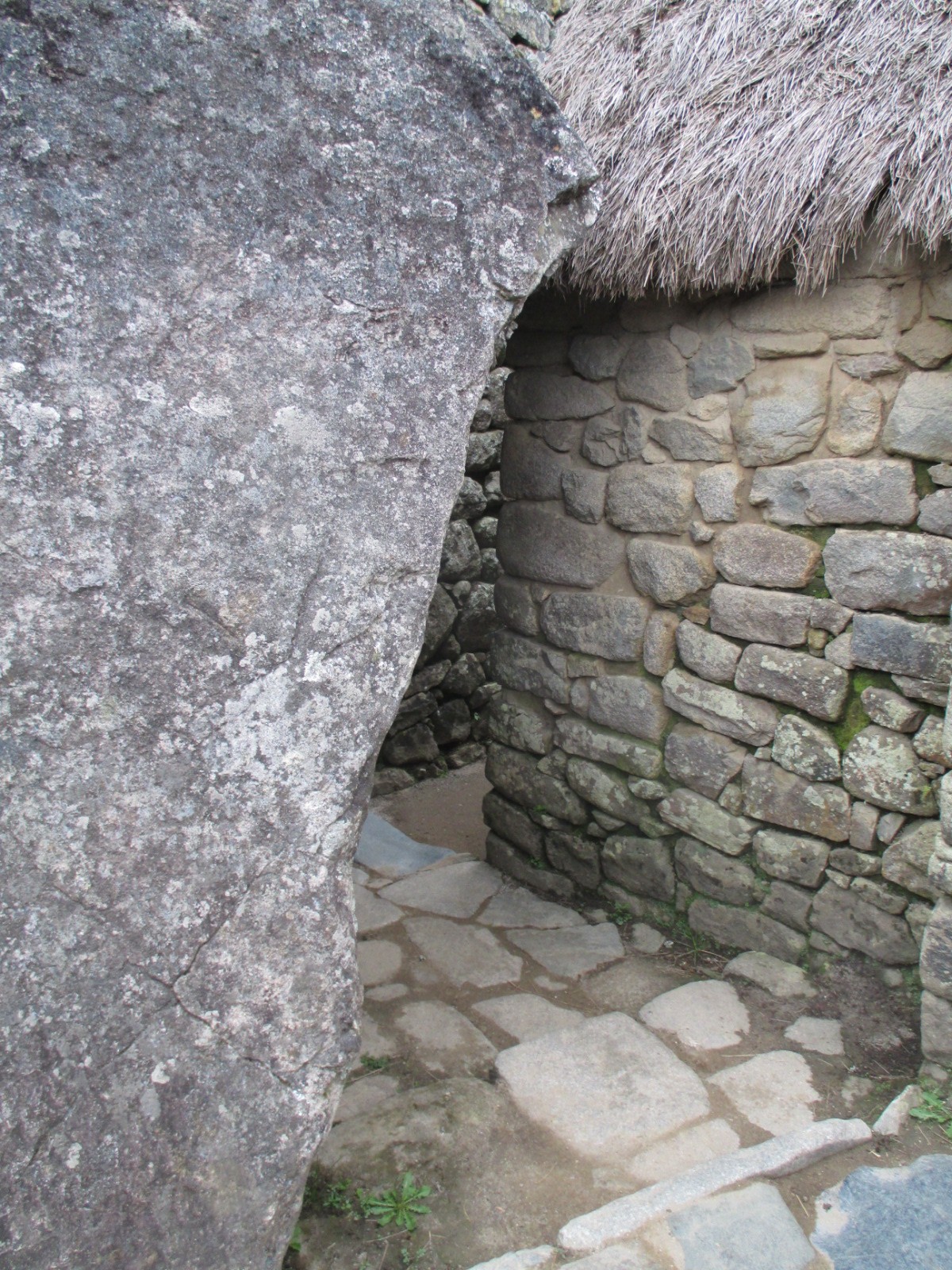
The trapazoid shaped doors make the building more quake proof
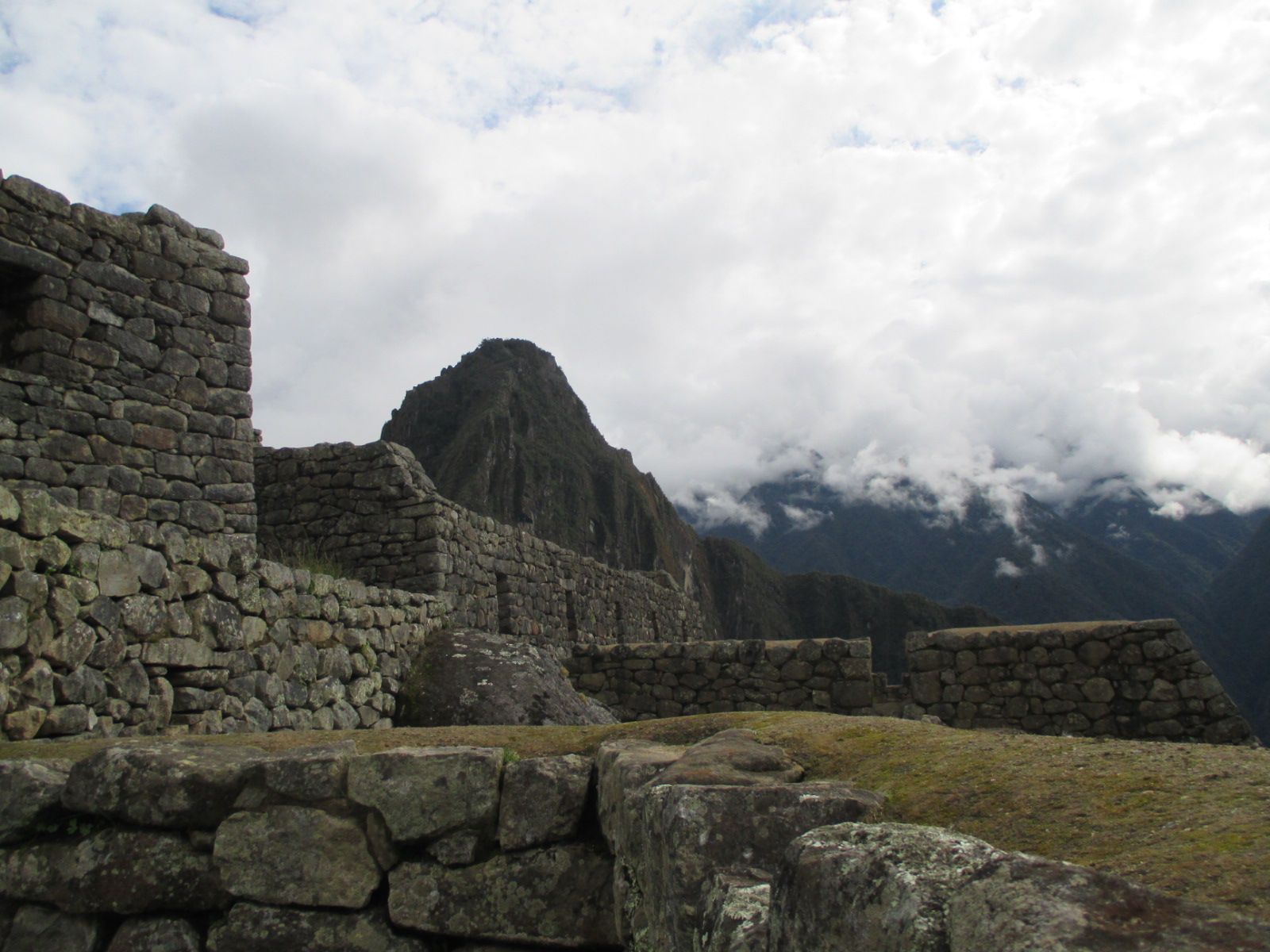
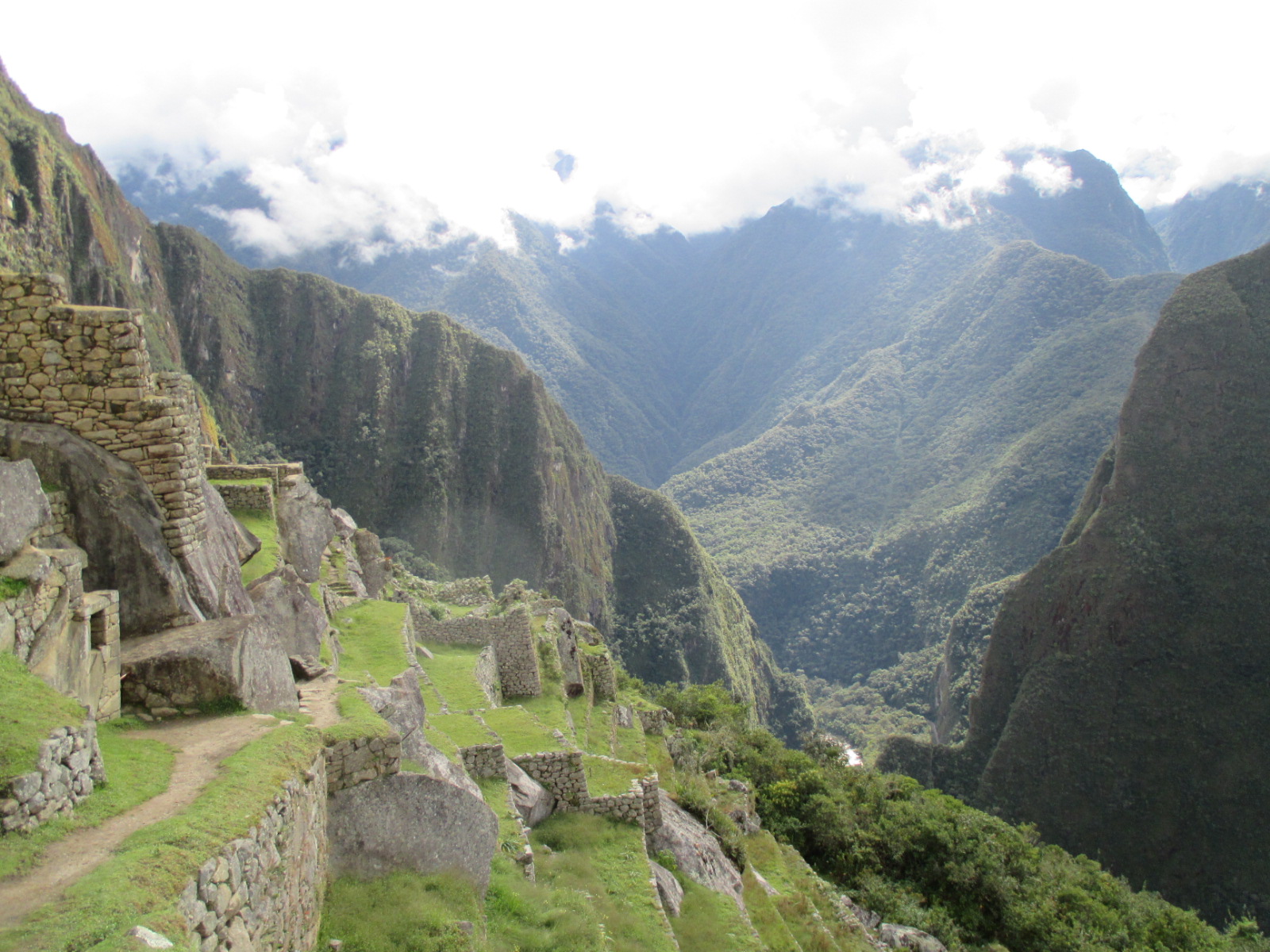
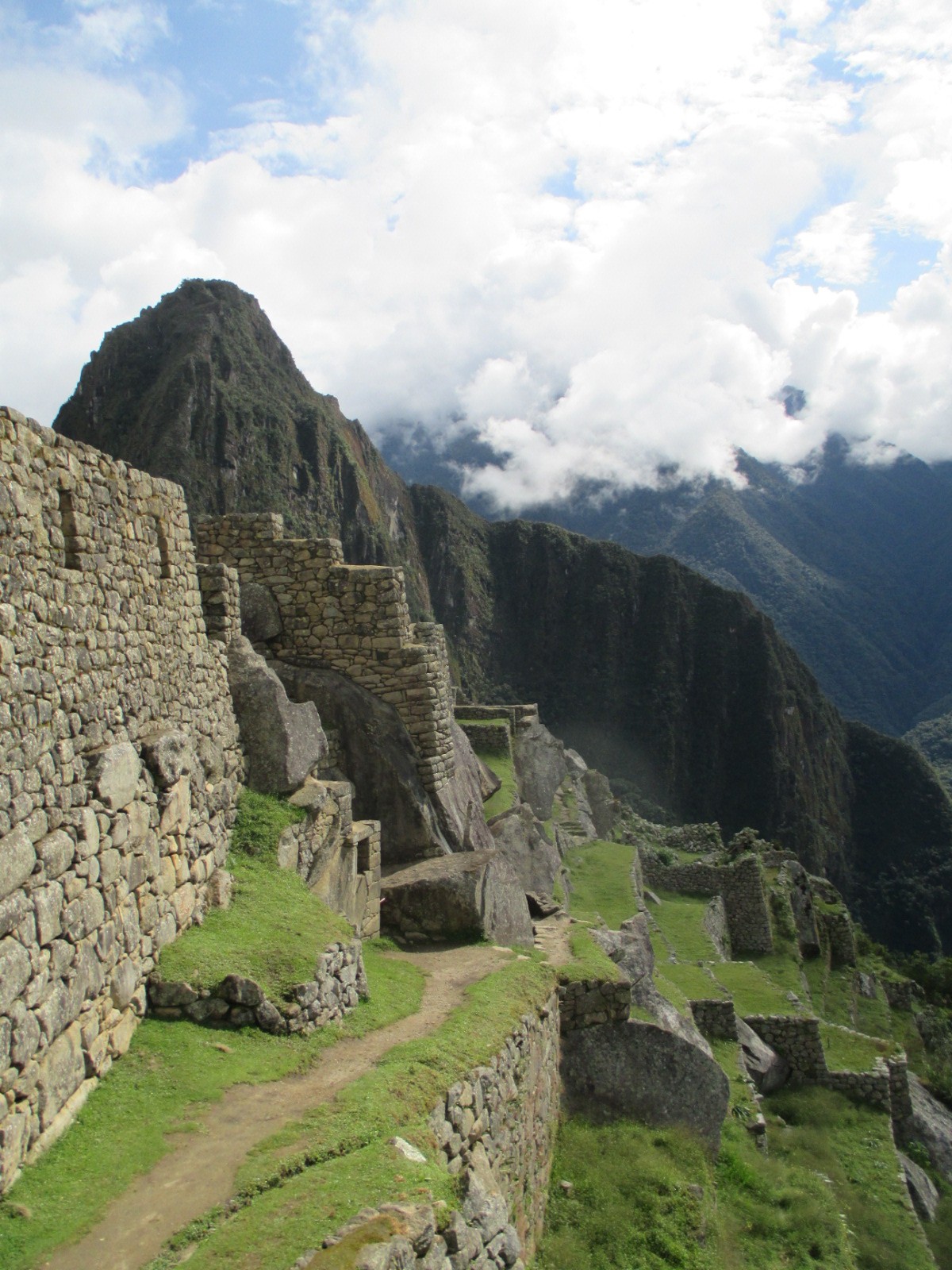
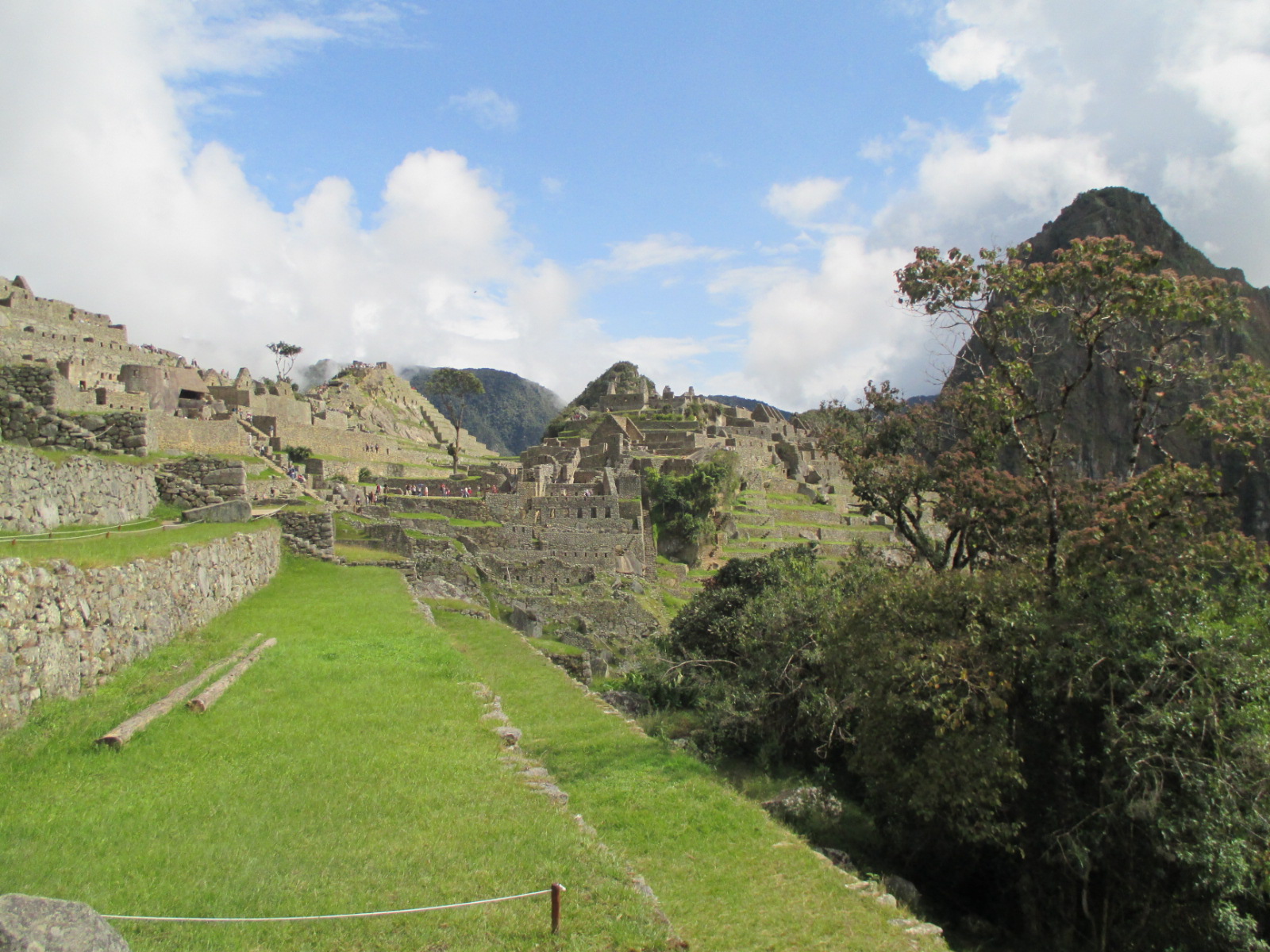
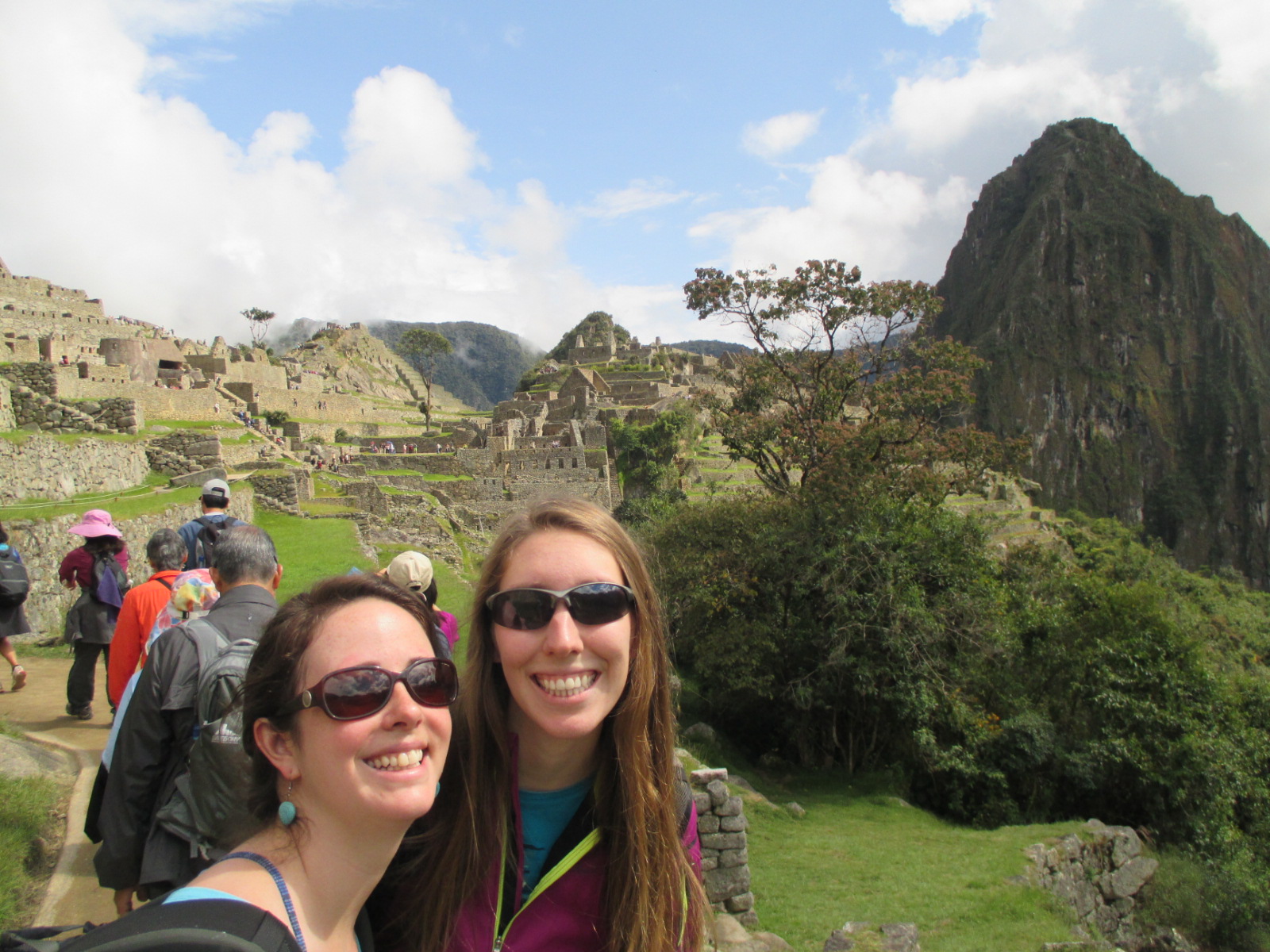
Canadians are fun, eh!

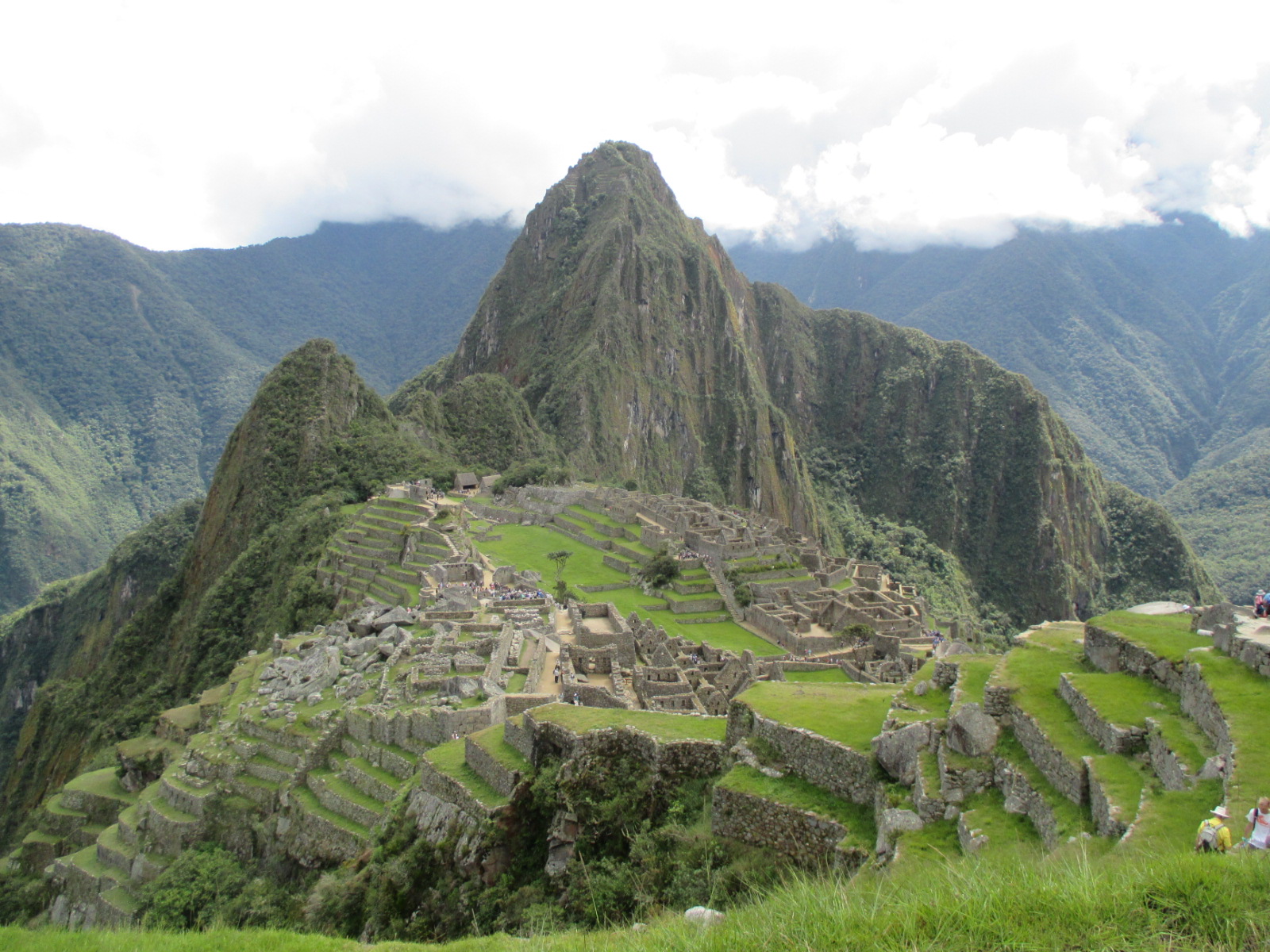
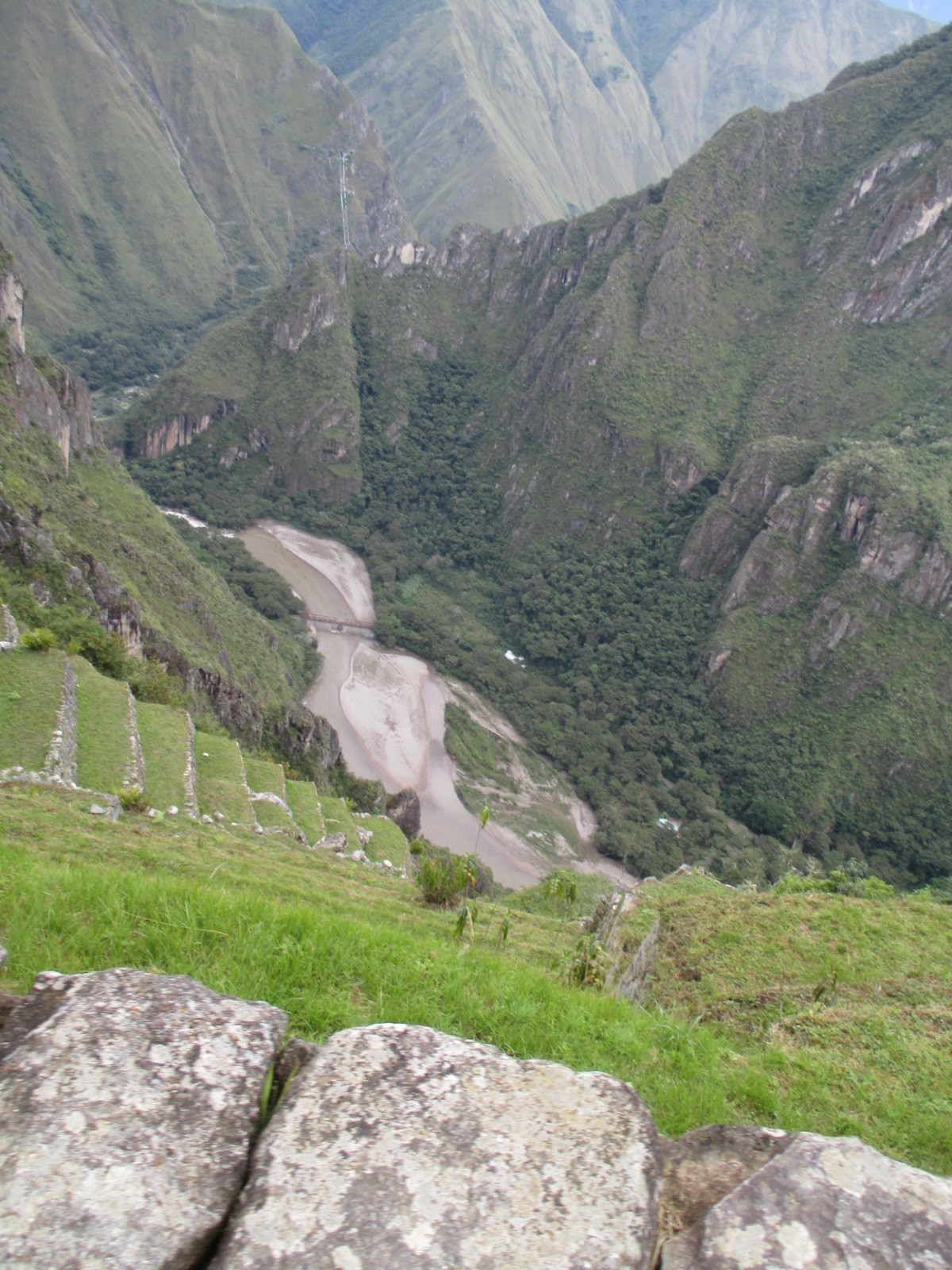
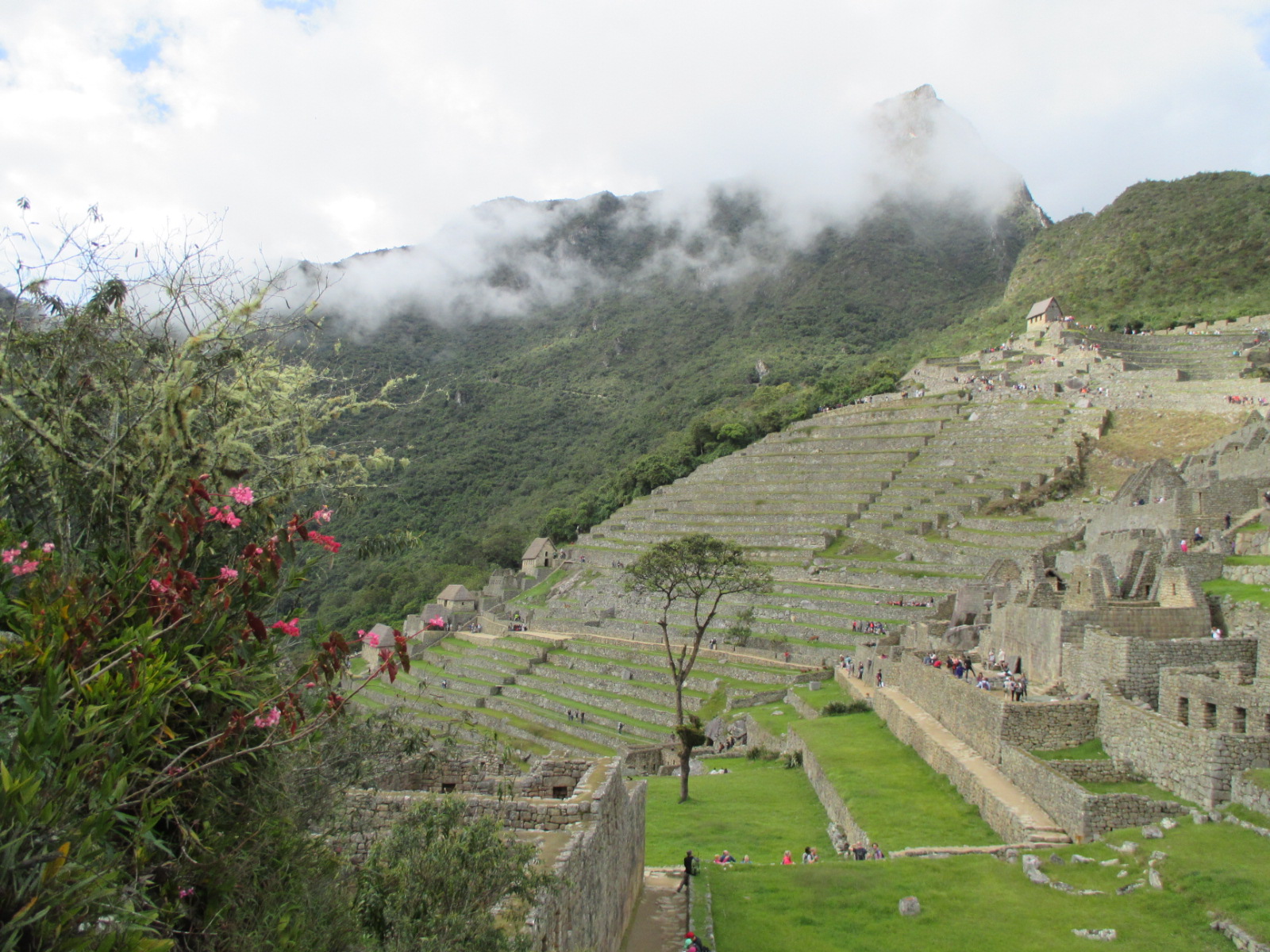
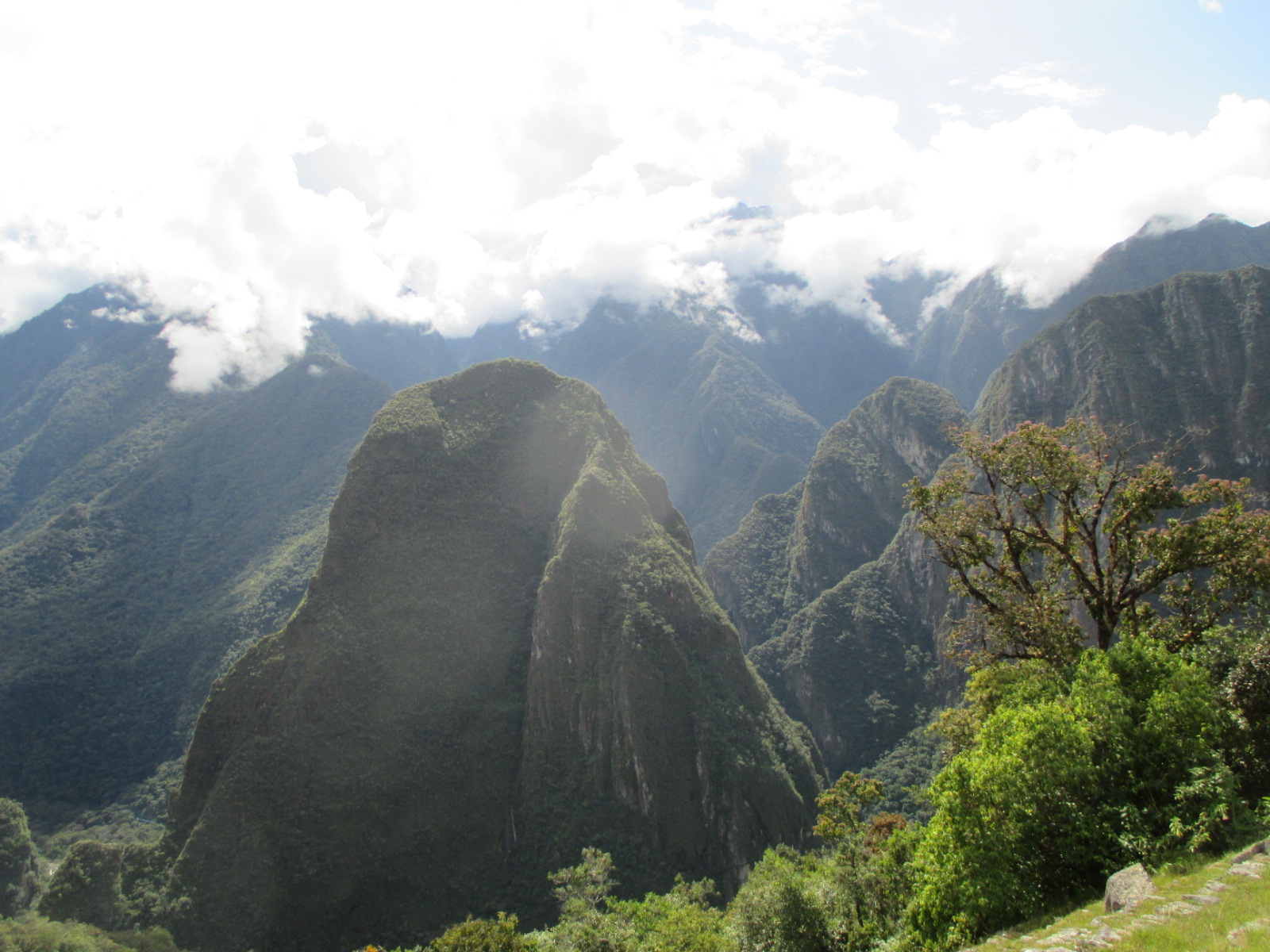
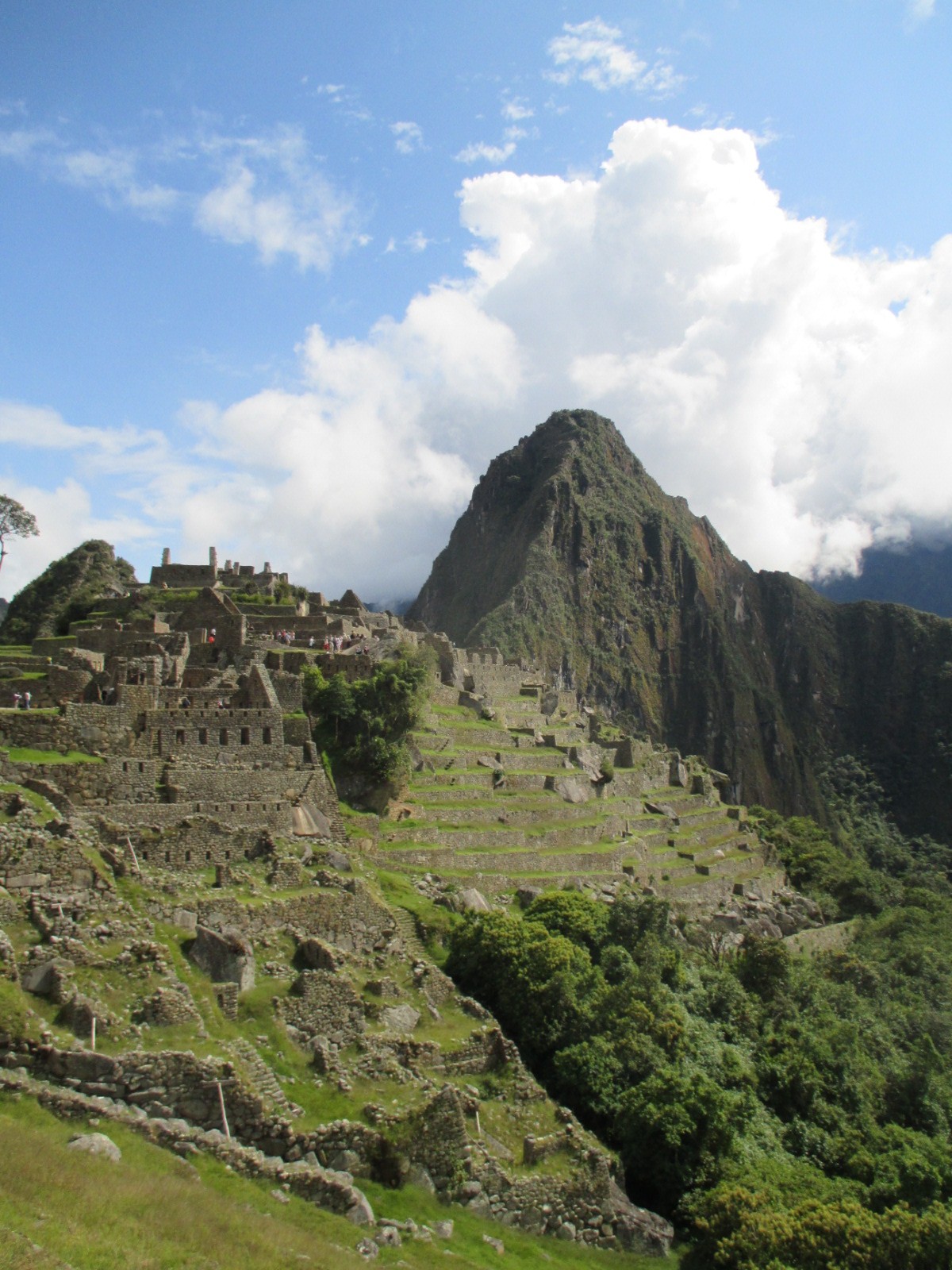
Machu Picchu in all its splendor. You’re high in the mountains here but for perspective Machu Picchu sits at 7900 feet which is about 8000 feet lower than the Sicllakasa pass at the height of our trek.
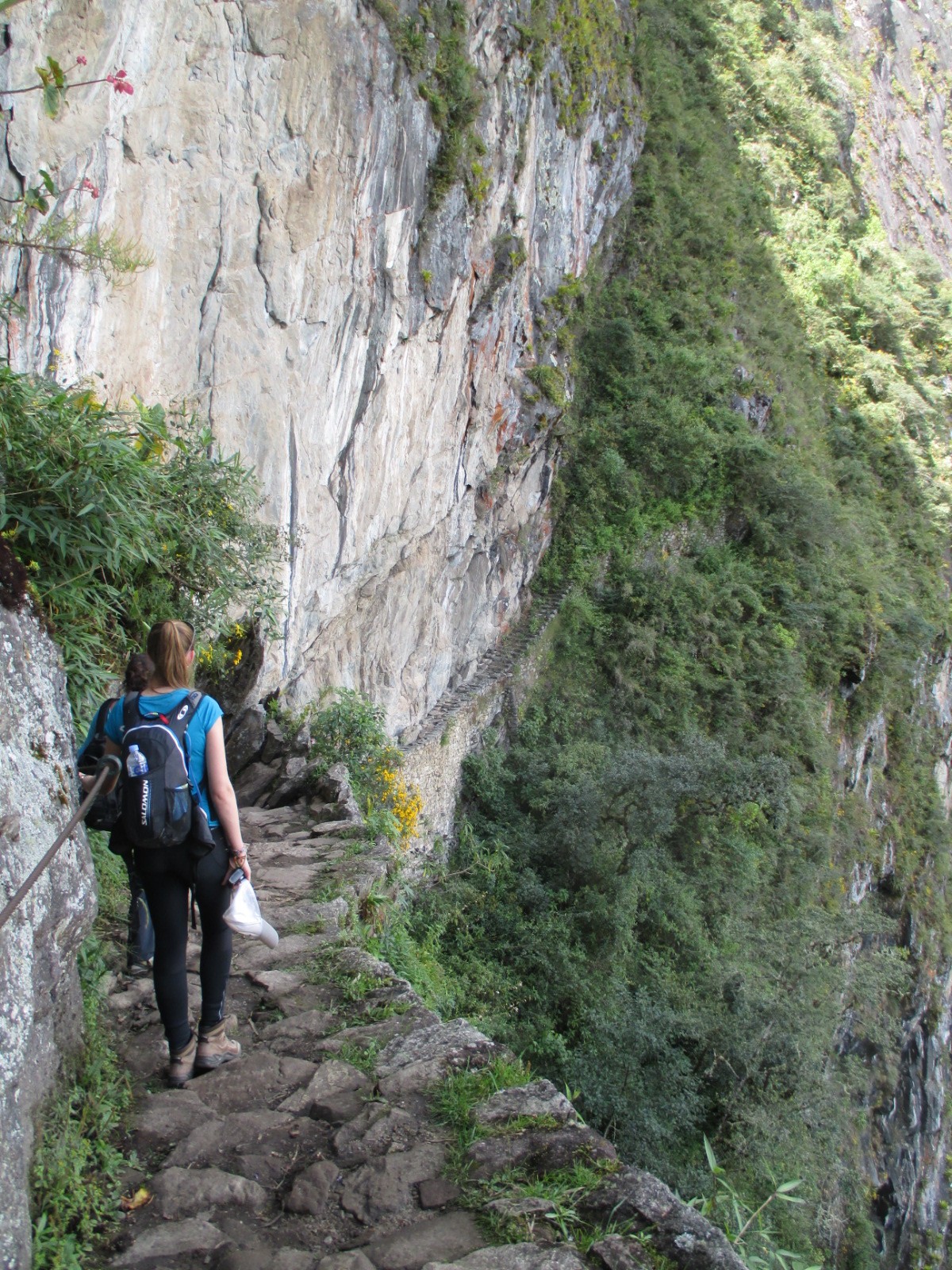
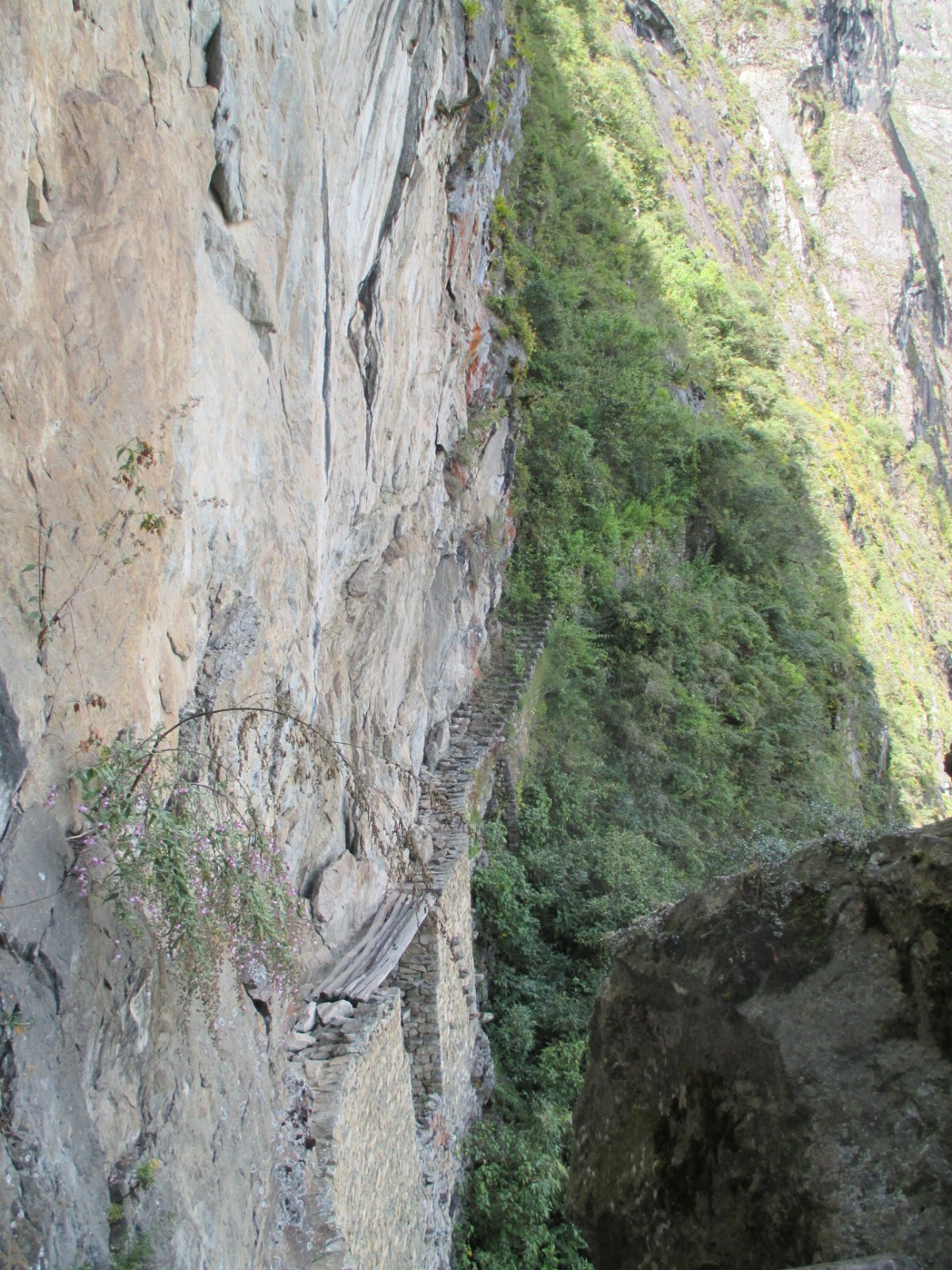
The Inca bridge
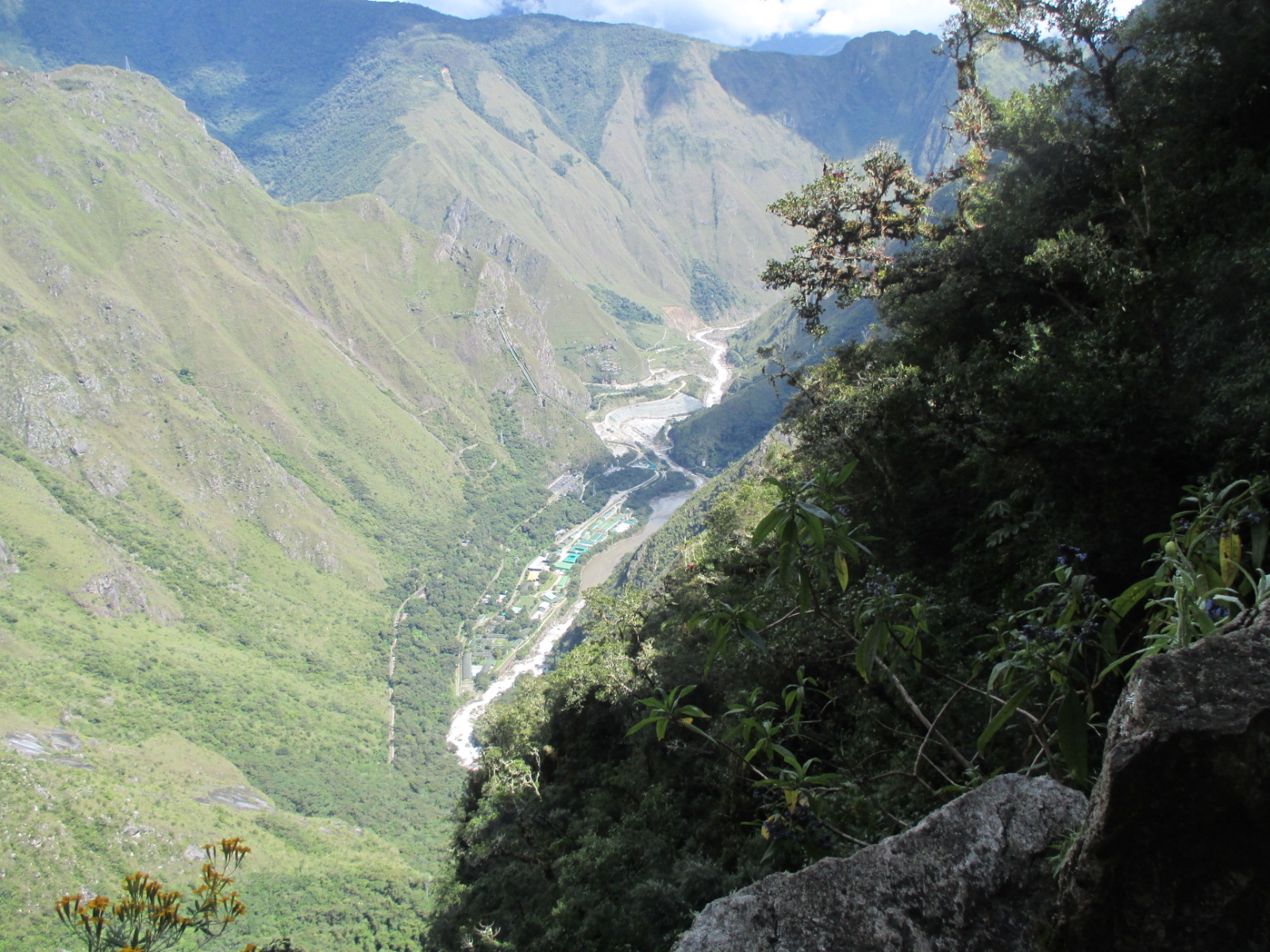
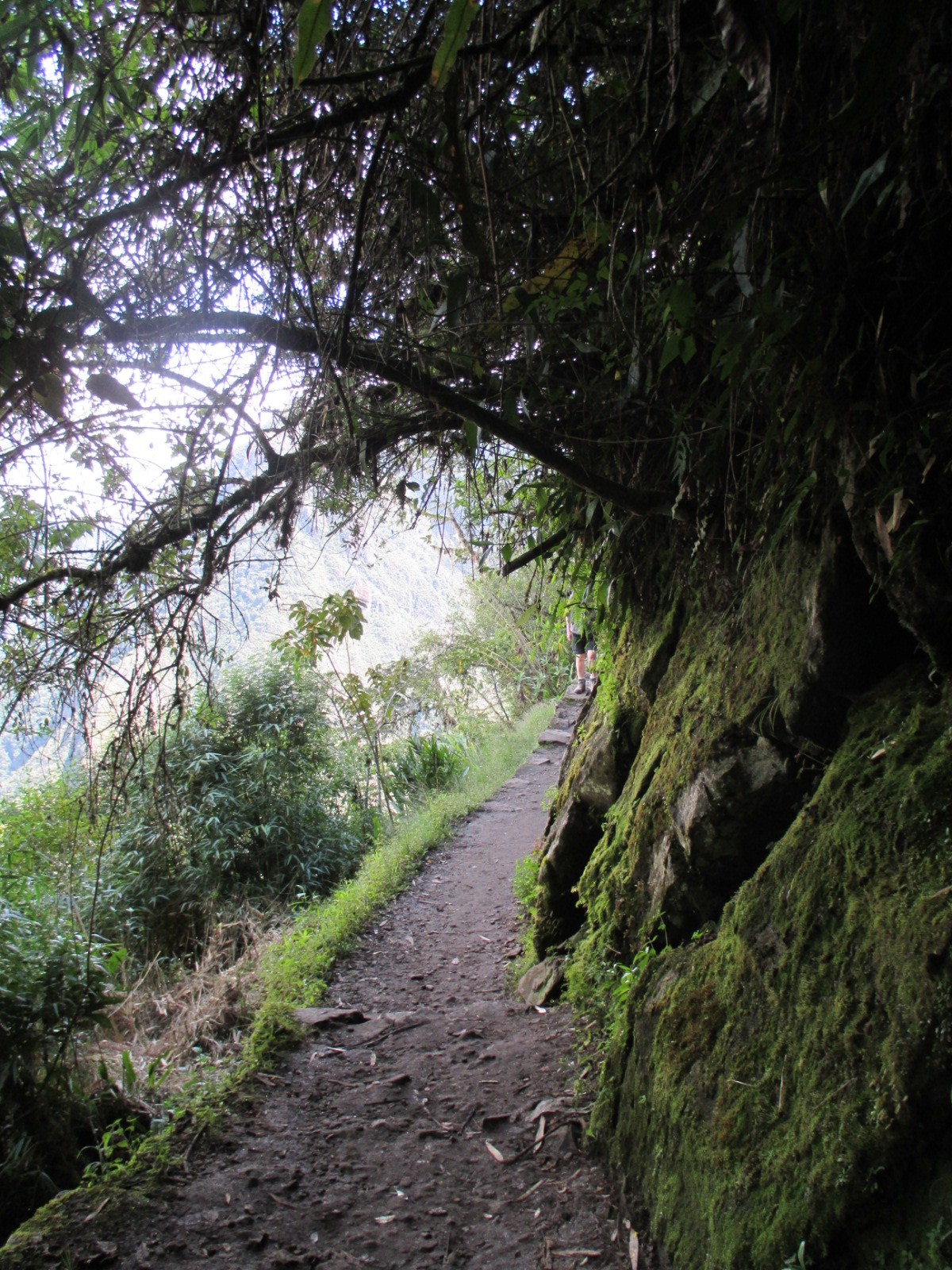
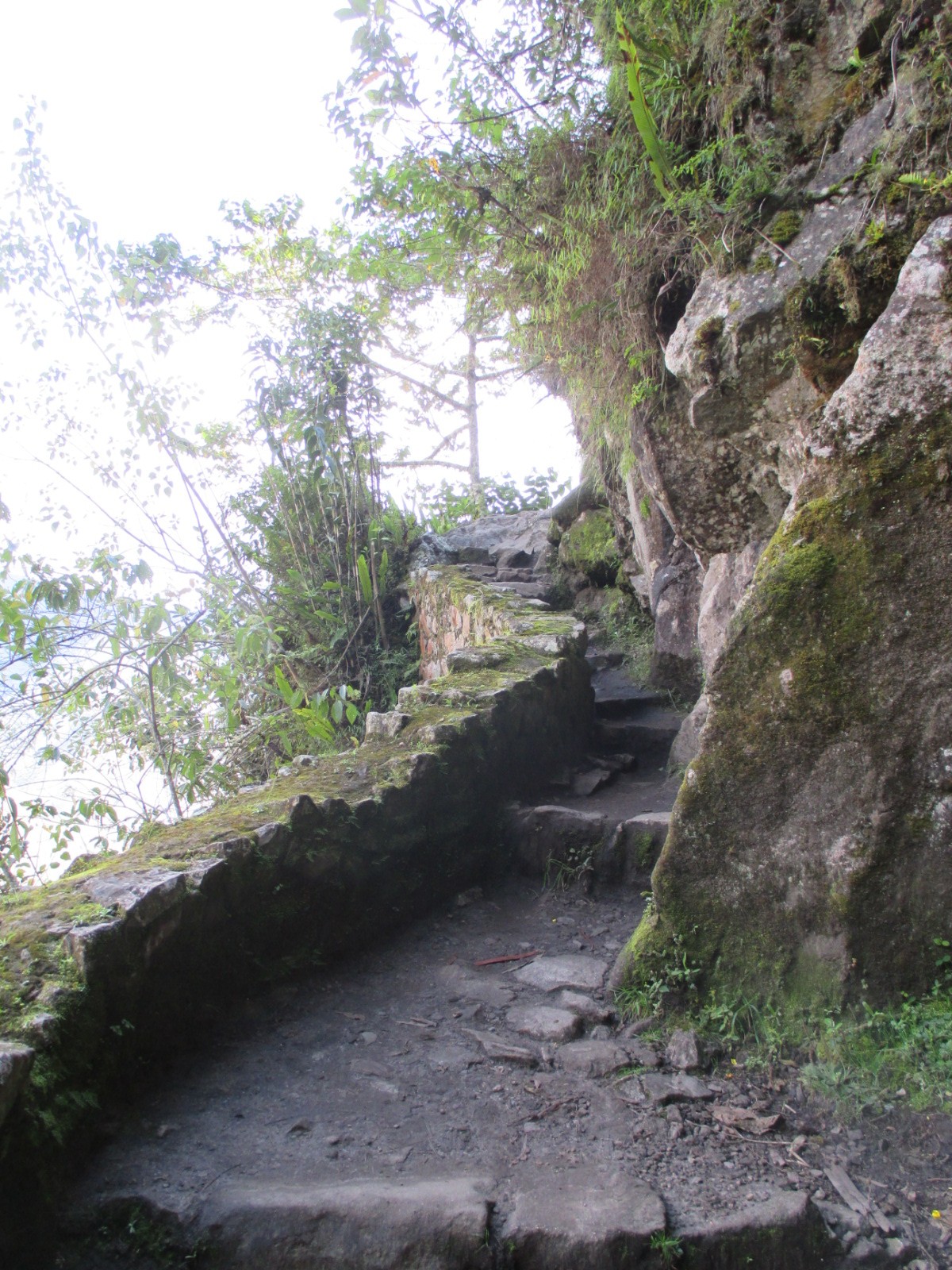
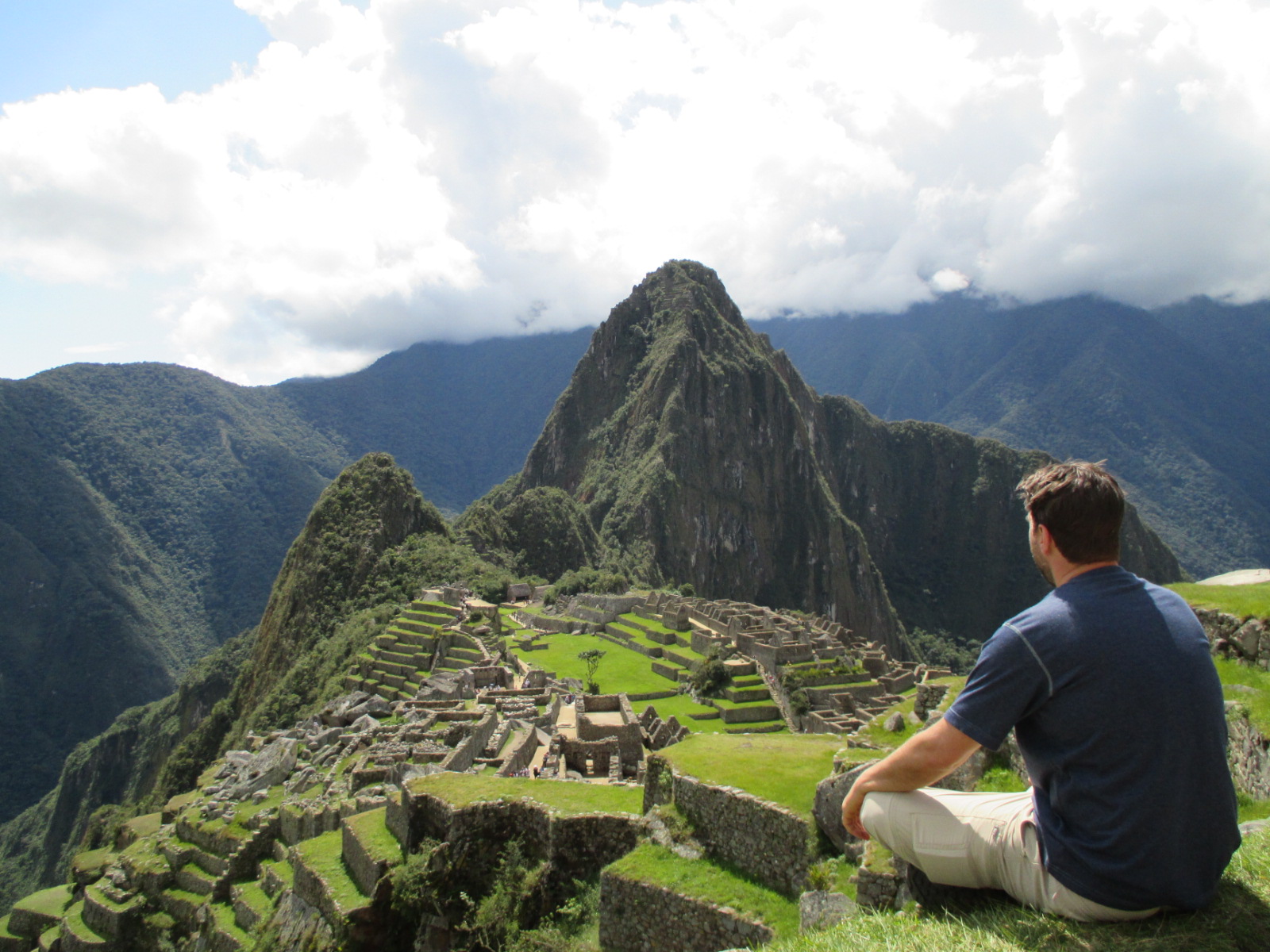
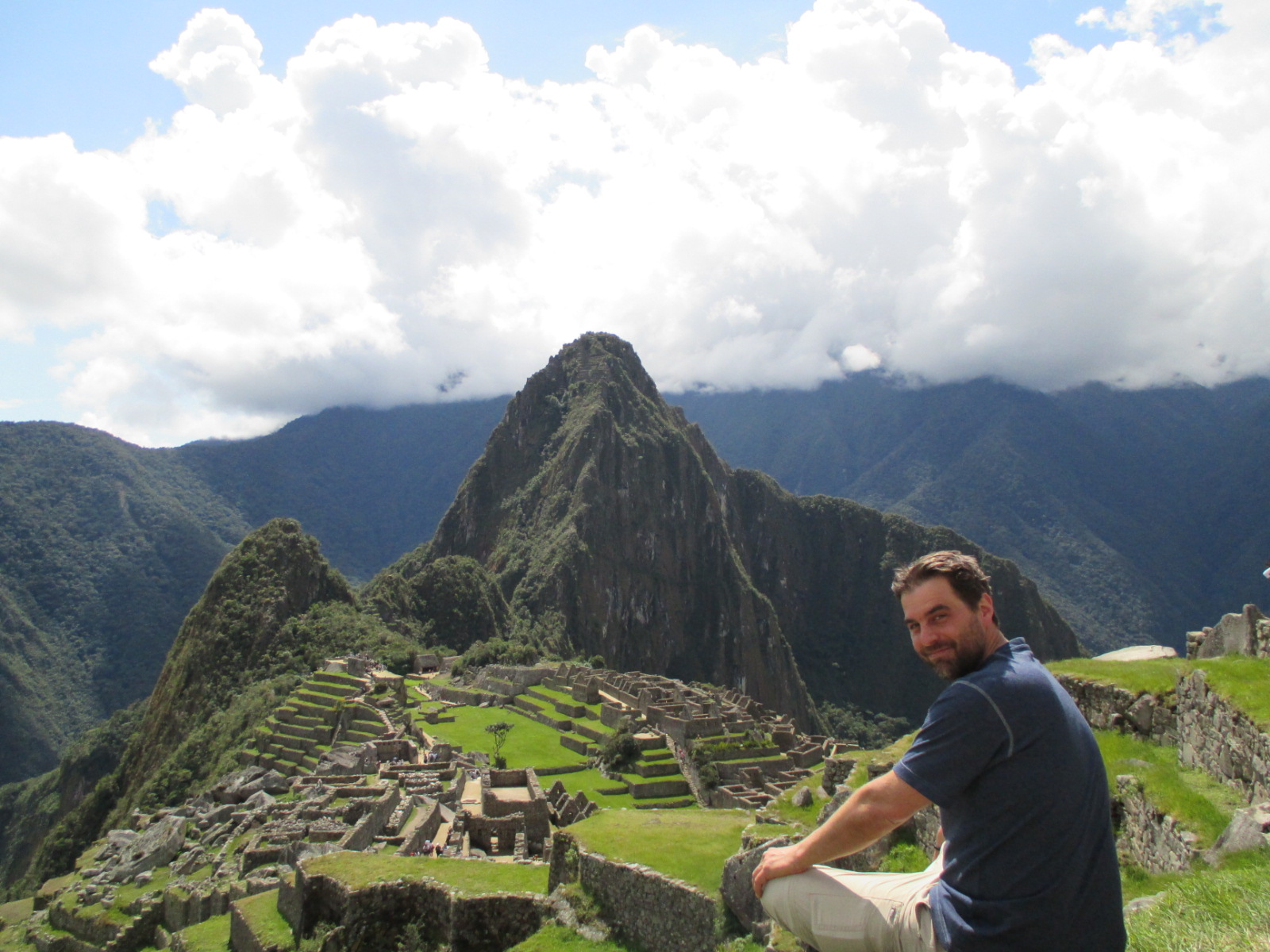
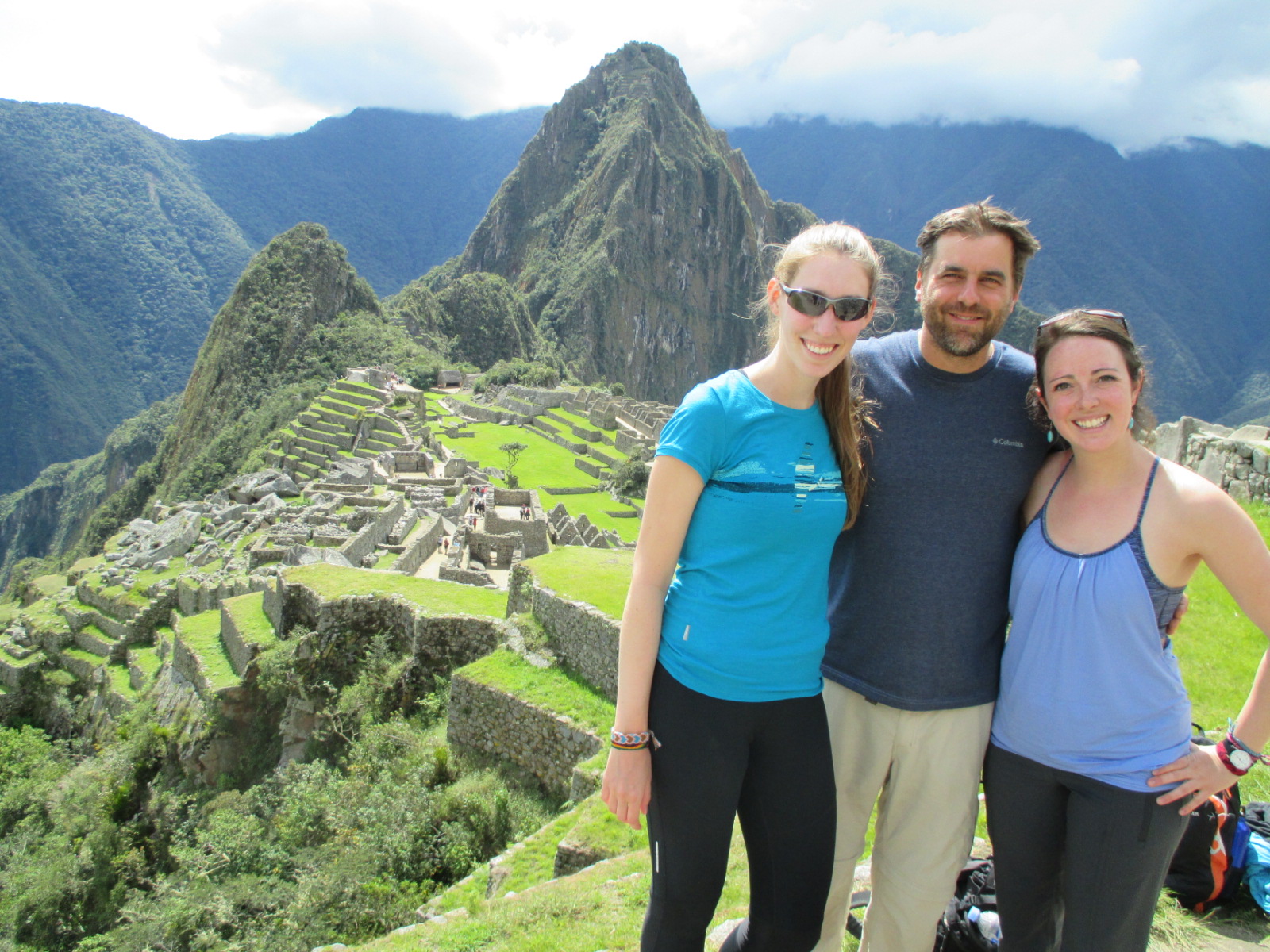
I hung out with Stephanie and Christine all day at Machu Picchu. They were so fun and such great company
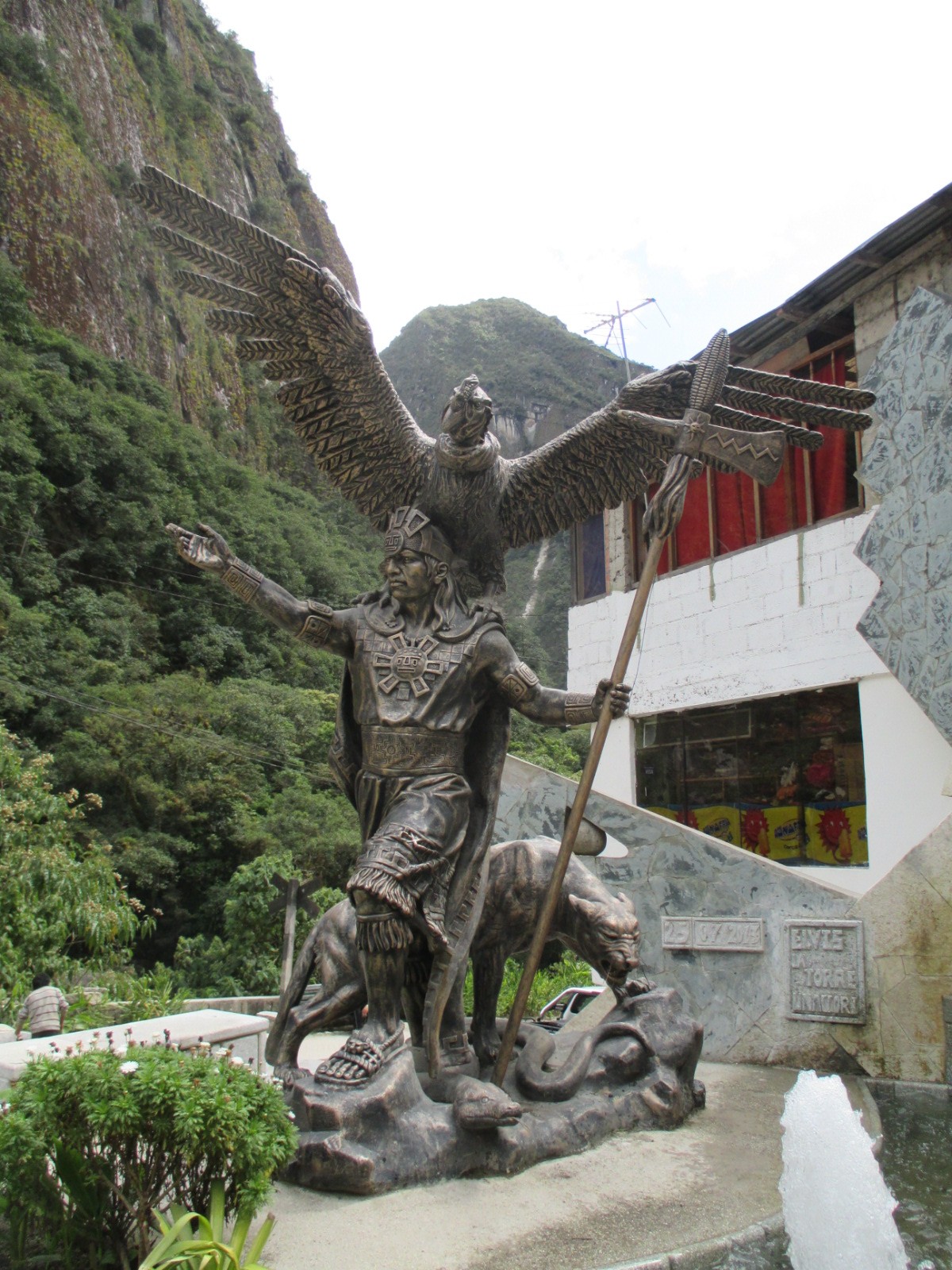
The three main animals in the Inca belief system: the condor, the puma and the snake
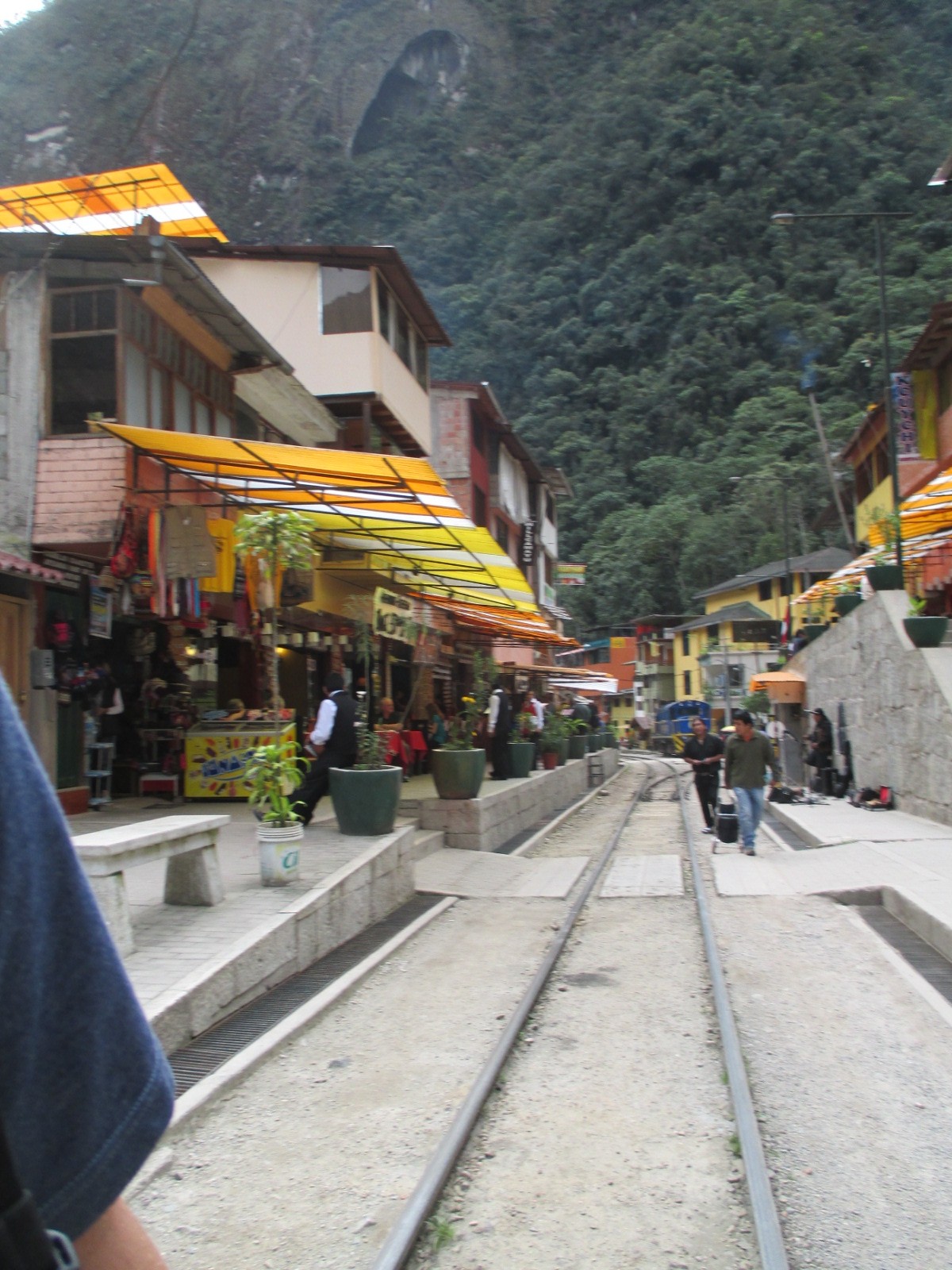
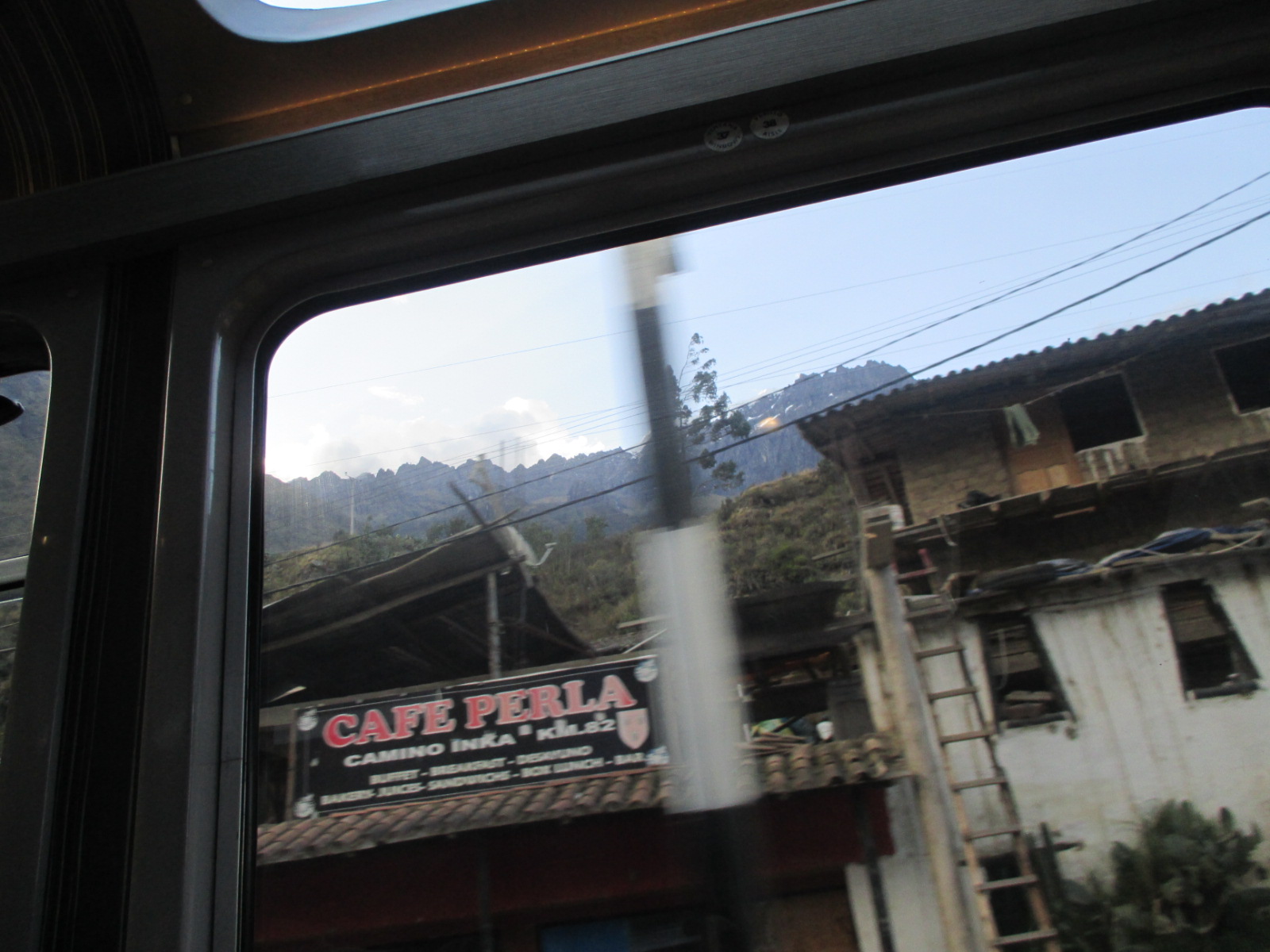
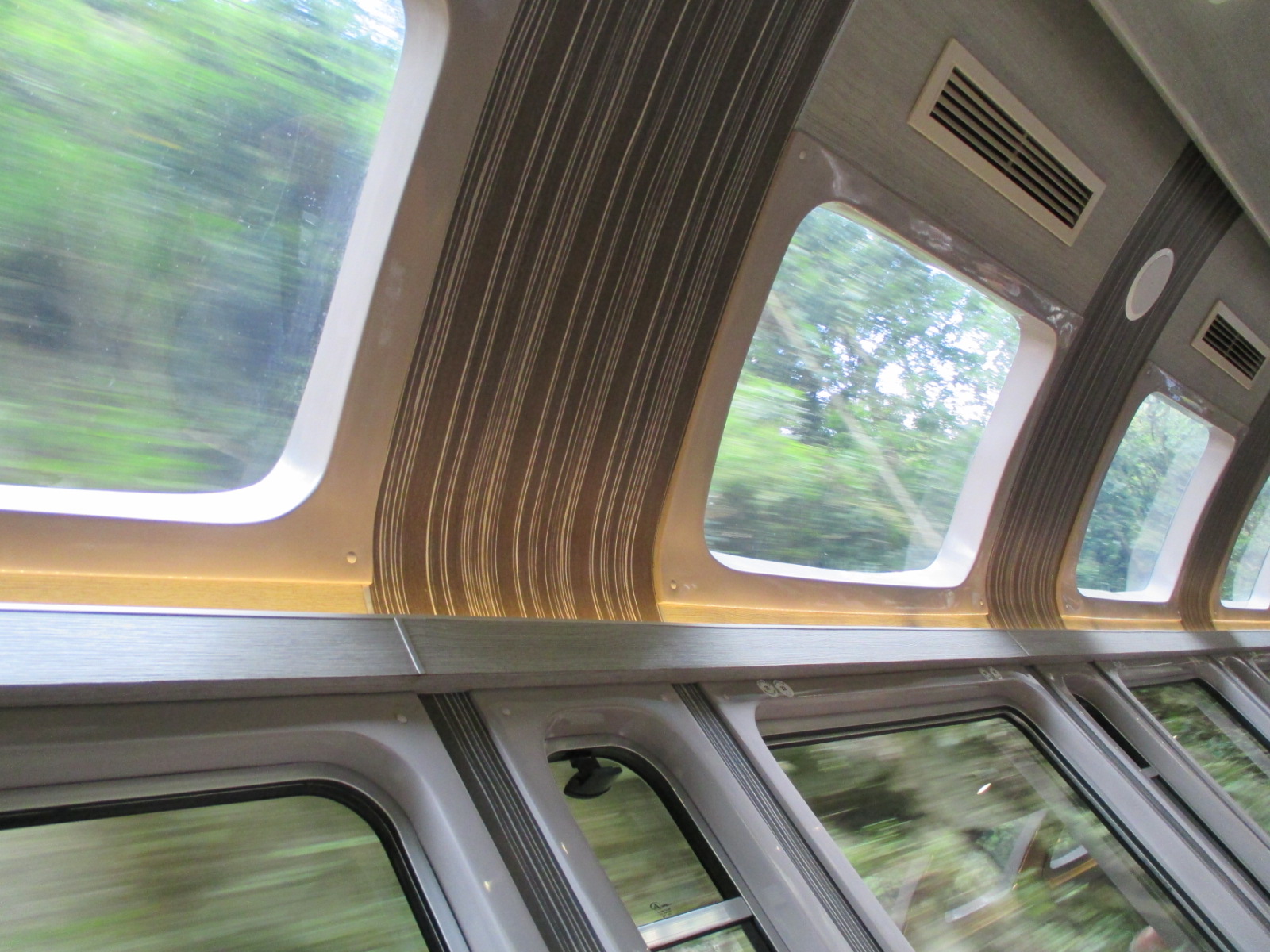
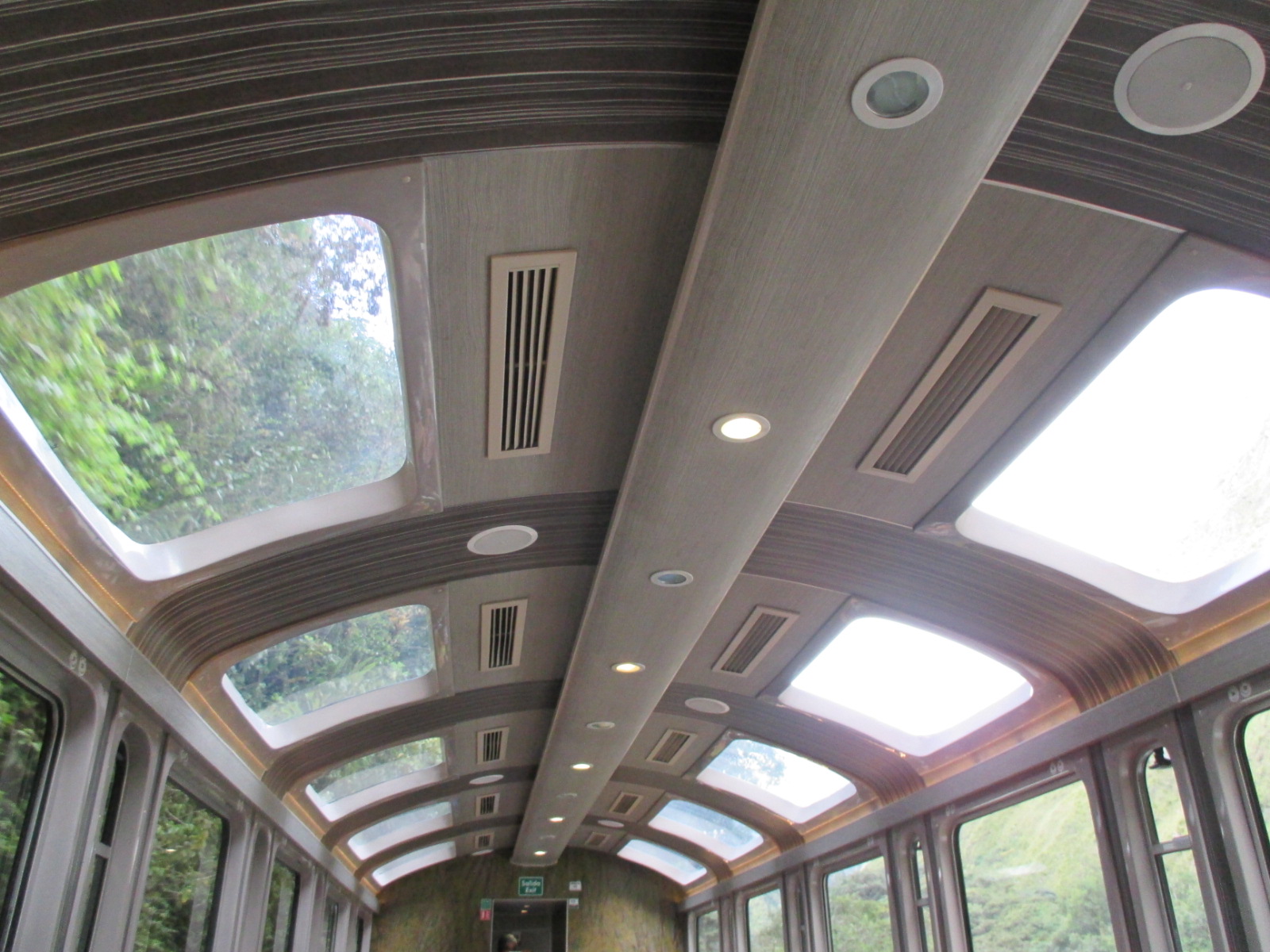
Leaving Machu Picchu and Aguas Calientes alone on a three hour train back to Cusco after four days with my new friends. it was heartbreaking
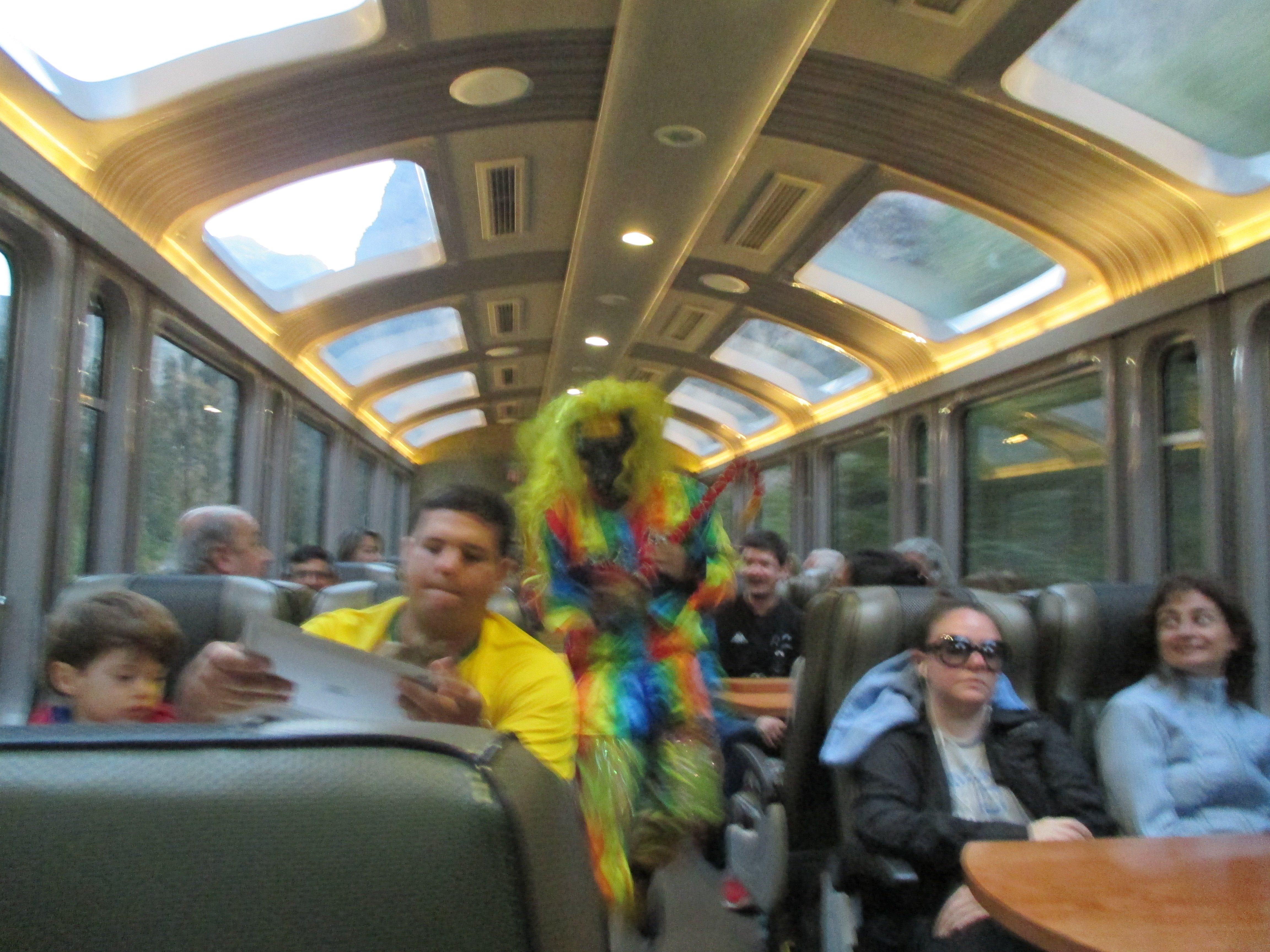
The puma dances on the train!
 Cantar Perú